It's not uncommon to see housing complexes integrate commercial spaces at the ground level, but the challenge of mediating between the private and public realm on a smaller scale, especially with the rise of the home office, has forced architects to explore all aspects of the structure, from the topography it sits on, to the direction of light and wind, to the design and organization the domestic space. This interior focus explores different design solutions that show how architects and interior designers transformed their projects from a living space into a mixed-use typology, taking into account privacy, flexibility, functionality, and predefined spatial requirements.
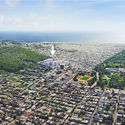
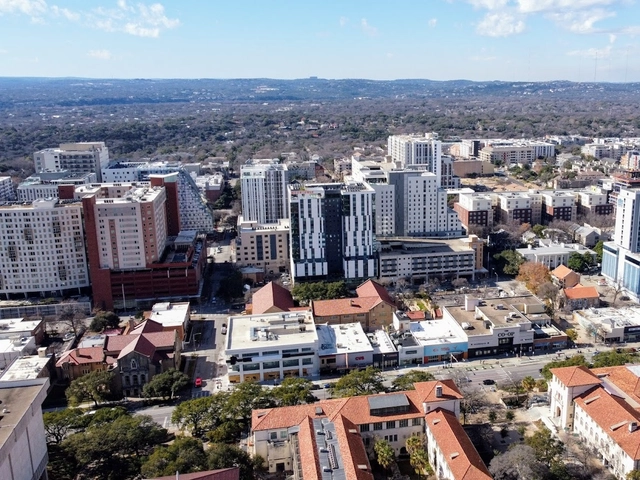
West Campus Neighborhood, Austin, Texas. The University of Texas campus is in the foreground. Image Courtesy of Jack Myer/The Daily Texan.
Juan Miró, co-founder of Miró Rivera Architects reflects in an opinion piece on the student housing situation in the United States. The architect explores different dormitory conditions across the country and questions whether these leading public universities "enthusiastically endorse the idea of putting thousands of its students in windowless rooms in the name of density and efficiency".
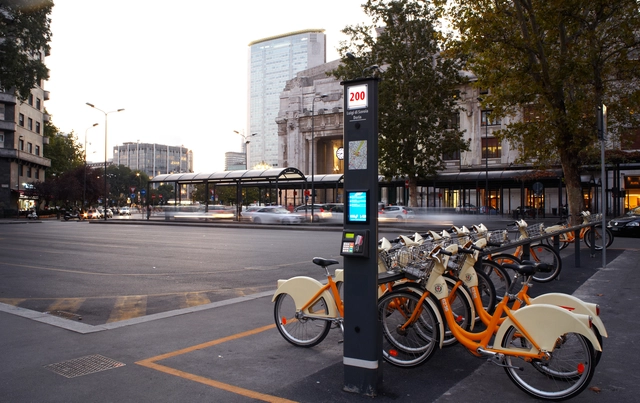
As part of Milan's ongoing vision of bicycle-friendly highways, the Metropolitan Council of Milanhas approved its Biciplan “Cambio” project, a new transportation system that introduces "super-cycle" corridors across the urban fabric, prioritizing cycling, environmental protection, safety, and wellbeing. The project aims to compliment existing cycle paths with 750 kilometers of new corridors that will connect the city's 133 communes with its wider metropolitan area, and increase the amount of bicycle trips and reach by 10% internally and 20% on a greater scale.
Over the past year, NFTs have entered the realm of architecture, prompting conversations over the role of the profession in the future digital economy. From the design of digital real-estate to exhibitions and architecture events exploring its value for the practice and established architecture firms embracing the new medium, NFTs have been embraced by the profession as the promise of a new form of creative production. Discover a round-up of architecture's experiments with NFTs so far, together with a series of Archdaily articles shedding light on the topic.
After the announcement of the selected projects in the categories of Airports, Campus, Railway Stations and Sports, followed by the announcement of the 70 Continental Winning Projects of the Prix Versailles 2021 in the categories of Shops, Shopping Centres, Hotels and Restaurants, there turned out to be a total of 94 new projects competing in the 2021 Prix Versailles World Final.
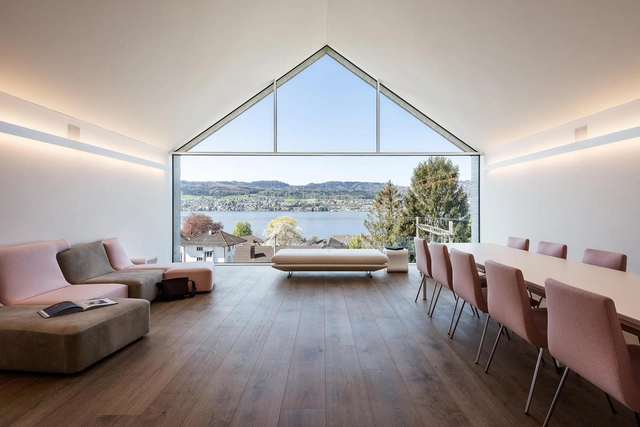
We love to fill our houses with wonderful creative decoration that brings us pleasure every time we enter a room. It’s these decorative features that transform a house into a home. But for those houses lucky enough to be surrounded by captivating landscapes, why shut out all that natural decoration only to replace it with interior imitations?
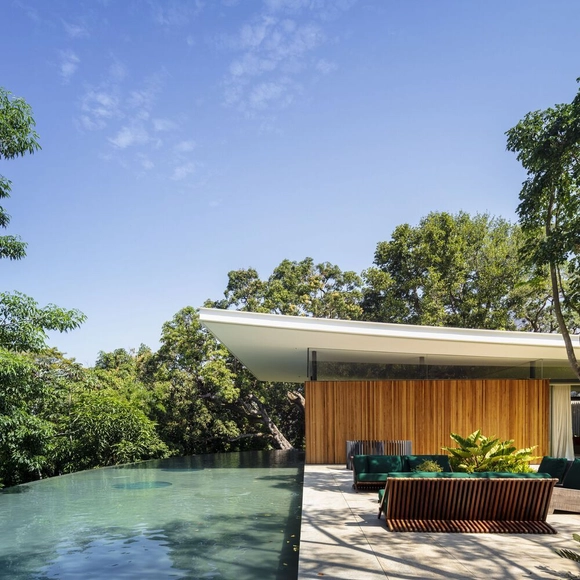
Using either glass partitions or ground-flush, floor-to-ceiling sliding glass panels, by inviting the environment in, specifiers can connect interior and exterior spaces for a deeper connection with nature, allowing the local landscape itself to become the largest interior in the home. Here is a selection of residential projects that use the latest innovations in sliding windows to form a relationship with the surrounding landscape:
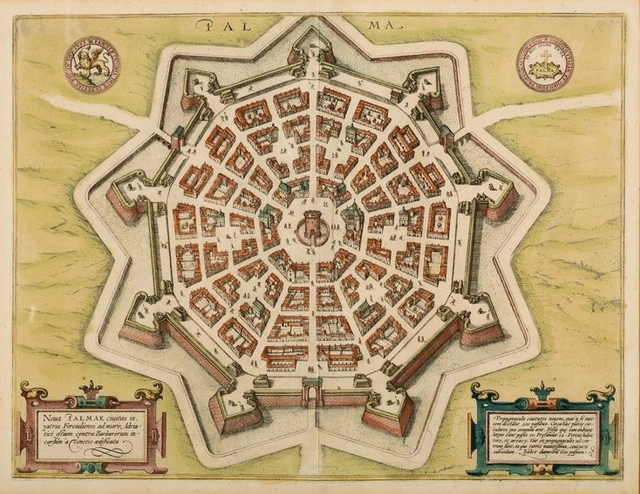
The concept of an “ideal city” is something that is often talked about today, as we look towards the future and think about what aspects of urban life we feel are most important for residents to thrive in a healthy community. However, ideal cities were conceived during the Italian Renaissance, as planners and architects prioritized rationale in their designs focusing on human values, urban capacities, and the recursive waves of cultural and artistic revolutions that influenced large-scale planning schemes.
After reading and compiling all the messages received, both from construction professionals, as well as students and those interested in architecture, it is time to present the main points of view. Thank you very much for your opinions!
Architectural filmographers 9sekunden have collaborated with David Chipperfield architects to create a short film about the extension the Kunsthaus Museum extension in Zurich, Switzerland. The feature shows visitors' journey through the new building, coming across the interactive installation "The Sense of Things" by renowned choreographer William Forsythe. Walking through the architecture, paired with the curiosity of the people entering the space, the film highlights the interplay of culture, urbanity, and the built environment of the city of Zurich.
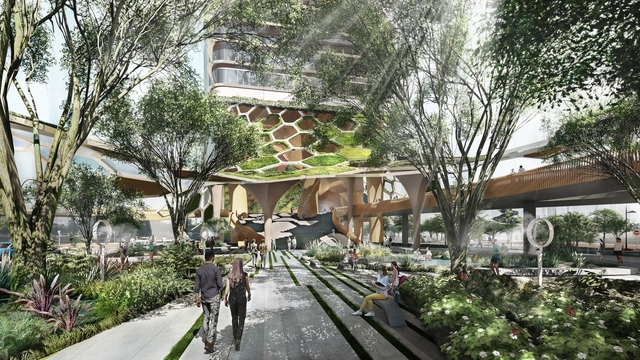
Ronald Lu &Partners revealed their new workplace concept, "Treehouse", an "eco-conscious integrated system" featuring biophilic elements, which capitalizes on wellness and aims to reconnect users with nature. The project is a response to contemporary workplace needs, as well as to current climate challenges, promoting carbon-positivity and net-zero operations through a blend of design, technology and smart management.
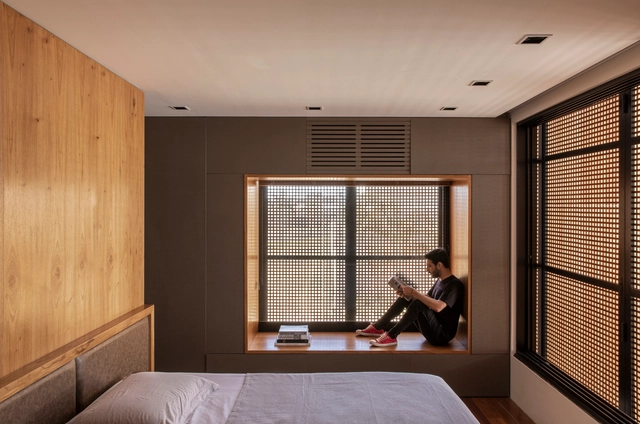
As one of the most intimate spaces of a residence, dormitories have had their use adapted over the years, especially after the Covid-19 pandemic. A space for relaxation that also needs to fit furniture, decorations and harmonize with the architecture. Here's a selection of ideas to get inspired and redesign your bedroom.
Aiming to provide inspiration, knowledge and tools, and always seeking to "empower all who make architecture happen to create a better quality of life" we summarise this year's topics by presenting the publications that most impacted our readers. Goodbye 2021, Hello 2022!
The security and dignity of a good-quality home is one of the most important and liberating qualities in society. For people experiencing financial or social pressures, many countries offer some form of public or social housing system. While there is no fixed definition for social housing, it often involves the design, construction, and allocation of housing by government authorities, or non-profit organizations.
Just as social housing systems differ throughout the world, so too does the architecture of social housing. A government’s outlook or priorities for social housing provision, which can differ between capacity, cost, sustainability, or urban regeneration, all contribute to unique responses by architects and designers. Below, we identify six systems from countries around the world, complete with architectural examples.
The Second Studio (formerly The Midnight Charette) is an explicit podcast about design, architecture, and the everyday. Hosted by Architects David Lee and Marina Bourderonnet, it features different creative professionals in unscripted conversations that allow for thoughtful takes and personal discussions.
A variety of subjects are covered with honesty and humor: some episodes are interviews, while others are tips for fellow designers, reviews of buildings and other projects, or casual explorations of everyday life and design. The Second Studio is also available on iTunes, Spotify, and YouTube.
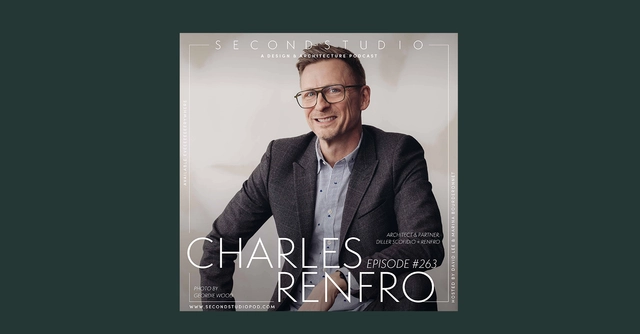
This week David and Marina are joined by Charles Renfro, Partner at Diller Scofidio + Renfro, to discuss Charles’ childhood and early interests in architecture, his education and linking ideas of sexual freedom with architecture, joining Elizabeth Diller and Ricardo Scofidio, becoming a partner at his office, his design philosophy, how New York has changed, and more.
Biodiversity has become ubiquitous in project descriptions as yet another mark of the design's environmental accomplishments. The increasing focus on sustainability, the standard inspired by the UN Sustainable Development Goals, prompts a deeper understanding of what biodiversity in urban environments means and how can architecture and urban design actively contribute to it. With species extinction rates soaring and urbanization over natural land continuing, cities become an essential factor in sustaining biodiversity, and the following explores how the built environment can foster multi-species habitats.
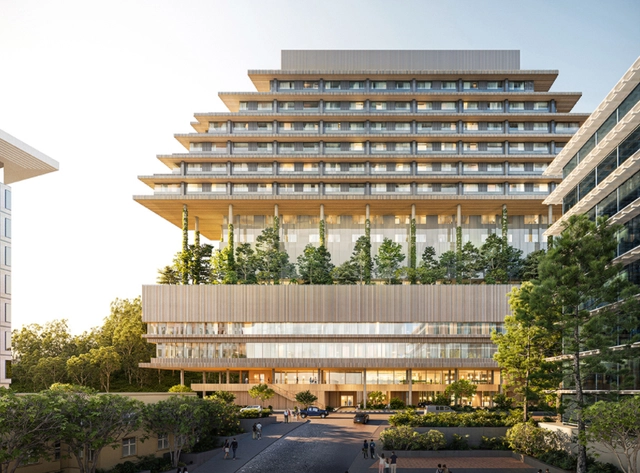
After being selected by the University of California San Francisco (UCSF) to design the new hospital of its Helen Diller Medical Center at Parnassus Heights in 2020, Herzog & de Meuron and HDR revealed new images of their design, featuring a 15-storey structure clad with terracotta across a 84,000 sqm plot. The proposed design aims to change the traditional concept of hospitals and provide members of the community with a healing space that puts in place “a holistic healthcare environment that fosters wellness and recovery by combining efficient facilities with human experiences, connected to nature and the community”.
In December, the European Commission adopted several proposals that put the transport sector on track for a 90% reduction in carbon emissions, moving a step further in implementing the European Green Deal. The initiatives seek to increase rail transport, encouraging long-distance and cross-border rail travel, support the roll-out of charging points for electric vehicles and alternative refuelling infrastructure and further develop multimodality.
With a production inspired by the legacy of Sérgio and Claudio Bernardes, from Rio, Bernardes Arquitetura is “fruit of a history that spans three generations with more than a thousand projects”. Created in 2012 by Thiago Bernardes, the office has over 7 partners and branches in Rio de Janeiro, São Paulo and Lisbon.











.jpg?1579214206&format=webp&width=640&height=580)
.jpg?1579212615 "St-Agatha-Berchem Sustainable Social Housing / Buro II & Archi+I. Image © Filip Dujardin")


.jpg?1579214206)