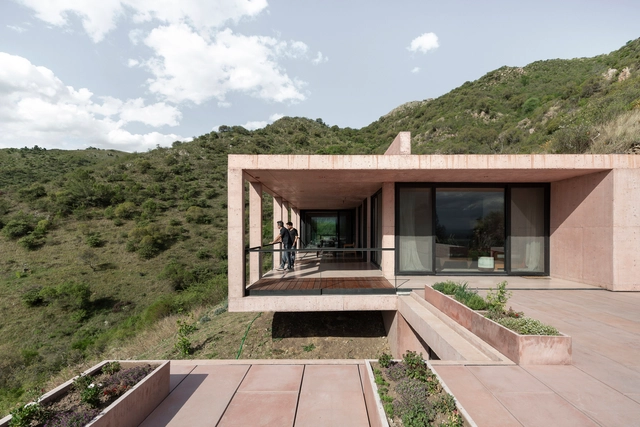
How relevant is the use of color in architecture? Throughout history, we find various scenarios where color takes centre stage in its integration with the architectural work. Nowadays this is no exception. This is because colour is a medium that can be used to provoke deep and immediate emotions and reactions in the person observing. Because of this, colour plays an important role in the architectural reading, as it has the power to clarify the components that make it up or, on the contrary, to change the perception of the work or space.
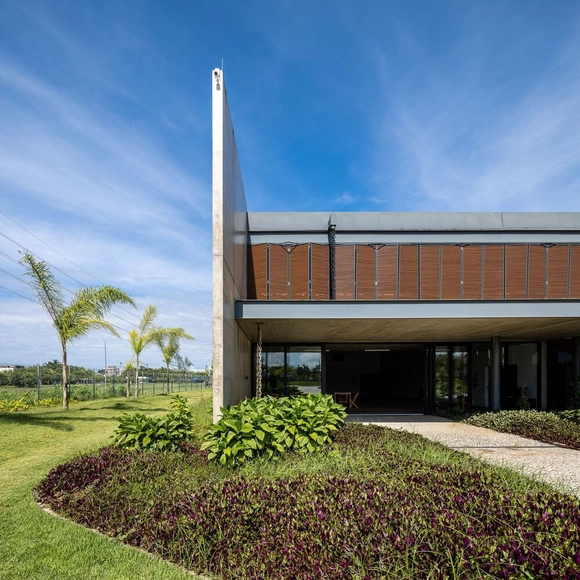
The following list shows various Latin American housing projects that have had a particular approach to color in their composition. In them, we see the conception of color as the integrator of the work, or as a means of enhancing a particular element, be it interior or exterior.
JW Marriott Hotel / Gensler. Image Courtesy of Gensler
Architectural Record has unveiled its list of Top 300 U.S. Architecture Firms of 2022, ranked by revenue for architectural services performed in 2021. Gensler, Perkins&Will, and HDR continued a three-year streak leading the annual rankingof the top 300 American architecture firms, joined by AECOM, which saw one of the largest reported increases in architecture revenue, rising from eighth to fourth place.
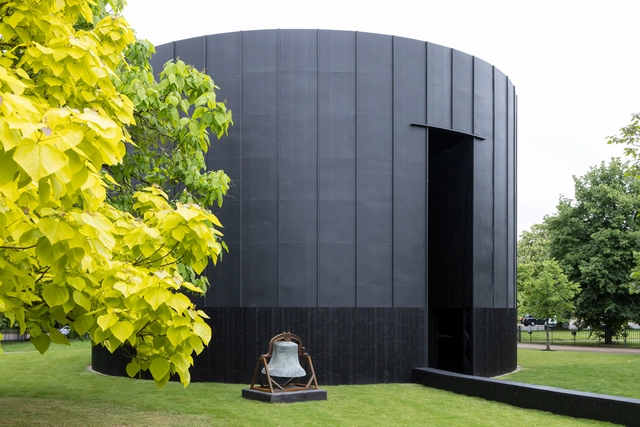
The 21st Serpentine Pavilion, Black Chapel, designed by Chicago-based artist Theaster Gates opens today, on June 10, 2022. On display until the 16th of October 2022, the project is realized with the architectural support of Adjaye Associates with Goldman Sachs’ patronage. In 2021, the Pavilion events program was planned to reflect Gates’ concept of interlinking architecture and music, particularly emphasizing artistic explorations of monastic sounds and hymns. The pavilion will act as a platform for Serpentine’s live program throughout the summer, offering the public space of reflection, connection, and joy.
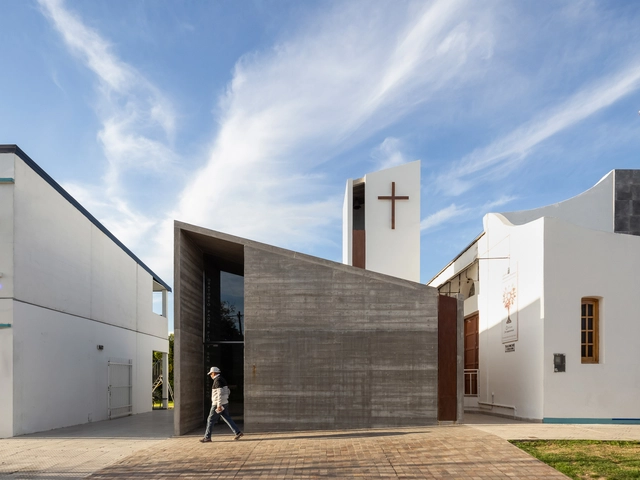
Few spaces are as intimate and contemplative as prayer rooms. Designed as both stand-alone structures and part of larger projects, prayer rooms are made as an architecture of introspection. Located within a house of worship or funerary space, or for their own dedicated purpose, these quiet rooms offer tranquil areas to consider life and the passage of time. Reflecting larger ideas on specific faiths and spirituality, they are designed as spaces of symbolism and sanctuary.
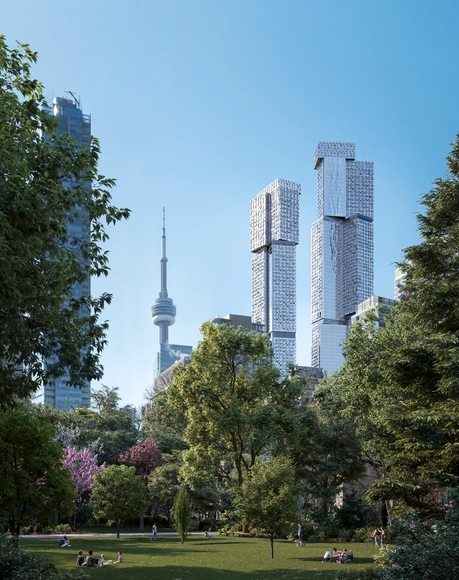
Great Gulf Group, Dream, and Westdale Properties, have unveiled renders of Frank Gehry's newest architecture in Toronto, Canada. Set to leave a mark on the city's skyline, Forma, the architect’s first residential tower in Canada and his tallest building yet rises 73 storeys and features a thoughtfully-appointed Gehry-designed lobby along with a striking custom art installation that reflects his visionary approach, as well as interiors by international design studio Paolo Ferrari.
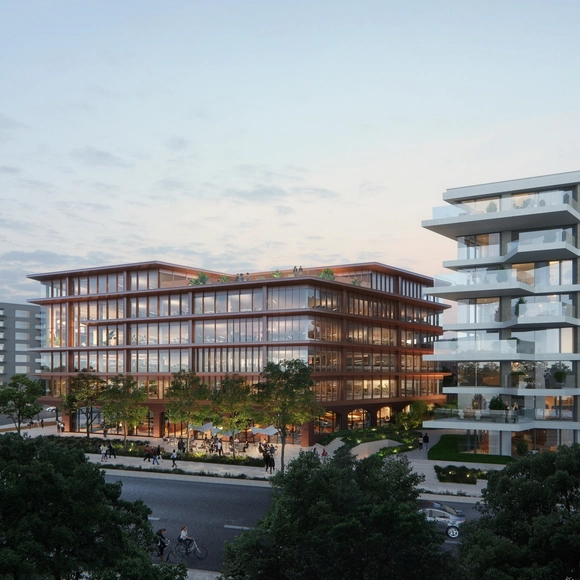
Powerhouse Company has revealed a new design for THIS., a new mixed-use development in Amsterdam’s North District. Overlooking the waterfront of the IJ river, the complex offers the necessary amenities for both working and living in an area close to the city center. The ensemble includes a new office building, two waterfront private sector residential buildings, and two social housing blocks containing a total of 2017 homes. A Hidden Garden, designed by Delva Landscape Architecture and Urbanism, connects the residential and office buildings, creating a space for leisure and social activities.
Headquartered in Belo Horizonte, Minas Gerais, the architectural firm Arquitetos Associados presents a dynamic and varied way of dealing with each project. Based on a specific and specific work organization for each case, which allows for a varied team including external collaborators, the firm's way of working reflects on its unique projects.
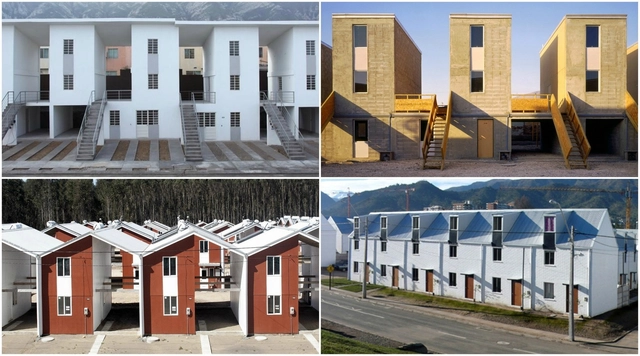
In 2016, Pritzker Prize winner Alejandro Aravena announced that his firm, ELEMENTAL, had released the rights to four of their social housing projects, and all documents would be uploaded to their website for public use. Aravena’s goal was to start a movement in which architects would work together to tackle the world’s challenges around housing shortages and affordability, especially with increased migration. The shared drawing sets and a description of the project’s principles provide architects with the necessary documentation for building a low-cost home, encouraging designers to do the same with their work, contractors to assist in building these homes, and governments to shift their thinking of how they can approach mass urbanization. Six years later, how has the concept of open-source architecture progressed, and how has it impacted the architectural profession ever since?
In 1782, Bangkok became the capital of Siam – as Thailand was previously known. Its strategic position within the protective curve of Chao Phraya River to the West and the vast, swampy delta of the Sea of Mud that secured the city to the East was key. King Rama I modeled the new city on what had been the urban reference of Thailand since the 14th century: Ayutthaya, which by 1700 had become the largest city in the world with a total of 1 million inhabitants.
Bangkok progressively saw the construction of temples (wats), schools, libraries and hospitals. However, few other typologies were erected and the city lacked significant paved streets. Instead, the river and a network of interconnected canals served as the transport infrastructure of the city. With time, the floating houses anchored along the riverfront decreased and the pavements spread.
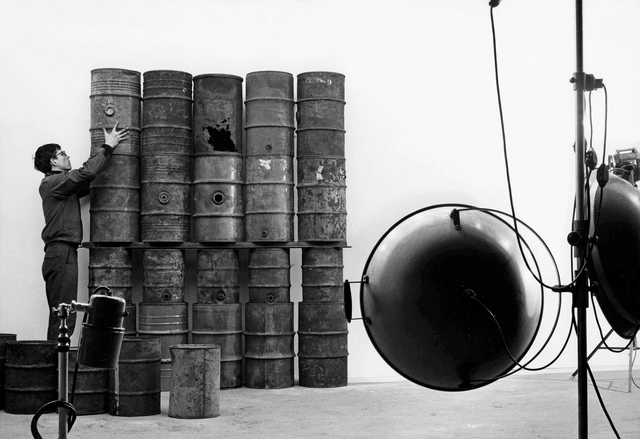
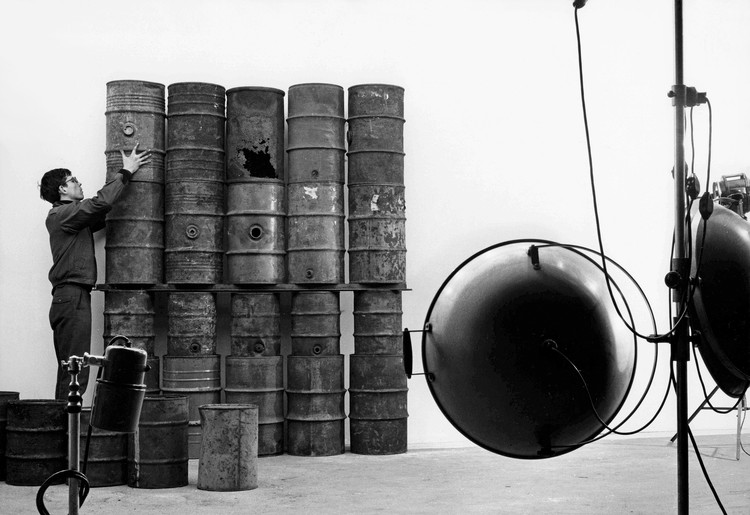
Gagosian Gallery Parishas announced an exhibition dedicated to Christo, presented in collaboration with the artist’s estate. Featuring sculptures made in Paris between 1958 and 1963, the exhibition features the earliest examples of Christo’s wrapped objects and barrel structures, many of which are exhibited for the first time, along with key works from his rarely shown Surfaces d’Empaquetage and Cratères series. The exhibition is open to the public on June 10, displayed across two floors of Gagosian’s rue de Ponthieu gallery, near Christo’s first Paris studio.
"La Curutchet habitada" is the title of a forthcoming book that records research developed by the Department of Interior Architecture and Furniture of the Instituto de Proyecto de FADU-Udelar, Uruguay, of which we share a small preview originally published in the magazine Summa+ 189 in December 2021.
Most of us use stairways every day, but few times do we stop to contemplate their design or put much thought into their function. With their steps, treads and railing, they are easily one of the most fundamental architectural elements in any home. Apart from providing a safe, simple and easy access from one floor to another, it is through staircases that architects create unique spatial forms and strong visuals. From afar, one can observe people moving up and down repeatedly; from within, the user is treated to new angles and ways to perceive a space. Therefore, good staircases are more than just means of vertical circulation. Through their might and scale, they can become the protagonist of a space – a design focal point that rises to the level of art. In this article, we present their versatile characteristics and material qualities through a selection of inspiring examples, all of which can be found in Architonic's 'Staircases' section.
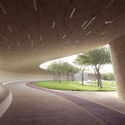
Ma Yansong, principal partner of MAD Architects, have revealed his latest artwork "Flow" at the recently opened 8thEchigo-Tsumari Art Triennale. Taking place this summer in Japan, the installation reinvents part of the “Tunnel of Light” artwork that was completed back in 2018. Through a series of immersive platforms, the architects abstracted and captured the spirit of the Kiyotsu River, providing visitors with an immersive and dynamic spatial experience. The Triennale hopes to improve the local economy through art, and promote a more harmonious relationship between human and nature.
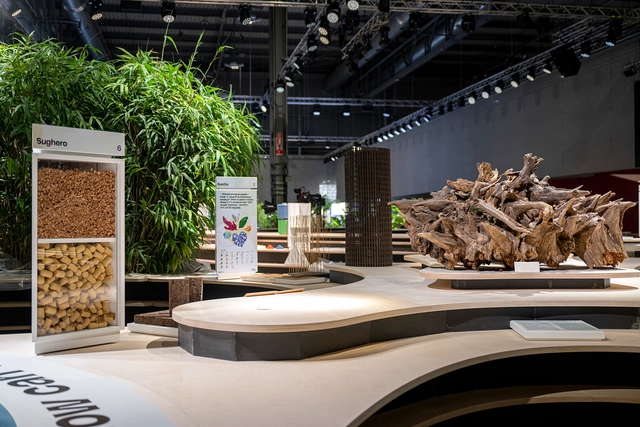
The 60th edition of the Salone del Mobile.Milano is taking place from 7th to 12th June 2022 at Rho Fiera Milano. This edition has been built collectively around fundamental trains of thought and work: the opportunities and responsibility of design, inclusion and environmental responsibility, demand for and the culture of design. It will serve as a showcase for the progress made by creatives, designers, brands, and companies.
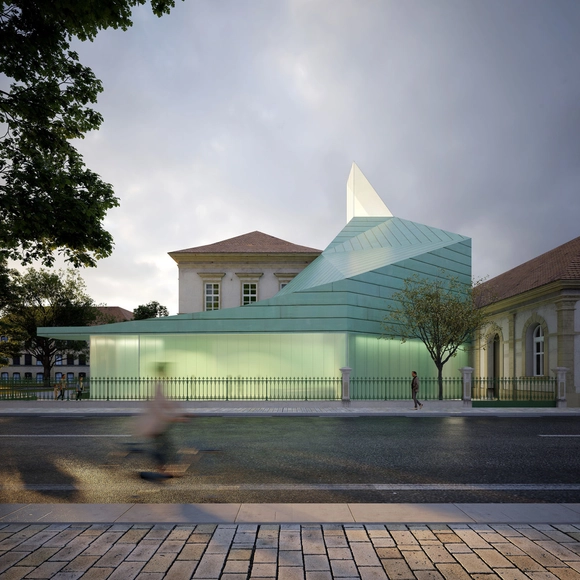
Steven Holl Architects, in collaboration with Marcela Steinbachová and SKUPINA Studio, have won first place in the international competition of the Terezín Ghetto Museum in Czech Republic. Founded in 1780 as a military fortress, Terezín served as a Jewish Ghetto during World War II where an estimated 33,000 people died. The existing Terezín Ghetto Museum honors individuals who have lost their lives with a new design that is set to serve as a memorial of hope and light.
Kyiv, Ukraine, September 2021: Maidan Nezalezhnosti square - aerial drone view. Monument of Independence.. Image via Shutterstock
Friday, June 3, marks 100 days of war in Ukraine. One of the many devastating effects has been de destruction of urban and rural environments. Ukraine’s cultural and architectural heritage is under threat. As of 30 May, UNESCO has verified damage to 139 sites affected by the ongoing hostilities. The list includes 62 religious sites, 12 museums, 26 historic buildings, 17 buildings dedicated to cultural activities, 15 museums, and seven libraries. According to UNESCO, the most affected buildings included in the list are in Kyiv. Still, damages are also found in the regions of Chernihiv, Kharkiv, Zaporizhzhya, Zhytomyr, Donetsk, Lugansk, and Sumy. This represents a preliminary damage assessment for cultural properties done by cross-checking the reported incidents with multiple credible sources. The published data will be regularly updated.
If, on the one hand, bathrooms have a certain rigidity when we think about the layout and their spatial arrangement, it is in the floor and wall coverings that this logic is inverted. With the wide variety of models and patterns available on the market, ceramic tiles and porcelain tiles are often used to give quality and identity to space. At the same time, the ease of access to ceramic and porcelain tiles, as well as their ease of installation, end up conditioning our choices, making it difficult to think of other finishing possibilities for these areas.




















.jpg?1654265144&format=webp&width=640&height=580)
.jpg?1654270304&format=webp&width=640&height=580)
.jpg?1654267729 "© Nacasa & Partner Inc.")
.jpg?1654267902 "© Osamu Nakamura")
.jpg?1654268521 "© MAD Architects")
.jpg?1654267426 "© Nacasa & Partner Inc.")
.jpg?1654270304)