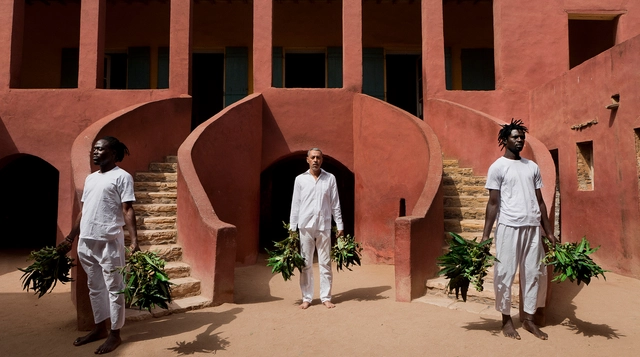
Ayrson Heráclito, "O Sacudimento da Casa da Torre e o Sacudimento da Maison des Esclaves em Gorée", 2015, video installation. courtesy of the artist
Questioning the canonical history of architecture and shedding light on long-invisible spatial practices, Gabriela de Matos and Paulo Tavares propose the exhibition “Terra” [Earth], at the Brazilian pavilion at the Venice Architecture Biennale 2023. "It's our way of shaking things up," say the curators, who turn their attention to ancestral ways of dealing with the land, aiming for more fair and complete possibilities for the present and future.
Addressing "earth" in all its meanings, the curators overlay issues related to soil and territory with the planetary problems. They propose an approach to reparations and decoloniality - emerging in Brazil - with broad topics such as decarbonization and the environment, decisive in the contemporary global debate. The Brazilian Pavilion titled Terra [Earth], won the Golden Lion for Best National Participation at the 2023 Venice Architecture Biennale, on Saturday 20th of May, selected by a jury comprising Italian architect and curator Ippolito Pestellini Laparelli as president, Nora Akawi, Thelma Golden, Tau Tavengwa, and Izabela Wieczorek.
https://www.archdaily.com/1001311/earth-as-ancestral-and-future-technology-an-interview-with-gabriela-de-matos-and-paulo-tavares-curators-of-the-brazil-pavilion-and-winners-of-the-golden-lion-at-the-2023-venice-biennaleRomullo Baratto e Victor Delaqua
Architecture involves mobilizing several aspects of the environment where the building is located: the socio-cultural, political and economic context, aesthetics, legislation, and functionality. Functionality includes use efficiency, occupancy, and comfort. Laurent Troost's work has shown the articulation between these various factors, with particular attention to comfort, especially thermal comfort. His projects prioritize natural ventilation over artificial air conditioning, which has become almost mandatory in current city models.
Environmental issues urgency and increasing temperatures on the planet are nothing new. There are many factors contributing to environmental degradation. However, two can be viewed as representative of critical points in the current world system: plastic and waste disposal, better known as garbage.
The environmental crisis cannot be attributed solely to these two examples. They are used here as examples to mobilize issues involving multiple agents, materials, and diverse methods. These issues lead to devastating consequences, increasingly irreversible.
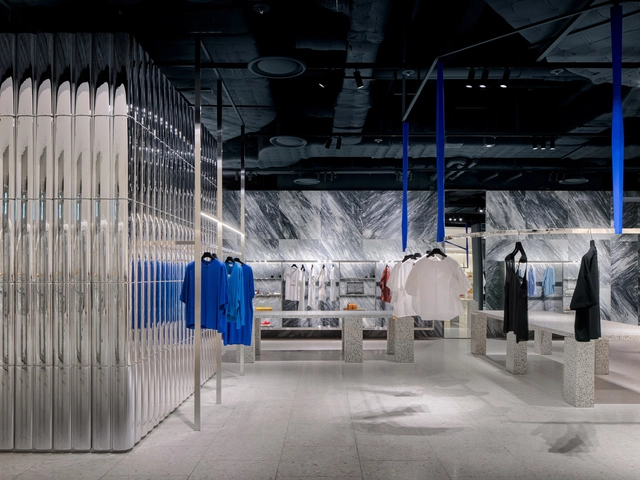
Within the realm of commercial architecture, the design of spatiality can adopt multiple approaches, conceiving proposals that achieve a balance between aesthetics and functionality. Taking into consideration that various cultural variables, social tensions, and economic interests are involved, the construction of these spaces directly involves the interaction between users, brands, and their products, participating in the experience on-site from colors and materials to lighting, climate control, sounds, aromas, and more.
The history of architects designing resorts is intertwined with the development of the hospitality industry and the concept of leisure travel. The origins can be traced back to ancient times when the Romans built luxurious villas and bathhouses as retreats for the wealthy. However, the modern notion of resorts emerged during the 19th century with industrialization and the growing middle class seeking recreational experiences.
At a very high standard of luxury, resort hotels provide an immersive and rejuvenating vacation experience. These resorts are frequently rooted in beautiful landscapes in remote locations, often containing full-service accommodations, offering escapism and complete disconnection. Architects have continued to shape the resort landscape in recent decades with their designs. Sustainability and integration with natural surroundings have gained importance as architects strive to create environmentally conscious and immersive resort experiences.
As world governments grapple with environmental crises, the construction industry rushes to reevaluate sustainable design and develop new ways of measuring its efficiency. Consequently, green building certification systems (GBCS) started gaining traction in the 20th century to evaluate and promote sustainable construction practices. The Global South faces distinctive challenges in building sustainable cities. Its developing nations demand an exclusive approach to designing an appropriate, economical, and inspiring architecture for their promising futures.
The Second Studio (formerly The Midnight Charette) is an explicit podcast about design, architecture, and the everyday. Hosted by Architects David Lee and Marina Bourderonnet, it features different creative professionals in unscripted conversations that allow for thoughtful takes and personal discussions.
A variety of subjects are covered with honesty and humor: some episodes are interviews, while others are tips for fellow designers, reviews of buildings and other projects, or casual explorations of everyday life and design. The Second Studio is also available on iTunes, Spotify, and YouTube.
This week David and Marina, Partners at FAME Architecture & Design discuss the livability of designer homes. The two cover designing for function and aesthetics, material resilience, lifestyle changes, space efficiency, designing based on reference images, and the benefits of adapting to design-forward living environments.
https://www.archdaily.com/1001273/the-second-studio-podcast-the-livability-of-designer-homesThe Second Studio Podcast
February 20th marks a new edition of the World Day of Social Justice. The theme, "Overcoming barriers and unlocking opportunities", is a perfect occasion to reflect on the importance of equity in all areas of society - and especially from architecture and urbanism. And yes: they both have a fundamental role in building accessible cities and are important tools for addressing the challenges of economic inequality and social exclusion.
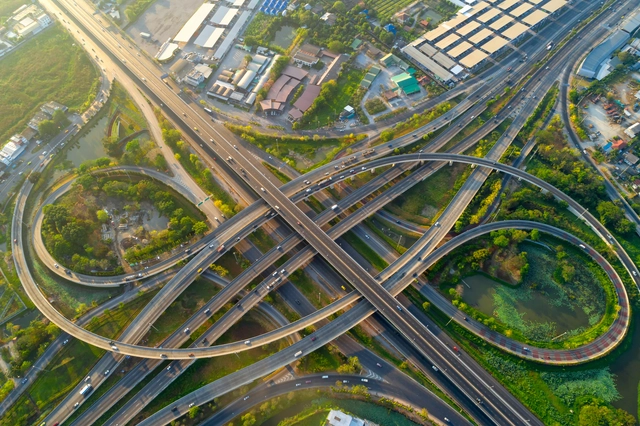
Highway interchanges have evolved from important infrastructures that help distribute traffic to unique landmarks that define cities. As multiple road networks embrace and form distinctive sculptures, these road intersections range from singular bridge connections and roundabouts to numerous, layered and multi-layered interchanges. They twist, turn, loop, and wrap around sparse land, vegetation, or existing structures in a bid to transfer travelers from one roadway to another. However, they also create a moment of enclosure, forming partially bounded areas and a sense of space. These spaces could be viewed as liminal and transitional, with no fixed typology able to be hosted. But that blurring character calls for ideas of urban intervention to disrupt the notion of what these spaces can be. They can be readapted from car-dominant sculptures into more human-friendly places and re-integrated as extended schemes of the city's architecture.
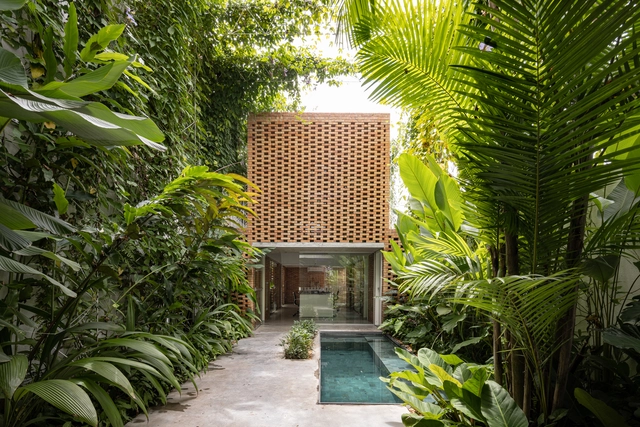
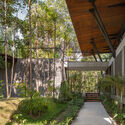
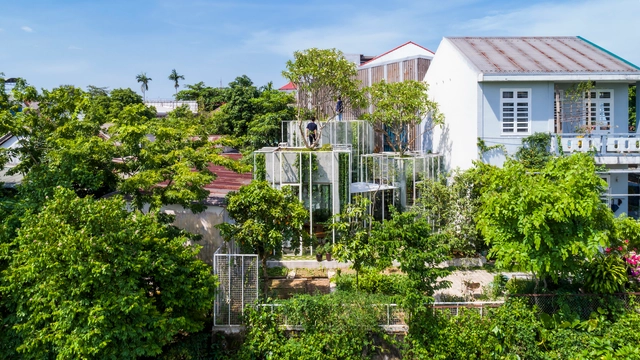
The tropical climate is famous for its exuberant flora. It's no wonder that architectural projects in the region maintain a constant dialogue between nature and the built environment. Biophilia's benefits to users are not news, after all. However, high temperatures, frequent rains, and high humidity levels present unique challenges for reconciling the connection between the interior and exterior with the construction of houses that are comfortable and efficient over time. In the search for solutions that meet needs and demands, we have selected residential projects that appropriate the context to become unique in this environment.
The Graham Foundation has announced the award of 64 new grants to individuals exploring innovative and interdisciplinary ideas that contribute critical perspectives on architecture and design in 2023.
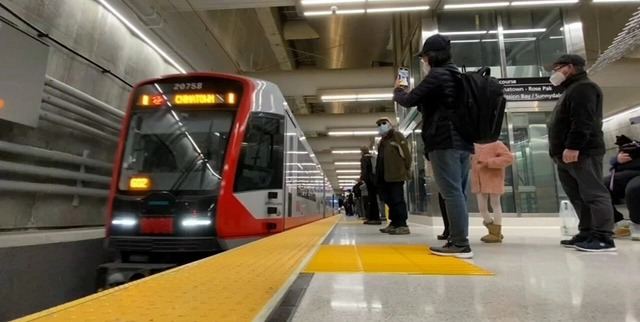
When San Francisco’s MUNI spent big money on a “central subway” to Chinatown, I was doubtful. One recent Saturday, though, I revived the gallery-hopping I did before the pandemic, taking the train from Berkeley into the city, walking to one gallery near Embarcadero Station, then taking a tram past the ballpark to the CalTrain Station, where I switched to another tram to head south to Minnesota Street’s Dogpatch cluster of galleries and artists’ studios.
https://www.archdaily.com/1001256/consider-the-15-mph-cityJohn J. Parman
One of the primary functions of architecture is to provide shelter, fulfilling the physiological and safety needs at the base of Abraham Maslow's hierarchy of human motivation. Throughout history, the need for shelter has been evident in our ancestors’ behavior, who sought refuge in caves to protect themselves from weather conditions and predators. As societies shifted from a nomadic to a sedentary lifestyle and basic needs were easily met, shelters became more advanced, evolving into purpose-built spaces. These early shelters withstood the elements of their time and laid the foundation for modern architecture as we know it today.
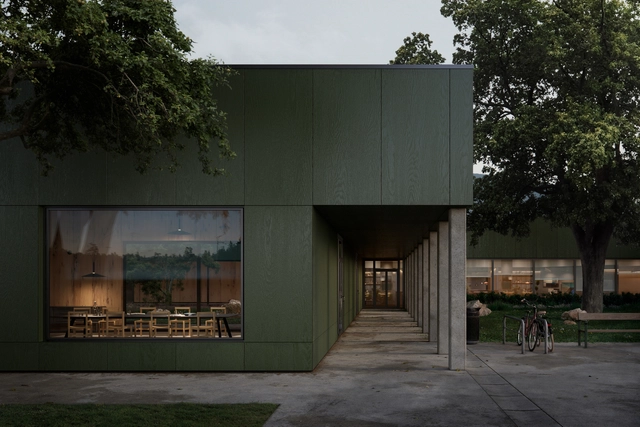
Today, extreme weather conditions due to climate change are testing cities, buildings and materials. Venice is flooding, and the Svalbard Global Seed Vault is experiencing melting ice. Without action, conditions will continue to worsen, increasing the need for efficient strategies that allow us to coexist with the environment and to develop more resistant materials for our buildings. An example of these materials of the future is NATURCLAD-B, a high-quality, maintenance-free wood panel system designed for architecture, interior design and construction.
https://www.archdaily.com/1000043/climate-proof-architecture-supertextured-cladding-for-extreme-conditionsEnrique Tovar
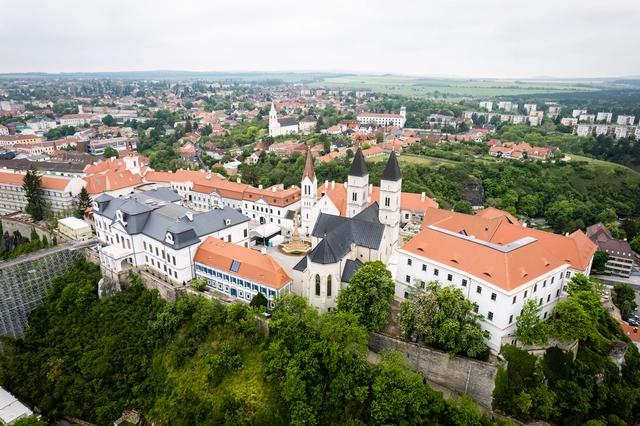
Though lesser known, the Hungarian city of Veszprém is one of the oldest and most important cities in the country. Designated as the European Union Capital of Culture for 2023, Veszprém boasts a longstanding history, visible through its evolving, yet well-preserved architectural monuments. In fact, one of the first notable observations as one walks through the city streets is its eclecticism and layers of historically diverse buildings, that sporadically arise. Despite the difference in styles and architectural languages, they collectively tell the story of the county and its spiritual and political relevance. Its pedestrian-friendly streets, many parks and public spaces, connect the Veszprém monuments, as one delves into a historic promenade.
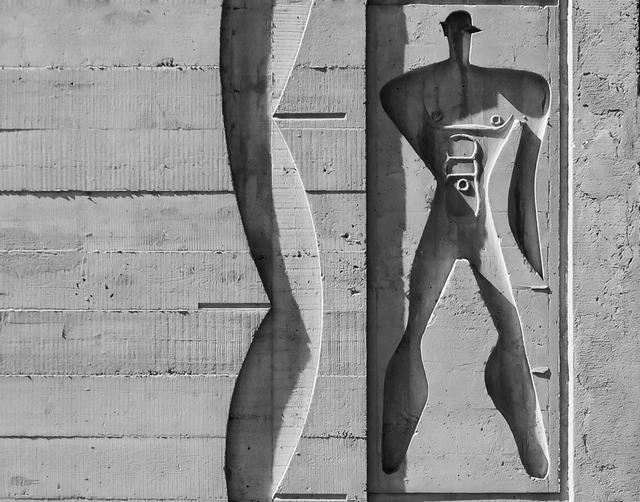
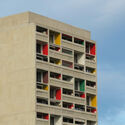
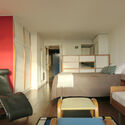
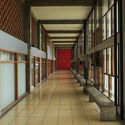
The infamous Unite d' Habitation, the first in Le Corbusier's new line of housing projects that emphasized community living for all the residents, was completed in 1952. For its 70th anniversary, world-renowned photo artist Paul Clemence reveals a unique photo series of the building as it stands today. The photographs honor the construction that initiated the brutalist movement and showcase the infamous project's current condition.
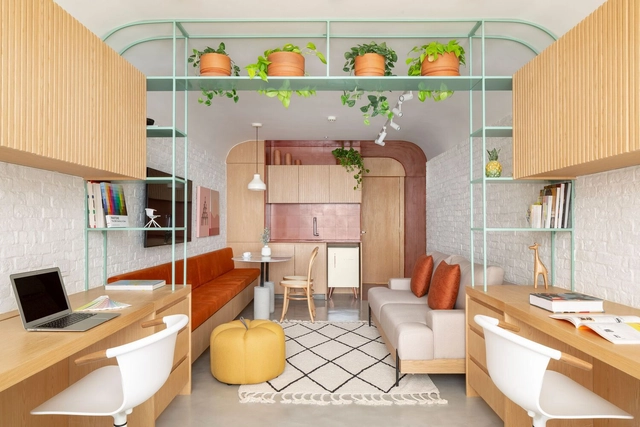
Making a space more practical, facilitating daily tasks, creating unity in interior design, providing different possibilities for an area without modifying it, and adding beauty are not easy tasks. Still, some elements are essential for achieving them: cabinets and shelves.
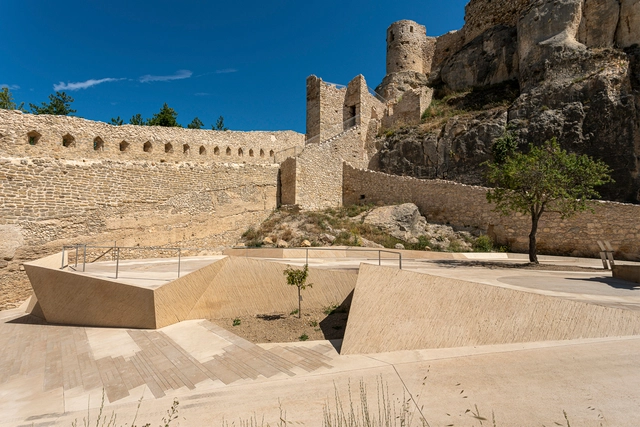
On the occasion of the sixth edition of the AHI European Heritage Intervention Award, the 26 selected projects within the categories of Built Heritage and Outdoor Spaces have been announced, among a total of 241 projects submitted from 28 different European countries.
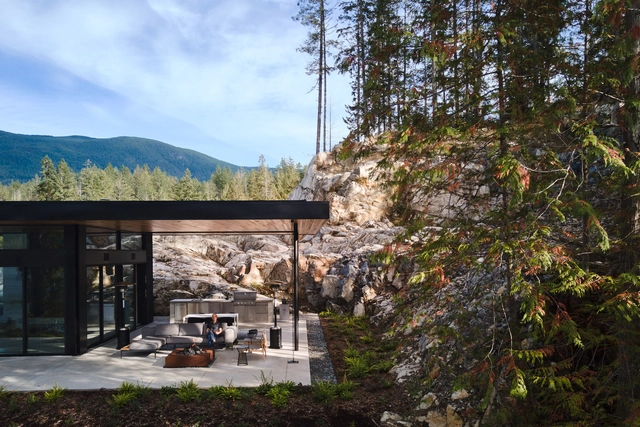
The weather across the northern hemisphere is getting warmer, and with rising temperatures comes the urgent need for many of us to spend as much time outside as possible. While a variety of outdoor activities bring with them their own sense of accomplishment and relaxation, one in particular combines feelings of leisure, indulgence and community: outdoor cooking. But how did this tradition start? And what has it evolved into?