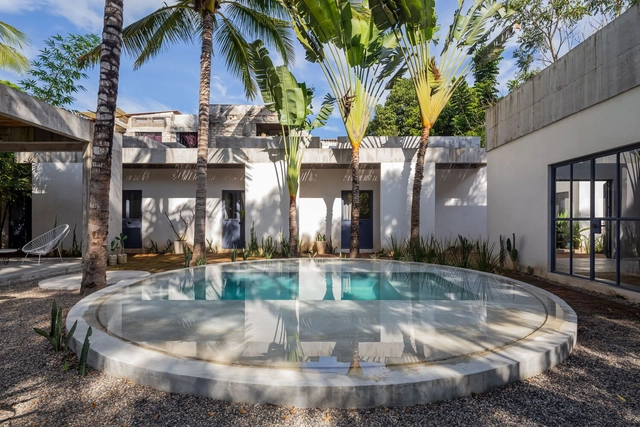
Sayulita is a small beach town in Nayarit, a state located in the western region of Mexico. It is a locality of about 3,390 inhabitants that has grown significantly in the last decade due to tourism, mainly from the United States and Canada, who are attracted by the landscapes and waves that have made it one of Mexico's main surfing destinations.
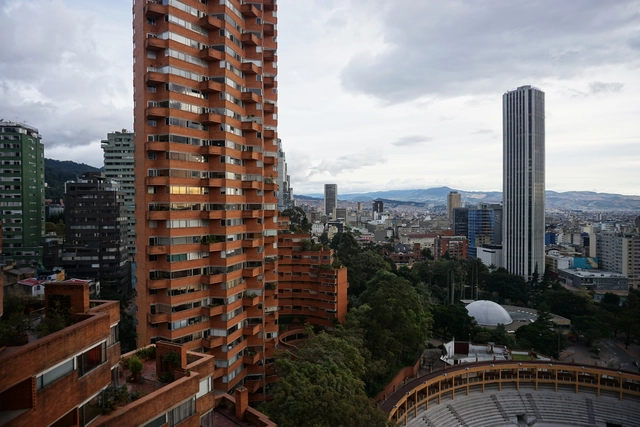
Bogotá is a metropolis that celebrates the convergence of different architectures, reflecting a significant part of Colombia's diverse culture and geography. Limited by the Eastern Hills, it is not only one of the highest capitals in the world, reaching almost 2,600 meters above sea level, but its history dates back to its foundation as the center of the New Kingdom of Granada in the year 1538.
This guide aims to provide an overview of its colonial, modern, and contemporary architecture, highlighting its main buildings and architectural points of interest. From its civic spaces to renowned public projects such as museums, libraries, and cultural centers, this list of 30 sites showcases works by modern architects like Rogelio Salmona and Germán Samper, as well as contemporary ones like Equipo Mazzanti and TAB. We hope it helps you get to know the city!
The 18th International Architecture Exhibition of the Venice Biennale, inaugurated on May 20th, is truly embodying its theme: "The laboratory of the future". Presented by the main curator Lesley Lokko, it invited "architects and professionals from an expanded field of creative disciplines to draw examples from their contemporary practices that would pave a path for the audience to move forward, imagining for themselves what the future may hold."
The Chilean pavilion, curated by Gonzalo Carrasco, and Alejandro Beals, as well as Loreto Lyon (Beals Lyon Arquitectos), was centered on "Moving Ecologies." The exhibition presented the current challenges regarding ecological repair and restoration, focusing on the study of soil recovery processes using endemic seeds.
https://www.archdaily.com/1003230/moving-ecologies-the-future-will-not-only-be-built-but-also-sown-and-plantedArchDaily Team
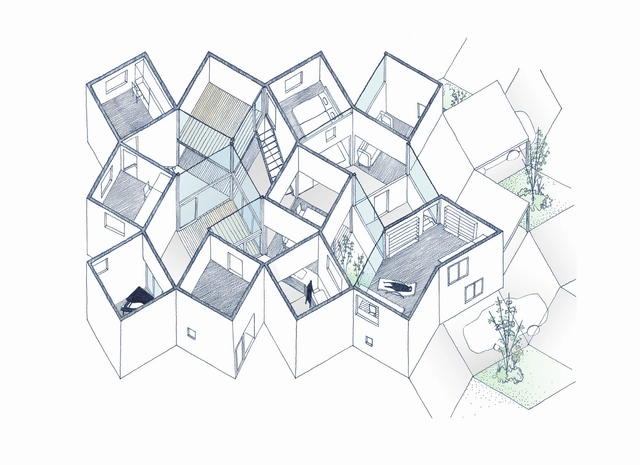
Contemporary family living setups mean parents and grandparents in need of care, teenagers and young adults in need of independence, and homeowners in need of the financial security of a guaranteed passive income are all finding themselves in the same situation, and under the same roof. With little extra space to move into, and few options in an increasingly squeezed housing market to move out to, the simple solution is just to add another roof.
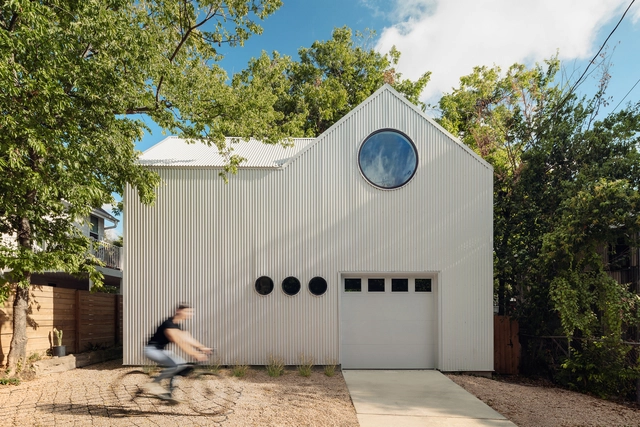
For those in the market for more functional floorspace, detached single-story ADUs (accessory dwelling units) are a simple way to boost a home’s usability fast, while avoiding the regulatory wranglings inherent in more complex structural adaptations.
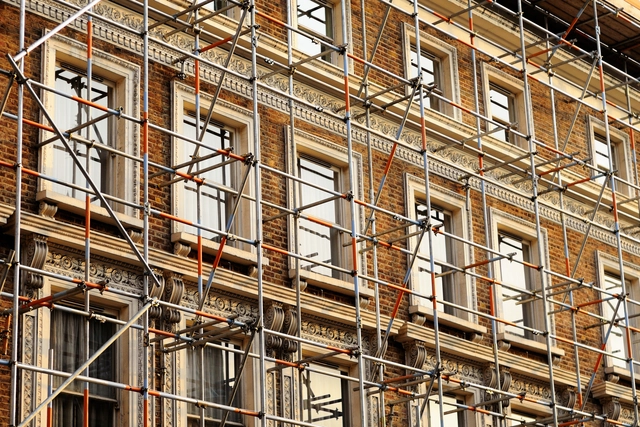
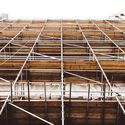
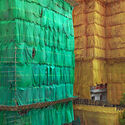
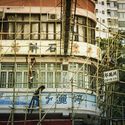
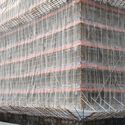
As one takes a visual tour through the city, one might spot structures that break the rhythm of finished architectural products. These are buildings encased in grids of metal or wooden sections, sometimes wrapped in colored nets, that communicate a moment of construction, repair, renovation, or demolition. They are called scaffolding systems, temporary structures built in the city to aid in the erection or maintenance of buildings. However, they have evolved to speak their own architectural language. As city-making is a continuous process, scaffolds serve as beacons, proposing silhouettes of the height, shape, or forms of new buildings. They step into the sidewalks, acting as shade or obstructions to the flow of human and vehicular traffic. In contrast to the permanence of architecture, they exhibit a sense of temporality that helps communicate time, the growth of neighborhoods, and the evolution of a city.
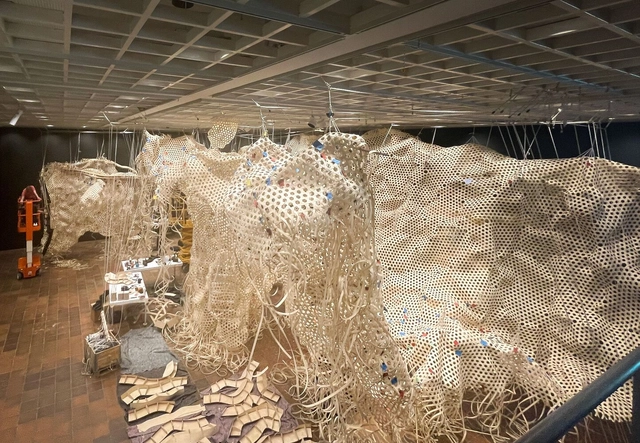
Courtesy of Abeer Seikaly | Photo by Hussam Da’na.
A group of 31 architects, studios, and designers have been invited to participate in the Sharjah Architecture Triennial from 11 November to 10 March 2024. For its second edition, the Triennial aims to explore innovative design solutions emerging from conditions of scarcity in the Global South. The participants, representing 27 countries, offer a diverse and international response to the theme, addressing its implications for the future of architecture. The Triennial is curated by Tosin Oshinowo and revolves around the theme "The Beauty of Impermanence: An Architecture of Adaptability."
The final installment of The Architect's Studio series at the Louisiana Museum of Modern Art showcases the works of Cave_bureau, an architectural studio from Kenya. The exhibition explores the volcanic caves of Kenya, emphasizing the concept of "reversed futurism." Cave_bureau believes that by studying the past, they can develop sustainable solutions for the future.
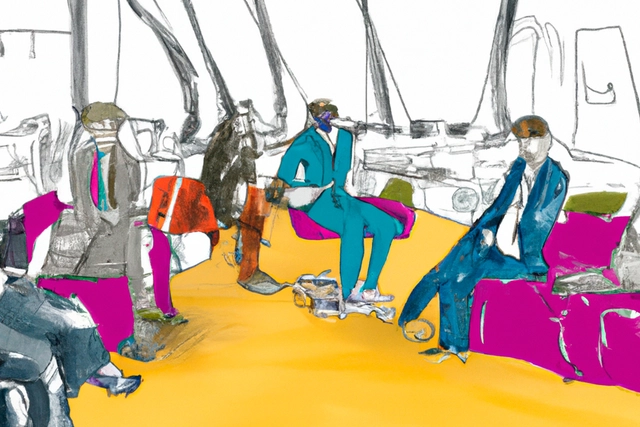
Image created in DALL-E by Lucas Reitz under the prompt: "an illustration of shopping mall sitting and waiting areas with couches and arm chair only occupied by white middle class men"
Space as a gender adjacency and sexuality's spatial dimension are recent themes in architecture. The case of the bathroom as a gender-regulating device is a constantly discussed topic at the intersections of queer theory in architecture. The discussion is even broader within LGBTQIA+ guidelines.
Recently, I resolved that I wasn’t going to be drawn into the silly posturing about how ChatGPT would take the jobs of every experienced architect on earth before 2030, but an intelligent post on this website by Geethanjali Raman and Mohik Acharya broke that resolve. What isn’t being stressed is that algorithms that sample internet-based information are only as good as the quality of that information. Architectural history suggests that all new things have a shelf life, quickly fading from view after being hyped. Only the best will persist after a lengthy period of evaluation and criticism. Any new architecture widely praised and available since the rise of the internet is likely to be untested by time and thus not worth using as a benchmark. And let’s face it: Some of the worst buildings ever designed by humans are out there in cyberspace, crowding out better ones that haven’t yet been digitized.
https://www.archdaily.com/1003243/architects-must-resist-the-ai-revolutionMark Alan Hewitt
In this fifth feature, we met with co-chairs of design for Inclusivity architect Magda Mostafa, Professor of Design, Department of Architecture, the American University in Cairo and architect Ruth Baumeister, Associate Professor of Theory and History, Aarhus School of Architecture.
Courtesy of Aranya Theater Festival, MAD Architects Qi Ziying
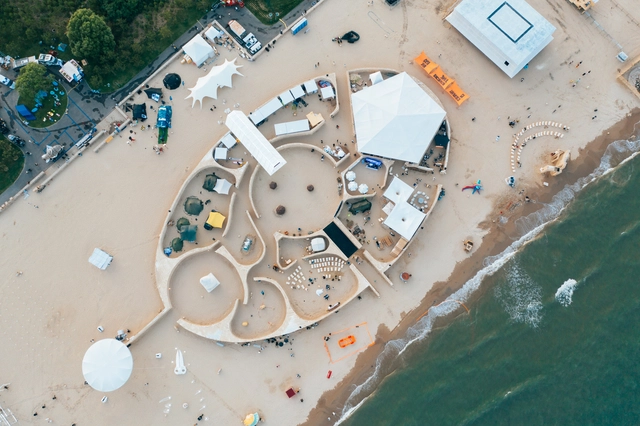
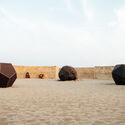
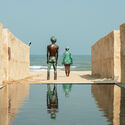
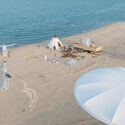
Ma Yansong revealed The City of Time, a performance space and the location of a 300-hour artist residency created for the Aranya Theater Festival in China. Following the metaphor of avian migration, the Migratory Birds 300 is an artist residency program that brings together 300 creators from diverse fields and backgrounds. From June 12 to June 25, Ma Yansong’s architectural intervention will host a wide array of artistic expressions, including shows, installations, sculptures, performance art, paintings, and videos, including 131 group works and 194 individual projects.
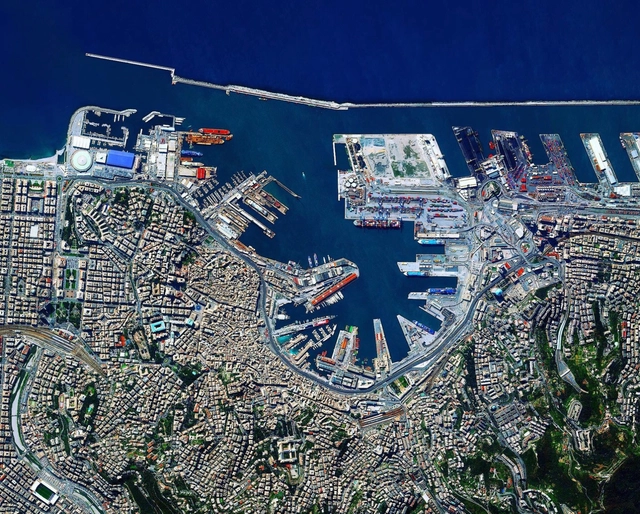
Genoa, Italy. Created by @dailyoverview. Image source: @maxartechnologies
The installation of commercial ports in various locations around the world, especially at the beginning of what we now call globalization, was a preponderant and structuring factor for the foundation of numerous cities. Thus, discussing the relationship between certain cities and their ports is also discussing their history, formation, and development over time, as these areas played a fundamental role in the growth of trade, the economy, and inevitably urban life, making these cities vital and strategic centers of cultural, commercial, and social exchange.
In architecture, drawing is a technical and artistic expression that involves creating visual representations using various analog instruments. While drawing remains relevant and current in practice today, efforts have been made to carry out architectural tasks and studies more efficiently. The drafting machine, a significant development in this regard, enabled precise strokes using fewer instruments. However, the emergence of computational tools, such as computer-aided drafting (CAD), has revolutionized the workflow by leveraging the advantages offered by computers. Architects can now play a more direct and creative role in the design process, reducing their reliance on time-consuming drawing and repetitive tasks. Moreover, workflow enhancements have fostered more effective collaboration among different stakeholders in the architectural process.
https://www.archdaily.com/1001757/generative-space-design-exploring-8-transformative-tools-in-architectureEnrique Tovar
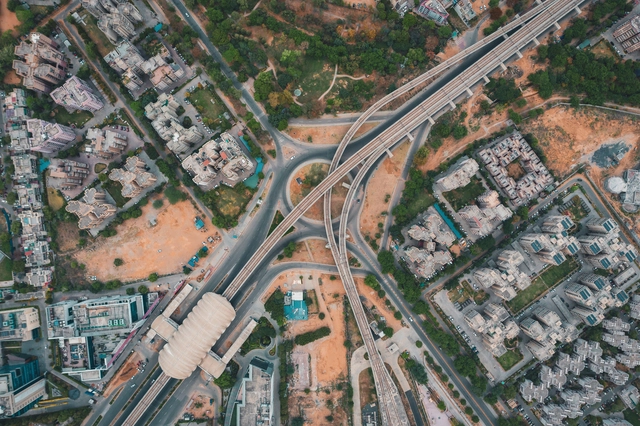
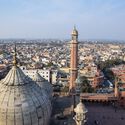
India has witnessed a surge in urbanization and population growth. As a result of natural population growth and migration, the megacities of India have experienced a continual increase in their residents. Standing as the most populous country in the world, India is at a critical junction, grappling with opportunities and challenges in molding its built environment. Population boom, however, is not a recent predicament but a persistent one that has spanned over a century. How have Indian cities dealt with population growth and the complexities it brings?
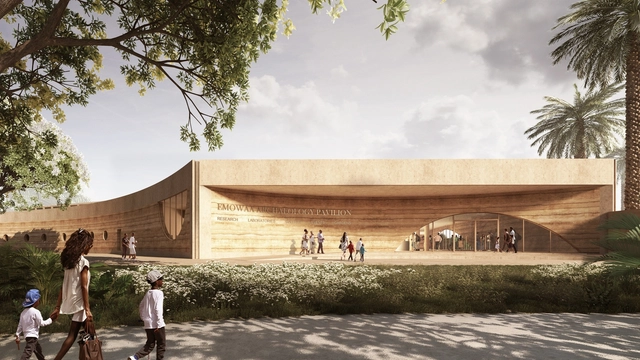
The Museum of West African Art (MOWAA) has just unveiled a 20-acre project for a Creative District in the historic center of Benin City in Edo State, Nigeria. MOWAA, in collaboration with Adjaye Associates, is planning to establish a comprehensive environment dedicated to the artistic and cultural realms of the past, present, and future. The space provides support and collaboration opportunities for young professionals in the creative and cultural fields while also fostering partnerships with institutions throughout West Africa. At the heart of the project is the Creative District’s role in contributing to economic growth and development.
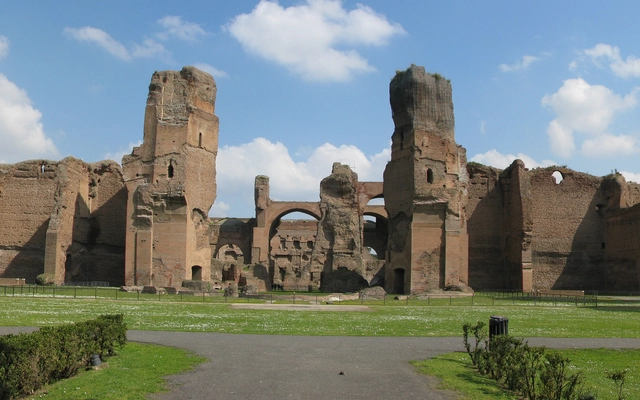
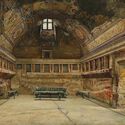
Within the canonical architecture, Vitruvius' treatises are the first treatises known. In addition to discussing the intellectual and cultural formation, interests, and sensitivity of the architect, or the "sacred" triad of architecture - venustas, firmitas, and utilitas (beauty, solidity, and functionality) - the treatise describes a design method, a kind of manual for Roman construction at the time. Complex and sophisticated, Roman architecture presented a variety of buildings with several functions. Among them were thermal baths, which did not escape Vitruvian prescriptions.
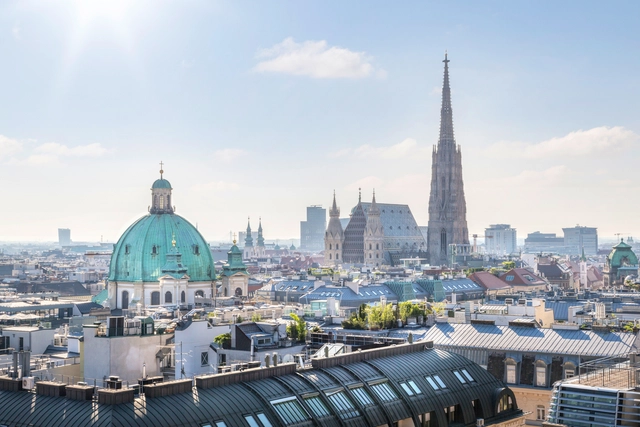
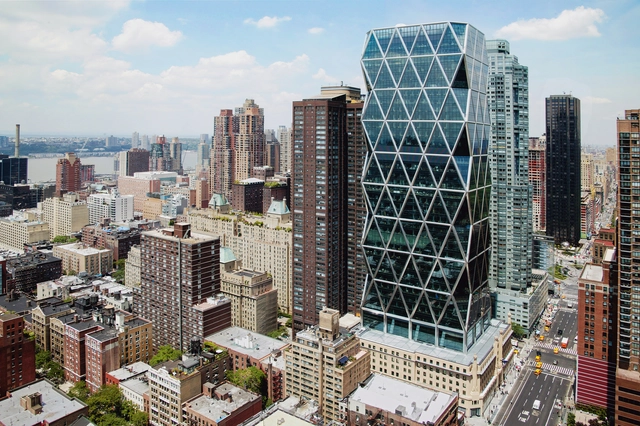
Under the titles of Optimism and Instability, this year’s global index score has returned to pre-Covid-19 days, highlighting that the world has fully recovered from the pandemic. Ranking living conditions in 173 cities based on stability, health care, culture and environment, education, and infrastructure, the survey suggests that nowadays, “life in cities is a bit better than at any time in the past 15 years”, although Stability scores dropped on average in 2023, due to worldwide clashes, political disruptions, social protests, inflation, and wars.
In a 2007 conference, Norman Foster stated: “As an architect you design for the present, with an awareness of the past, for a future which is essentially unknown." That talk was about the green agenda, which he termed the most important issue of the day, affirming that it is “not about fashion but about survival.” Admittedly, the rise in public interest in contemporary architecture that followed the creation of the Pritzker Prize in 1979 (Foster was the 1999 winner) has been focused on forms and personalities more than on substance. Philip Johnson, the first winner of the shiny award, made his view clear: “Architecture is art, nothing else.” Essays, magazines, and books have delighted in the foibles, verbal and sartorial, of celebrated architects, the hats, and eyeglasses of genius. Of course, figures like Frank Lloyd Wright and Le Corbusier did not wait for a prize to be famous, and it seems fitting that Wright’s literary alter-ego, Howard Roarke, would say: “Art is a selective re-creation of reality according to an artist’s metaphysical value judgments." The modern architect/artist as demiurge, responsible for fashioning and maintaining the universe: “…how like an Angel in apprehension, how like a God?”