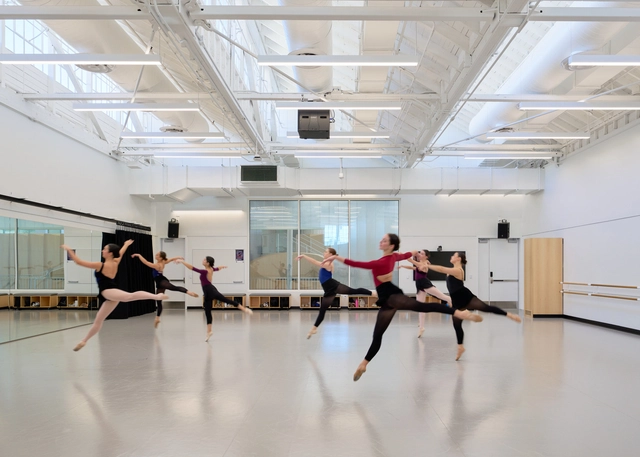
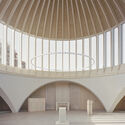
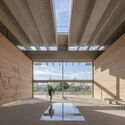
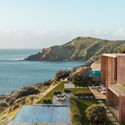
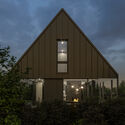
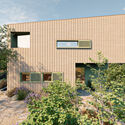
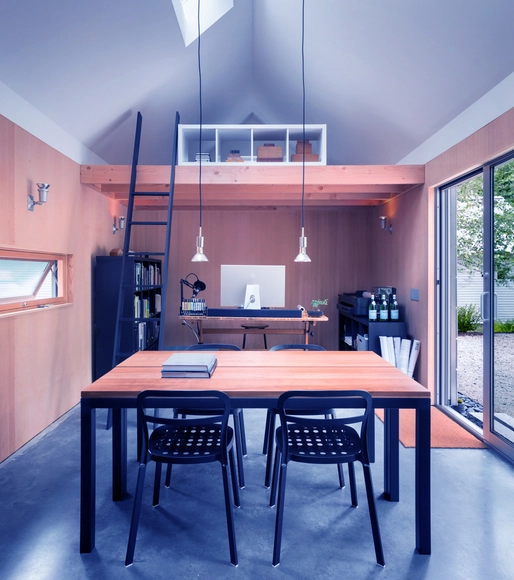
Not nearly as complex an architectural typology as the word suggests, a ‘clerestory’ is a simple – if lexically loose – a portmanteau of ‘clear’ and ‘story’. Denoting a section of the wall that contains windows or cavities above eye level. The word is often assumed to have a religious context. Clerestories historically appeared at the upper levels of Roman churches, Hebrew temples, and early Christian architecture after all. And the earliest references we have to the feature come from religious texts.
Today, religious structures are often typified by the light their high windows allow to stream in, both figuratively and literally, from a higher source. At the CES Chapel in Taiwan, for example, ‘light diffuses through the glass clerestory and brightens the apse throughout the day,’ explains JJP Architects & Planners, about an interior design concept driven by natural lighting, ‘the chapel is filled with a spiritual aura, with a bright cross projected deep into the space.’
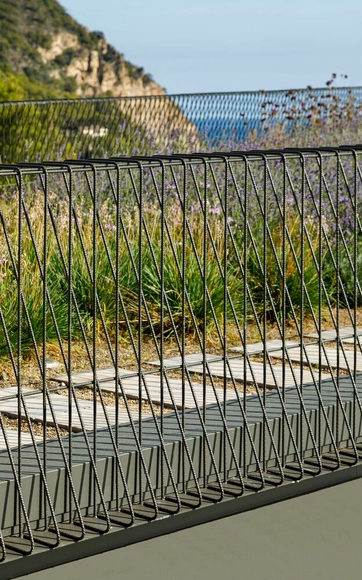
Concrete has enormous resistance to compressive stress, but it is a fragile material in terms of tension, which occurs when forces are applied in opposite directions of a structure, tending to separate the parts. This is why the incorporation of steel into concrete –which provides high levels of strength when stretched– has made so-called reinforced concrete the world's most widely used construction method. In other words, reinforced concrete combines the intrinsic advantages of its two components (concrete and steel reinforcement) to produce an extremely robust, versatile, and practical material. These steel reinforcements, in addition to reinforcing concrete, can also be used in art installations, facades, and even interiors.
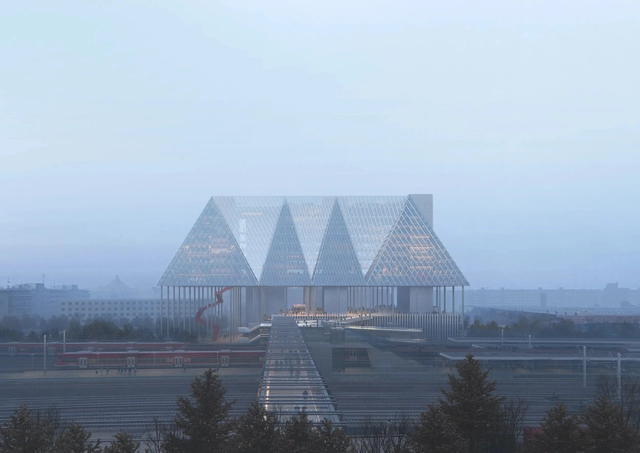
OMA’s competition design for UniCredit’s new Headquarters in Munich, Germany, proposes a plaza lifted off the ground to increase public spaces and urban connectivity and to activate an otherwise overlooked area. The scheme aims to “retroactively attribute character to an area which may never have had one.” The site is located by one of the city’s main arteries, the S-Bahn, a strictly functional area lacking in public spaces or amenities. The building proposed by OMA is lifted off the ground, with its limited footprint allowing for more public space to be integrated while preserving the site’s natural features.
Designers and architects have a mountain of modern, high-performance flooring options at their disposal. From standard choices like wood, carpet, ceramic tiles, or natural stone; to heavy-duty commercial favorites like terrazzo, concrete, or poured epoxy. Add less well-tread options like cork and leather and then multiply them all with imitation solutions like laminate and luxury vinyl, and it’s easy for decision-makers to get lost in indecision.
Despite the size of the marketplace, however, we tend to just make our choices and stick with them, using just one type of floor for each room. Not so in the case of the following four projects, which select and arrange various flooring types together in the same room, adding functionality to the floor and helping to improve how we interact with the spaces above.
Slovenia has continuously redefined design across rural life. With an architecture that’s intimately tied to the country’s geography, Slovenia emerged as a crossroads of European cultural and trade routes. This produced hybrid building styles and typologies defined by history and exchange. Expanding upon modernist roots and the work of architects like Max Fabiani, Ivan Vurnik, and Jože Plečnik, contemporary building projects are designed through ideas on multiplicity and coupled programming.
James Wines, a New York architect and environmental artist, has been on a mission of sorts. He believes that architecture needs to be liberated from itself. This act of liberation is expressed in many radical projects that he and his company, SITE (Sculpture In The Environment) realized in 11 countries. Wines is world famous for such projects as Ghost Parking Lot (Hamden, CO, 1977), Highrise of Homes (theoretical project, 1981), Highway 86 (Vancouver, Canada, 1986), Fondazione Pietro Rossini Pavilion (Briosco, Italy, 2008), and Off-White Showroom for Virgil Abloh (Ginza, Tokyo, 2021). The very essence of the architect’s work is expressed in his fascinating stores for BEST Products Company, the key focus of my conversation with the architect that took place over Zoom on August 10, 2022, following many of our in-person meetings.
In the world of retail, competition is fierce. Brands find themselves in pursuit of distinguishing their presence and developing intimate connections with their customers. Amidst the array of products they offer, thoughtful brands recognize the value of curating immersive retail environments that empathize with the core of consumers' sentiments and desires. In retail design, color stands as a powerful instrument that affords brands the means to articulate their values, evoke emotions, and carve memorable shopping experiences into the minds of their patrons. Color transforms retail centers into more than spaces for transactions - it positions strategic interior design as a marketing tool to attract and retain customers.
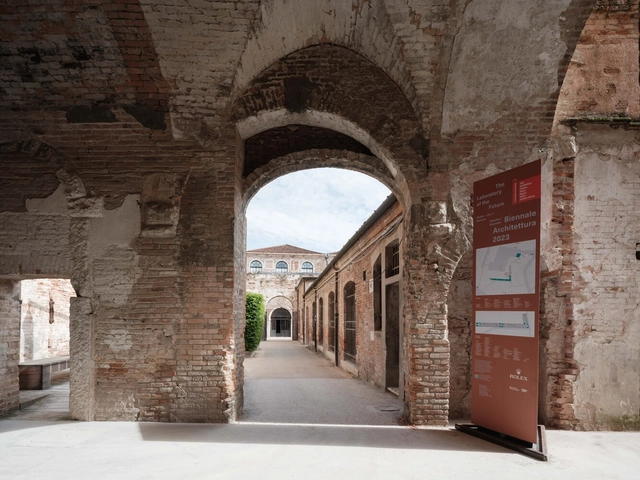
During their visit to the 18th International Architecture Exhibition in Venice, ArchDaily had the opportunity to engage in a conversation with Sevince Bayrak and Oral Göktaş, founders of the Istanbul-based studio SO? Architecture and Ideas, curators for the Pavilion of Türkiye. Their exhibition, titled Ghost Stories: Carrier Bag Theory of Architecture, explores the status and hidden potential of abandoned buildings across Türkiye to discover more hopeful proposals for the future. The conversations opened with an exploration of the status of these forgotten structures and their hidden potential, leading into the intentions behind the exhibition in Venice and the curator’s message for the wider audience.
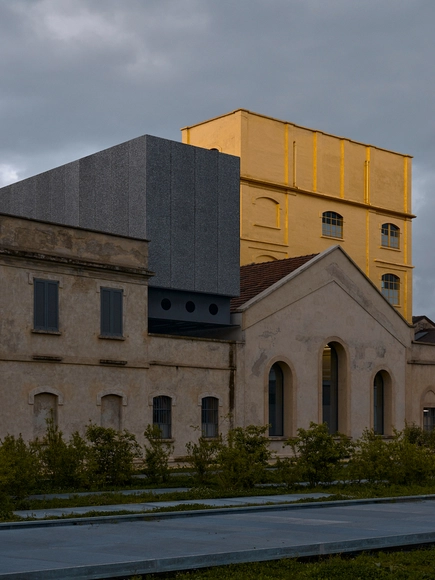
In 2018, OMA opened the Fondazione Prada in Milan, Italy, housed within a former gin distillery established in 1910. The project which includes a statement facade cladded in 24-carat gold leaf and camouflaged mirrors, comprises the renovation of seven buildings in the Largo Isarco industrial complex on Milan’s southern outskirts, making the foundation neither a preservation project nor a new architecture. Recently, photographer Bahaa Ghoussainy captured the infamous structure in his new architectural photo series.
It is well known that exposure to more green spaces and cleaner air has profound impacts on human health and psychology. This kind of exposure has been linked to reduced stress, improved cognitive function, and enhanced creativity. These sanctuaries offer relief, allowing the human to reconnect with the natural world. These residential homes are often a refuge from busy city life, ranging from vacation homes to retirement homes. Moreover, as the global call for sustainable practices becomes more pressing, the role of natural elements in architecture becomes imperative.
In today’s globalised, ever-evolving world, the architectural field continues to re-invent itself. Innovation has seen the emergence of new building technologies and new methods of communicating with clients, however, in some ways, a large majority of the architecture industry is still outdated – architects relying on client fees received from projects to run their architecture firms. Perhaps as a consequence of the emergence of start-ups in the technology sector, and the increased competitiveness of the global economy, architects have more recently chosen not to confine themselves to within the world of architecture and use their unique skill-sets and abilities in entrepreneurial ways.
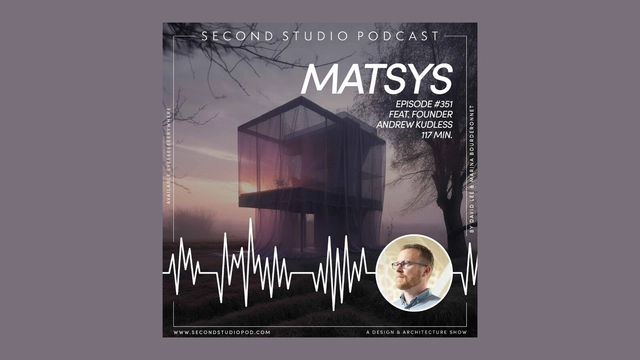
The Second Studio (formerly The Midnight Charette) is an explicit podcast about design, architecture, and the everyday. Hosted by Architects David Lee and Marina Bourderonnet, it features different creative professionals in unscripted conversations that allow for thoughtful takes and personal discussions.
A variety of subjects are covered with honesty and humor: some episodes are interviews, while others are tips for fellow designers, reviews of buildings and other projects, or casual explorations of everyday life and design. The Second Studio is also available on iTunes, Spotify, and YouTube.
This week David and Marina of FAME Architecture & Design are joined by designer and educator Andrew Kudless, Founder of Matsys, to discuss the fundamentals of generative Artificial Intelligence (A.I.); how he teaches Midjourney; its potential role in the architecture profession; the evolving role of an architect; how students can make the most of the tools; and more.
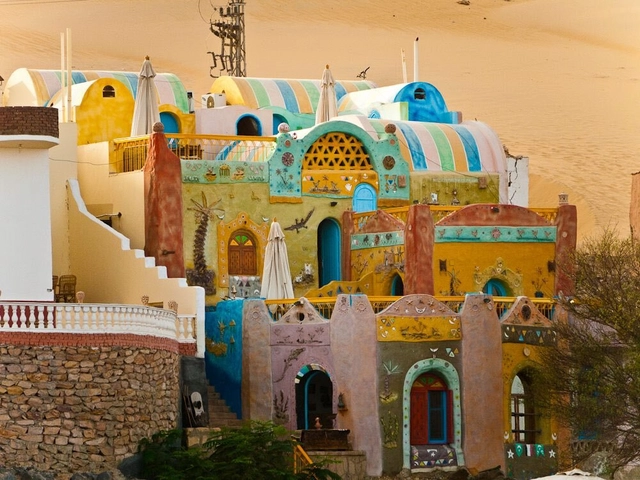
African societies' cultures are intrinsically linked to color. From fabrics to clothing, products, sculptures, and architecture, various societies explore rich and vibrant colors that are vivid, expressive, and joyful. Through different shades, hues, contrasts, motifs, and ornamentations, colors are embraced as an unspoken language, a palette for storytelling, and a sense of cultural identity. Although the use of color in African societies may seem decorative on the surface, it is extremely symbolic, with a deep sense of history behind it. Traditional African architecture is a prime example. Ethnic societies have endowed their homes with color through ornaments and motifs, expressed it with religious and cultural patterns, employed it on facades to tell familial stories, and created labyrinths of communal architecture that not only celebrate color but explore its ethnic meaning.
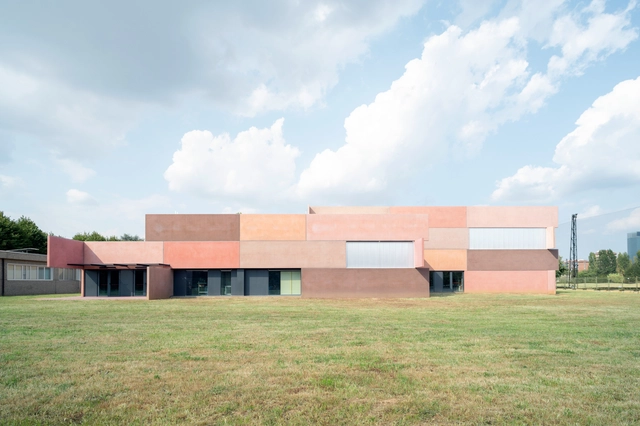
Architecture studio ELASTICOFarm, led by Stefano Pujatti, has been awarded the Premio Italiano di Architettura (Italian Architecture Prize), promoted by the Triennale di Milano and MAXXI. The award, now in its fourth edition, is received in recognition of their S-LAB project, a new building in Turin, Italy, for the Istituto Nazionale di Fisica Nucleare (INFN). The prize highlights works of architecture with high design quality and an attentive approach to innovation and the social role of architecture.
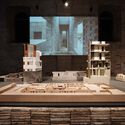
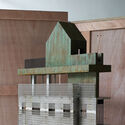
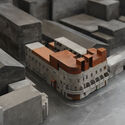
Neri&Hu presented “Liminality”, a multimedia exhibition selected by Lesley Lokko, at the International Architecture Exhibition in Venice. The exhibition took place in the Dangerous Liaisons section of La Biennale di Venezia at the Arsenale. In response to Lokko’s curatorial statement, Neri&Hu’s display explored the concept of liminality, the “zone” between design practice and theoretical exploration. The display consisted of three adaptive reuse projects that represent the practice’s research in “Reflective Nostalgia, Recasting Vernacular, and Ruinophilia/Future Artifact.”
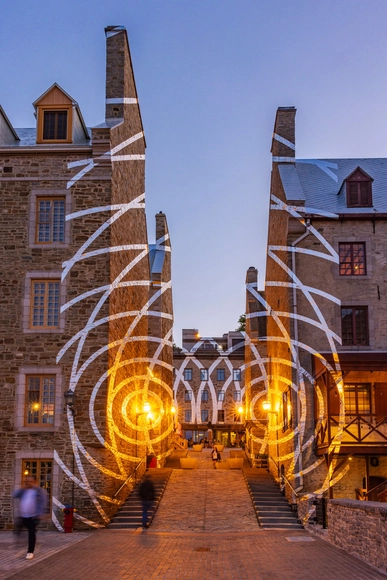
The 10th edition of Passages Insolites is taking place from June 22 until October 9, 2023, bringing together artists from around the world. The public art circuit is presented by the City of Quebec and created by EXMURO arts public to showcase a retrospective artistic path through the city, recalling the event’s previous editions. The public art event takes place every summer in Quebec City in in the Place Royale, Petit Champlain and Old Port districts. This year, the event presents works of art from 40 artists, headlined by Felice Varini, who presents a monumental three-dimensional work at Place-Royale.
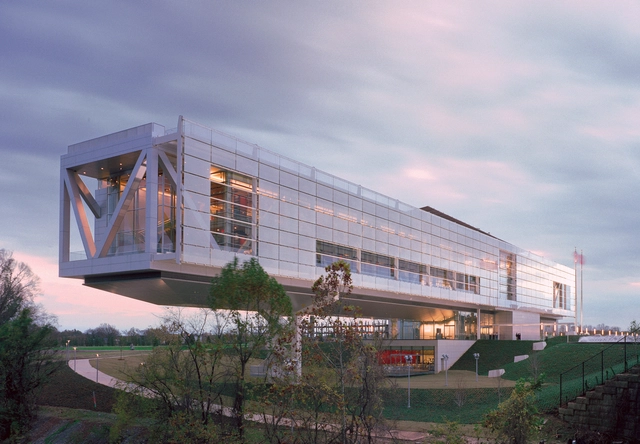
The Clinton Foundation in Little Rock, Arkansas, has just announced a major expansion of the Clinton Presidential Center. The expansion will be designed by Studio Gang, with the aim to further the Center’s mission to engage and educate people about President Clinton’s values. Moreover, the project expansion will be further detailed in 2024, creating new essential programs in the development.