1. ArchDaily
  2. Adaptative

Adaptative: The Latest Architecture and News

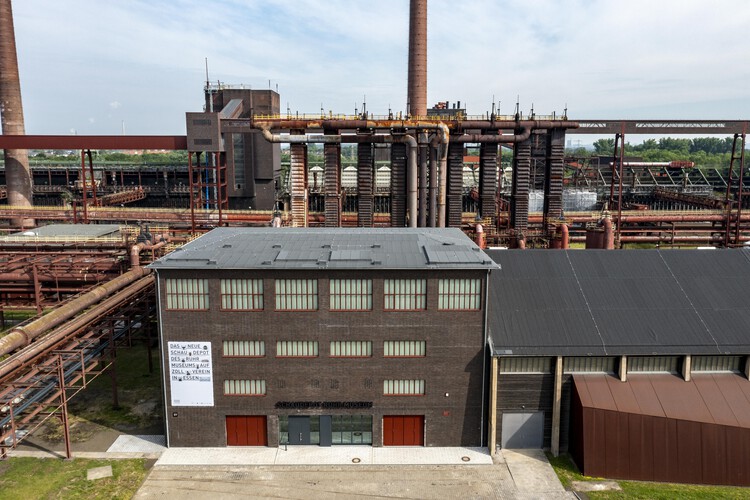
From Salt Factory to Art Museum: The Story Behind the Schaudepot in Essen, Germany

Subscriber Access | 

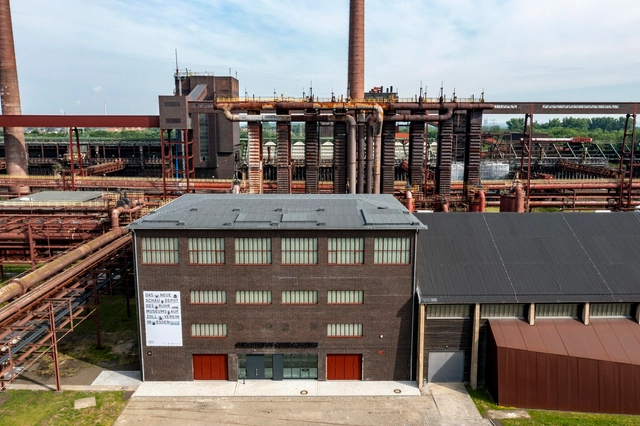
Once the largest coal mine in Europe, the Zollverein complex in Essen, Germany, has undergone a remarkable transformation over the past twenty-five years. What was once a landscape of abandoned industrial facilities is now a laboratory of contemporary architecture, featuring works by Rem Koolhaas, Norman Foster, and SANAA. Their interventions bridge the site’s industrial past with its imagined future. Spanning 100 hectares, the UNESCO World Heritage site has become a global model of adaptive reuse, redefining what it means to preserve industrial heritage. Within this context stands the Ruhr Museum and its enigmatic art repository, the Schaudepot. Located in the complex’s former salt factory, the museum impresses not only with its collection but also with its architecture, which transforms a 1960s industrial building into a vibrant cultural venue.

Because of its historical and architectural relevance, the project is featured in the 2025 edition of Open House Essen, under the theme “Future Heritage.” The initiative explores which spaces might shape our future architectural legacy and asks pressing questions: What should we preserve? What should we adapt? And how can we design a future that is both livable and fair?

From Salt Factory to Art Museum: The Story Behind the Schaudepot in Essen, Germany - Imagem 1 de 4From Salt Factory to Art Museum: The Story Behind the Schaudepot in Essen, Germany - Imagem 2 de 4From Salt Factory to Art Museum: The Story Behind the Schaudepot in Essen, Germany - Imagem 3 de 4From Salt Factory to Art Museum: The Story Behind the Schaudepot in Essen, Germany - Imagem 4 de 4From Salt Factory to Art Museum: The Story Behind the Schaudepot in Essen, Germany - More Images+ 14

2025 Venice Architecture Biennale: Over 750 Participants Researching How Architecture Adapts to the Future

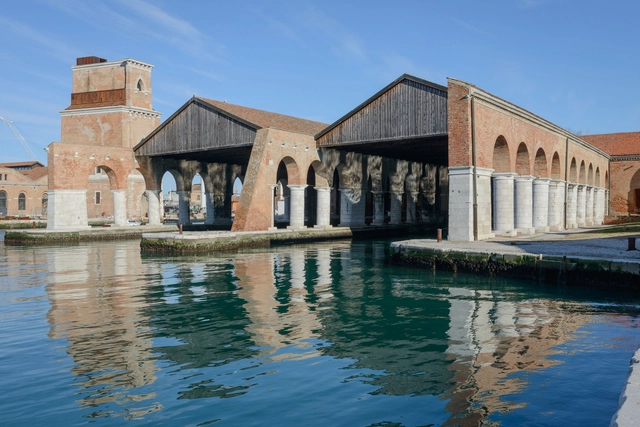
During a live presentation for the 19th International Architecture Exhibition, curator Carlo Ratti offered a glimpse into the programming of this year's edition. The 2025 Venice Architecture Biennale will include 66 National Pavilions, with 4 countries represented for the first time: the Republic of Azerbaijan, Sultanate of Oman, Qatar, and Togo. The exhibition, divided between the Giardini (26), at the Arsenale (22) and in the city center of Venice (15), explores the theme of "Intelligens. Natural. Artificial. Collective", gathering over 750 participants, including individuals and organizations forming interdisciplinary and multigenerational teams. According to the numbers released, this year's edition is shaping up to become the largest Architecture Biennale held in Venice.

2025 Venice Architecture Biennale: Over 750 Participants Researching How Architecture Adapts to the Future - Image 1 of 42025 Venice Architecture Biennale: Over 750 Participants Researching How Architecture Adapts to the Future - Image 3 of 42025 Venice Architecture Biennale: Over 750 Participants Researching How Architecture Adapts to the Future - Image 5 of 42025 Venice Architecture Biennale: Over 750 Participants Researching How Architecture Adapts to the Future - Image 6 of 42025 Venice Architecture Biennale: Over 750 Participants Researching How Architecture Adapts to the Future - More Images+ 10

Architectural Grafting: A Strategy for Sustainable Design

Subscriber Access | 

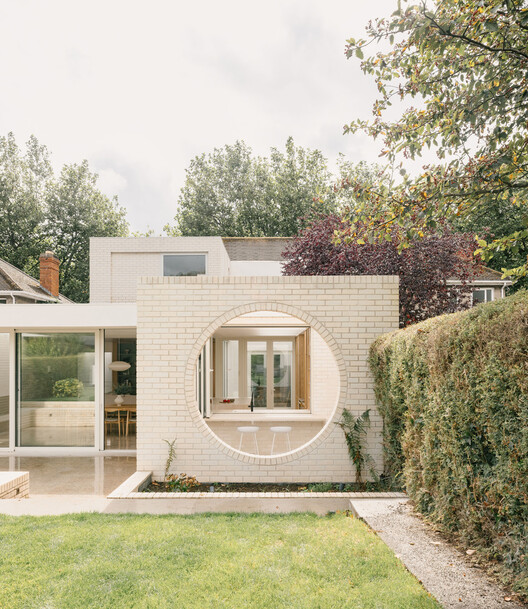
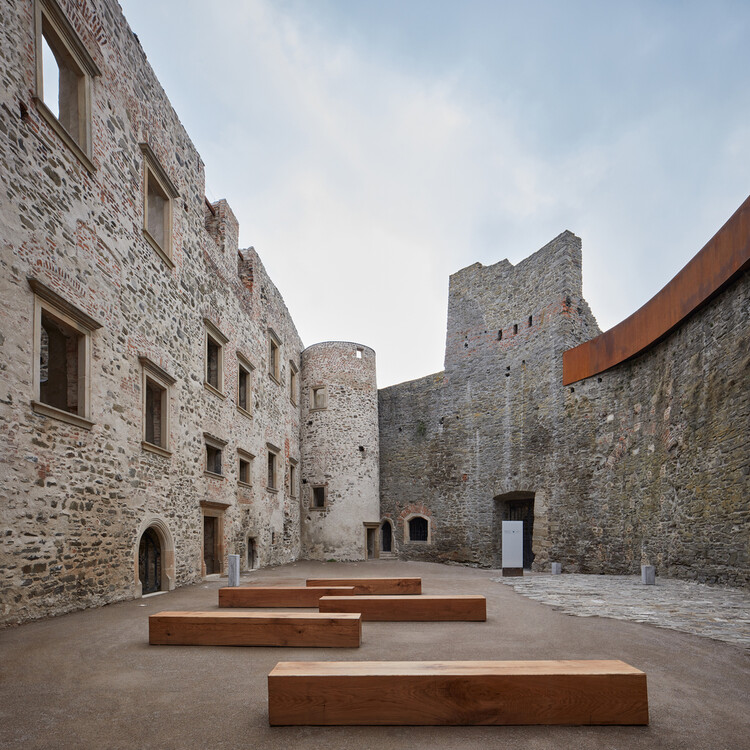
Architectural grafting, a concept recently popularized by Jeanne Gang in The Art of Architectural Grafting, presents a transformative approach to urban regeneration and sustainability. Drawing inspiration from botanical and horticultural practices — where new growth is added to existing plants for enhanced resilience — this architectural method integrates new structures with existing ones, allowing them to coexist and adapt. Rather than pursuing demolition, grafting prioritizes adaptation, extending the life of buildings while safeguarding their cultural and historical significance.

While Studio Gang has played a pivotal role in advancing this method, architectural grafting embodies a broader principle that architects have long used to enhance sustainability, conserve resources, and honor heritage. Across scales — from individual buildings to urban landscapesgrafting reshapes the relationship between past and present, adapting existing structures for contemporary needs while addressing environmental demands. By reimagining historic buildings for modern use, this approach fosters a sustainable evolution of cityscapes.
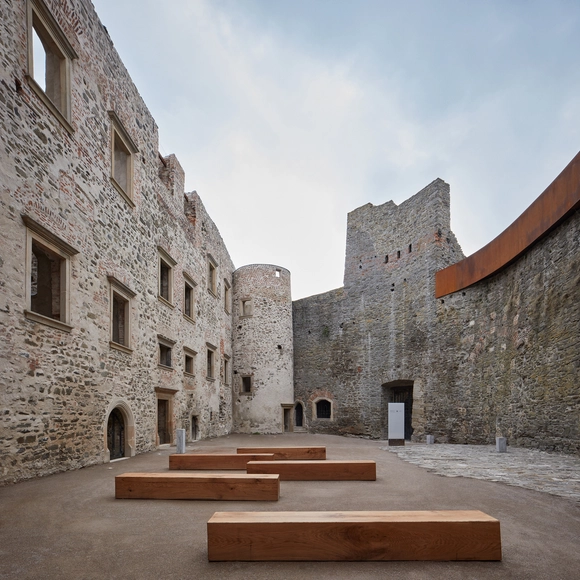
Architectural Grafting: A Strategy for Sustainable Design - Image 1 of 4Architectural Grafting: A Strategy for Sustainable Design - Image 2 of 4Architectural Grafting: A Strategy for Sustainable Design - Image 3 of 4Architectural Grafting: A Strategy for Sustainable Design - Image 4 of 4Architectural Grafting: A Strategy for Sustainable Design - More Images+ 59