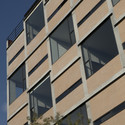
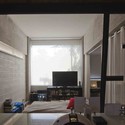
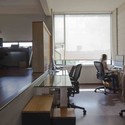
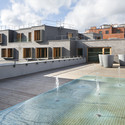
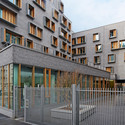
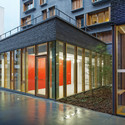
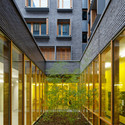
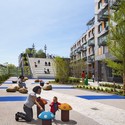
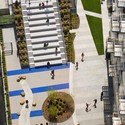
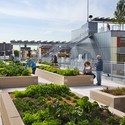
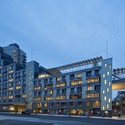
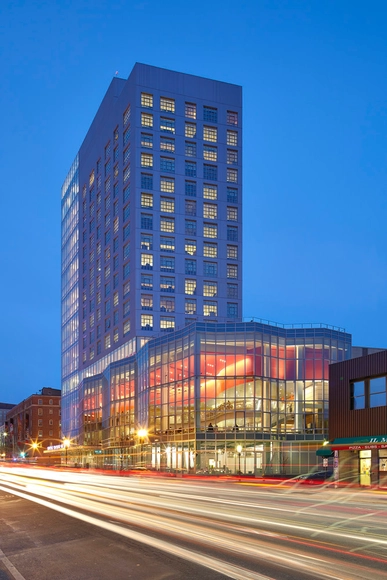
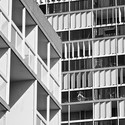
Built in 1964 during his tenure as Dean at the Graduate School of Design, Josep Lluís Sert’s Peabody Terrace provides housing for almost 1500 Harvard graduate students and their families. One of several projects Sert designed for Harvard’s campus, it is a manifestation of his vision for the ideal neighborhood. Many elements such as the negotiation of scale, mixed use program, shared open space and design aesthetic were influenced by but represent a departure from earlier modern housing projects.
Peabody Terrace is a prototypical example of a twentieth-century project heralded by the architectural community as an exemplar of progressive modern ideals, but lambasted by neighbors and members of the general public for being unattractive, cold and imposing. This project and others like it highlight the disconnect that can occur between the architectural intelligentsia and the communities in which they build.
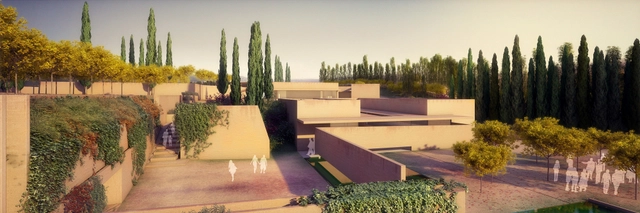
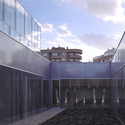
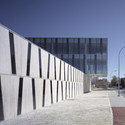
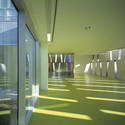
Commissioned after winning an international competition in 2010, Portuguese architect Álvaro Siza Vieraand Granada-based Juan Domingo Santos have unveiled designs for a new entrance and visitors center at the Alhambra World Heritage site. A result of “superimposing a regular geometry over a territory of topography,” the new gate rearranges visitor access into the more than 1000-year-old monument through a series of enclosed, shaded courtyards and open, sunlit terraces.
Following to his experience at the Alhambra in 2009, Siza journaled about his envision for the new gate, stating: “…from bright sun to shadows, from warmth to coolness, from wide to intimate focus, I like to dream about my project before I set it down in any detail.”





_Klaas_Verdru_(25).jpg?1394577495&format=webp&width=640&height=580)
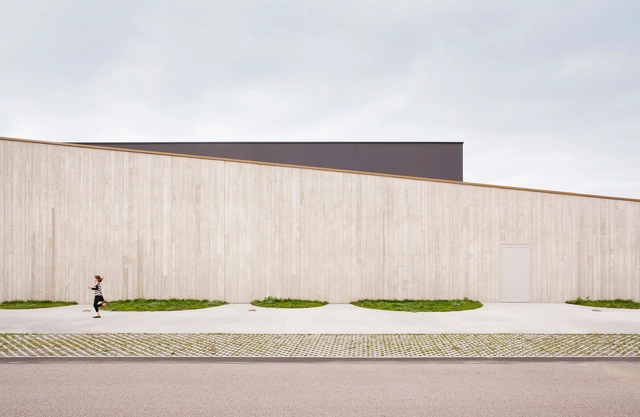

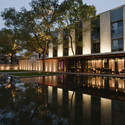


















_Klaas_Verdru_(27).jpg?1394577569 "© Klaas Verdru")
_Klaas_Verdru_(7).jpg?1394577180 "© Klaas Verdru")
_Klaas_Verdru_(15).jpg?1394577296 "© Klaas Verdru")
_Klaas_Verdru_(24).jpg?1394577490 "© Klaas Verdru")
_Klaas_Verdru_(25).jpg?1394577495)