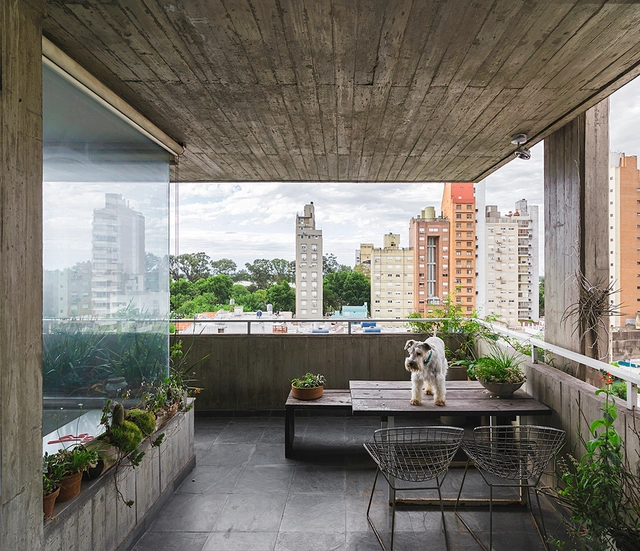
It is time to say goodbye to 2018 and look back at everything we have achieved. What captured our interest? What surprised us? What made an impact?
After presenting the best architecture of 2018, we decided to round up and highlight some of the Argentine projects that generated the most engagement on our social networks. Goodbye 2018, hello 2019.
Between May 12 and 13, the annual architecture festival Open House—which originated in London and is now present in 34 cities worldwide—will hold its first edition in Rosario, Argentina.
Aimed at anyone interested in discovering or rediscovering the city's architecture and urbanism, the festival offers the opportunity to enter and tour a selection of private and public buildings of great cultural, historical, heritage, and architectural value, free of charge, during an open-door weekend.
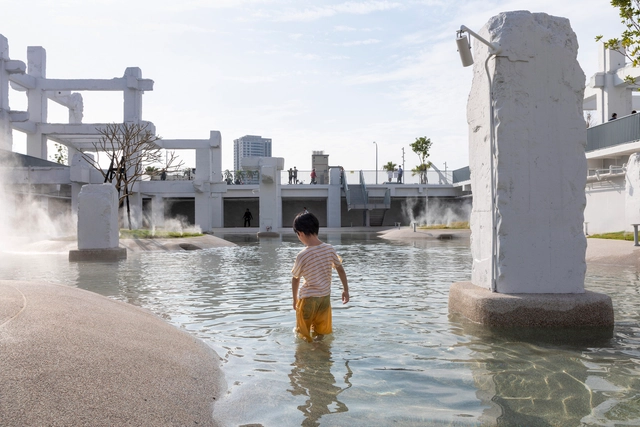
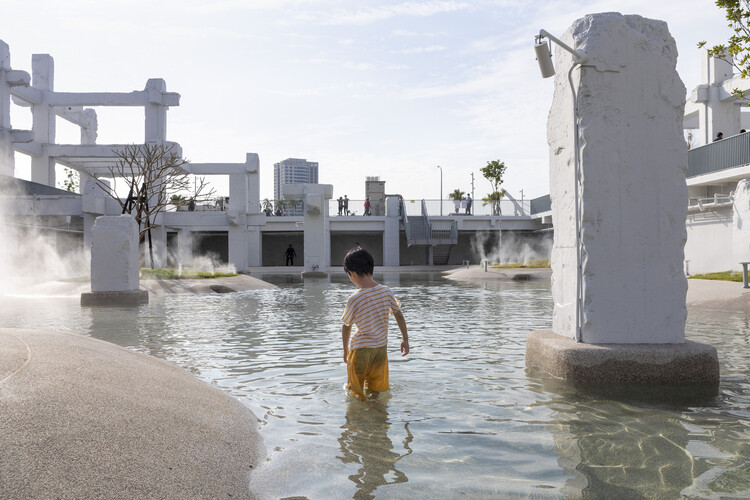
How do nature and landscape dialogue within spaces designed for children? How are architecture and urban design capable of shaping natural atmospheres that integrate practices of play, participation, and exploration? From participatory projects that involve children in the design process to built environments that incorporate furniture adapted to their needs, the conception of spaces for childhood entails the creation of places for encounter, learning, and coexistence. At times, these spaces are able to strengthen the relationships between interiors and exteriors, connecting their users with nature and the surrounding environment. Depending on their cultures, customs, and histories of attachment to place, several contemporary projects deploy tools and strategies that integrate architecture, nature, and pedagogy to form broad experiences of learning, play, and discovery.
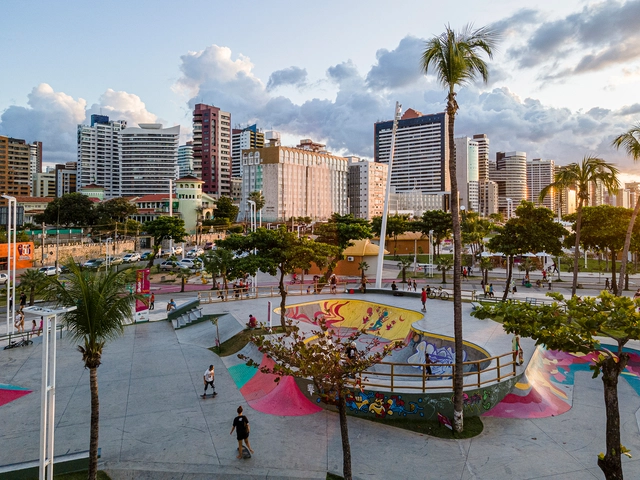
How is it possible to achieve emotional well-being in public spaces? What role do public spaces play in promoting urban well-being? Considering that sports practices can be a vital component in creating healthy public spaces, skateboarding, one of the most globally recognized urban activities, offers an alternative for building opportunities for the physical, recreational, social, cultural, and even professional development of multiple generations.
From May 20 to 21, 2023, the Open House architecture and urbanism festival will take place in the city of Rosario, opening the doors of 98 architectural works alongside 8 urban tours to discover and rediscover the city's architecture and urban design. For its sixth edition, this year's festival aims to venture deep into the heart of the city—the home—applying an urban approach committed to the individual and collective memory of the city and its residents, merging tangible built heritage with the traces of time.
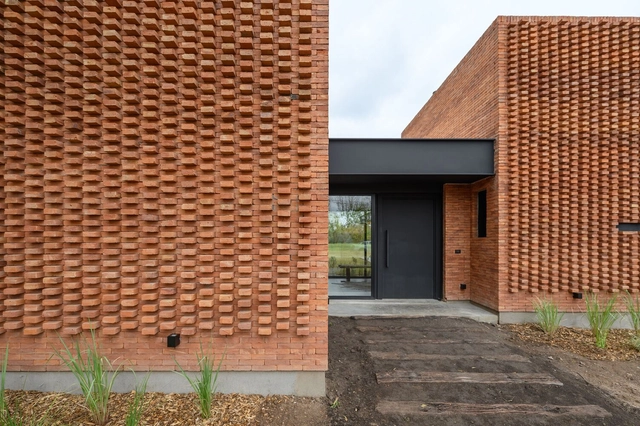
The process of materializing architectural ideas involves taking into account various construction and economic factors, among others, which in one way or another will have an impact on the quality of life of its future inhabitants or users. Achieving the highest thermal comfort in interior spaces and achieving the lowest possible environmental impact are just some of the objectives that architecture professionals set for themselves when designing and defining the materials that will accompany their projects.
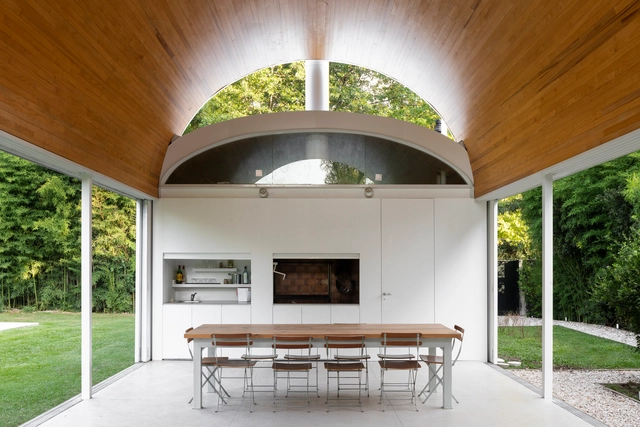
As a protagonist of the Argentinean culinary scene, the barbecue plays a prominent role. In architecture, beyond the dimensions of the spaces where they are installed, grills are consolidated as a meeting point for visitors and residents of the houses, coming into direct contact with the customs and culture of the country.
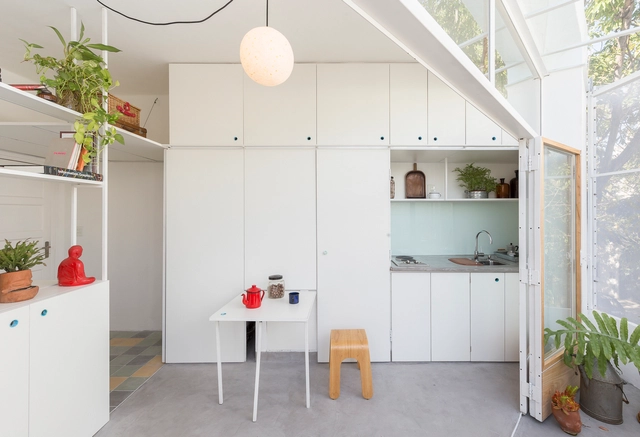
Achieving the best use of space, reducing the footprint of the buildings that are constructed and designing an optimal distribution that can meet the needs of their inhabitants are some of the requirements and challenges faced, day after day, by architects around the world. Through the implementation of certain materials, the definition of the morphology or even the geographical and natural conditions of the terrain, it is possible to carry out various strategies that make it possible to design homes with the comfort that their users need and in the smallest amount of square metres possible.
Regardless of the design adopted for kitchen spaces, for some years now and with increasing frequency, many architects have been deciding to design kitchens by integrating them into other rooms in the home. Free of dividing walls or joinery, integrated kitchens are implemented with the aim of leaving the activities that take place there in full view of everyone, encouraging interaction and communication between the inhabitants.
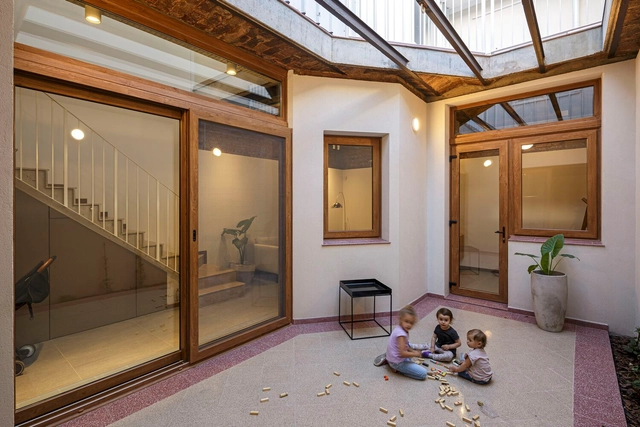
When designing a space, architects across the board tout the importance, and even necessity, of incorporating natural light into interiors. This means taking measures to control the quantity of light being let in and its distribution throughout the space.
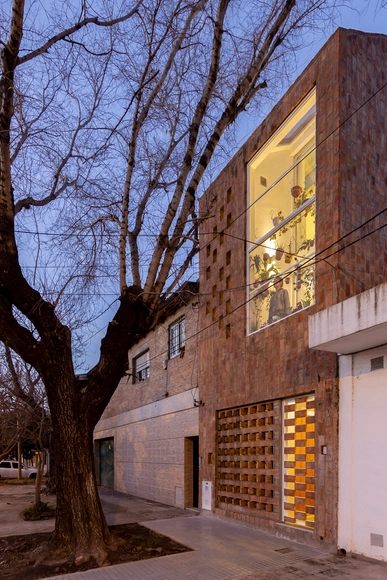
In the case of residential spaces, where privacy plays a larger role than in public spaces like offices, restaurants, and stores, opaque materials like screens, tinted glass, and other barriers are the go-tos for providing protection and privacy from the outside; however, the privacy that these methods provide often comes at the cost of the space's natural lighting, forcing designers to seek alternative materials that allow for both light and privacy.
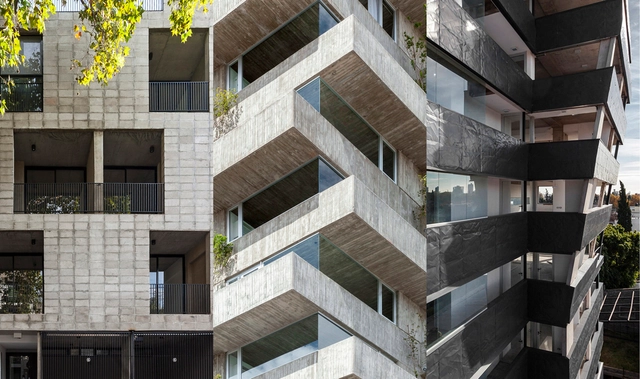
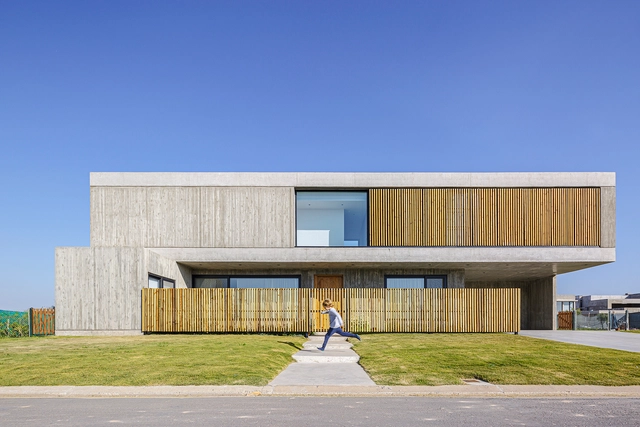
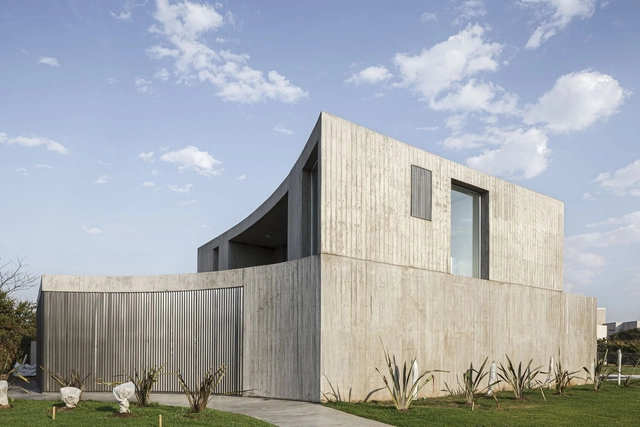
It's safe to say that concrete is one of the most utilized construction materials in large-scale architectural projects. In Argentina, the use of concrete to construct high-rise apartment buildings offers a variety of advantages, especially when it comes to durability and the time it takes to build. This has made it the go-to material for many architects.











.jpg?1654617049&format=webp&width=640&height=580)








.jpg?1614777781&format=webp&width=640&height=580)


.jpg?1614777781)