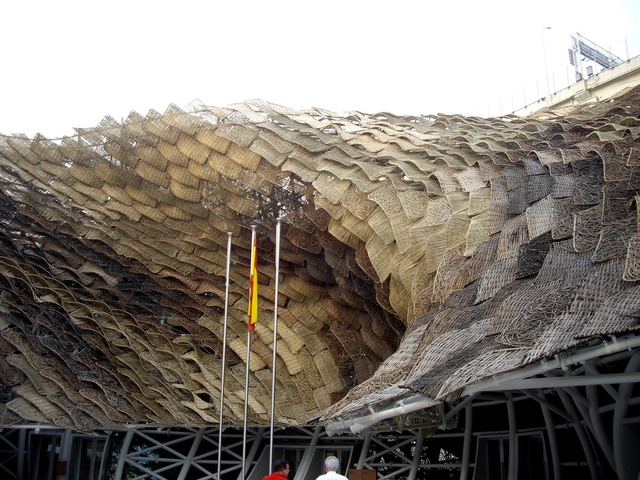
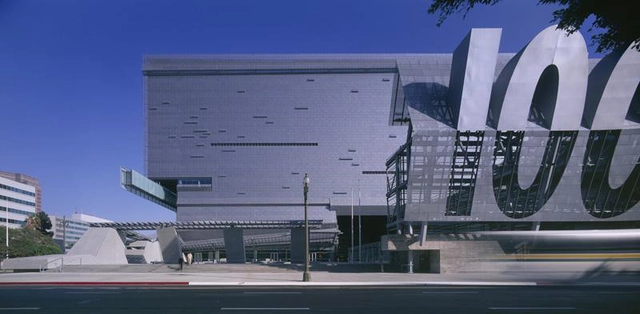
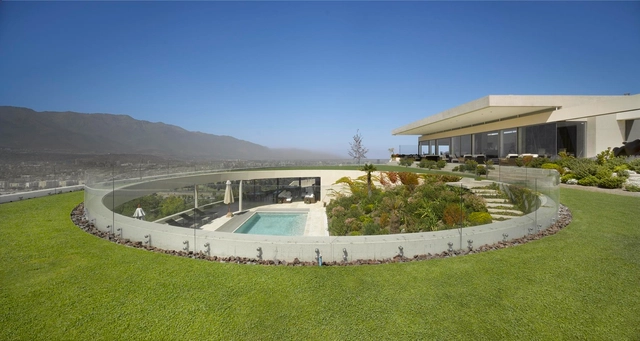
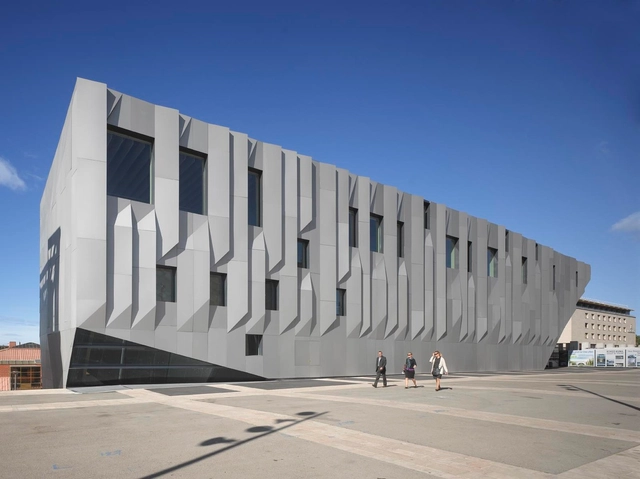
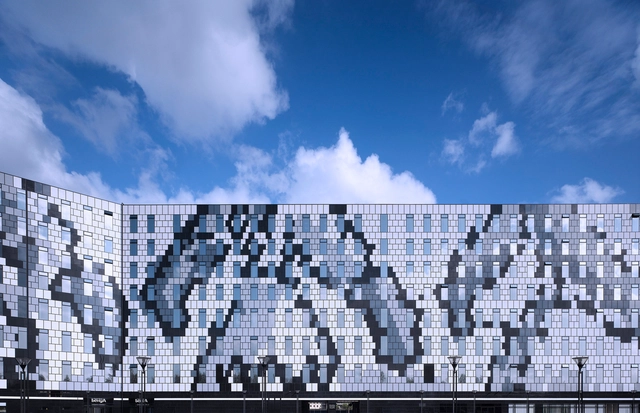
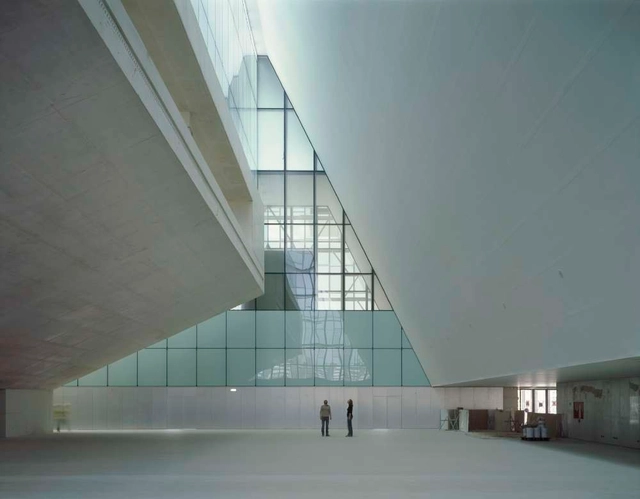
A 176-pound (80 kilograms) chunk of concrete cladding has fallen from year-old Library and Learning Centre at the University of Economics Vienna. This, unfortunately, isn’t the first time the Zaha Hadid-designed structure has malfunctioned; last year, an “assembly error” was deemed the reason why a large piece of fiberglass-reinforced concrete crashed down in front of the building’s entrance.
The latest designer of the prestigious Serpentine Gallery Pavilion has been named as SelgasCano, the Spanish practice known for their use of the latest synthetic materials and new technology. The Serpentine Pavilion, which has grown to become one of the most visited annual architecture attractions in the world, aims to provide architects who have never built in the UK their first chance to do so. In the past, this has led to pavilions by globally-recognized names such as Frank Gehry, Zaha Hadid, Rem Koolhaas, Oscar Niemeyer, and Peter Zumthor, but in recent years the Serpentine Gallery seems to have changed course a little, instead bringing lesser-known, emergent stars to a much wider audience. This was true of Smiljan Radić and his 2014 pavilion, and will likely prove true for the duo of José Selgas and Lucía Cano.
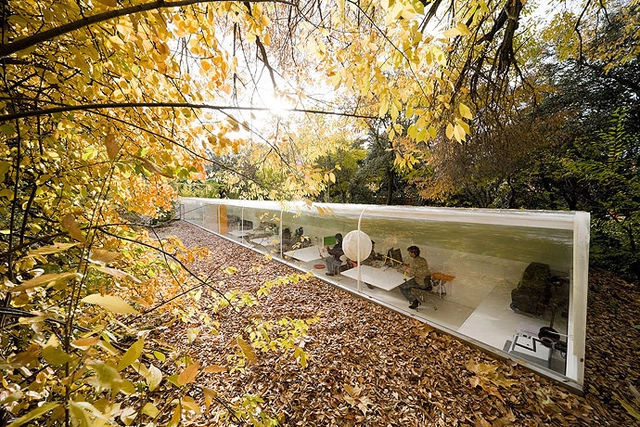
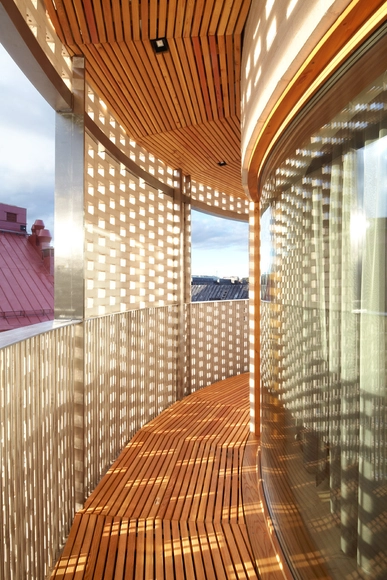
Although designs for the 2015 pavilion will not be released until February, SelgasCano have promised "to use only one material... the Transparency," adding that "the most advanced technologies will be needed to be employed to accomplish that transparency." This coy description perhaps calls to mind the design of their own office, a partially sunken tube of a building with one side made entirely of curved glass, which won them widespread recognition in 2009.
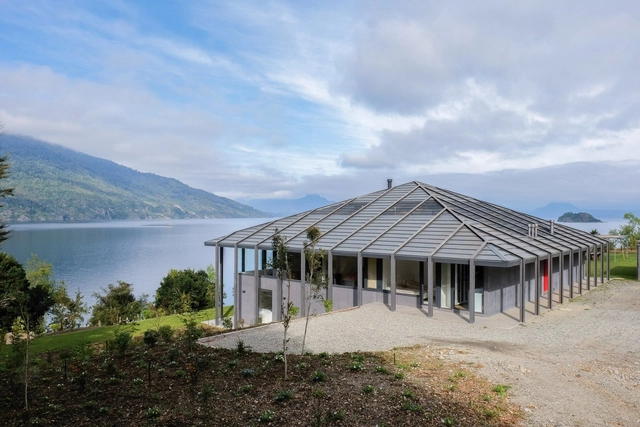
To give a better idea of the design style that SelgasCano will bring to the 2015 Serpentine Pavilion, we've rounded up a number of their major projects for your viewing pleasure, after the break.
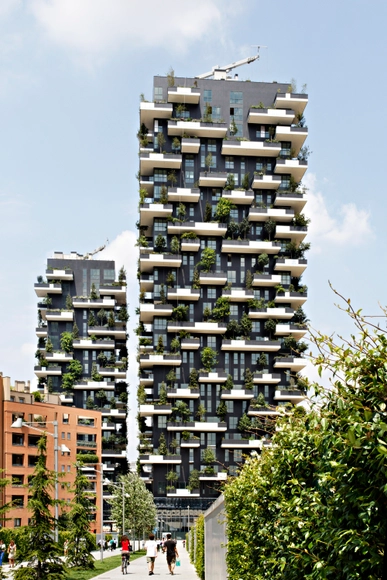
Rem Koolhaas, Steven Holl, Jean Nouvel and Boeri Studio are the masters behind five skyscrapers competing to be crowned the “World’s best.” Chosen as finalists for the 2014 International Highrise Award (IHA), the four practices are in the running for a prestigious title and €50,000 prize.
Award organizers from the City of Frankfurt/Main, Deutsches Architekturmuseum (DAM) and DekaBank at Frankfurt’s Paulskirche will announce a winner in mid-November. The chosen skyscraper will be selected by an esteemed, multidisciplinary jury based on the criteria ranging from future-oriented design and innovative building technology, to the building’s integrative urban development scheme and cost-effectiveness.
“Good architecture requires a willingness to take risks and a desire to try things out. All the finalists took this approach – there can be no innovation without experimentation. Our shortlist comprises three different prototypes of the future,” commented Jury Chairman Christoph Ingenhoven.
View all five of the competing highrises and the jury’s comments, after the break…
Last month, he took a week out of his schedule to lead a project at Hello Wood, where – with an energy and intensity that was almost out of place in the relaxing surroundings of the Hungarian countryside – he led a group of students to construct an ambitious, screw-free elevated platform that emerged from a cluster of trees and offered views of the setting sun. ArchDaily caught up with Salvador Gilabert during the week to find out more about his work.
In honor of World Photo Day (August 19th) ArchDaily wanted to thank the photographers who bring to life the projects that we publish every day. So we asked 15 architects to weigh in on the work of some of our most-appreciated architecture photographers. Here, Thom Maynewrites on behalf of Roland Halbe.
https://www.archdaily.com/538765/world-photo-day-roland-halbe-by-thom-mayneAD Editorial Team
The following news is presented by ArchDaily Materials, our new US product catalog.
The 2014 Wienerberger Brick Award Winners exemplify brick's potential in contemporary architecture, transforming the common brick into something spectacular. This year's jury featured 2012 Pritzer winner Wang Shu, who commented on the "spatial and secret" feeling of the Grand Prize Winning Kantana Film and Animation Institute. See all seven winners after the break.