-
Architects: Malachowski Arquitectos
- Area: 1345 m²
- Year: 2024
-
Manufacturers: Bticino, Ferretti, Sierra Muebles Perú, Thermia, Vainsa

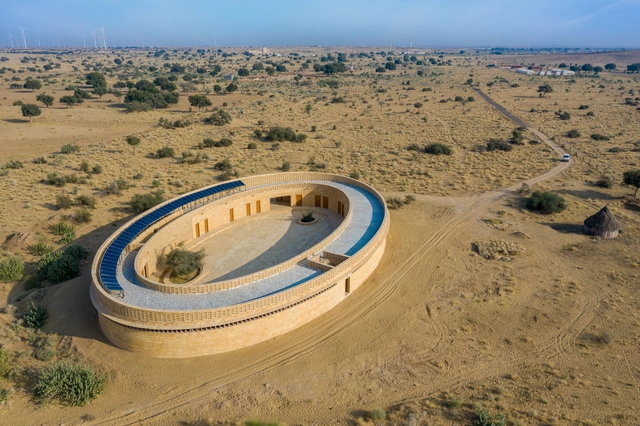
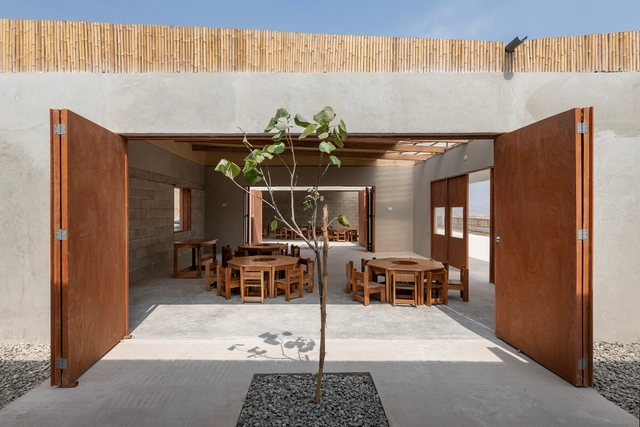
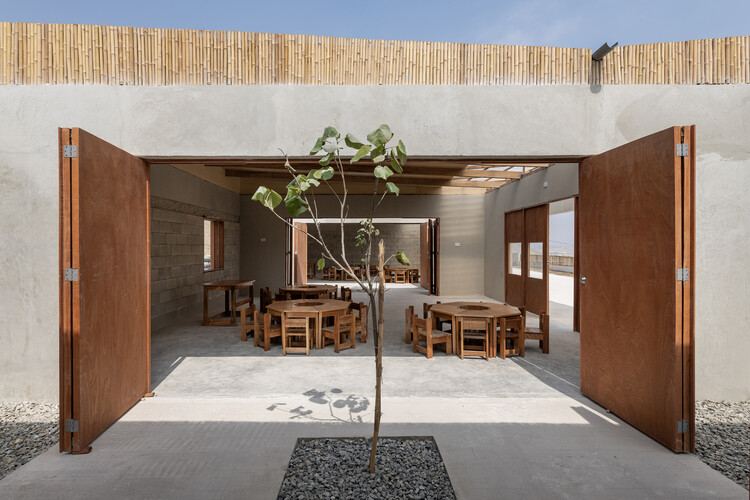
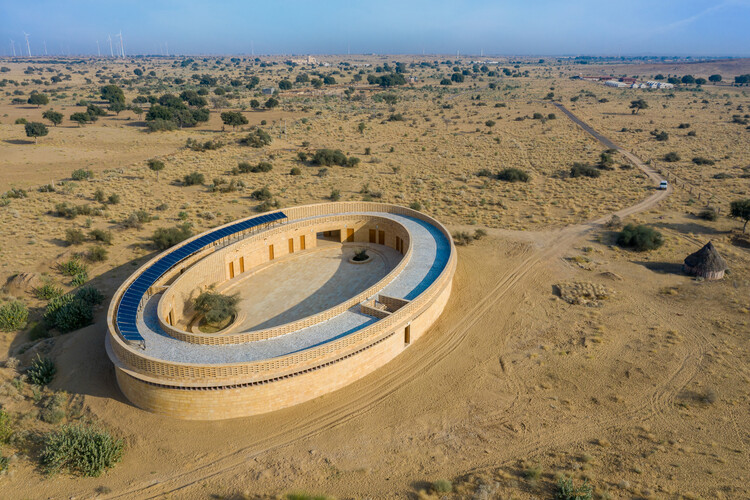
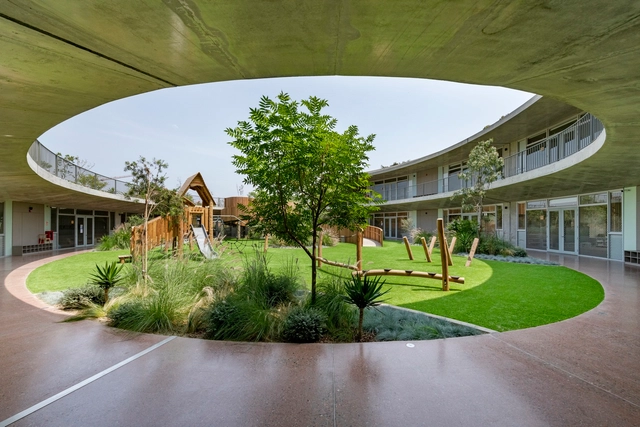
Creating an educational setting is a specific and sensitive task. Merging children's safety and learning optimization requirements with an aesthetic appeal and solid concept can birth some of the most beautiful, unique projects around. One common configuration is the elliptical or circular school. A circular, more specifically ringlike educational setting can suggest a sense of protectiveness and safety with the construction of the embracing surrounding membrane. It is also a practical setup that envelopes multiple functions while linking them, consequently allowing interactive instances through the central courtyard.
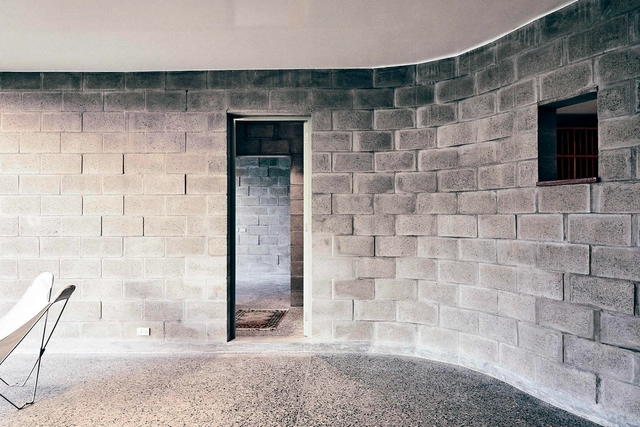
Beyond being a prefabricated material currently produced in large quantities, the use of concrete blocks in architecture continues to evolve to meet the demands and needs of contemporary societies that are constantly changing. Whether in interior or exterior spaces, their use can align with concepts of circular economy, resource efficiency, sustainability, and more, with the goal of creating habitable spaces while also understanding their constructive advantages and disadvantages, their expressive and aesthetic qualities, and so on.
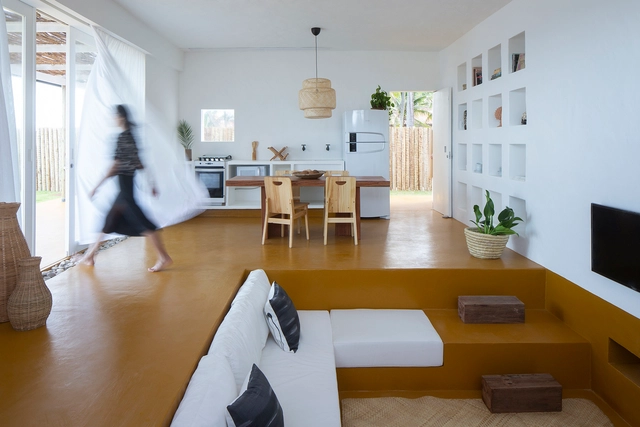
Implemented as a means to take full advantage of space, built-in furniture has grown in popularity as well as ingenuity as designers tackle the needs and tastes of a wide range of users. It's ability to adapt and integrate into architectural spaces allows it, through a variety of configurations and materials, to fulfill various functions; however, this poses an interesting question. Is it truly the furniture that adapts to our living spaces? Could it not itself become the protagonist and creator of the spaces that we project?
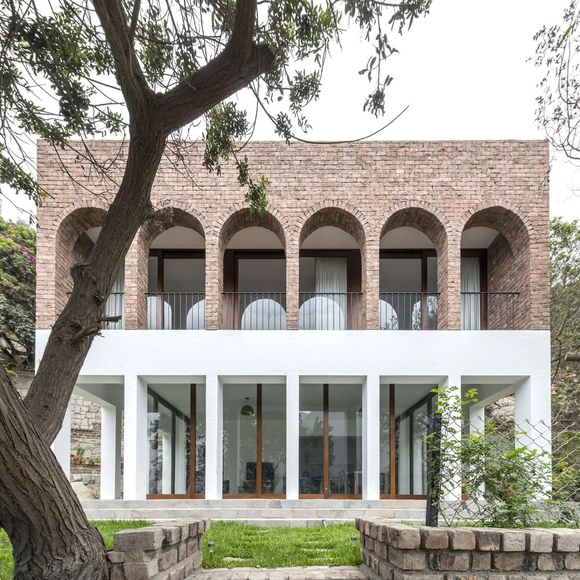
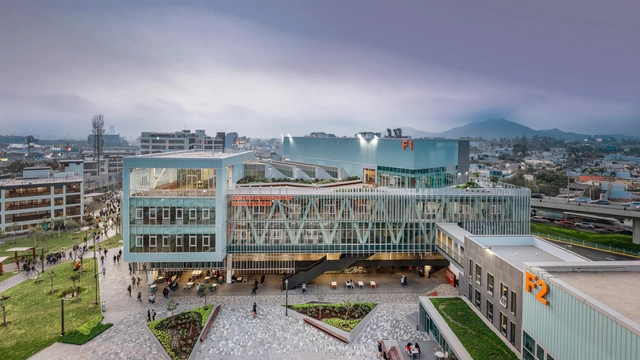
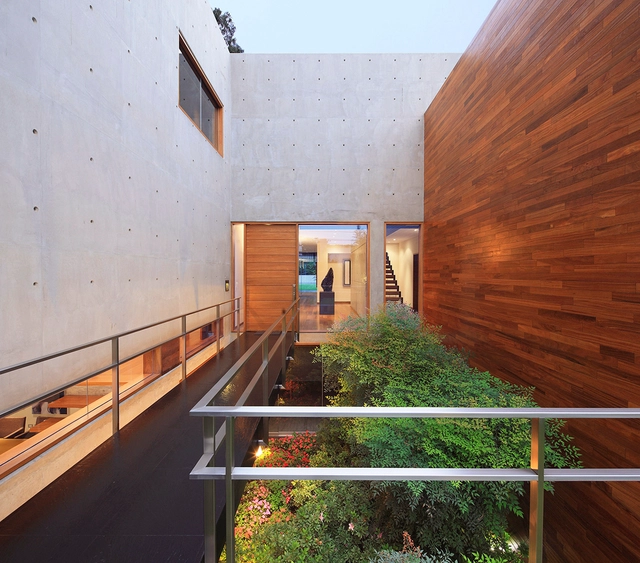
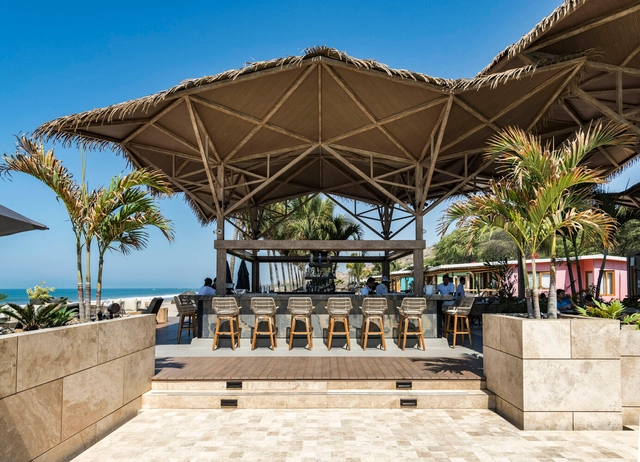
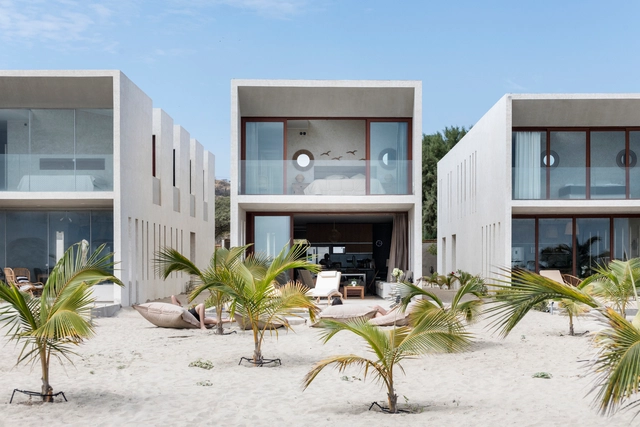
With the exception of some areas, within the three principal regions of Peru--coastal, mountain, and rainforest--the climate is characterized as tropical or subtropical and the differences in summer and winter temperatures is minimal, rarely reaching beyond 15 °C and 27 °C. This mild climate has thinned the line between exterior and interior spaces, a fact evident in the region's architecture.
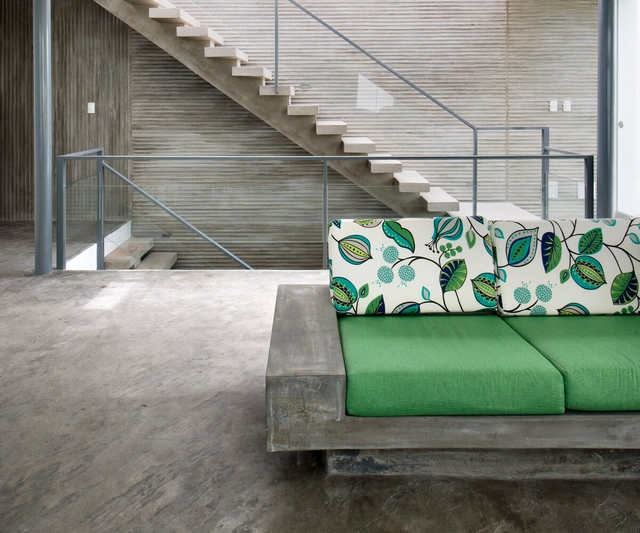
To meet daily needs and ensure domestic routines function smoothly, the interior and exterior spaces of a home require certain fixtures and furniture—no matter how minimal or essential they may be. In many cases, selecting and designing the furniture that will complement the architectural project is relegated to a post-construction phase and, typically, left to the clients themselves.
However, for some architects, furniture design is considered an integral part of the project. Capitalizing on the plasticity and malleability of certain materials, they choose to integrate interior furniture directly with the architecture. In their designs, benches, shelves, and countertops merge with the spatial language, unfolding sculpturally to extend the surfaces of floors, walls, and partitions.