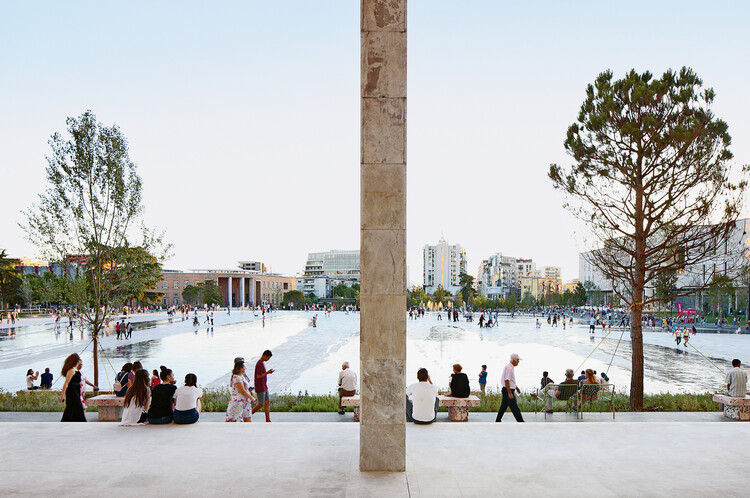
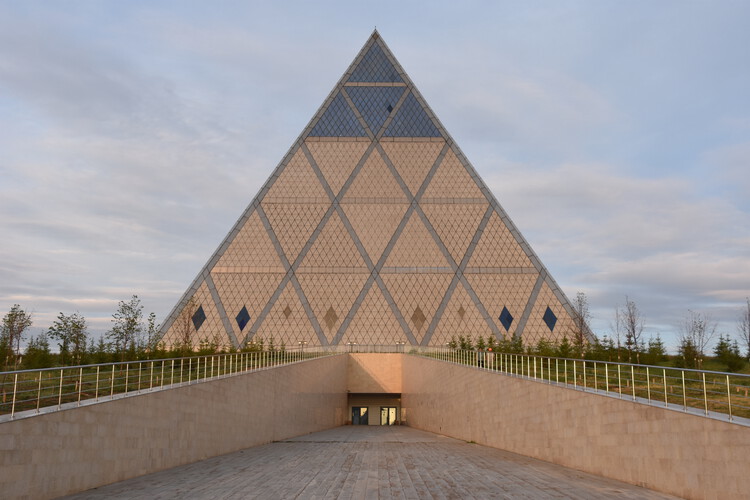
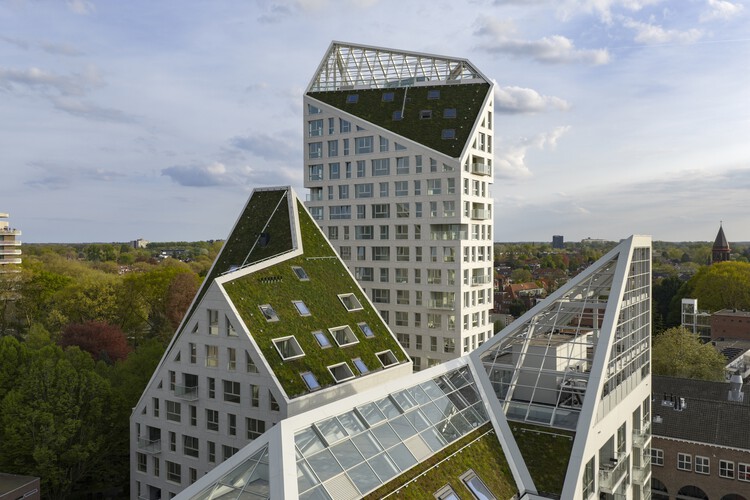
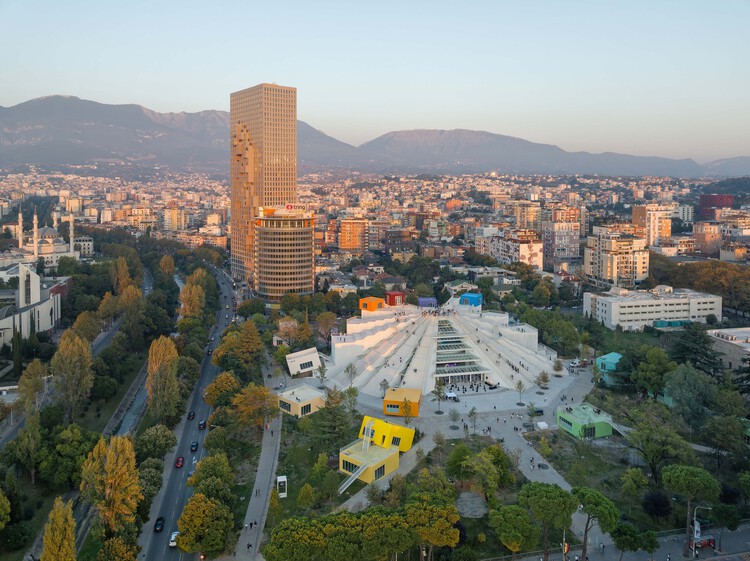
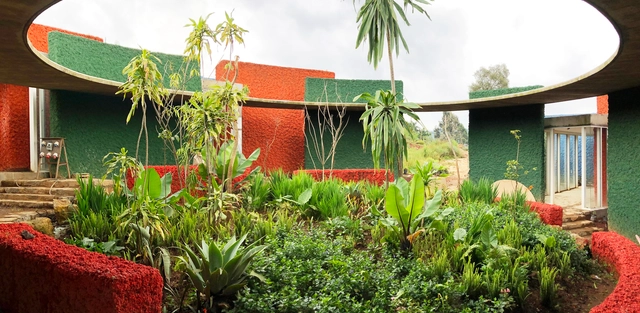
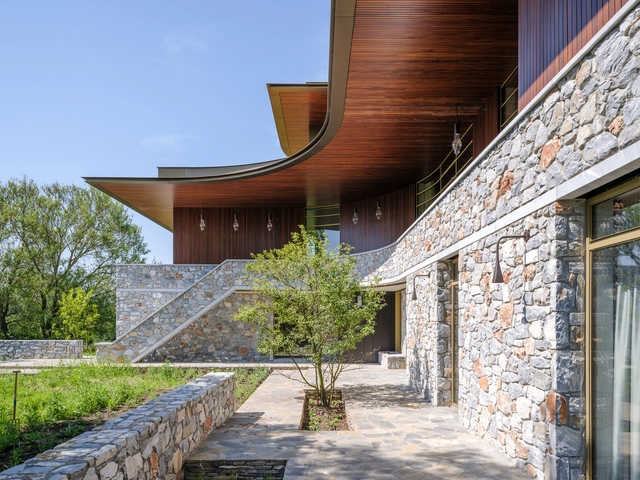
For the past twenty years, Albania has been one of the most active construction territories in Europe. Dozens of international architects have been working there on projects that promise to alter the drawing, the structure, and the cities of a country still recovering from the regimes of the last century. To acknowledge that growth, and those changes in the landscape, is also to acknowledge that behind every form there is a story, and that there are files that tell us more than architecture itself.
Edited by Anneke Abhelakh and published by Lars Müller Publishers, with a foreword by Prime Minister Edi Rama, The Albanian Files has compiled two decades of work of sixty international architecture offices working in Albania into a dense publication whose format, color, and sheer presence amount to a statement in the reading of the country's recent history. The publication works as an extended document, a cartography of what these processes left behind. Much of what takes shape across its pages describes structures of power, patterns of commissioning, and positions whose consequences have proved controversial. Revealing is a sign of transparency, but it is also a sign that some things should never have been hidden in the first place. Albania, more than ever, with its aspirations to open a territory and its growing wish to engage with the world (through tourism and the prospect of EU membership), needs this clarity.