

-
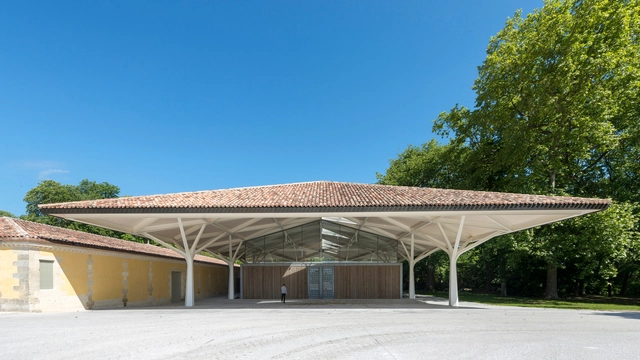
Architects: Foster + Partners
- Area: 1922 m²
- Year: 2016
-
Manufacturers: Aurubis, Blumer Lehmann, 3V Architectural Hardware, Benchmark Furniture
-
Professionals: Foster + Partners, Dan Pearson Studio, Gardiner & Theobald
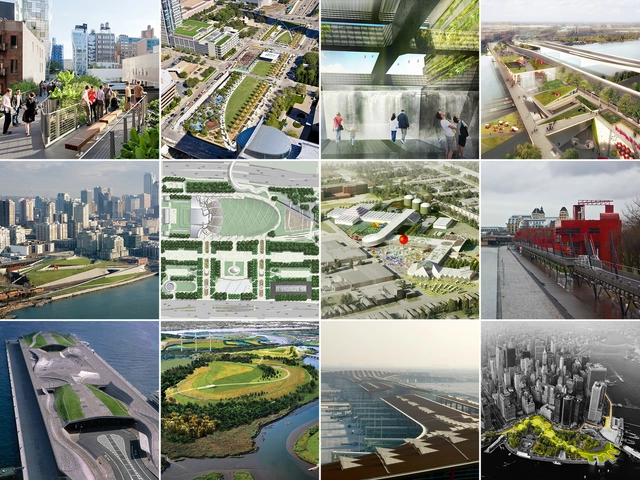
In his new book Landscape as Urbanism, Charles Waldheim, the John E. Irving Professor and Chair of Landscape Architecture at Harvard University’s Graduate School of Design, argues that in order to understand the twenty-first century metropolis, “a traditional understanding of the city as an extrapolation of architectural models and metaphors is no longer viable given the prevalence of larger forces or flows. These include ruptures or breaks in architectonic logic of traditional urban form as compelled by ecological, infrastructural, or economic change.”
In other words, spatial constructions in urban environments should no longer be attached to intractable functions or intent on isolation, but should instead integrate into the fabric of the city. These types of projects must be flexible to the inevitable changes in functionality and purpose that are byproducts of economic change and evolutions in land-use intentions. The dozen projects featured here are exemplary of such practices, both in how they adapt to past interventions and in how they move beyond the notion of a static future for urban conditions that are perpetually in flux.
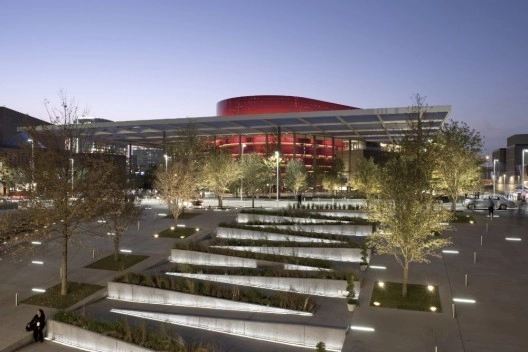
Since the construction of the first high-rise, it seems architectural merit has been weighed most heavily by a building's height. However, Kriston Capps of CityLab notes in his article "For the Best U.S. Architecture Per Square Mile, Head to Dallas" that the concentration of buildings by award-winning and internationally-renowned architects can also put cities on the architectural map. Although Chicago and New York may have taller skylines, he argues, in terms of stellar design density, Dallas can't be beat. Read the full article, here.
A global survey conducted by BD has deemed Foster + Partners to be world’s “most admired architect" for the ninth consecutive year. The London-based practice, led by Norman Foster, is the 16th largest practice in the world. Foster + Partners’ ranking was undeniable, as the survey revealed a significant seven percent lead over runner-up contender, Herzog & de Meuron.
“To be voted most admired practice by our peers is a great honor,” said Norman Foster. “It is a huge tribute to our talented and hard-working teams with their myriad skills and disciplines, both in our many studios around the world and our base in London, all working towards the common goal of bringing innovative design solutions to create a better built environment.”
See who else topped the list as the world’s “most admired,” after the break.

Berlin-based editor Max Tholl of The European Magazine has shared with us his interview with Norman Foster on the role of architecture in today’s society.
The European: Lord Foster, architects design buildings that will characterize cities for decades or even centuries to come. How difficult is it to design buildings for an unknown future?
Foster: Flexibility is a key consideration. We design with an awareness that circumstances will change – that a building’s context will evolve; it may be used in different ways and will need to incorporate new technologies that we cannot yet predict.
The complete interview, after the break.
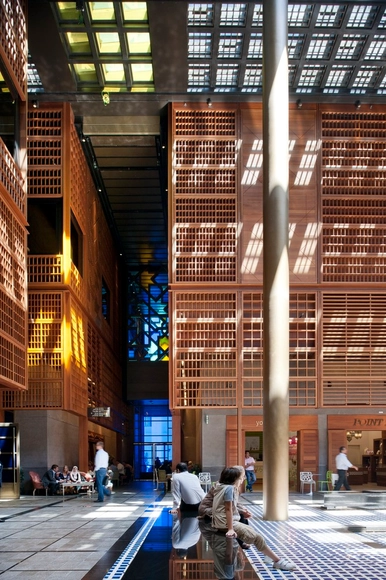
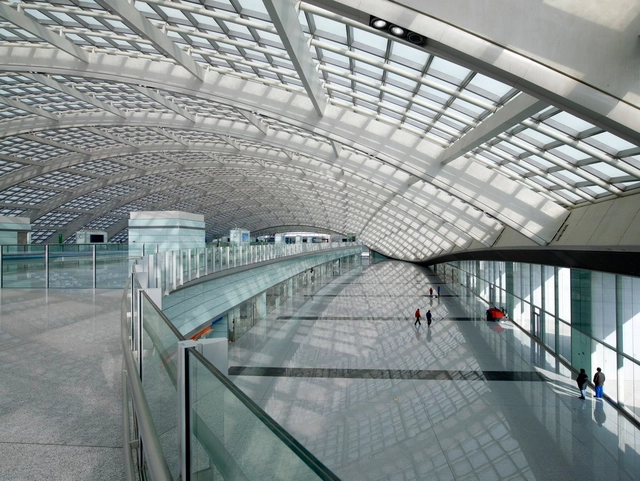
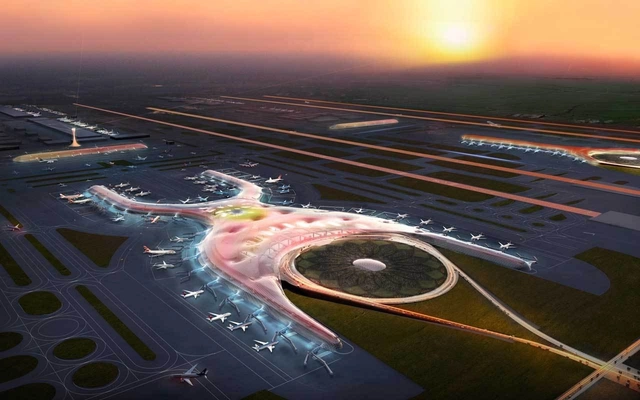
ADP Ingénierie (ADPI), part of the French airport authority Aéroports de Paris (ADP), has won the competition to design Terminal 1 at Beijing's new Daxing Airport, beating both Foster + Partners, and a team composed of the China Civil Aviation Construction Group Corporation (CACC) and the Beijing Institute of Architectural Design. The design competition for the 700,000 square meter airport was announced in July 2011, with Beijing New Airport Construction Headquarters (BNAH) putting the submissions through "a long and rigorous selection process," according to ADP.
Foster lost out on the competition despite having designed Terminal 3 at Beijing's main airport, which at the time of completion in 2008 was the largest airport terminal in the world. However owing to the rapid rise in use of air transport in China that airport is already running at full capacity, necessitating the creation of another airport at Daxing, 60 kilometres south of Beijing.

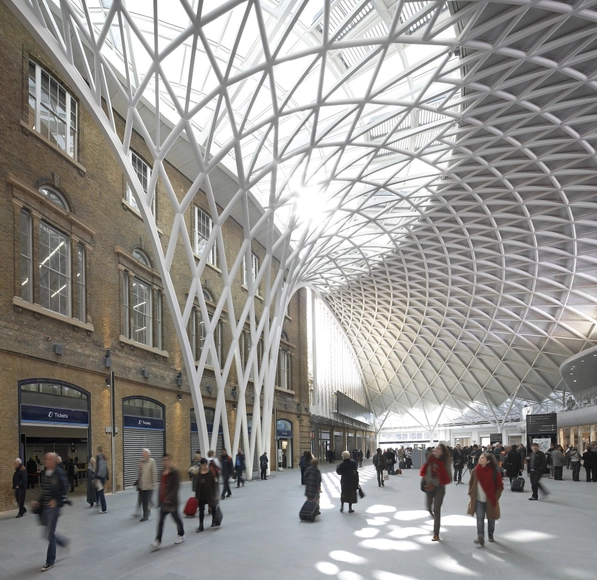
The Royal Institute of British Architects (RIBA) has announced the 44 buildings in the UK and 12 EU projects to win 2014 RIBA National Awards. The list includes instantly recognizable projects such as The Shard by Renzo Piano and Mecanoo's Library of Birmingham, but also rewards plenty of well-crafted smaller projects, for example Lens House by Alison Brooks Architects.
From this list of National winners, the RIBA will select the shortlist for the RIBA Stirling Prize, which will be revealed next month. See the full list of winners after the break.
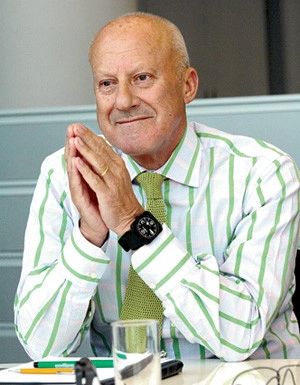
Foster + Partners has been named the UK's biggest architecture practice for the third year running in the annual AJ100 run by the Architects' Journal. The list of the top 100 architecture practices in the UK, based on the number of fully qualified architects employed, was announced at an awards ceremony last night in London.
In the past year Foster + Partners has almost doubled its lead at the top of the list, with its 290 architects putting it 87 ahead of second-place rival BDP, showing how the practice dominates the architecture world not just culturally, but also in terms of business size.
See the top 10 UK practices, as well as the results of the accompanying AJ100 Awards, after the break

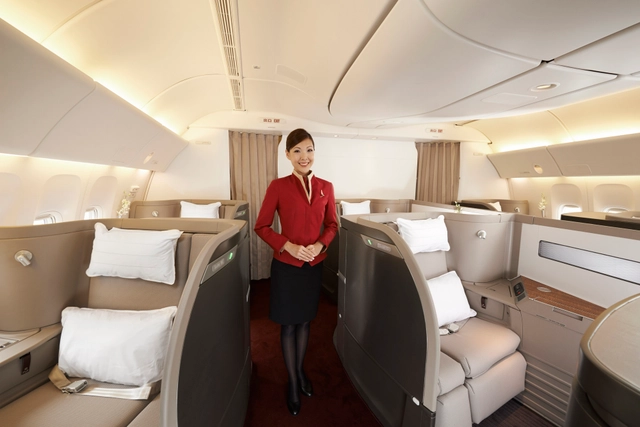
Foster + Partners have completed their first project for a commercial aircraft: the first class cabin for Cathay Pacific's fleet of Boeing 777s. The firm is no stranger to the marriage of architecture and industrial design; they've not only designed yachts and private jets, but have also designed Cathay Pacific's business lounges at Hong Kong International Airport, even developing bespoke furniture (The Solus Chair) for them as well. See more images of the lounge, after the break...