Nigel Young / Foster + Partners

BROWSE ALL FROM THIS PHOTOGRAPHER HERE

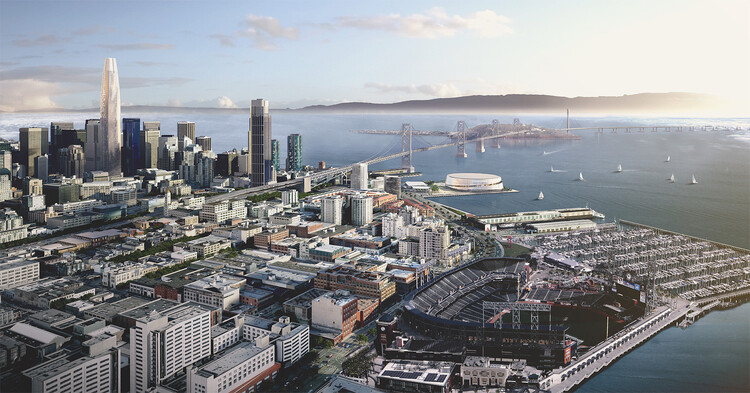
Form, Function, and Funding: The High-Tech Urbanism of San Francisco

Subscriber Access | 
Audio available

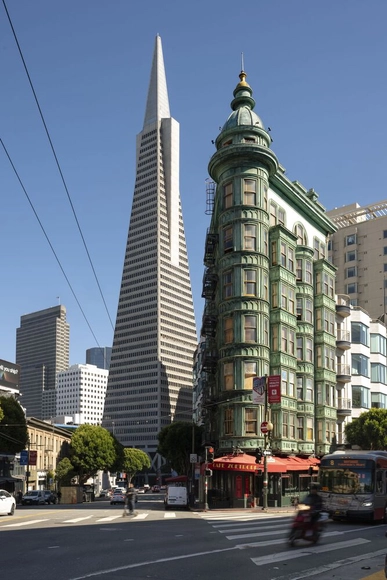
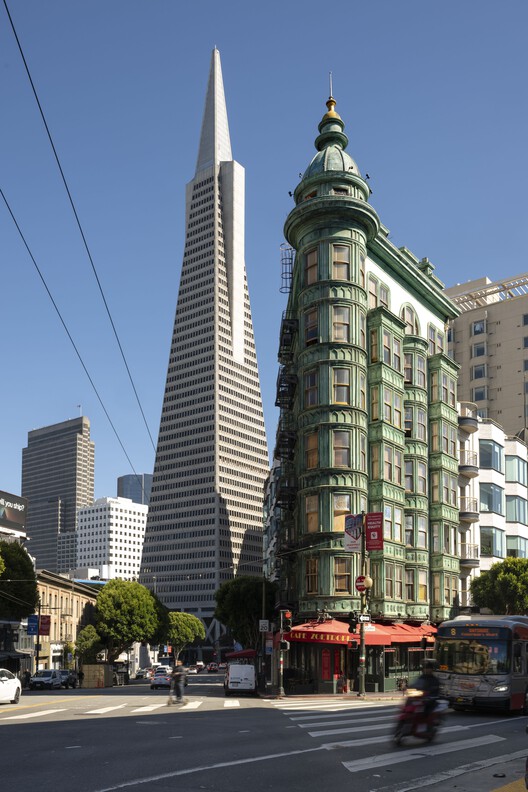
San Francisco is a city that has always remade itself under pressure. Its Victorian streetscapes have survived seismic retrofits and glass towers, its neighborhoods defined as much by change as by its resistance to change. But no force in the city's history has reshaped the built environment as completely, or as quickly, as the technology economy. What began in the postwar sprawl of Silicon Valley migrated north and inscribed its logic onto the skyline and the lives of residents. The result of this logic is an architectural culture of considerable technical refinement and refined material palettes, yet one that remains largely indifferent to the existing population.

The cost of indifference is measurable and mounting. San Francisco must accommodate more than 82,000 additional housing units by 2031 under California's Regional Housing Needs Allocation framework, in a city where median rent already ranks among the highest of any American metropolitan area. Teachers, healthcare workers, and service employees are actively displaced by a real estate market calibrated to a single sector's income levels rather than the city's largest workforce.

Form, Function, and Funding: The High-Tech Urbanism of San Francisco - More Images+ 25

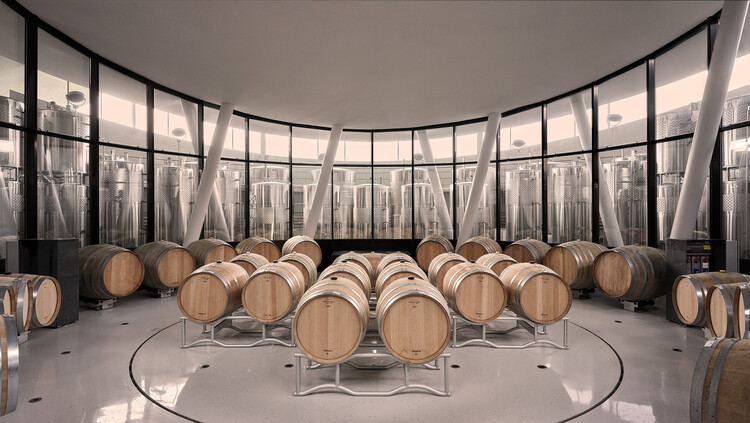
Architecture of Wine: 15 Contemporary Wineries Around the World

Subscriber Access | 

Wine production has long been tied to place, climate, and culture, and in recent decades, architecture has become a central part of this relationship. Wineries are no longer understood only as functional facilities for fermentation, storage, and distribution, but also as spaces where landscape, materiality, and visitor experience intersect. From subterranean cellars hidden beneath fields to sculptural landmarks rising in rural territories, these buildings shape the identity of winemaking regions while offering visitors a carefully choreographed encounter with the process of production.

At the intersection of agriculture, tourism, and culture, wineries present architects with unique opportunities to merge technical requirements with a spatial narrative. They must respond to environmental conditions, manage temperature and humidity with precision, and integrate with delicate ecosystems, while also providing spaces for tasting, gathering, and celebration. As a result, the typology has given rise to a wide range of architectural solutions. Some are rooted in tradition and local craft, others are exploring advanced technologies and contemporary forms.

Architecture of Wine: 15 Contemporary Wineries Around the World - More Images+ 45

Why Sit by the Dock of the Bay? Designing Thresholds to the Water

Subscriber Access | 

Boat docks and harbors are liminal spaces where the shore marks the meeting of land and water, and serve as a space for the convergence of culture, industry, and community. For those who work at sea, from commercial fishers to marine freight operators, the dock is a threshold between labor and rest, between oceanic uncertainty and terrestrial stability. For others, the dock serves as a gateway to recreation, sport, and adventure, accommodating everything from rowing clubs to family sailing trips. And for many who never board a vessel, the dock offers a powerful connection to the marine environment where one can pause, observe, and engage with the rhythmic tides.

Why Sit by the Dock of the Bay? Designing Thresholds to the Water - More Images+ 48

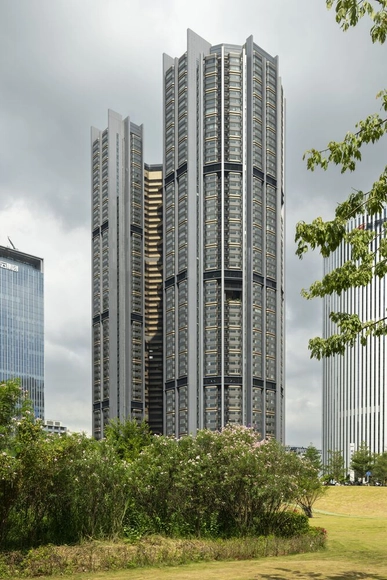
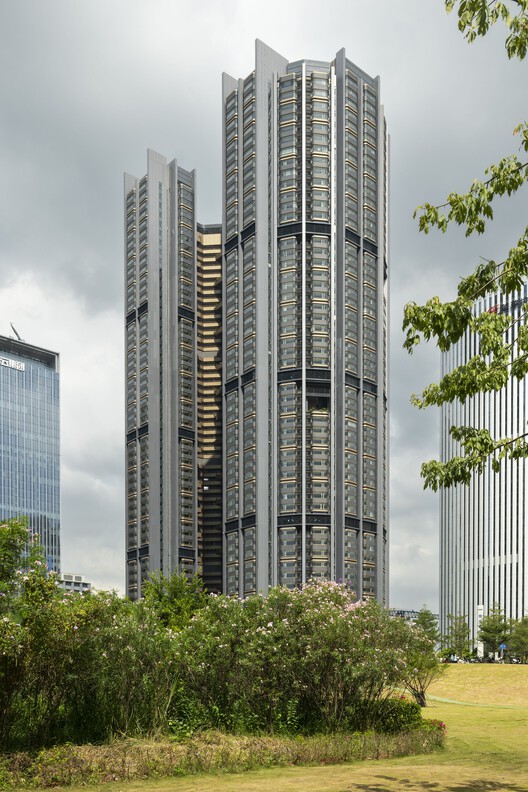
Grand Bayview Qianhai Residential Towers / Foster + Partners

Grand Bayview Qianhai Residential Towers / Foster + Partners - More Images+ 13

  • Architects: Foster + Partners
  • Area Area of this architecture project Area:  14700
  • Year Completion year of this architecture project Year:  2025

Transamerica Pyramid Center / Foster + Partners

Transamerica Pyramid Center / Foster + Partners - More Images+ 18

The Evolution of Gas Stations: From Roadside Stops to Architectural Landmarks

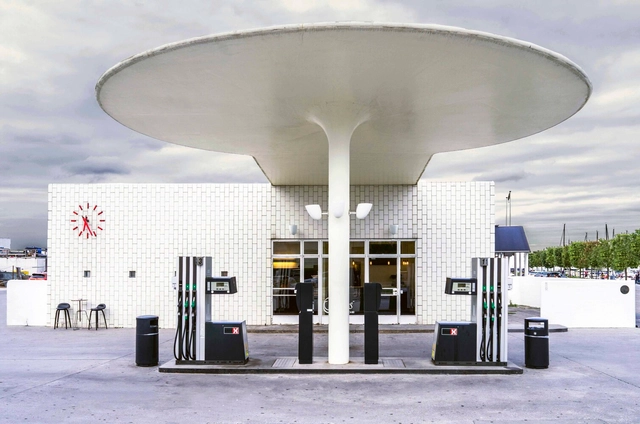
The gas station is an architectural typology that has undergone significant transformations since its inception. Initially, these structures were simple roadside refueling points designed for functionality rather than aesthetics. As automobile culture expanded, gas stations evolved to accommodate new technologies, shifting urban landscapes and changing consumer behaviors. Over time, they became more than just utilitarian stops — they developed into service hubs, integrating restaurants, motels, and leisure spaces, responding to contemporary transportation increasing demands.

By the late 20th century, however, the widespread standardization of gas stations led them to be perceived as "non-places", a concept defined by anthropologist Marc Augé to describe transient spaces that lack social or cultural significance. With uniform designs and a focus on efficiency, gas stations became interchangeable, reinforcing their role as purely functional infrastructure rather than meaningful architectural interventions. This standardization also departed from the era when fuel stations served as recognizable landmarks, contributing to a homogenized landscape devoid of local identity.

The Evolution of Gas Stations: From Roadside Stops to Architectural Landmarks - More Images+ 41

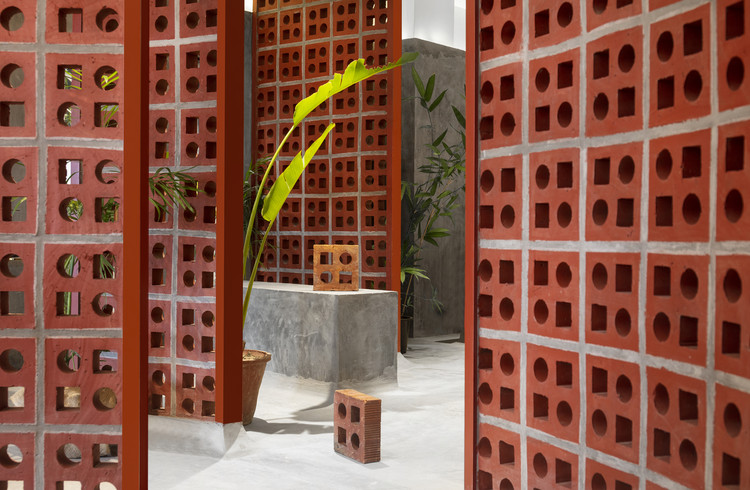
Perforated Architecture: 20 Projects that Bring Back the Historic Musharrabiya

Subscriber Access | 

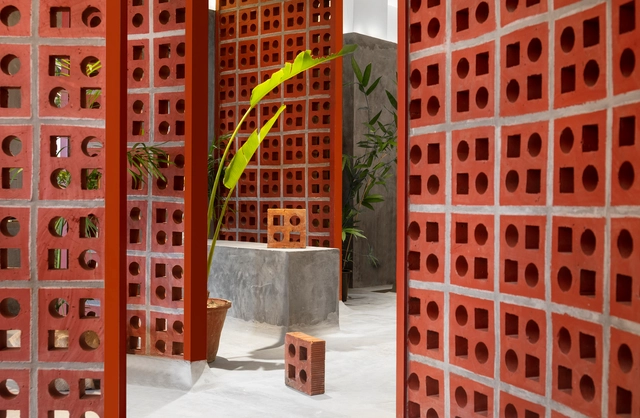
There is often an intricate relationship between architecture and the environment. Each part of the world has defined its own architectural techniques based on its unique climatic conditions. However, environmental concerns in the 21st century provoked new techniques, implementing solutions to preserve natural resources and provide thermal comfort. While some opted for a futuristic approach with mechanical and technologically-advanced solutions, others decided to go back in time and explore how civilizations protected their people, architecture, and environment when they had nothing else to resort to but the environment itself. In this article, we look at how Musharrabiyas found their way back into modern-day architecture as significant vernacular features.

Perforated Architecture: 20 Projects that Bring Back the Historic Musharrabiya - More Images+ 23

Dolunay Villa / Foster + Partners

Dolunay Villa / Foster + Partners - More Images+ 19

Muğla, Türkiye

Principal Tower / Foster + Partners

Principal Tower / Foster + Partners - More Images+ 26

Comcast Technology Centre / Foster + Partners

Comcast Technology Centre / Foster + Partners - Exterior Photography, Office Buildings, Facade, Cityscape
© Nigel Young / Foster + Partners

Comcast Technology Centre / Foster + Partners - More Images+ 38

Spotlight: Norman Foster

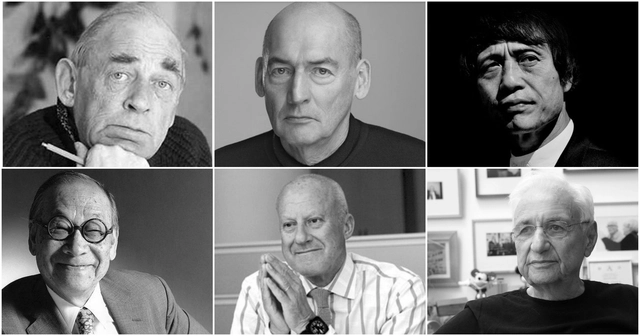
Arguably the leading name of a generation of internationally high-profile British architects, Norman Foster (born 1 June 1935)—or to give him his full title Norman Robert Foster, Baron Foster of Thames Bank of Reddish, OM, HonFREng—gained recognition as early as the 1970s as a key architect in the high-tech movement, which continues to have a profound impact on architecture as we know it today.

Spotlight: Norman Foster - Image 1 of 4Spotlight: Norman Foster - Image 2 of 4Spotlight: Norman Foster - Image 3 of 4Spotlight: Norman Foster - Image 4 of 4Spotlight: Norman Foster - More Images+ 41

22 of the World’s Greatest Architecture Projects Selected by Time Magazine

Time Magazine’s list of the World’s Greatest Places 2018 celebrates 100 destinations to visit, stay, eat, and drink from around the world. Chosen by Time’s global team of editors and correspondents, the contenders have been evaluated on quality, originality, innovation, sustainability, and influence.

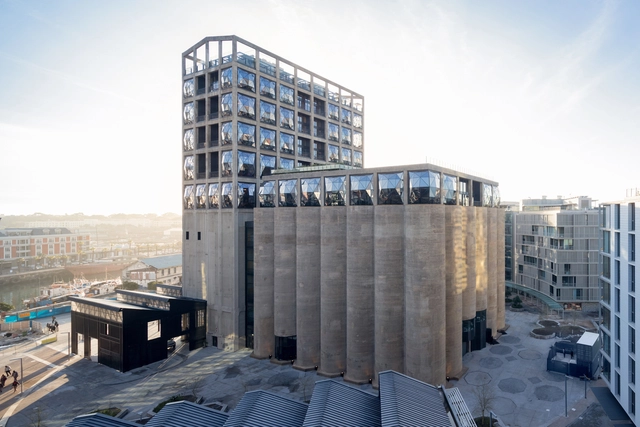
The list features many architectural delights young and old, designed by famous architects past and present. Ranging from a treehouse in Sweden to a soaring art museum in South Africa, the projects are united by their architectural excellence, worthy of exploration by both architects and the general public.

The Murray Hotel / Foster + Partners

The Murray Hotel / Foster + Partners - Hotels
© Nigel Young / Foster + Partners

The Murray Hotel / Foster + Partners - More Images+ 32

Hong Kong, Hong Kong (SAR)

3Beirut / Foster + Partners

3Beirut  / Foster + Partners - More Images+ 18

The Unexpected First Jobs of Seven Famous Architects

Subscriber Access | 

Seniority is infamously important in the field of architecture. Despite occasionally being on the butt end of wage jokes, the field can actually pay relatively well—assuming that you’ve been working for a couple of decades. Even Bjarke Ingels, the tech-savvy, video-producing, Netflix-documentary-starring provocateur and founder of the ultra-contemporary BIG isn’t a millennial; at 42 the Dane is a full nine years older than Mark Zuckerberg.

As a result of this, it's common to lead a rich and complex life before finding architectural fame, and many of the world’s most successful architects started their careers off in an entirely different field. If you haven't landed your dream job yet, you may find the following list of famous architects' first gigs reassuring.

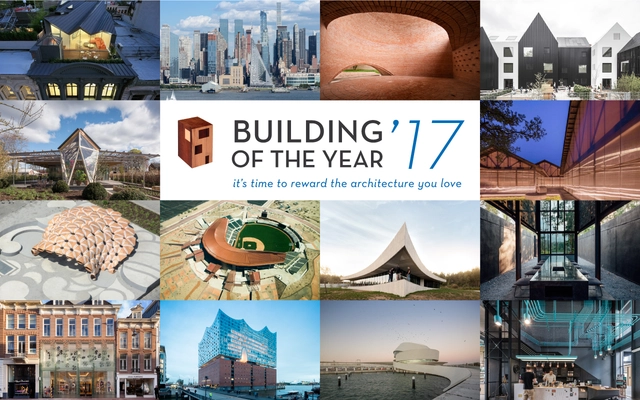
The 16 Stories Behind the 2017 Building of the Year Award Winners

After two weeks of nominations and voting, last week we announced the 16 winners of the 2017 Building of the Year Awards. In addition to providing inspiration, information, and tools for architecture lovers from around the world, ArchDaily seeks to offer a platform for the many diverse and global voices in the architecture community. In this year's Building of the Year Awards that range of voices was once again on display, with 75,000 voters from around the world offering their selections to ultimately select 16 winners from over 3,000 published projects.

Behind each of those projects are years of research, design, and labor. In the spirit of the world's most democratic architecture award, we share the stories behind the 16 buildings that won over our global readership with their urban interventions, humanitarianism, playfulness, and grandeur.

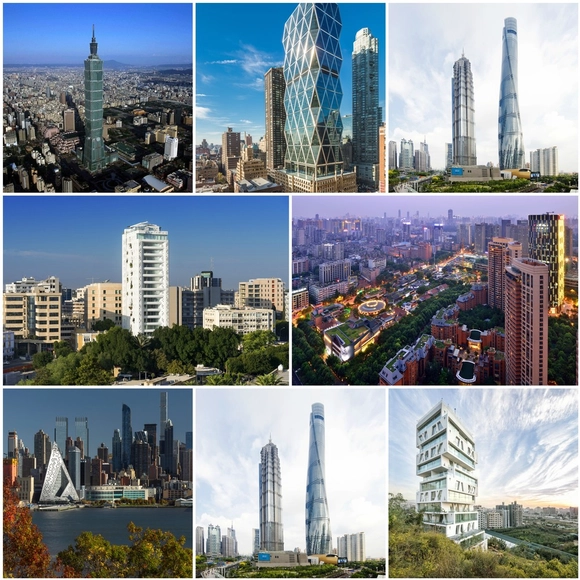
CTBUH Names Winners of 2016 Tall Building Awards

The Council on Tall Building and Urban Habitat have announced the winners of the 15th edition of the CTBUH Tall Building Awards. From over 100 submissions, the best buildings from four regions – the Americas, Asia & Australasia, Europe and Middle East & Africa – were selected, along with recipients of the Urban Habitat Award, the Innovation Award, the Performance Award and the 10 Year Award. The CTBUH will pick a global winner from the regional selections later this year.

The towers were chosen by a panel of architects from world-renowned firms and were judged on every aspect of performance, looking in particular for “those that have the greatest positive impact on the individuals who use these buildings and the cities they inhabit.”

Read on for the list of winners.

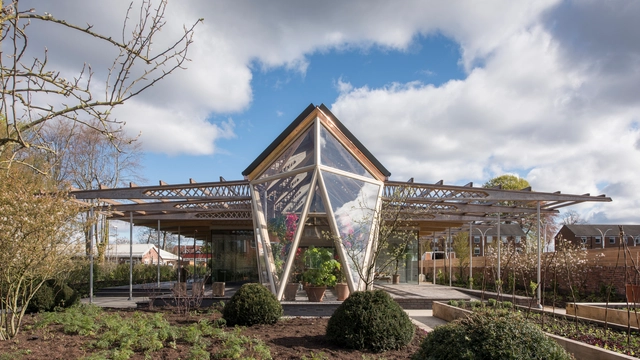
Maggie's Cancer Centre Manchester / Foster + Partners

Maggie's Cancer Centre Manchester / Foster + Partners - More Images+ 53