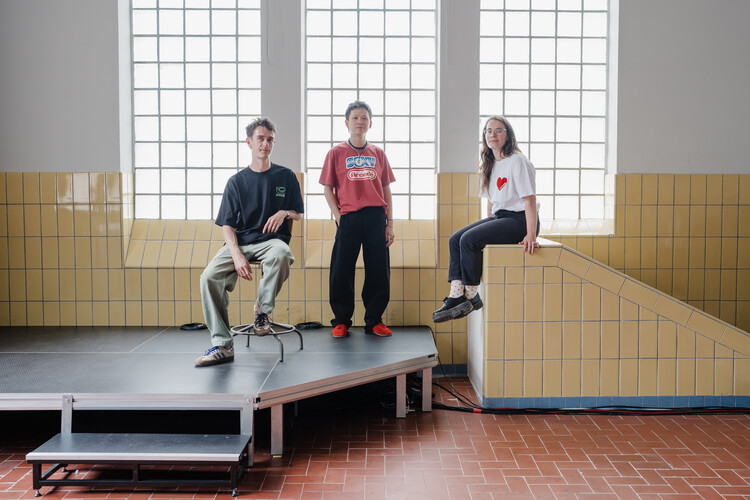
A jury of arts and architecture professionals recently announced the selected curatorial proposal for the Luxembourg Pavilion at the Biennale Architettura 2027. The exhibition will be curated by housing expert Céline Zimmer and architects Bùi Quý Sơn and Paul-Antoine Lucas, co-founders of the critical spatial practice Exutoire, one of the winning practices of the ArchDaily 2026 Next Practices Awards. The proposal is titled "Excess! On the Overconsumption of Living Space" and addresses the inequitable distribution of living space as a reflection of "broader habits of excess that contribute to the current housing and ecological crises." The issue will be illustrated through a dialogue between the realities of Luxembourg and Vietnam to reflect on spatial consumption. The Luxembourg Pavilion is located on the first floor of the Sale d'Armi in the Arsenale, which will open to the public for the Biennale on May 8, 2027.
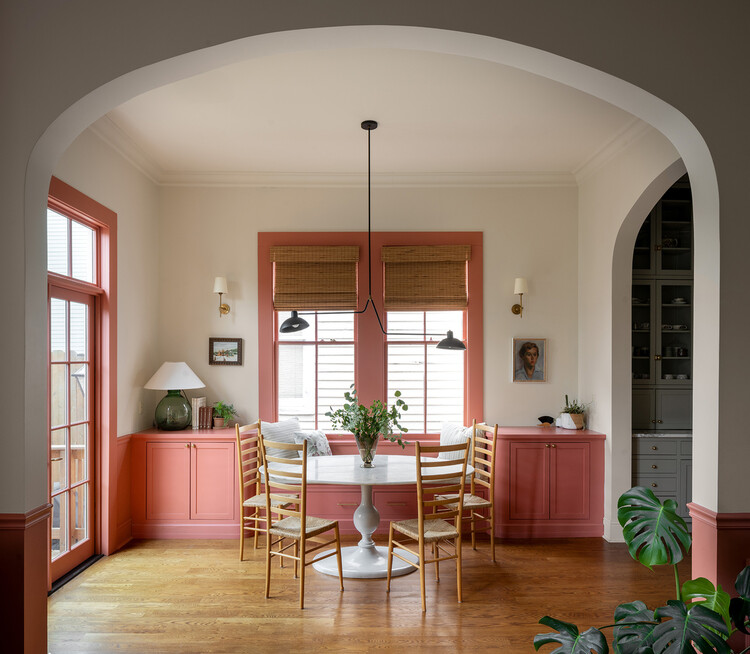
Breakfast nooks emerged in the early twentieth century in response to increasing domestic density and shifting ideas about everyday life. Rooted in the American Arts and Crafts movement and popularized through bungalow housing of the 1910s and 1920s, they evolved from the more formal Victorian breakfast room into compact, built-in spaces embedded within the kitchen. As houses grew smaller and more economical, architects and millwork companies used fixed benches and tables to occupy corners, alcoves, and bay windows that might otherwise be inefficient. These light-filled enclosures provided an affordable means of concentrating daily activities while preserving comfort and spatial clarity.
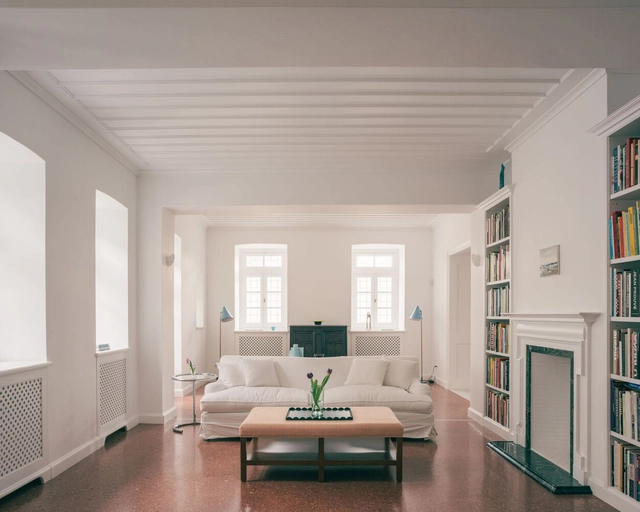
As 2025 approaches its end, we look back at an eventful year in the world of interior design. Last year, designers favored reserved, modest approaches, a trend that continued from previous years. The emergence of artificial intelligence generated intense discussions on digital equity and misinformation, which continued into 2025, especially with the topic of the Venice Architecture Biennale, Intelligens. This opened the conversation to the opportunities of digital technologies, attempting a more hopeful outlook. On the other hand, completed interior design projects over the year focused more on the tangible and the pragmatic, with expressed raw materials and an appreciation of history.