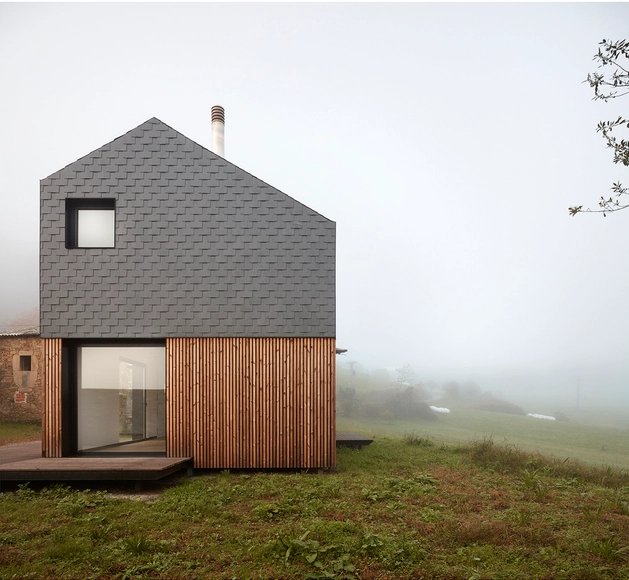
Every child has drawn a house. Perhaps a sunny day with some clouds, a leafy tree, a family with a dog, low wooden fences, or even a car. But in these drawings, they will almost certainly draw a simple rectangle with a gable or hip roof. This archetype of the house appears in virtually all cultures, and even today many architects use it for contemporary projects.
In addition to the primary function of draining rainwater and snow, and thus protecting the building from the weather, roofs can be an important aesthetic device for composing a project. In modern architecture, waterproof roof slabs emerged as a popular alternative, but sloping roofs have continued to captivate both clients and architects. In this article, we will cover the various types of roofs and, more specifically, the manufacturing process and characteristics of natural slate tiles.
The Brundtland Report, 1987 - "Our Common Future" - introduced the notion that the sustainable use of natural resources must "meet the needs of the present generation without affecting the ability of future generations to meet theirs." Since then, the term sustainability has been popularized and, often, trivialized in our daily lives. In the construction industry, this is no different. As much as we know that to build, we need to destroy, how is it possible to mitigate the effects of construction during the useful life and demolition of buildings? A sustainable building, in its design, construction, and operation, must reduce or eliminate negative effects overall and may even generate net positive impacts on the climate and environment – preserving resources and improving the quality of life of the occupants simultaneously. To say that a building is sustainable is easy and even seductive. But what exactly makes sustainable construction?
Answering this question is not a simple exercise. That is why, in the last 30 years, several building sustainability certifications have been created. Through outsourced and impartial evaluations from different sources, they aim to verify the sustainable aspects of any construction. Each of them addresses particular building elements and is typically focused on certain regions of the world. While there are some certifications that verify whether the building meets certain efficiency criteria, others create different classifications, assigning a score based on these evaluations. Below, we list some of the primary sustainability certifications around the world – ranked alphabetically – and include their main architectural applications alongside a brief explanation:
Following an exciting week of nominations, ArchDaily’s readers have evaluated over 800 projects and selected 10 finalists of the Building of the Year Award. Over 20,000 architects and enthusiasts participated in the nomination process, choosing projects that exemplify what it means to push architecture forward. These finalists are the buildings that have inspired ArchDaily readers the most.
https://www.archdaily.com/937645/archdaily-china-building-of-the-year-2020-awards-the-finalists韩爽 - HAN Shuang
Design and the City is a podcast by reSITE, raising questions and proposing solutions for the city of the future. In the sixth episode, Marianthi Tatari, Associate Director and Senior Architect at UNStudio, talks about creating inclusive spaces to connect people and generating 24/7 activity within their projects.
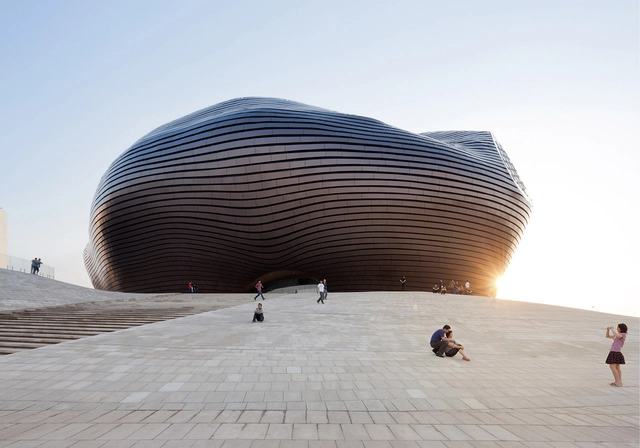
Design and the City is a podcast by reSITE, raising questions and proposing solutions for the city of the future. In the fifth episode, Yosuke Hayano, principal partner for MAD Architects, talks about Creating Emotional Connections to Nature. Always asking “How do you bring modern architecture into the future and connect humans with nature?” Hayano discusses the creative approach of the firm.
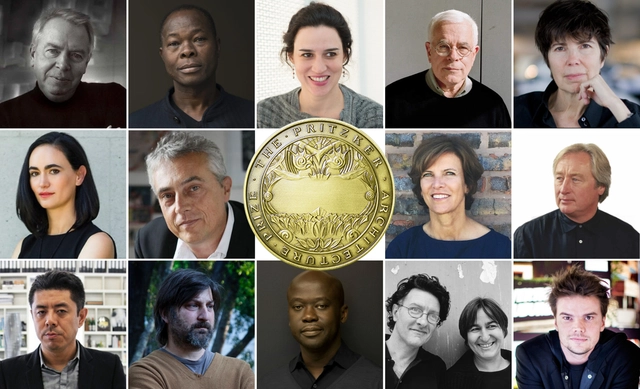
Some of the potential winners of Pritzker Prize 2020, according to our readers in 2019 poll.. Image
Since the winner(s) of the Pritzker Prize 2020 will be announced this Tuesday, March 3, we have asked our readers who should win the most important award in the field of architecture.
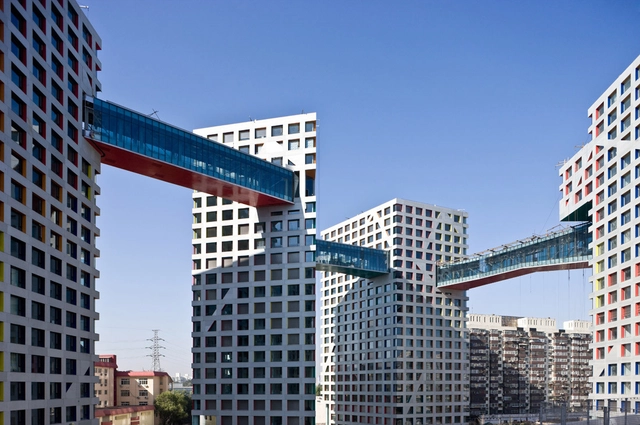
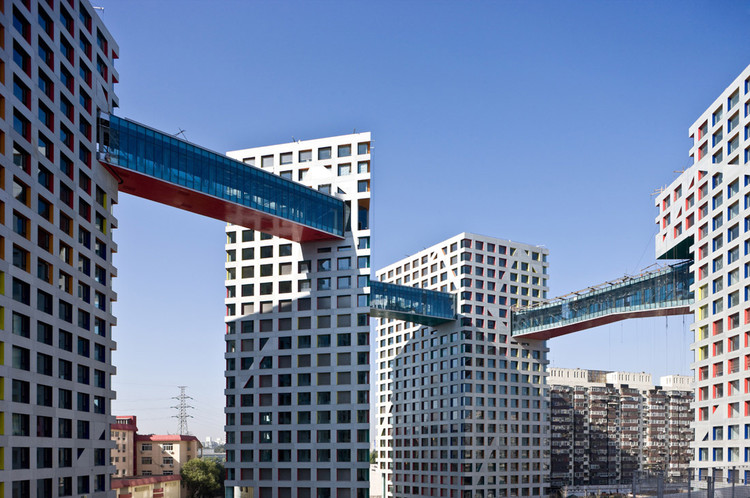
As the founder of Steven Holl Architects, Steven Holl (born December 9, 1947) is recognized as one of the world's leading architects, having received prestigious awards for his contributions to design over the course of nearly forty years in practice, including the prestigious Alvar Aalto Medal in 1998, the AIA Gold Medal in in 2012, and the 2014 Praemium Imperiale. In 1991, Time Magazine named Holl America's Best Architect. He is revered for his ability to harness light to create structures with remarkable sensitivity to their locations, while his written works have been published in many preeminent volumes, sometimes collaborating with world-renowned architectural thinkers such as Juhani Pallasmaa and Alberto Pérez-Gómez.
Founder of the innovative architecture firm MAD Architects, Ma Yansong (born 26 November 1975) has helped to give China a name in the international architecture scene. The first Chinese architect to receive a RIBA fellowship, Ma explores contemporary architecture in relation to traditional eastern values of nature, resulting in buildings that are complex and contextually aware, but sometimes even surreal.
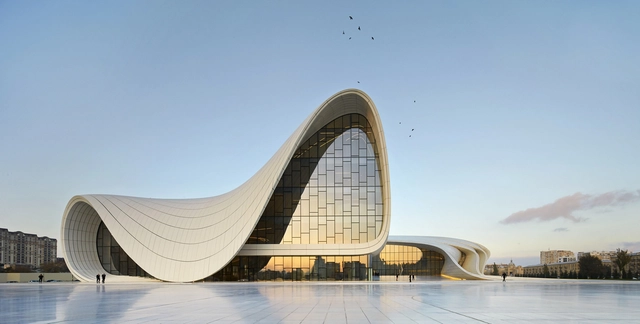
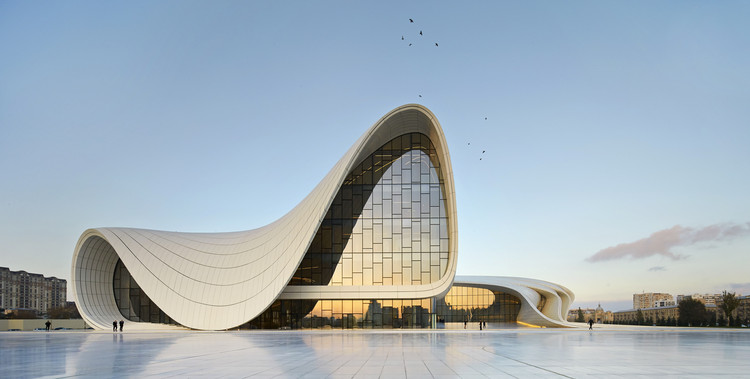
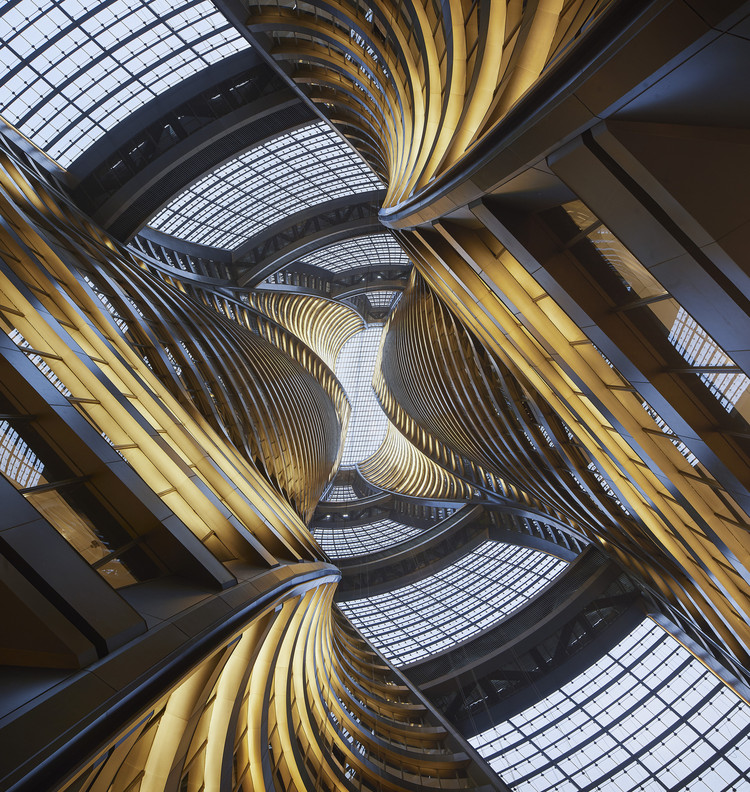
In her lifetime, Pritzker prize-winning architect, fashion designer and artist Zaha Hadid (31 October 1950 – 31 March 2016) became one of the most recognizable faces of our field. Revered and denounced in equal measure for the sensuous curved forms for which she was known, Hadid rose to prominence not solely through parametricism but by designing spaces to occupy geometries in new ways. Despite her tragically early death in March of 2016, the projects now being completed by her office without their original lead designer continue to push boundaries both creative and technological, while the fearless media presence she cultivated in recent decades has cemented her place in society as a woman who needs just one name: Zaha.
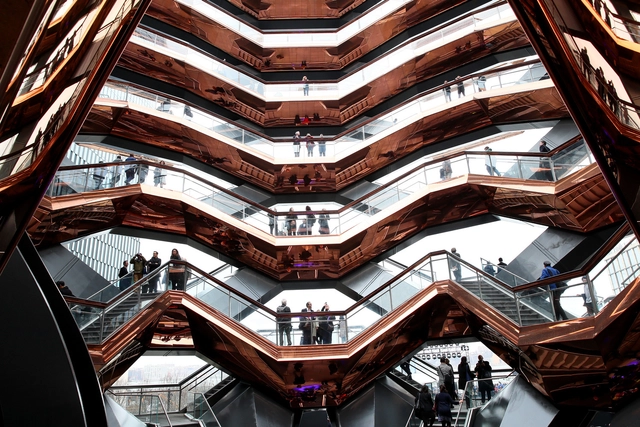
Vessel Public Landmark - Heatherwick Studio. Image Courtesy of Getty Images
Innovation can take on so many definitions. It can revolve around finding solutions, tackling with novel ideas, or just an original way of perceiving life. It can also be a very concrete technological advancement or an intangible concept. There is no right or wrong when it comes to innovation, just different points of view.
ArchDaily had the chance to discuss the topic of Innovation with Thomas Heatherwick and Yosuke Hayano from MAD Architects, during the reSITE 2019 event in Prague, where prominent thinkers from around the world shared their ideas about the future of cities under the theme of REGENERATE. The interdisciplinary conversation, in its 8th edition, explored natural and urban revitalization, as well as the recurring problems of our times like climate change and housing affordability.
"When I am asked what I believe in, I say that I believe in architecture. Architecture is the mother of the arts. I like to believe that architecture connects the present with the past and the tangible with the intangible."
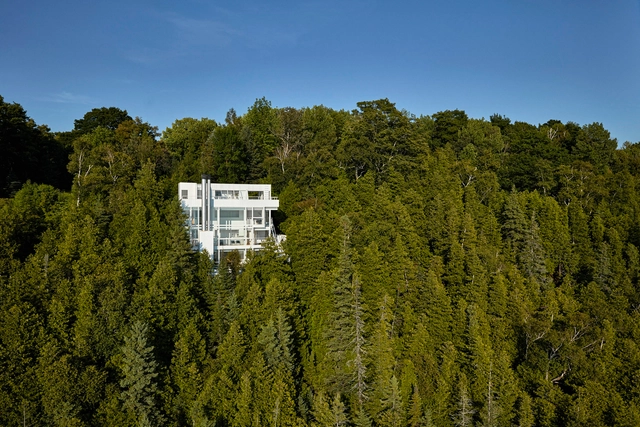
Richard Meier, the Pritzker Prize and AIA Gold Medal-winning architect, is well known for his abstracted, often white, buildings and unrelenting personal design philosophy. Citing Bernini and Borromini as influences as well as Le Corbusier and Louis Kahn, Meier received his Bachelor in Architecture from Cornell University in 1957 and took jobs with Skidmore Owings & Merrill and Marcel Breuer soon after his graduation. He began his own private practice in New York in 1963 and rocketed to architectural fame in the early 1970s, after being named as one of the "New York Five."
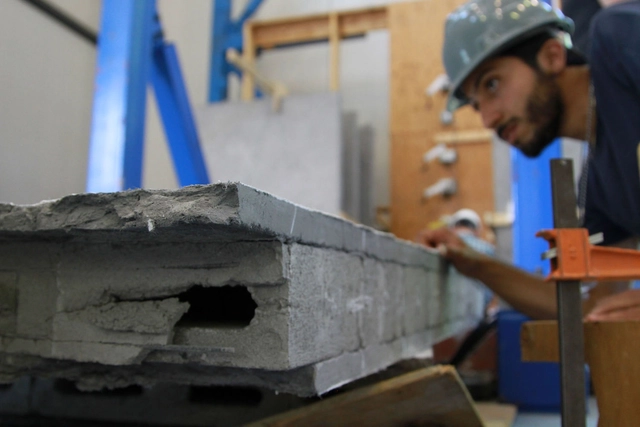
The history of concrete dates back to ancient Rome, approximately 2,000 years ago. The so-called “Roman Concrete” is composed of limestone, volcanic ash, and seawater and it permitted the construction of aqueducts, highways, and temples; many of them still stand to this day. Some time ago, this original mix was discovered to form a mineral called aluminum tobermorite, which gets stronger as time goes by.
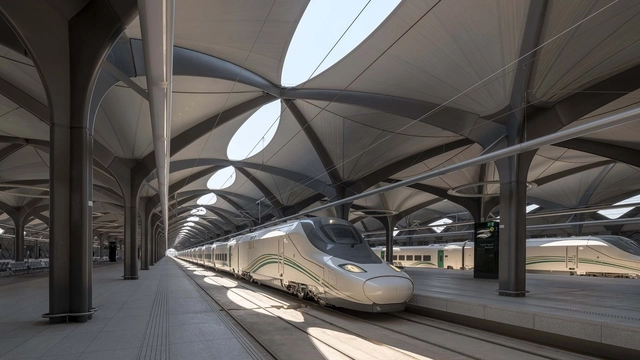
Train stations are usually complex programs since they must not only solve the departure and arrival of trains but also respond to the circulation of its users, provide certain services and be a connecting space between the transport systems of a city. Architects from different parts of the world have developed different solutions to this program. Below you can find 10 examples of train stations, their floor plans and sections.






JakubCervenkai_1_(131_of_589).jpg?1584354067&format=webp&width=230&height=230&crop=true)


TomasPrinc-265.jpg?1584353916&format=webp&width=230&height=230&crop=true)







_MAD_Architects.jpg?1479857306&format=webp&width=230&height=230&crop=true)