


-
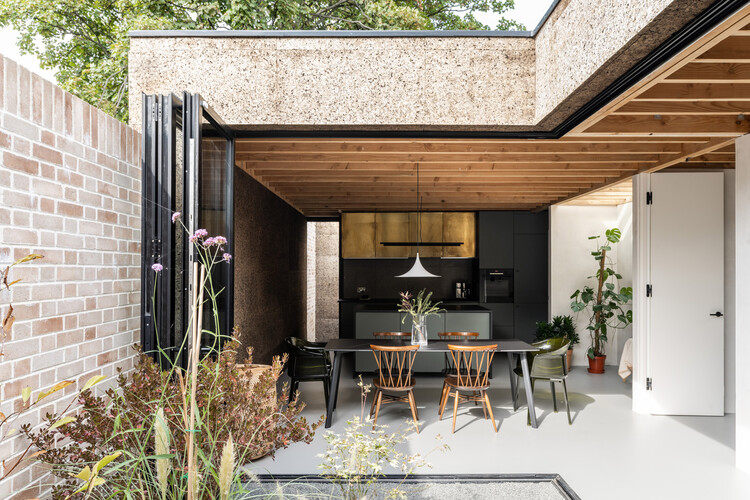
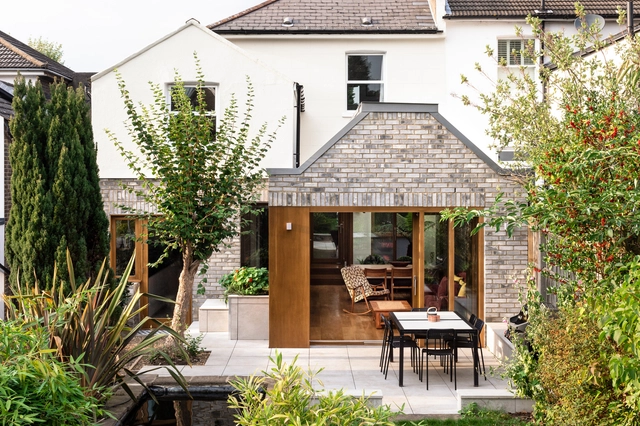
Architects: Polysmiths
- Area: 150 m²
- Year: 2022
-
Manufacturers: Euro Windows (glazing), Mike Wye (cork boards)

What defines the atmosphere of a home? Beyond material palettes and natural light, sound plays a defining role in how spaces are perceived and inhabited. The reverberation of footsteps across stone, the muted calm of a textile-lined room, or the way music carries through an open-plan interior all shape the sensory identity of domestic space. Architecture is experienced not only visually, but acoustically.
The concept of the "soundscape" describes this relationship between people, sound, and the built environment. In residential architecture, sound is more than background noise or technical performance; it influences privacy, concentration, rest, and emotional comfort. Geometry and materiality act as the primary acoustic conductors: while concrete, glass, and stone reflect and amplify, timber and upholstery soften and absorb. Ceiling heights, circulation paths, and room proportions further shape how sound travels and settles across a space.

This article is part of our new Opinion section, a format for argument-driven essays on critical questions shaping our field.
The modern sustainability project is built on the promise that evolving technologies can reconcile urban and economic growth with ecological responsibility. By the metrics developed by the built environment professions and the policies adopted by governments, progress is tangible and accelerating: buildings consume less energy per square foot than they did a generation ago, vehicles emit fewer pollutants per mile, and urban infrastructure is more integrated and measurably cleaner in many cities. And yet total resource consumption continues to rise. Sustainability, as currently practiced across the built environment professions, has become a strategy for optimizing consumption rather than reducing it. Until the profession is willing to question the scale and structure of demand rather than the efficiency with which that demand is met, its most celebrated achievements will continue to fall short of the problem they claim to address.


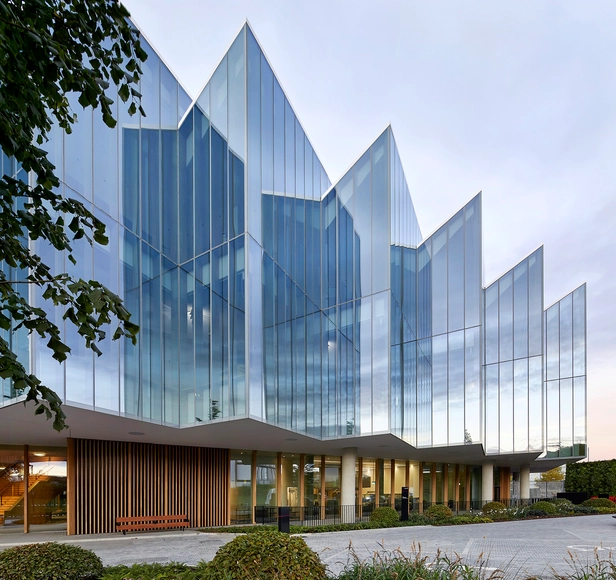
The Royal Institute of British Architects (RIBA) has announced the 20 winners of the 2025 RIBA National Awards, recognising the most significant contributions to architecture across the UK. Presented annually since 1966, the awards celebrate design excellence and provide a valuable snapshot of evolving architectural, cultural, and social trends. This year's winning projects span the length and breadth of the country, from the Isle of Wight to Scotland and Northern Ireland, and represent a wide range of typologies and scales, from major institutional buildings to small-scale residential and community-focused interventions.
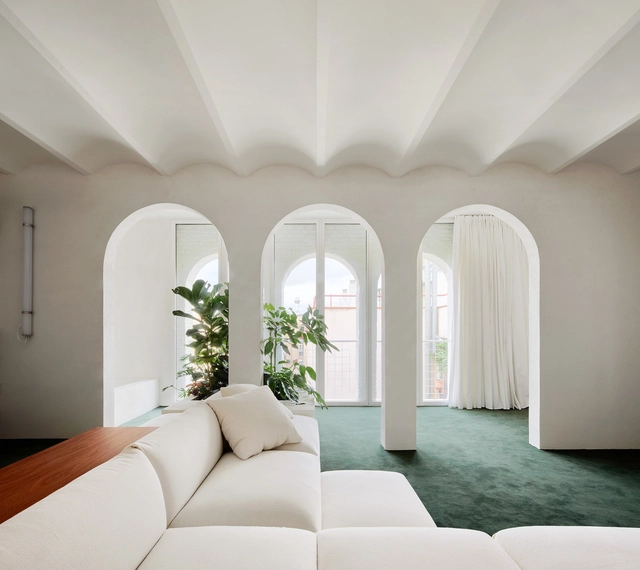
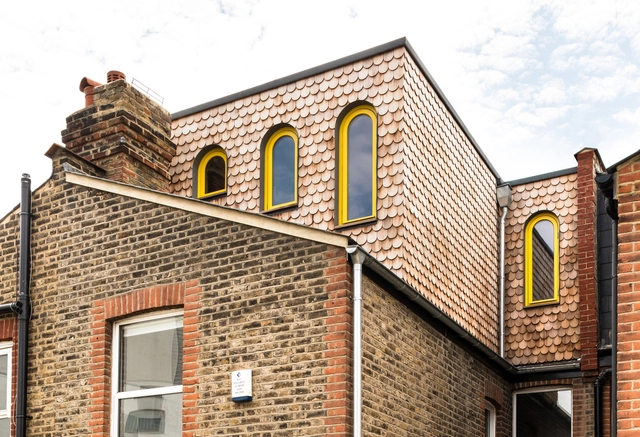
Although the use of arches in architecture dates back to the 2nd millennium B.C., it was the Romans who solidified them as both an engineering element and a symbol of military victories, which we now see excessively as memorial arches. Shortly after, different civilizations and cultures adopted the arch for their own purposes, bridging together structural necessity and aesthetics. In this article, we look at how arches evolved from significant structural elements to captivating decorative details.
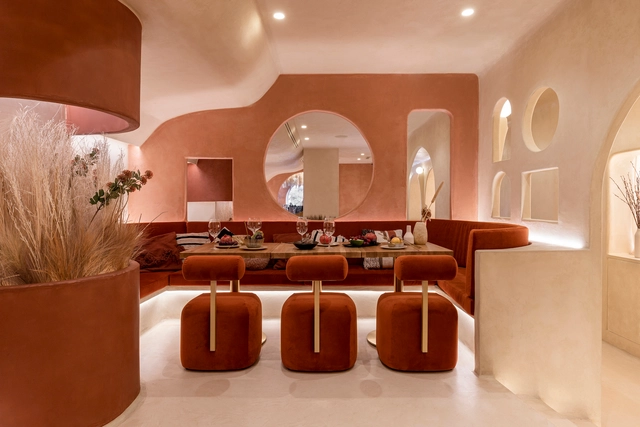
"The details are not the details. They make the design." – Charles Eames. Creating attractive spaces that anticipate the needs of users relies on several factors: scale, circulation, functionality, and comfort. However, the past few decades have proved that the visual appeal of a project is also greatly important, and can make or break the interior space. In this interior focus, we will explore the aesthetic side of interior design, looking at popular styles across the world and how architects and designers use elements such as color, furniture, accessories, and finishes to define their spatial identity.
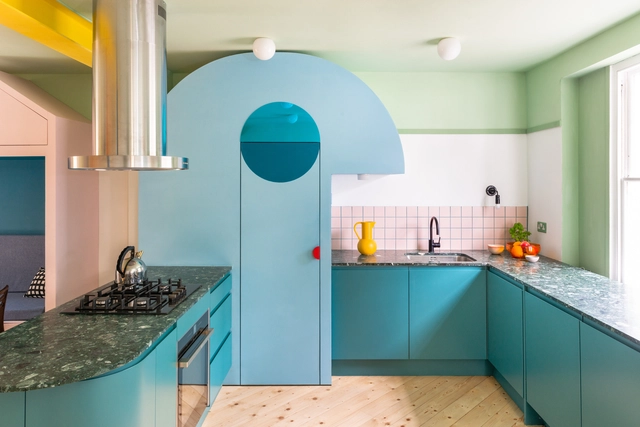
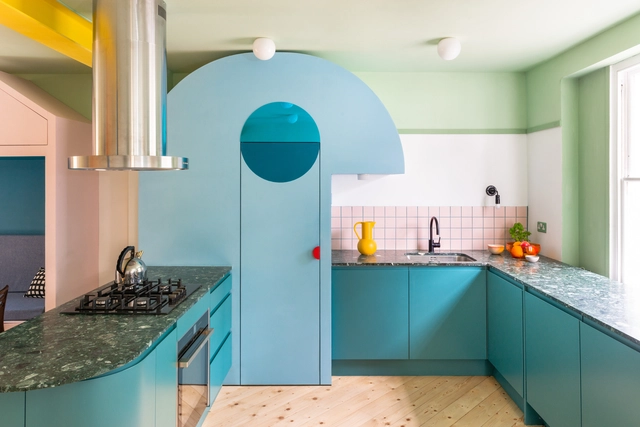
As transitory as trends may be, they always have a way of coming back. We see it all the time in fashion, with clothing pieces we thought were long gone coming back in style and reconquering the market. Interior design is no exception. Although this century has set the ideal on subtle sophistication and simplicity – with white surfaces, clean lines and slick gloss finishes –, bold retro enhancements are reviving in residential and commercial interiors. Whether in the form of vibrant colored walls, floors with intricate geometric patterns or vintage-looking furniture pieces, there seems to be a renewed appreciation for design elements inspired by trends from the second half of the 1900s, particularly from the 50s to the 80s.
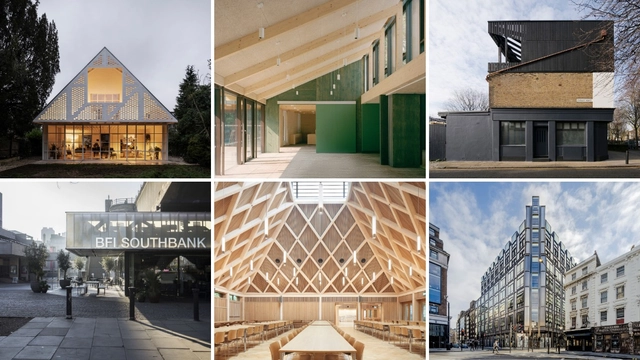
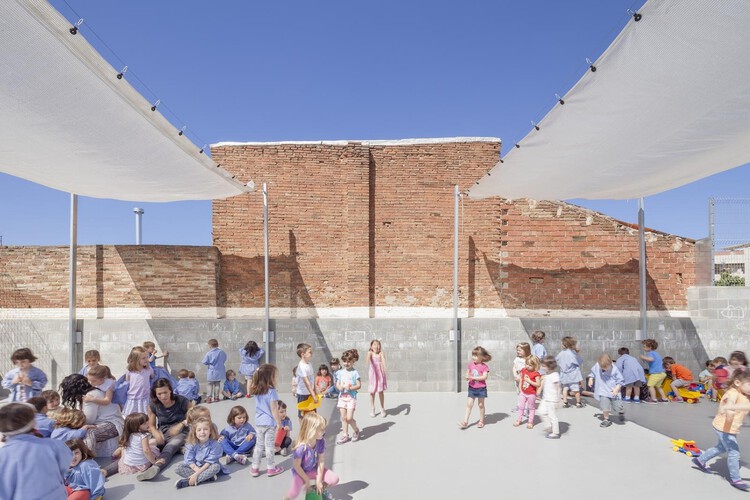
The Royal Institute of British Architects (RIBA) has announced the winning projects for the 2022 RIBA London architecture awards. The list of 42 buildings includes projects ranging from a sustainable council housing development to a cookery school for children, showcasing the best architectural interventions in London over the past two years. The projects were selected by a regional jury, who visited all 66 shortlisted projects. RIBA London Award winners will now be considered for a highly-coveted RIBA National Award in recognition of their architectural excellence, which will be announced in June.
_-2-LO-RES.jpg?1611361088&format=webp&width=640&height=580)
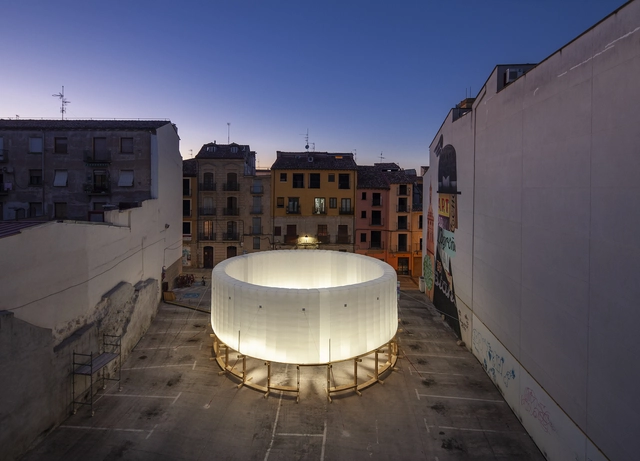
New Generations is a European platform that analyses the most innovative emerging practices at the European level, providing a new space for the exchange of knowledge and confrontation, theory, and production. Since 2013, New Generations has involved more than 300 practices in a diverse program of cultural activities, such as festivals, exhibitions, open calls, video-interviews, workshops, and experimental formats.

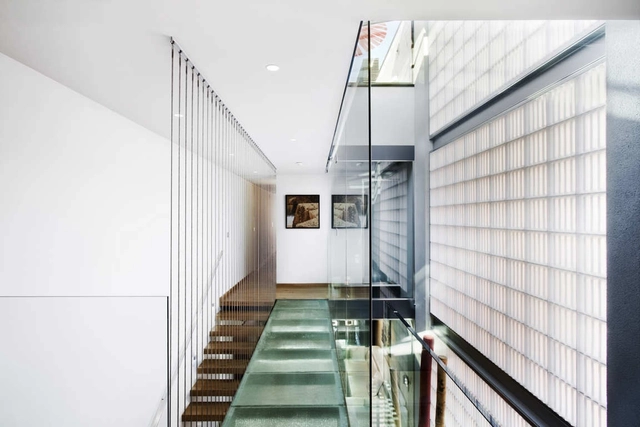
In 1977, a New York Times article by Carter B. Horsley proclaimed that “Glamorous Glass Bricks Are Booming:” once a “less than first-class” material, it was beginning to gain acceptance among architects in residential and restaurant projects for its translucence, privacy, visual interest, and sense of order. However, following the industry’s brief but widespread use of glass bricks, many now associate the material with outdated 80’s architectural styles, an aesthetic that few seem interested in reviving. Yet pioneering contemporary architects have begun using this unique material in new and distinctly modern ways, whether for sleek and minimalist bathrooms, industrial bars and restaurants, vintage residential windows, or even experimental urban facades. As Horsley stated, it appears that glamorous glass bricks are booming – again.








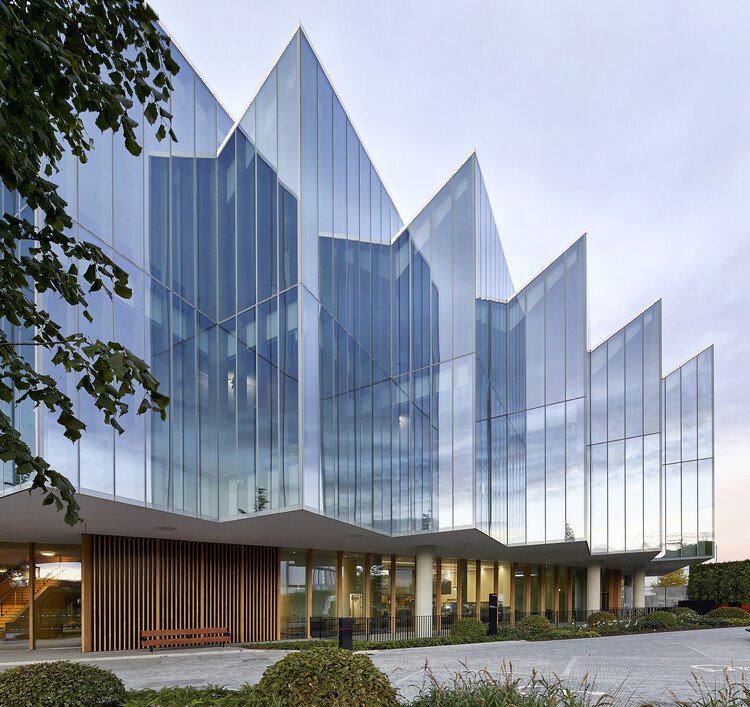





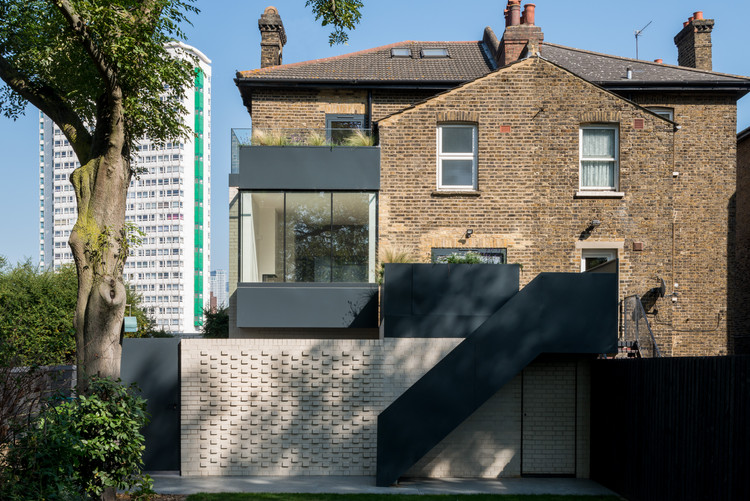


_-24-LO-RES.jpg?1611361186&format=webp&width=230&height=230&crop=true)
_-57-LO-RES.jpg?1611361287&format=webp&width=230&height=230&crop=true)
_-17-Edit-LO-RES.jpg?1611361088&format=webp&width=230&height=230&crop=true)
_-99-LO-RES.jpg?1611361424&format=webp&width=230&height=230&crop=true)
_-2-LO-RES.jpg?1611361088)


