

-
Architects: Foster + Partners
- Year: 2015
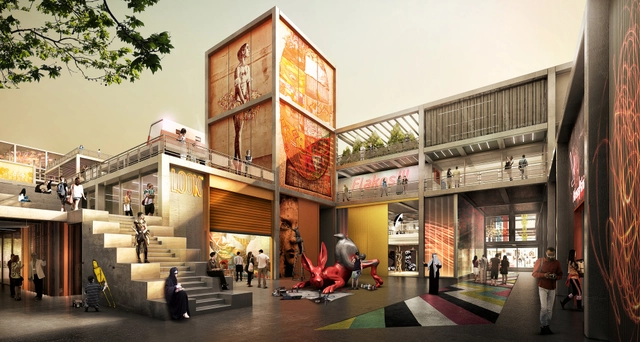
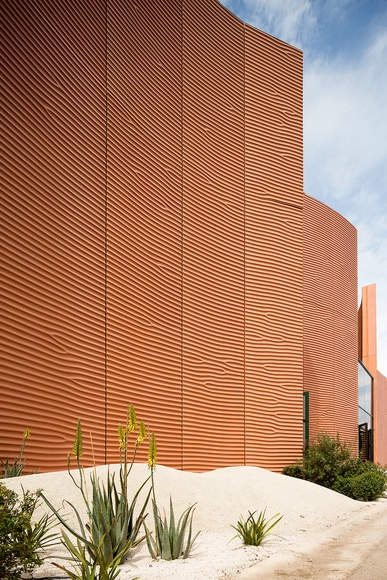
The Dubai Design District (d3) has tapped Foster + Partners to design its masterplan's second phase. Spanning one million-square-feet, the new development will be a "Creative Community" that will serve as a "thriving cultural epicenter" within d3, and an "incubator" for emerging designers an artists.
“This is an exciting initiative, which supports young creatives, and allows Dubai’s design scene to flourish from within," says Gerard Evenden, Studio Head at Foster + Partners.

Foster + Partners has been appointed through an international competition to develop the “architectural vision” for Jeddah’s city-wide public transport plan. The commission, made official today by the Makkah Province governor, seeks to establish a “long-term, sustainable” city network plan that will foster flexible growth and achieve efficiency through the integration of all modes of transportation, including metro, ferry, bus and cycle.
“The comprehensive plan extends from the design of the stations to the trains and branding,” said Foster + Partners. “In addition, the development of the metro system will create a new urban amenity for the city of Jeddah at key locations below the elevated track.” The masterplan will also allocate space for public squares and various nodes of development.
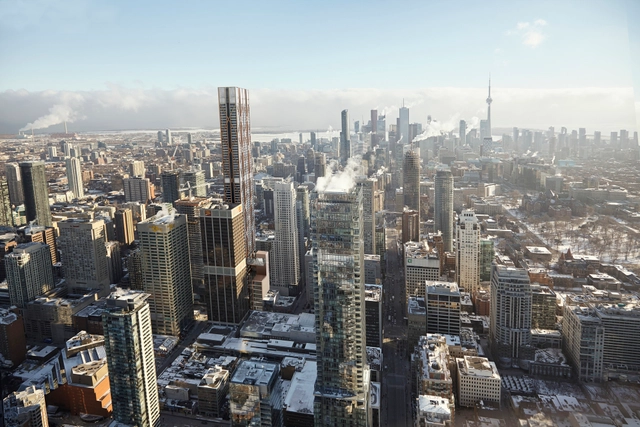
Foster + Partners has unveiled plans for an 80-story mixed-use tower that will rise 318-meters on a prominent site in downtown Toronto at One Bloor West. The city’s second tallest building, “The One” skyscraper aims to “pioneer a new model of vertical retail” with an expansive, 60-meter commercial base that will anchor dense housing.
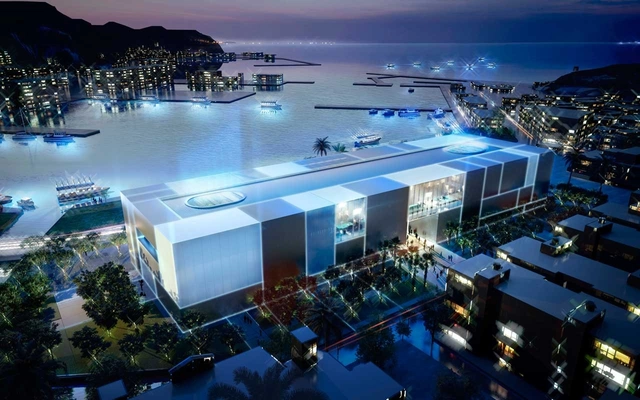
Foster + Partners have broken ground on Taiwan’s new National Museum of Marine Science and Technology in Keelung. To be the largest aquarium in northern Taiwan, the museum will face Badouzi harbor, while staying connected to the waterfront and nearby fishing village.
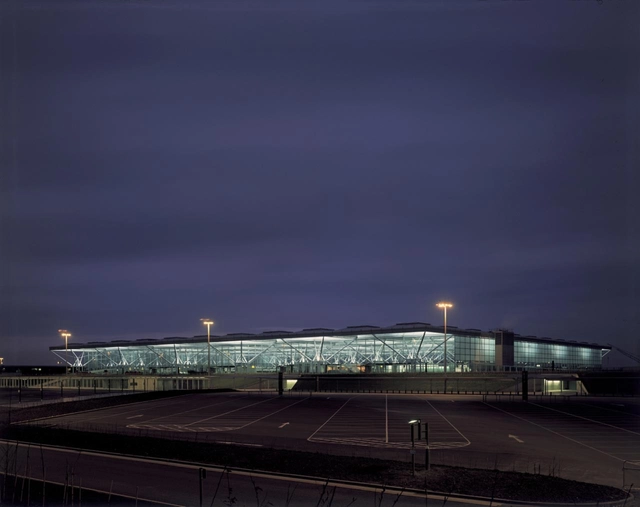
Judges Patty Hopkins, Eva Jiricna and John McAslan have awarded Jane Priestman the Ada Louise Huxtable Prize. The 85-year-old British designer, lauded for being a “visionary” client, is the first to receive this lifetime achievement award, which honors non-architects which have significantly contributed to the architectural profession.
“Her contribution to future generations is immeasurable,” said the judges. “Priestman had the belief that architecture could change people lives, and wanted to work with architects who could help her do it.”
.jpg?1421947186)
Architects’ Journal has released the shortlist of their annual Women in Architecture awards, naming 17 established and emerging practitioners who have raised the profile of women architects “in a sector where women still face an alarming degree of discrimination.” In honor of their selection, the nominees have shared their advice for aspiring female architects.
See who was shortlisted and find out what they believe takes for women to succeed in the profession of architecture, after the break.
PabloBlanco.jpg?1421095092&format=webp&width=640&height=580)
This past year was a record-breaking season for skyscraper construction. According to a new survey by the Council on Tall Buildings and Urban Habitat (CTBUH), 2014 saw the completion of 97 buildings that were at least 200 meters tall. Of those, 11 were 300 meters or taller, earning them the classification of “supertall.” These are the highest figures on record, with 2011, for example, seeing only 87 200-meters-plus buildings completed.
In addition, in 2014 the total height of completed buildings (23,333 meters) broke the 2011 record of 19,852 meters. With major countries like China becoming increasingly urbanized, and the world economy recovering from recession, the CTBUH expects that these numbers will only increase. See the details of CTBUH’s report, and learn what the numbers may predict about the future of skyscraper construction, after the break.

Berlin-based editor Max Tholl of The European Magazine has shared with us his interview with Norman Foster on the role of architecture in today’s society.
The European: Lord Foster, architects design buildings that will characterize cities for decades or even centuries to come. How difficult is it to design buildings for an unknown future?
Foster: Flexibility is a key consideration. We design with an awareness that circumstances will change – that a building’s context will evolve; it may be used in different ways and will need to incorporate new technologies that we cannot yet predict.
The complete interview, after the break.
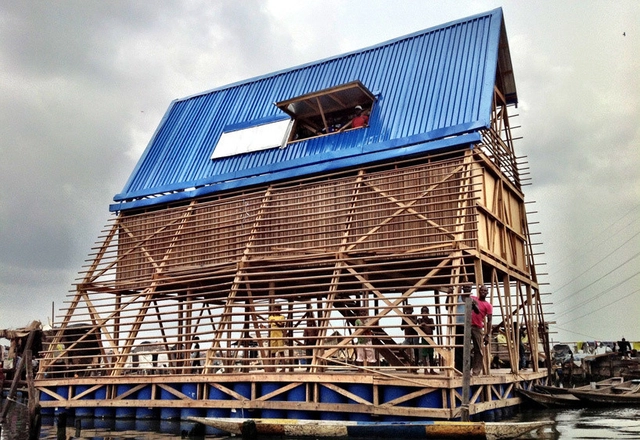
With the first ever World Cities Day taking place on Friday, the Guardian is partnering with UN Habitat for the Cities Day Challenge, a day-long competition where representatives of 36 cities around the world will present their best city ideas, with the winner being selected for an in-depth article in the Guardian. Judged by Ivan Harbour of Rogers Stirk Harbour + Partners, Toronto City Planner Jennifer Keesmaat; Anna Minton, Dan Hill, Usman Haque and Adam Greenfield, the Guardian will be live-tweeting the entire day.
They are also reaching out to readers to "share your photos, videos and stories of something brilliant that your city does better than any other," some of which they will feature throughout the day. You can follow this link to contribute - or read on after the break as we take the opportunity to round up some of the biggest city ideas that have passed through the pages of ArchDaily.
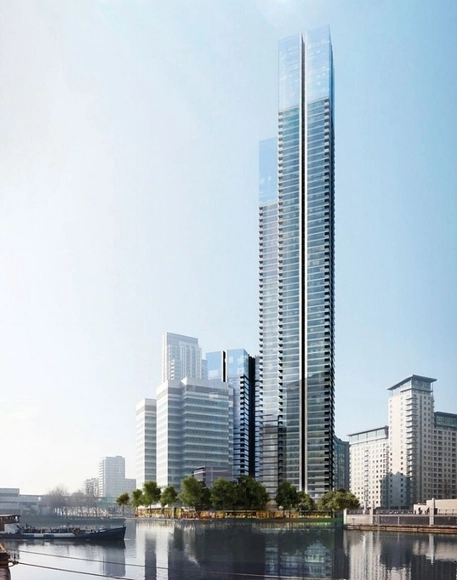
London's Mayor Boris Johnson has largely rejected the proposals by the Skyline campaign, organized by the Architects' Journal and the Observer, which aimed to introduce measures to allow more considered development in London, following the news that the UK's capital is currently going through its biggest building boom in recent memory.
The Architects' Journal reported on Friday that the mayor rejected proposals for a presumption against tall buildings submitted for planning permission, a review of over 200 tall buildings currently either proposed or being constructed, a more rigourous system of masterplanning, and an independent skyline commission to examine new proposals. However, he did support the idea of a city-wide 3D model containing both existing and proposed buildings, which would allow planning officers to make more informed decisions.
More on the issue, and a detailed look at the mayor's response to the proposals, after the break
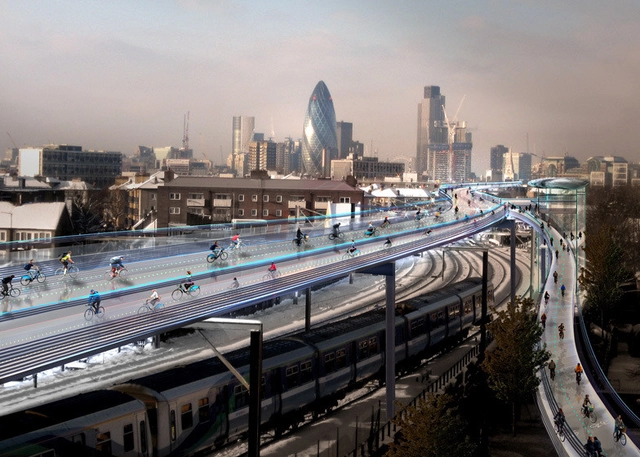
There's no doubt about it - cycling in cities is a big deal these days. But, while cycle lanes and bike-sharing schemes are all well and good for our cities, the cycling revolution hasn't yet brought us many examples of beautifully designed infrastructure to gawp at. This article, originally printed on The Dirt as "Do Elevated Cycletracks Solve Problems or Just Create More?" discusses two seemingly similar examples of high profile cycling infrastructure, examining why one is a success and the other a non-starter.
This year, two designs – one proposed and one built – for elevated cycletracks, which create bicycle highways above street level, have gained considerable media attention. They highlight questions at the heart of urban design: Should cities blend or separate transportation options? How can cities best mitigate the hazards created when cars, bikes, mass transit, and pedestrians mix? How can cities create low-cost transportation networks in increasingly dense urban cores?

The Airports Commission, the independent group charged with planning the future of the London's airport infrastructure, has finally ruled out an ambitious plan for a major airport in the Thames Estuary designed by Foster + Partners and supported by London Mayor Boris Johnson. Chairman of the Airports Commission Sir Howard Davies said the proposal had been ruled out because "the economic disruption would be huge and there are environmental hurdles which it may prove impossible, or very time-consuming to surmount."
Instead, the Airports Commission will select between three options to expand one of London's existing airports at either Heathrow or Gatwick. Read on after the break for the reactions to the decision.
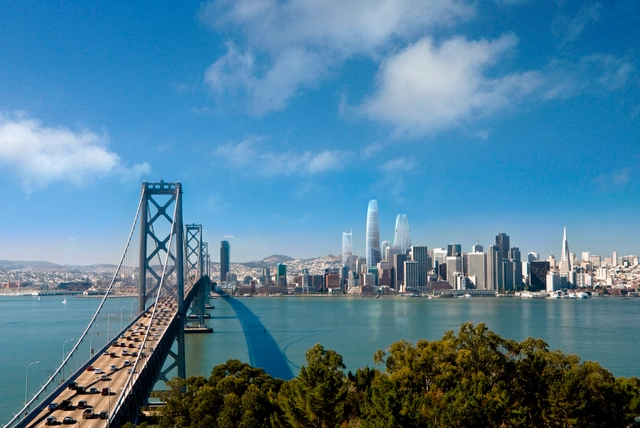
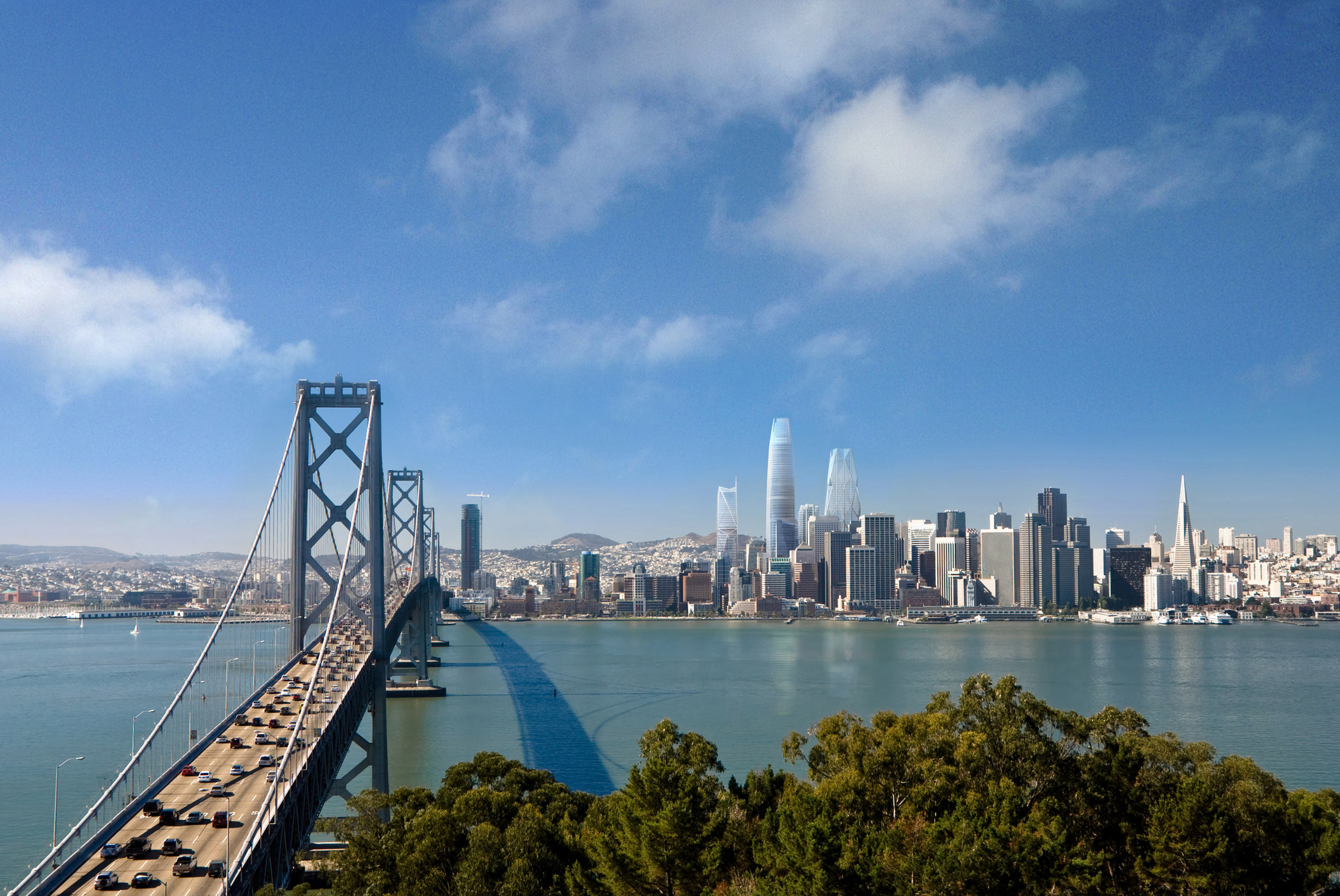
New images have been released of Foster + Partners’ and Heller Manus Architects’ design for “First and Mission,” a two tower, two million square foot mixed-use development project in downtown San Francisco.
The project consists of a 605-foot condominium tower -- the tallest residential project on the West Coast -- and an 850-foot hotel, residential and office tower. Together the two towers will add more than a million square feet of flexible office and commercial space, as well as 650,000 square feet of residential units to the Transbay Area.
View more images and learn more about the design of the "First and Mission" project after the break...


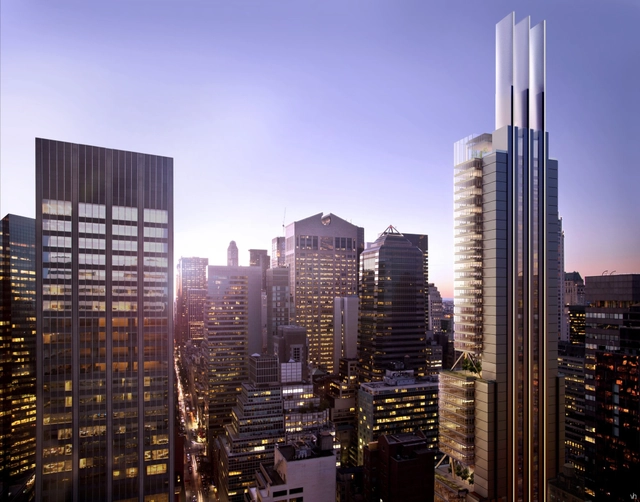
Foster + Partners has released new images of 425 Park Avenue in New York, the project which turned heads in 2012 when videos of the four competing architects presenting their proposals were released to Youtube. The new images show a slightly altered design for the glazed entrance, where a mezzanine on either side replaces what was originally a double height space in the entire lobby. The new images also give a glimpse into the building's interiors, where curtain glass walls make the most of spectacular views across Manhattan and Central Park. Read on after the break for all the images.
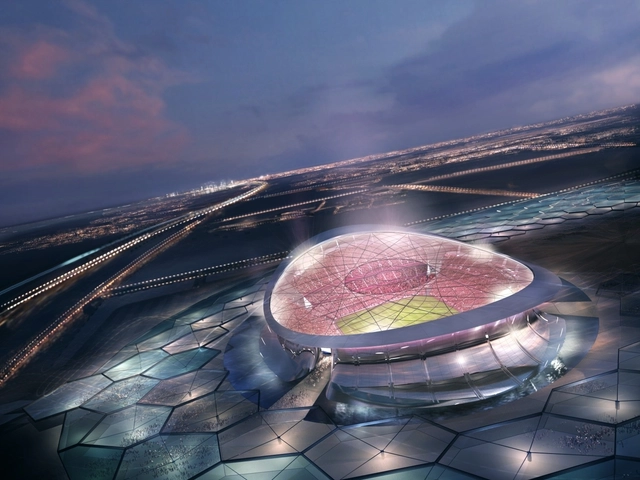
An expert on the Middle Eastern construction industry has said that architects working in Qatar are worried about the future of their projects, following the allegations sparked by a Sunday Times report last week of corruption during the country's 2022 World Cup bid. With many people calling for Qatar to be stripped of the event or for the bidding process to be re-run, there is a chance that Qatar might have to pull the plug on many of its major projects.
Speaking to the Architects' Journal Richard Thompson, the Editorial Director of the Middle East Economics Digest, said "A lot of people out here are watching it nervously."
Read on for more of the comments made by Thompson
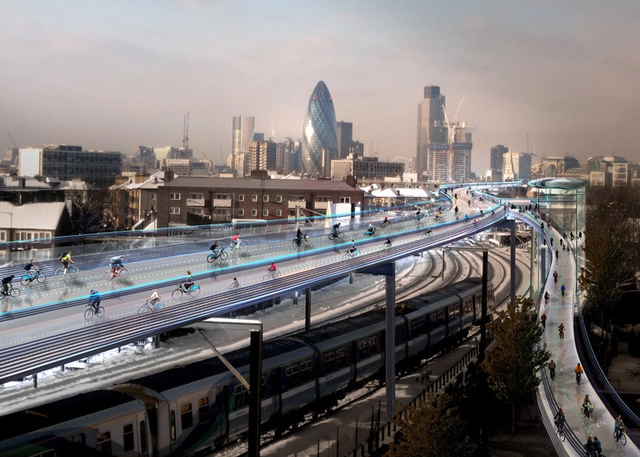
Roger Hawkins (Hawkins\Brown), Sunand Prasad (Penoyre & Prasad) and Peter Murray (New London Architecture) have all been appointed by the Mayor of London to oversee the implementation of £100 million worth of cycling infrastructure in the city.
The scheme will focus on three London Boroughs: Kingston, Enfield and Waltham Forest, each of which were awarded "mini-Holland" status - a reference to the cycling haven of the Netherlands which these areas of London will be modeled on. Each borough will nominate their own principal designers, but the three appointed architects, who all sit on the Mayor's design advisory panel, will be acting as consultant and client for a different borough.
Read on after the break for a rundown of the proposed changes
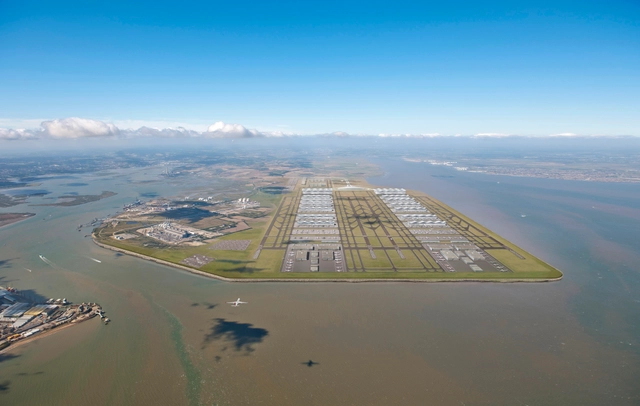
In response to the UK Airports Commission's call for evidence, Foster + Partners has released a detailed feasibility study supporting their plans for a new airport on the Isle of Grain in the Thames Estuary. Their plan proposes a four-runway airport built on a 35 square kilometre platform constructed partially in the mouth of the Thames. The scheme is popularly called "Boris Island" thanks to its most prominent supporter, Mayor of London Boris Johnson.
Norman Foster said "Since the Airports Commission submission a year ago, the need for increased airport capacity has become even more urgent. It is time to get serious about the issue of airport capacity. Britain needs an effective long-term solution, not the usual short-term fix that is Heathrow’s proposed third runway. London today needs to follow in the footsteps of its nineteenth-century forebears and invest boldly in infrastructure. Only long-term thinking will properly serve the demands of our future generations."
Read on for a breakdown of the information contained in the report


