-
Architects: DOSA STUDIO
- Area: 1130 m²
- Year: 2022
-
Manufacturers: Rokam


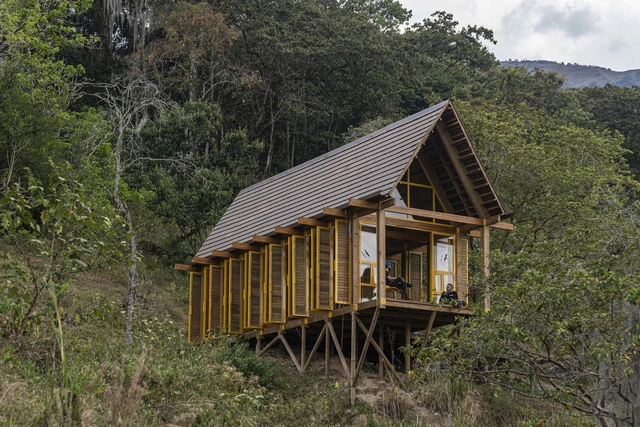
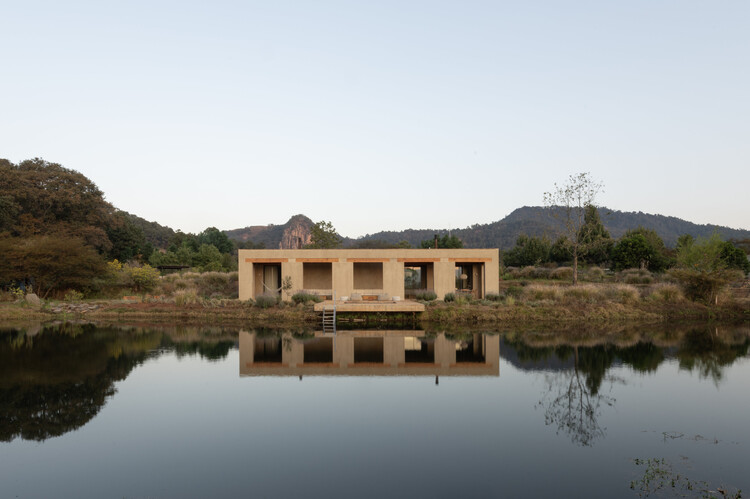
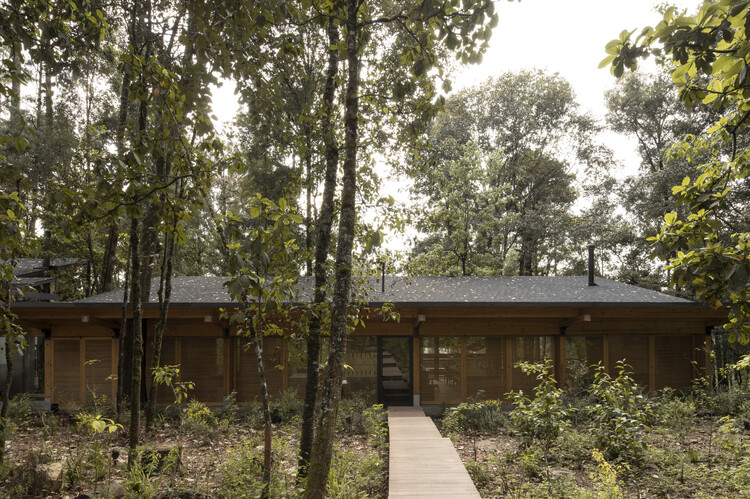
Each year, the ArchDaily Curatorial team reviews the projects that resonated most with our readers, identifying the architectural trends and design approaches that captured the greatest attention throughout the year. Across our local sites – ArchDaily Brasil and ArchDaily en Español – residential architecture remains the most popular category, with projects built in Latin America standing out year after year.
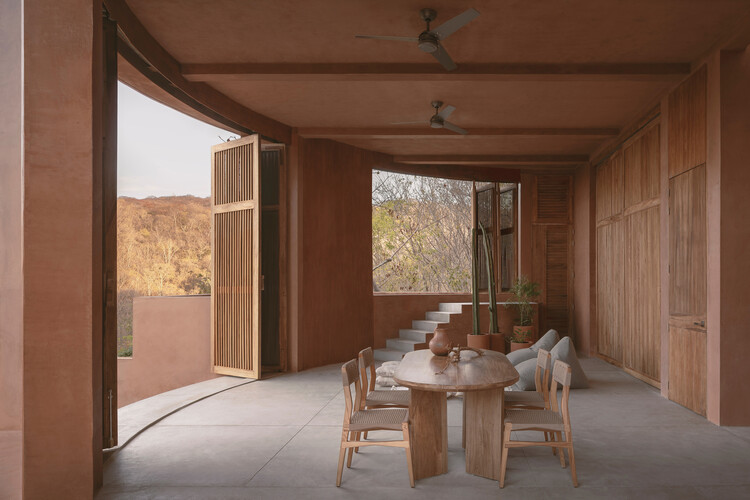
This year's selection of Best Latin American Houses brings together both renovations and ground-up projects, covering reinterpretations of local construction techniques and innovative architectural responses. The works are set in a wide range of contexts, from dense urban environments to rural and coastal landscapes.
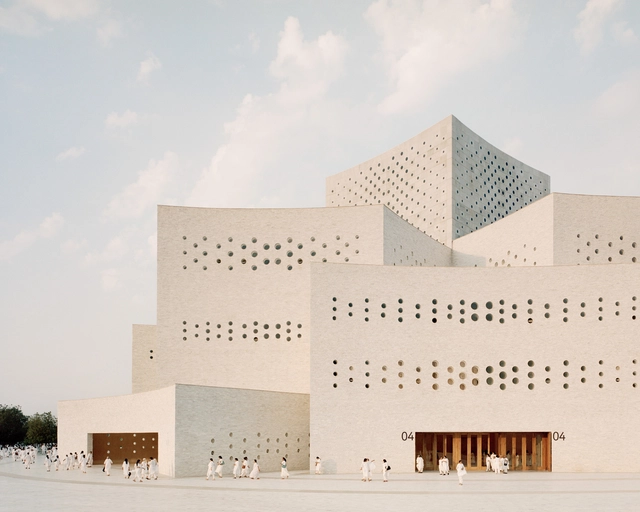
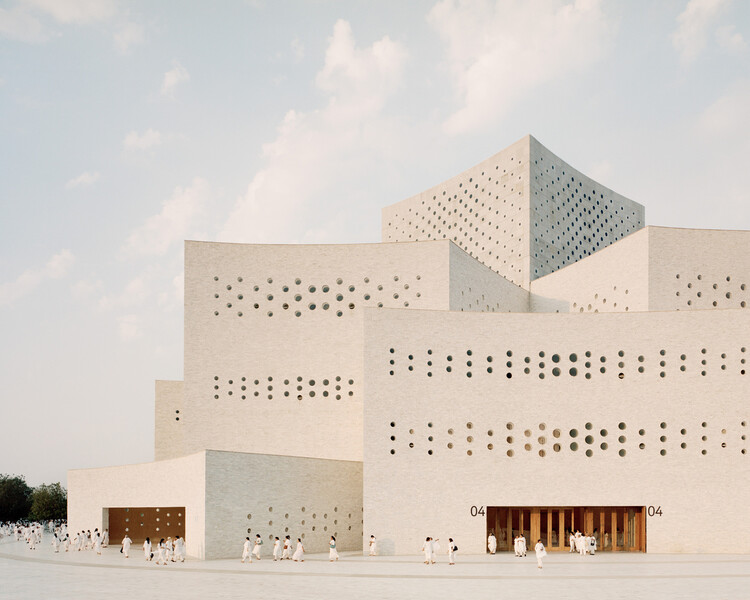
As the year culminates, it's once again time for the ArchDaily team of curators to reflect on the best-performing projects of 2025 and consider what readers were most interested in. Through this diverse overview, we assess the cross-continental similarities and differences in trends and construction development. This year brought us many grand cultural and public spaces by Lina Ghotmeh, BIG, Zaha Hadid Architects, DnA, and Serie Architects, who populated events like Expo Osaka and the Venice Biennale, as well as a surprising number of museums and public or landscape works in China and the rest of the Asian continent. However, while these were sought-after projects, the leading works remained, unsurprisingly, residential projects.
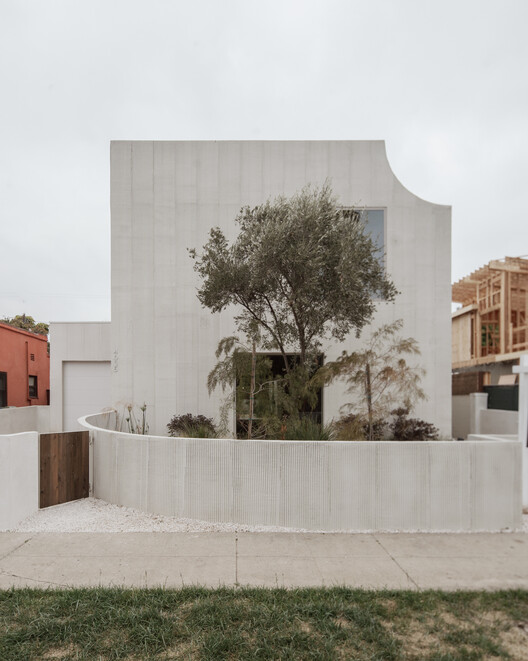
More specifically, the houses that were most viewed on the ArchDaily global site were concrete houses that bore considerable injections of greenery and landscape focus. They propose layouts highlighting voids and double heights, as well as inner courtyards or large openings to the exterior. While some references did suggest traditional or vernacular elements, modernist revivals were still predominant. Material trends are much more tame, with a recurrence of raw concrete use, as wood and stone were common accent elements. Still, the more interesting thing about the works this year is the efforts brought by architects in situating and setting the projects within their surroundings, bringing special attention to landscape and how projects merged with nature.

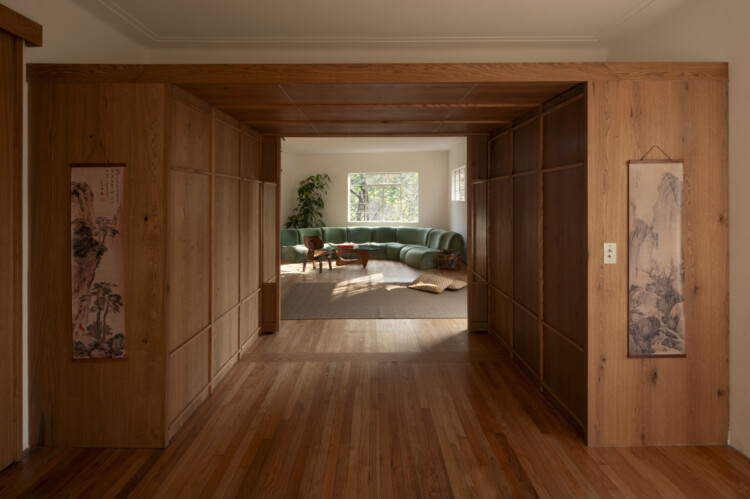
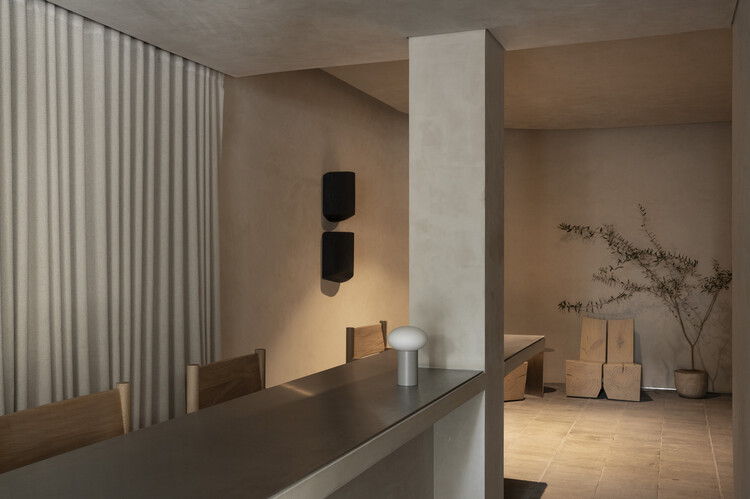
As 2025 approaches its end, we look back at an eventful year in the world of interior design. Last year, designers favored reserved, modest approaches, a trend that continued from previous years. The emergence of artificial intelligence generated intense discussions on digital equity and misinformation, which continued into 2025, especially with the topic of the Venice Architecture Biennale, Intelligens. This opened the conversation to the opportunities of digital technologies, attempting a more hopeful outlook. On the other hand, completed interior design projects over the year focused more on the tangible and the pragmatic, with expressed raw materials and an appreciation of history.

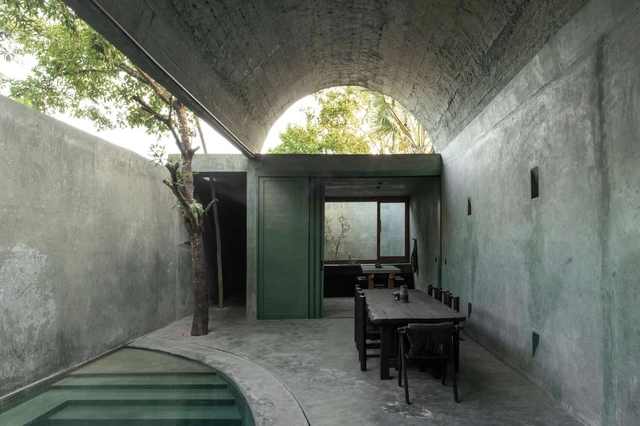
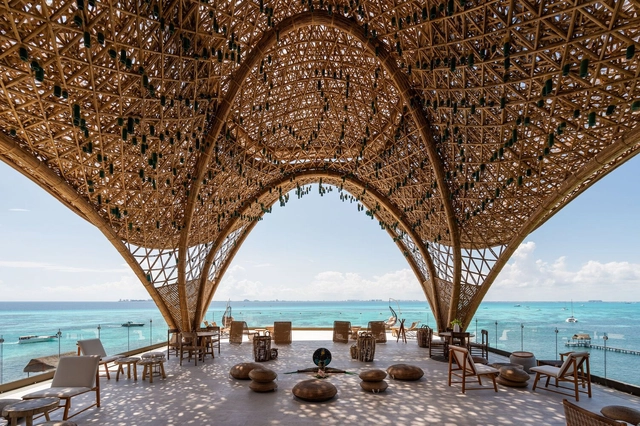
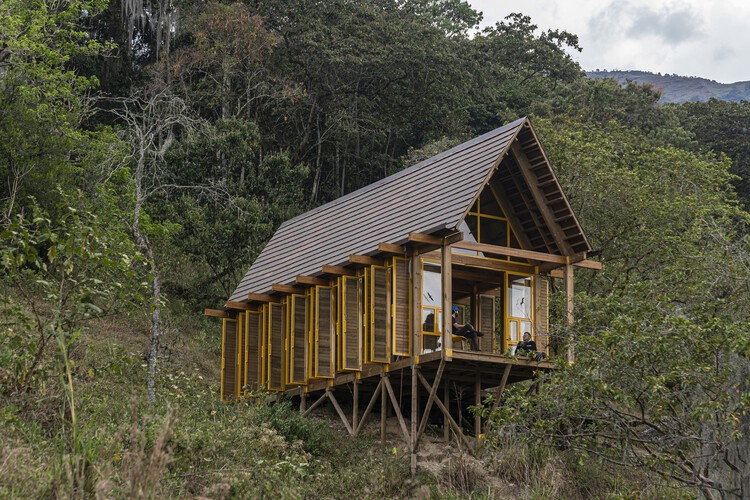
In the quest to promote a more sustainable construction where the use of natural materials contributes to the transmission of local traditions and cultures, an increasing number of architecture projects are exploring different resources and techniques to address environmental, economic, or social concerns. Understanding the benefits and qualities of materials such as color or texture influences the final experience of those who inhabit, walkthrough, or visit spaces. Therefore, understanding their technical, constructive, aesthetic, and functional properties should be part of the design process from the beginning.
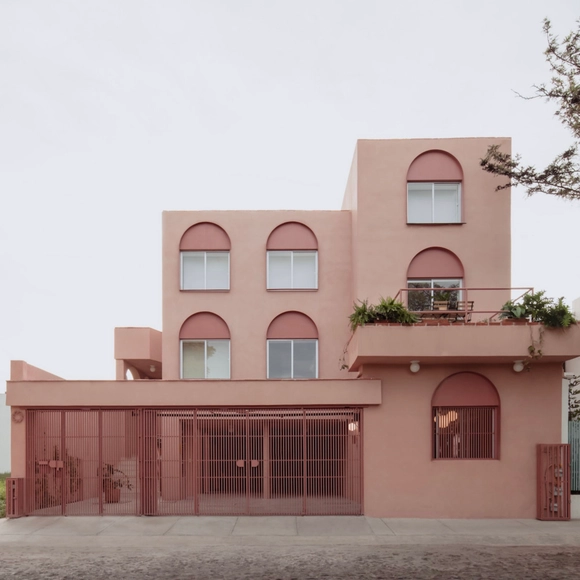
One way to employ color is through monochrome, a design technique that involves using a single tone or color in a space. In architecture, monochrome is a powerful tool where different shades can be created through the play of lights and shadows, generating spaces that offer unique experiences to their inhabitants.
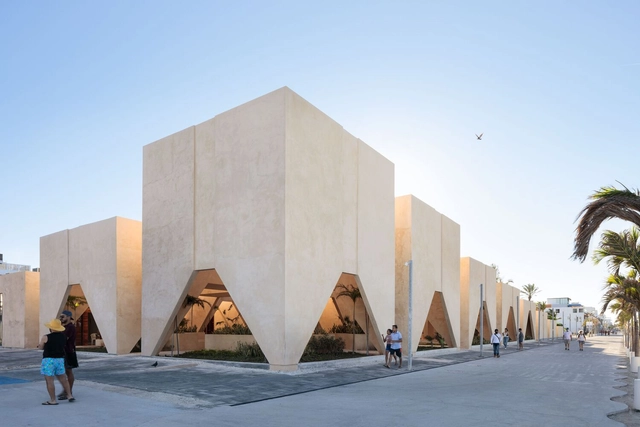
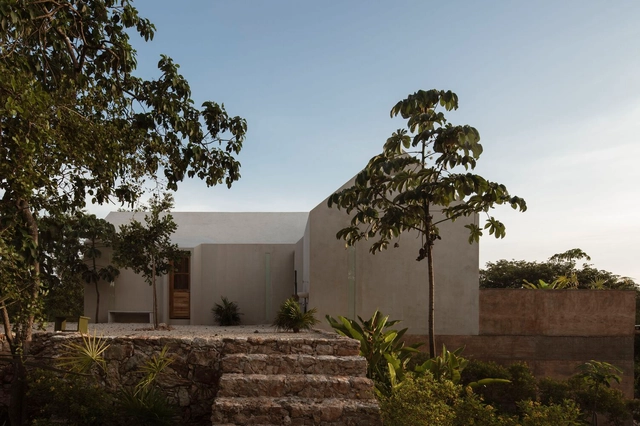
Yucatán is a state located in the southeastern part of Mexico on what is known as the Yucatán Peninsula, bordered by the Gulf of Mexico, Quintana Roo, and Campeche. Within this state, there are 4 magical towns: Izamal, Maní, Sisal, and Valladolid. The architecture of this region is a blend of indigenous, Hispanic, Mexican, French, Italian, and American influences.
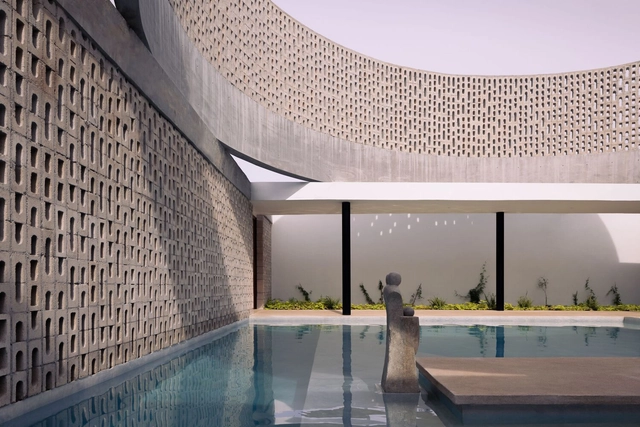
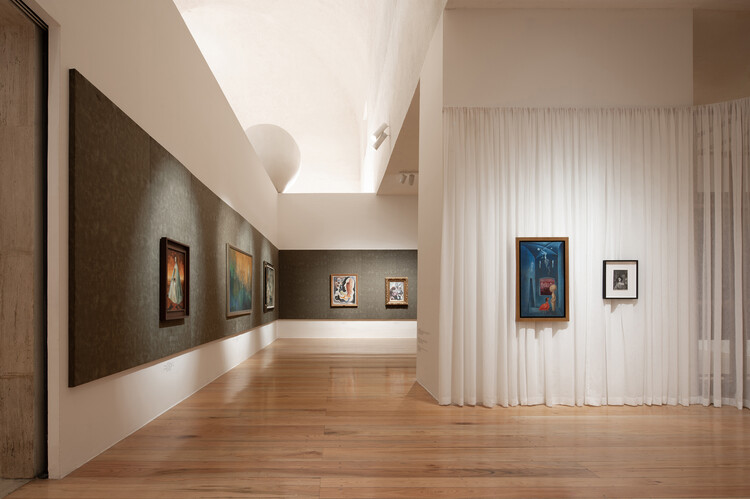
The award ceremony for the 11th edition of the Interceramic Architecture and Interior Design Award was held at the Cabañas Museum in Guadalajara. With more than 1,000 entries this year, the prize promotes and recognizes projects that reflect contemporary design and represent the state of architecture and interior design, while also honoring creativity in the use of Interceramic ceramic materials.