-
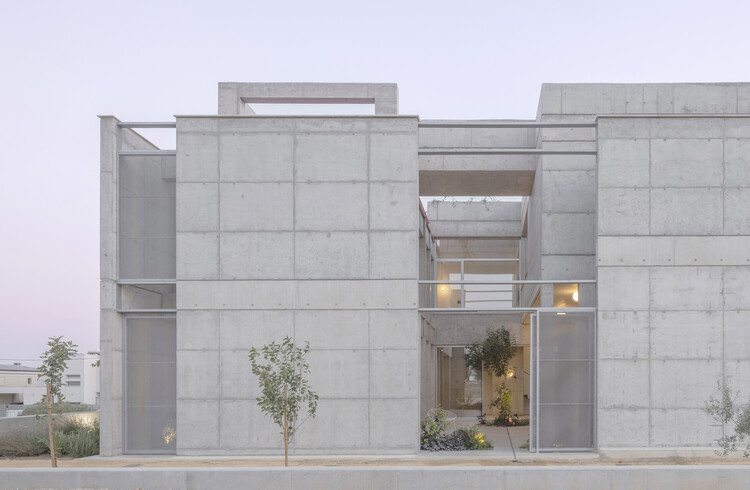
Architects: Studio Kyriakos Miltiadou
- Area: 210 m²
- Year: 2025
-
Manufacturers: Rabel Aluminium Systems, El Greco Gallery, Il Bagno, Kyriakides Lighting, Mobhaus
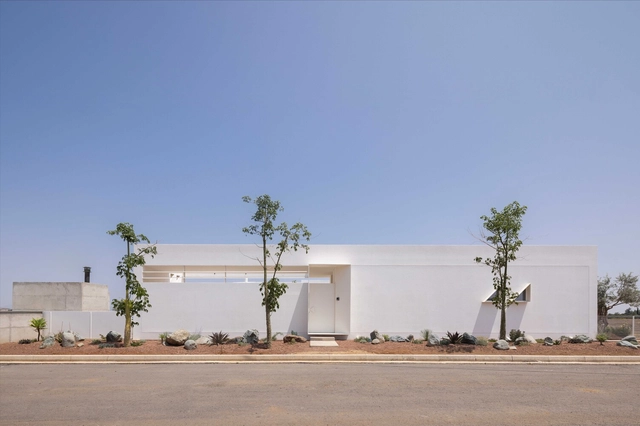
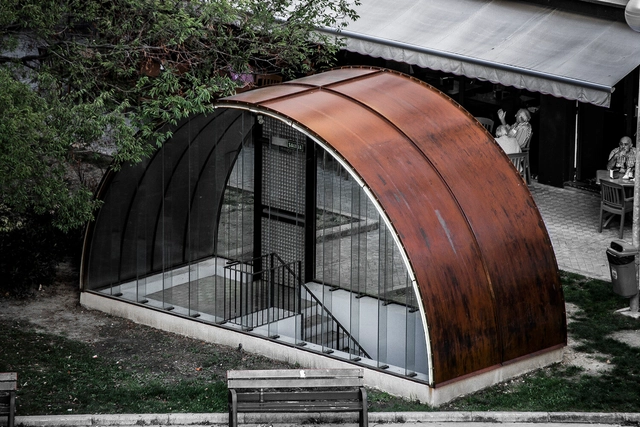
The 2024–2025 edition of the Europe 40under40 Awards has announced its selected architects and designers, recognizing emerging professionals under the age of 40 working across Europe. Organized by The European Centre for Architecture Art Design and Urban Studies and The Chicago Athenaeum, the program highlights a range of built and conceptual work that reflects contemporary approaches to architecture and design. This year's selection brings together young architects and designers from Cyprus, France, Greece, Italy, Norway, Poland, Portugal, Spain, Sweden, Switzerland, and Turkiye, offering a wide-ranging perspective on Europe's contemporary architectural discourse.
The selection was made by a jury composed of Melike Altınışık, Hans-Petter Bjørnådal, Eleni-Stefania Kalapoda, and Adrian Yap, who evaluated submissions from a range of scales and typologies. The winning projects will be presented in the exhibition "40 Young European Architects with New Visions," opening on December 5th, 2025, at The European Centre, Contemporary Space Athens. A special yearbook publication by Metropolitan Arts Press will also document the selected works, making them accessible to international audiences. Submissions are now open for the 2025–2026 edition, with a deadline of December 15, 2025.
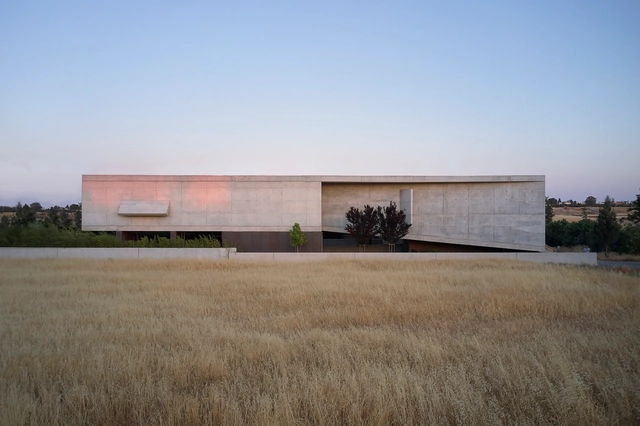
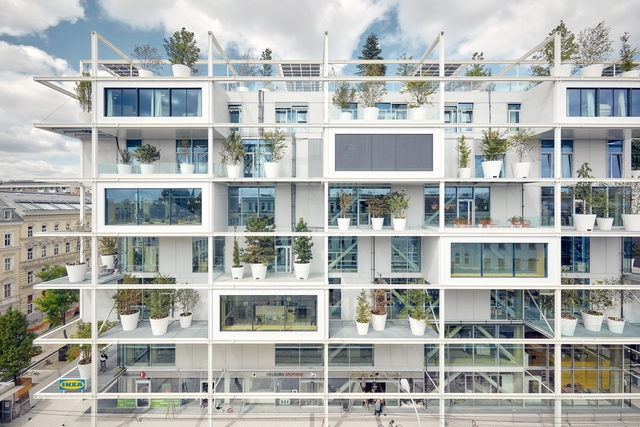
The European Commission and the Fundació Mies van der Rohe have announced the 2024 European Union Prize for Contemporary Architecture / Mies van der Rohe Awards (EUmies Awards) nominees. A total of 362 works of architecture realized over 38 different European countries have been selected, marking the first stage of the EUmies Awards’ 18th cycle. In the next stage, the jury will choose 40 outstanding projects, followed by visits to the finalists and interviews with the architects, their teams, and the project clients.
The 2024 EUmies Awards aims to recognize the best-built works in Europe completed between April 2021 and May 2023. The selection of projects reflects the current changes within the European context, with increasing attention given to environmental, social, and economic awareness expressed through architecture, landscape architecture, urban planning, and design. This year’s jury is chaired by Frédéric Druot (Paris/Bordeaux), who will be accompanied by Martin Braathen (Oslo), Pippo Ciorra (Rome), Tinatin Gurgenidze (Tbilisi/Berlin), Adriana Krnáčová (Prague), Sala Makumbundu (Luxembourg), and Hrvoje Njiric (Zagreb).
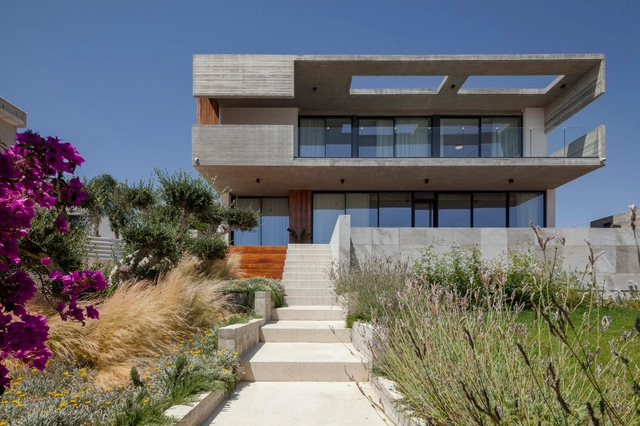
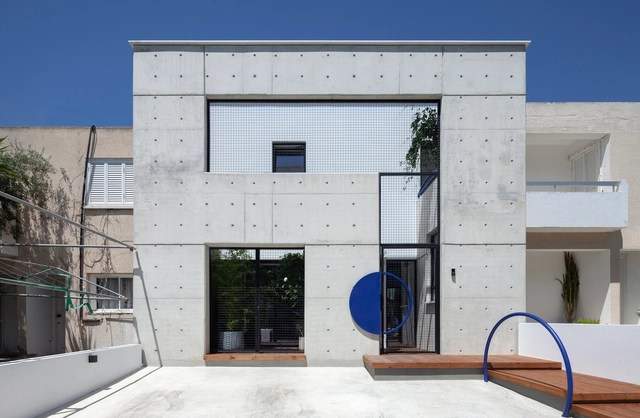
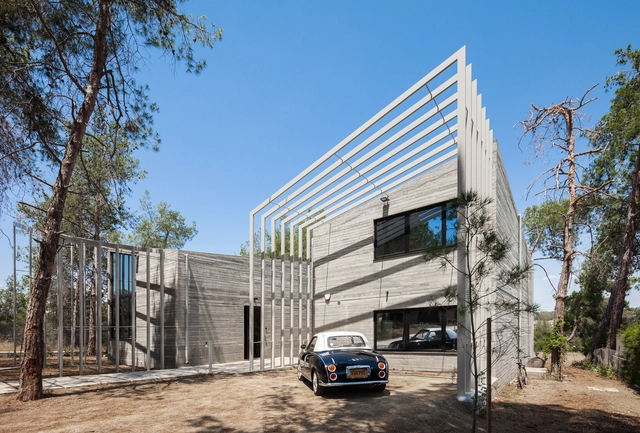

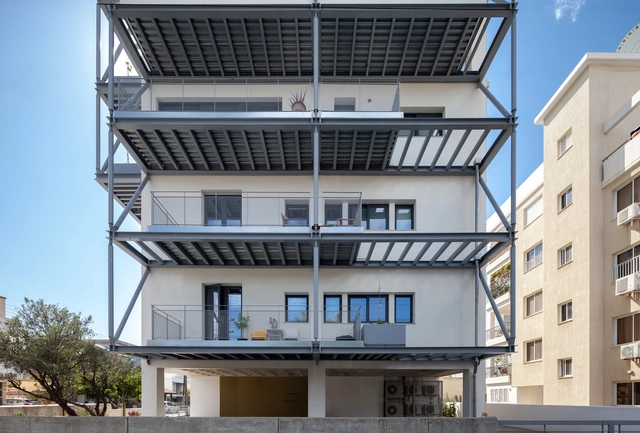
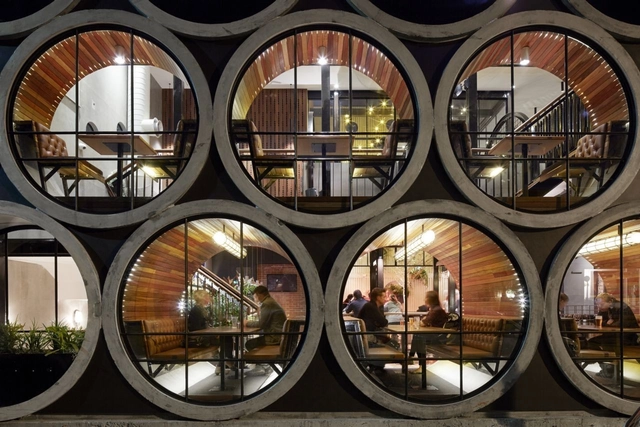
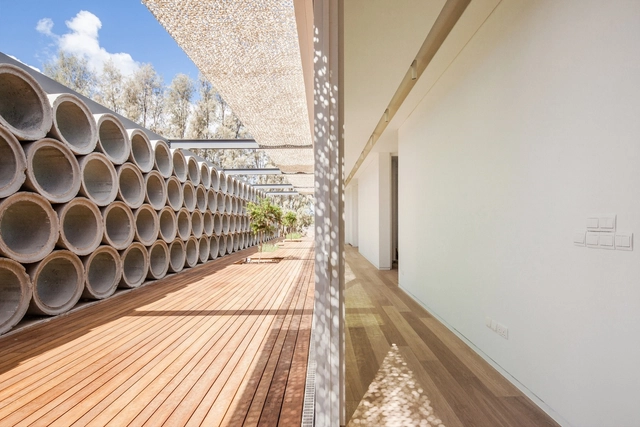
Urban infrastructures provide comfort to inhabitants and mitigate the risks of disasters such as flooding. Underground systems specifically conceal urban infrastructures from public view and are configured as real mazes under the streets. The distribution of drinking water, urban drainage, sewage, and even electrical wiring and fiber optics in some cases, pass under our feet without us noticing. To this end, the industry developed precast concrete parts for about 100 years that provided construction speed, adequate resistance to force, and durability against time. Concrete pipes with circular sections, in many diverse diameters, are perhaps the most used conduits and are ubiquitous around the world. But there are also those who use these apparently functional elements in creative architectural contexts as well.
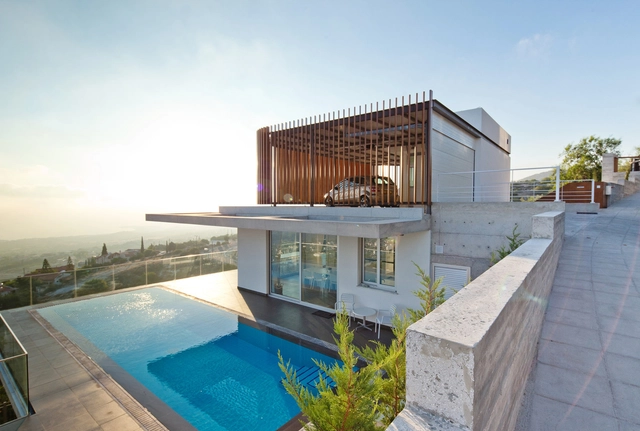
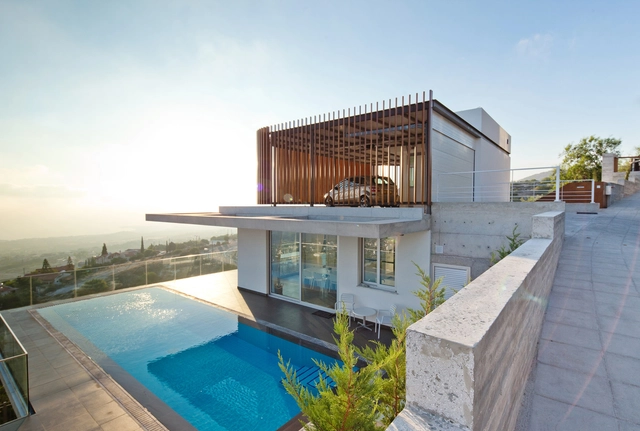
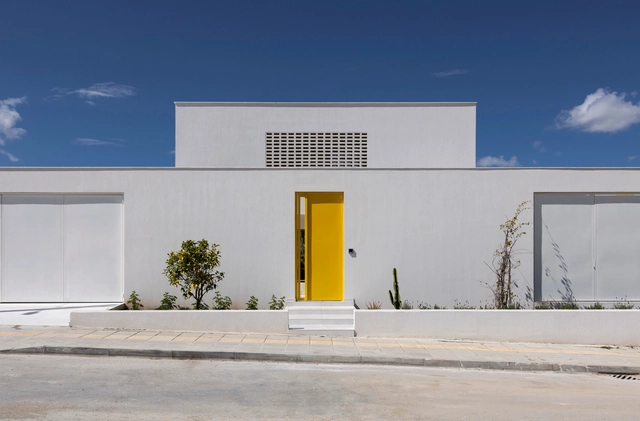
The architecture of Cyprus has been defined by larger geopolitical forces throughout history. Located in the Eastern Mediterranean, the island country is shaped physically and socially by the Cyprus dispute. Dating back to the bronze and iron ages, its architecture has been influenced by the Greeks, Assyrians, Egyptians, Persians, and Romans. Today, new homes are built across the island that reinterpret past building methods and construction techniques.