-
Architects: HCCH Studio
- Area: 200 m²
- Year: 2025
-
Professionals: Wenzhou Zhengyi Engineering, iStucture

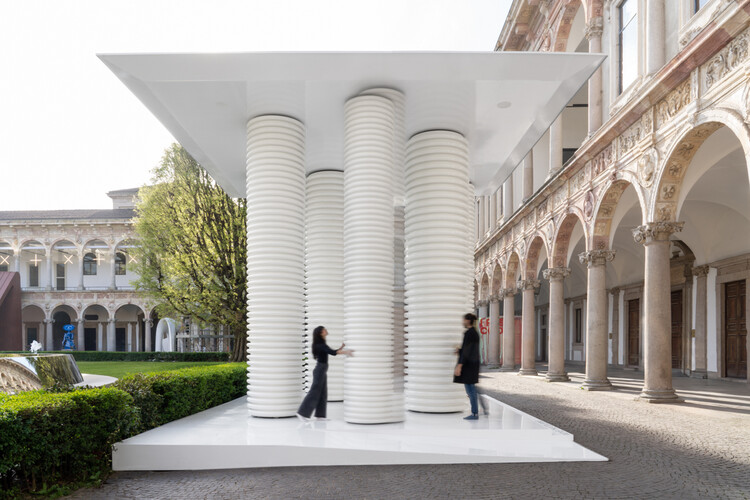
This past year marked a period of introspection for architecture. As 2025 unfolded, the discipline, confronted with evolving environmental and social realities, entered a broader turning point in how it understands its role and how users engage with it. Throughout the year, exhibitions shifted focus away from buildings as isolated objects toward a broader understanding of relationships between ecology, equity, everyday life, and collective imaginaries. Across institutions and cities, they operated less as showcases and more as discursive platforms: places where architecture was not only presented, but also imagined, questioned, and collectively redefined.
While exhibitions have long functioned as sites of discourse, politics, and community, this role became more explicit in 2025. As Carlo Ratti noted in an ArchDaily interview during the pre-opening of the Venice Architecture Biennale 2025, exhibitions today can "hybridize the way that people come together," an ambition that echoed across cities and institutions as exhibitions evolved into spaces for debate, experimentation, and collective reflection. Exhibitions are places where architects and designers meet, where conversations unfold openly with the public, and where ideas emerge through spontaneous exchanges among passersby. Exhibitions became spaces where architectural discourse extended beyond professional circles, opening conversations to broader publics through everyday encounters, shared experiences, and informal exchanges.

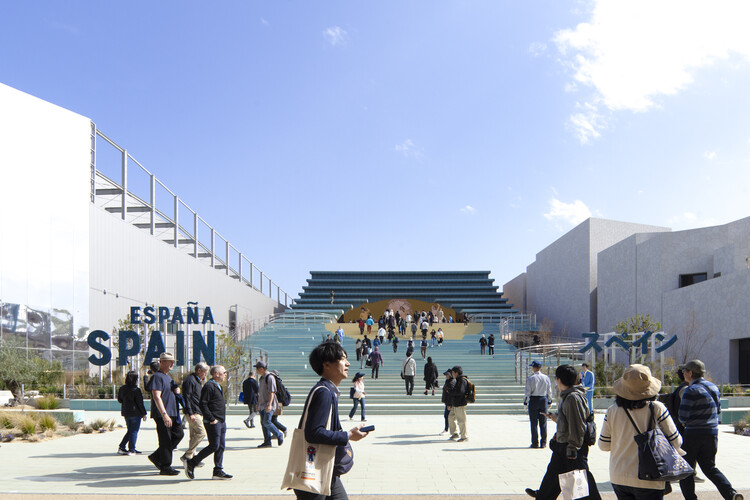
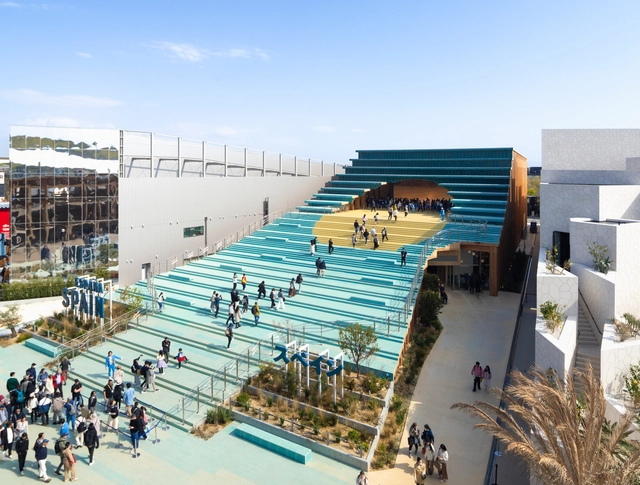
About a month after the closing of Expo 2025 Osaka, the designs and constructions presented at the world's fair remain as a legacy. While the Bahrain Pavilion, designed by Lina Ghotmeh Architecture, drew particular attention this year for receiving double recognition, it was one among many awarded projects. During the awards ceremony held on the penultimate night of the event, a total of 45 awards were presented among 165 participating countries. The Official Participant Awards are granted according to pavilion size and type, recognizing excellence in Architecture and Landscape (for self-built pavilions only), External Design (for module pavilions only), Exhibition Design, Theme Development, and Sustainability. The recipients were selected by an international jury of nine experts who visited all national and thematic pavilions during two evaluation sessions in May and October 2025. The following overview presents all 45 pavilions distinguished in the five categories of the Official Participant Awards.
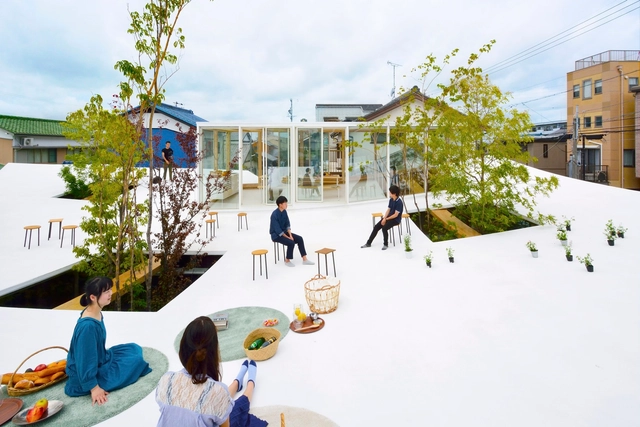
Historically, architecture and the built environment have insisted on creating flat, hard surfaces. In earlier eras, walking without paved ground meant mud-caked shoes, uneven footing, tripping hazards, standing water after rain, and high maintenance. Hence, as we shaped cities, we prioritized a smooth, continuous, solid horizontal datum. The benefits are real: easier walking, simpler cleaning, and straightforward programming—furniture, equipment, and partitions all prefer a level base. This universal preference for building on flat ground remains the norm and, for many practical reasons, will likely continue to be.
What's less recognized is that making a truly flat surface is surprisingly difficult—and many well-executed "flat" floors aren't perfectly flat at all. They are often gently sloped, calibrated to precise gradients for drainage. While interior spaces do not always require this, many ground floors and wet areas do incorporate subtle inclines as a safeguard—whether for minor flooding or to manage water that overflows from the street or plumbing when one of the discharge systems is malfunctioning.
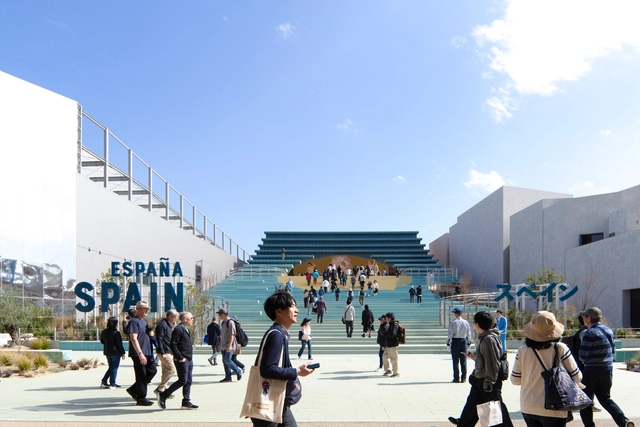
Since its opening in April, Expo Osaka has welcomed millions of visitors from around the world, standing as a true showcase of innovation, architecture, and design. Among its highlights is the Grand Ring, designed by Japanese architect Sou Fujimoto, considered the largest timber architectural structure in the world. Under the theme of Expo 2025 — “Designing Future Society for Our Lives”, along with Saving Lives, Empowering Lives, and Connecting Lives — more than 150 countries have used their pavilions to address key topics in contemporary architecture, such as circular construction, cultural memory, and innovation and technology aimed at shaping a sustainable built environment for the future.
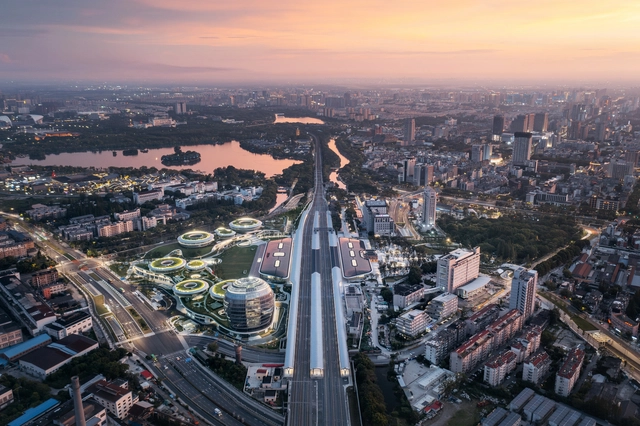
MAD Architects has announced the completion of the Jiaxing Train Station, the first transportation infrastructure project developed by the architecture office. Located in the historic city of Jiaxing, 100 kilometers southwest of Shanghai, the project involves the replacement of a dysfunctional station that had stood at the site between 1995 and 2019. As China has developed significantly in terms of urbanization, its train stations have grown into complicated, widespread, and uninviting infrastructures. Through their project, MAD Architects strive to return to a human scale, to create a facility that responds to the newest developments in transportation technology, while creating spaces that are comfortable and easy to navigate for its users.
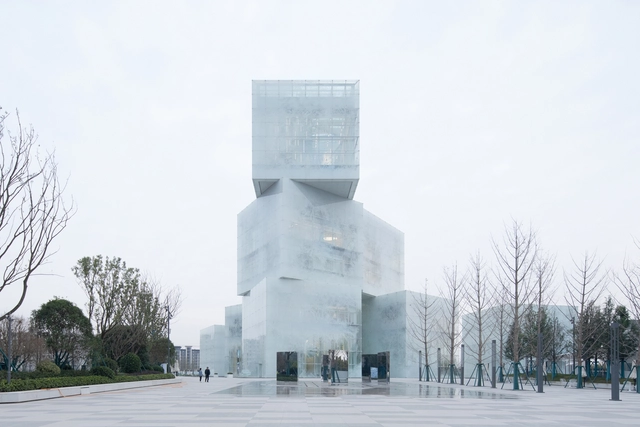
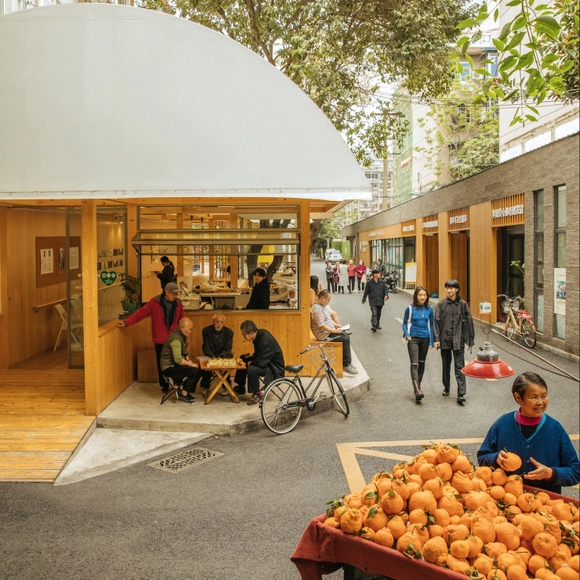
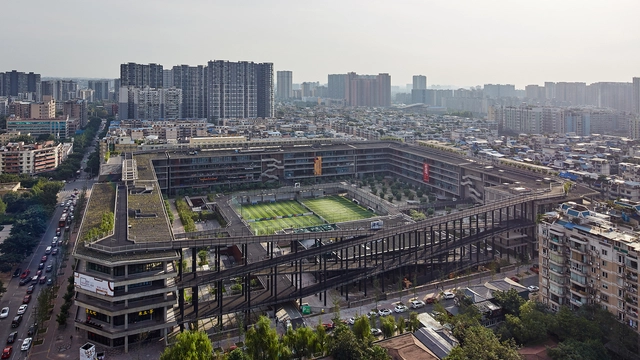
What kind of city is a people-oriented city? This is a difficult question to answer because humanistic cities evaluate the city by "people”, and people are extremely diverse, producing individual different evaluation standards. For example, a city that is friendly to car drivers, may not be so friendly to pedestrians.
Nonetheless, there is a general perception that some cities seem to be more friendly to people than others. Why is this the situation?
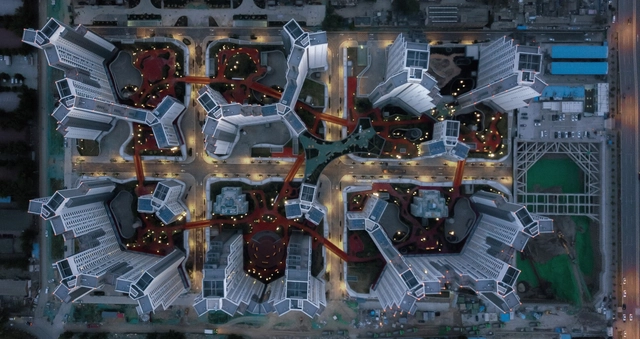
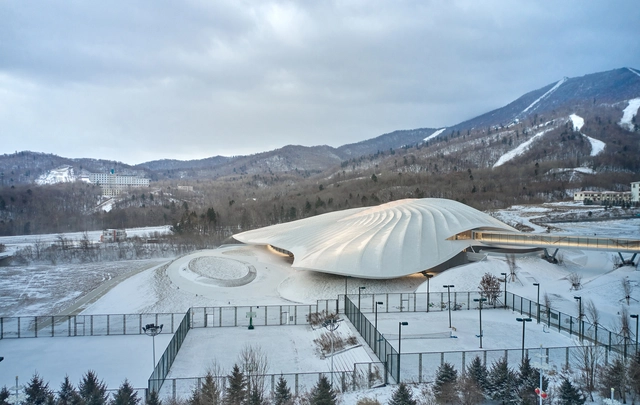
The new Yabuli Entrepreneurs’ Congress Center by MAD Architects is nearing completion in Northeastern China. Surrounded by snow-covered mountains, the project was commissioned by the Yabuli China Entrepreneurs Forum (Yabuli CEF). The team designed the center to become an iconic landmark embodying the Congress members' entrepreneurial spirit in the shape of a tent sitting at the foot of a mountain.