

-
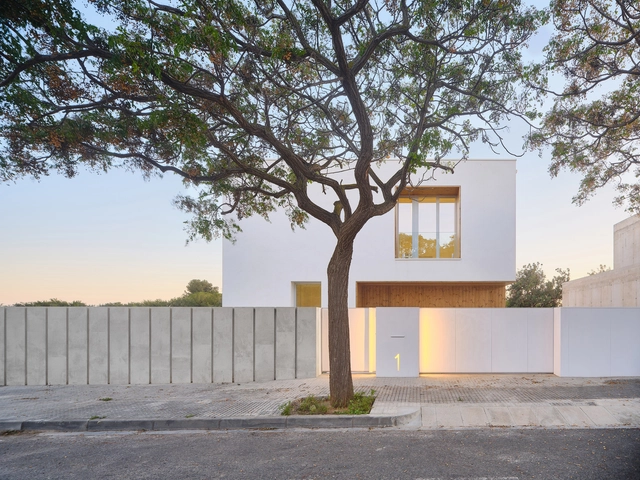
Architects: MUKA Arquitectura
- Area: 244 m²
- Year: 2024
-
Manufacturers: Cocinas alemanas
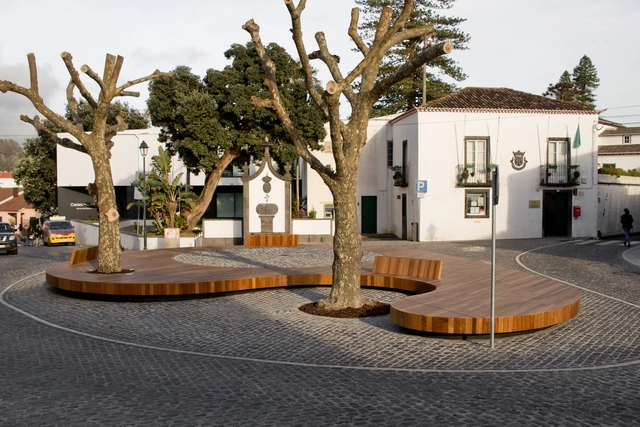
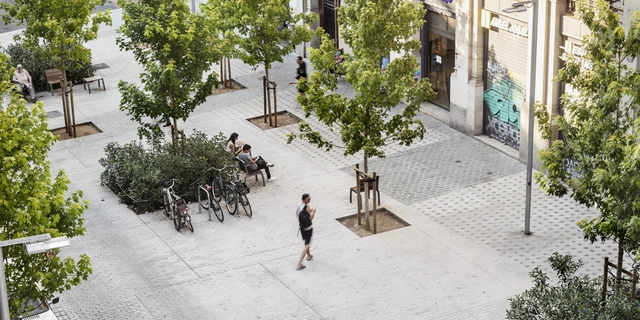
Squares are open spaces within the urban fabric, defined by buildings or streets, that facilitate a variety of gatherings and social and cultural activities. Whether intentionally planned or remnants of the urban layout, squares are fundamental to the life and culture of the community, and they proved even more vital following the COVID-19 pandemic. Here, we present nine small-scale squares that demonstrate the diverse uses and functions these spaces can assume in contemporary cities.
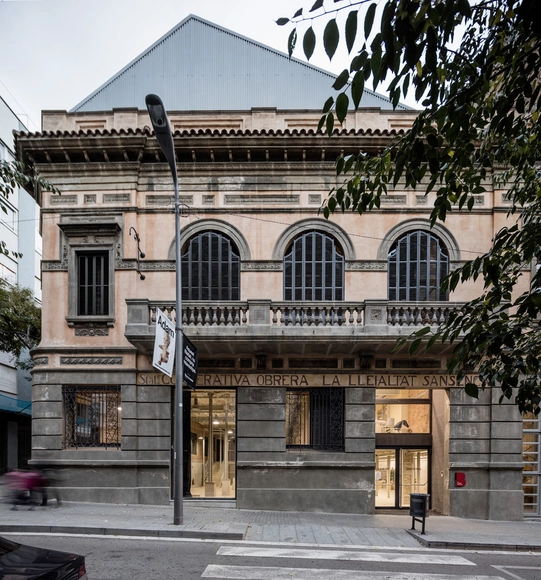
Twelve finalist projects, one honorable mention, and five winning works were announced yesterday in Barcelona, marking the results of the 4th edition of the AADIPA European Award for Architectural Heritage Intervention.
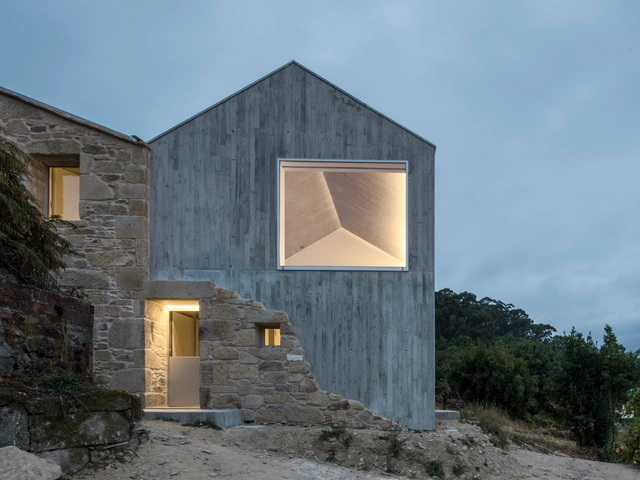
On June 28, during the official opening of the Spanish Biennial of Architecture and Urbanism BEAU 2021 at the Mies van der Rohe Pavilion in Barcelona, the winners of the 'Panorama of Architecture and Urbanism Works' call were announced. Out of 581 proposals submitted, 100 projects were shortlisted, 70 became finalists, and ultimately 20 were awarded as the most outstanding examples of Spanish architecture and urbanism from the last three years.
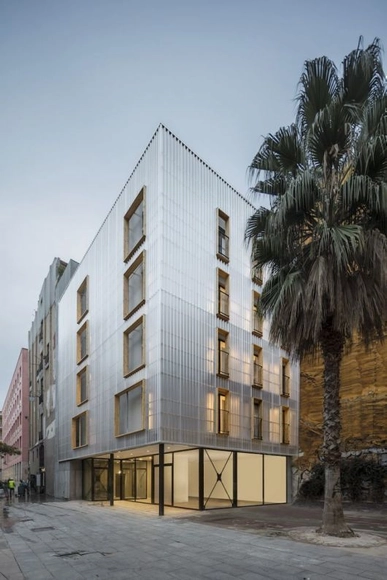
Yaiza Terré founded her own architecture studio in Barcelona in 2008, where she currently focuses her professional practice on renovation and reinterpretation projects based on reuse and recycling. Aprop Ciutat Vella is one of her works: a modular emergency housing building made from recycled containers, developed in collaboration with Straddle3 and Eulia Arkitektura. Recently, it was awarded first place in the 2021 Building of the Year Award (highlighting the best built architecture in Latin America and Spain). We reached out to her to learn more about her architectural practice.
In this interview with Yaiza Terré, we explore how this latest recognition helps open up the debate on urban regeneration and the housing crisis in cities. At the same time, we delve into her inspirations, interests, and motivations regarding restoration and adaptive reuse; examine her collaborative and reflective design process; and discuss her upcoming projects and vision for the future of Spanish cities.
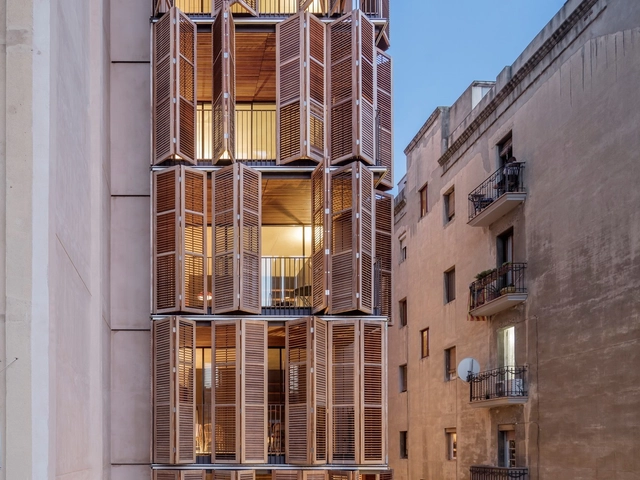
The 2021 Spanish Biennial of Architecture and Urbanism (BEAU) has announced the finalists for its "Panorama of Architecture and Urbanism Works" category. Out of 581 submissions, 100 projects were initially shortlisted, with 70 now selected for the final round. Of these, 20 will ultimately be recognized as the most outstanding works of Spanish architecture and urbanism from the last three years.

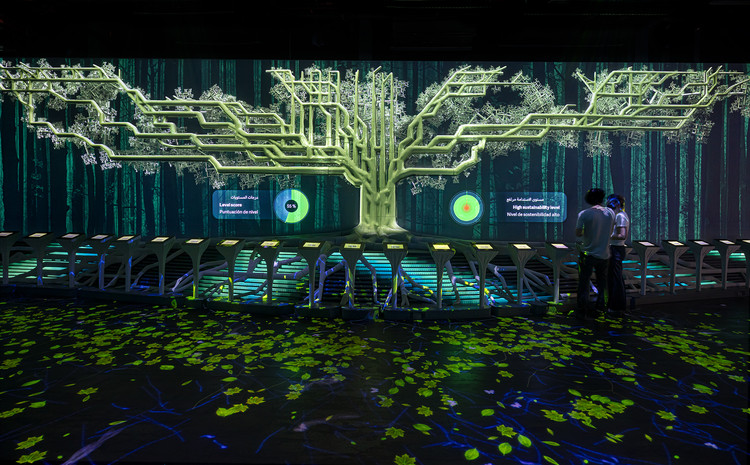
Under the theme “Connecting Minds, Creating the Future,” Expo Dubai 2020 —held from October 1, 2021, to March 31, 2022— is the first world expo hosted by an Arab nation and the Middle East region. The Spain Pavilion, under the slogan “Intelligence for Life,” synthesizes the idea of preserving a high quality of life on our planet for ourselves and future generations.
Designed by the firm amann cánovas maruri, the building is located in the expo's Sustainability District and stands out for its series of prominent truncated cones that rise above the landscape, evoking the feel of a traditional public square. Inside, the Pavilion houses two complementary thematic exhibition areas designed by the joint venture between External Reference and Onionlab. Here, the Barcelona-based firms have applied a striking blend of design, art, and technology to create a uniquely immersive experience.
Last week we announced the 15 finalist projects for the 2021 Obra del Año Award, which since 2008 has celebrated the best built architecture in Latin America and Spain, calling on our jury of experts—you, our readers—to choose your favorite built projects from nearly 1,000 works published in 2020.
Today, the day has come to announce the winners of ODA2021!
The 2021 Obra del Año Award is brought to you by Dornbracht, renowned for its leading architectural designs, which can be found in bathrooms and kitchens worldwide.
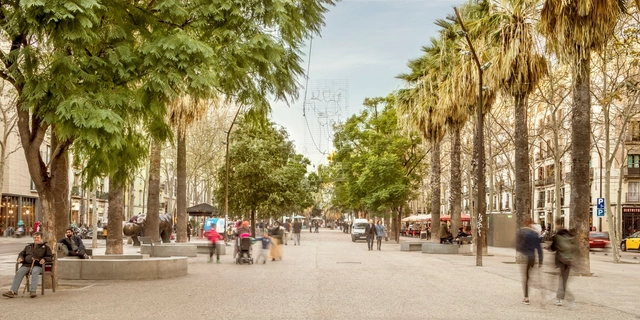
The 2020 FAD Awards, one of the most important architecture accolades on the Iberian Peninsula, have announced the winning projects of their latest edition.
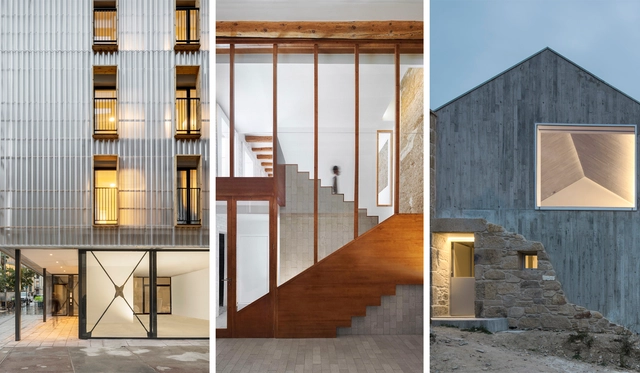
In a year marked by physical distancing, social media took on an even greater dimension in the ways we connect and stay informed. Our Instagram has expanded its reach, bringing our audience the best of what we publish on our website: projects, articles, interviews, and news from the architectural world, inspiring new ideas and tools for a better future.

Historically, bamboo has been used as a raw material in low-resource traditional construction, serving as a substitute for other woods to build structures, enclosures, and even furniture. Today, owing to its numerous advantages related to durability, strength, versatility, and low environmental impact, it has earned the moniker "vegetable steel" and gained a privileged position within the construction industry. The ongoing search for new materials for sustainable development has generated new construction fusions that bring contemporary materials and techniques into play with traditional elements, merging and enhancing the qualities of local materials in each region.

Surprising as it may seem, Spain currently lacks a national Law on Architecture and Habitability to recognize and promote the value of the profession to the country's economic, social, and cultural development.
However, 2017 brought two major developments that can and should provide the momentum needed to advance toward a crucial national law. First, the passage on November 8 of the Public Sector Contracts Law, which, according to Jordi Ludevid, president of the Superior Council of the Colleges of Architects of Spain (CSCAE), represents "a spectacular and highly positive change" for architects. Second, the approval on June 28, 2017, of Spain’s first-ever architecture legislation, the Catalonia Architecture Law.
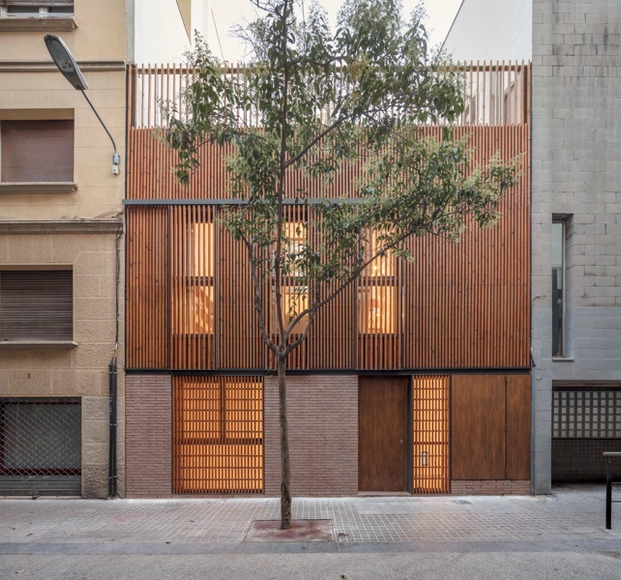

Under the title “More Living, More Humanizing,” the 14th Spanish Biennial of Architecture and Urbanism (BEAU) presented the winning projects of its latest edition today, Thursday the 19th, in Santander. This exhibition, housed in a temporary pavilion in Santander's Pereda Gardens, showcases the works selected in the categories of Panorama of Works, 2nd Research Exhibition, and 7th Thesis Projects Exhibition.

This article is part of our new Opinion section, a format for argument-driven essays on critical questions shaping our field.
The modern sustainability project is built on the promise that evolving technologies can reconcile urban and economic growth with ecological responsibility. By the metrics developed by the built environment professions and the policies adopted by governments, progress is tangible and accelerating: buildings consume less energy per square foot than they did a generation ago, vehicles emit fewer pollutants per mile, and urban infrastructure is more integrated and measurably cleaner in many cities. And yet total resource consumption continues to rise. Sustainability, as currently practiced across the built environment professions, has become a strategy for optimizing consumption rather than reducing it. Until the profession is willing to question the scale and structure of demand rather than the efficiency with which that demand is met, its most celebrated achievements will continue to fall short of the problem they claim to address.