

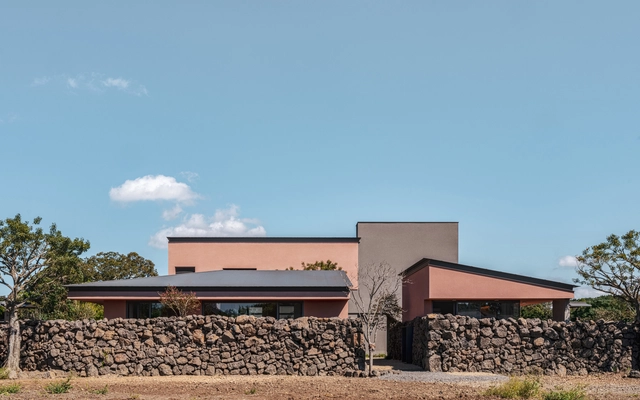
Stone Wall Stay House / Atelier O
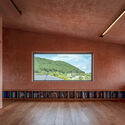
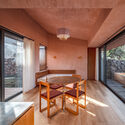
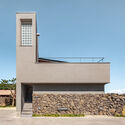
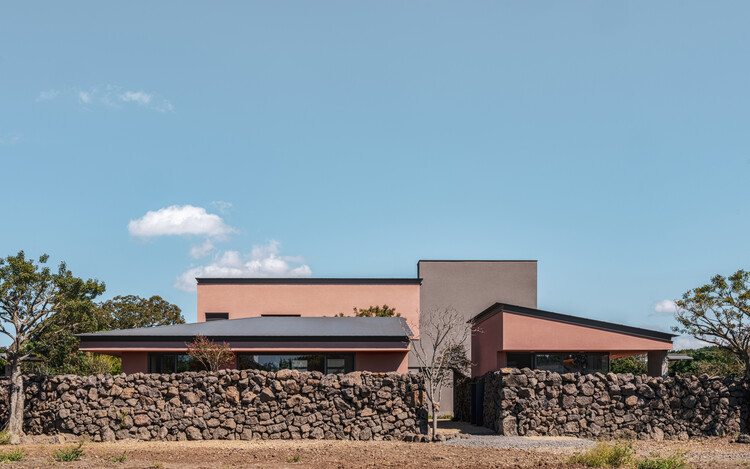
https://www.archdaily.com/1034507/stone-wall-stay-house-atelier-oMiwa Negoro
Sports Center for Überlingen School Campus / wulf architekten
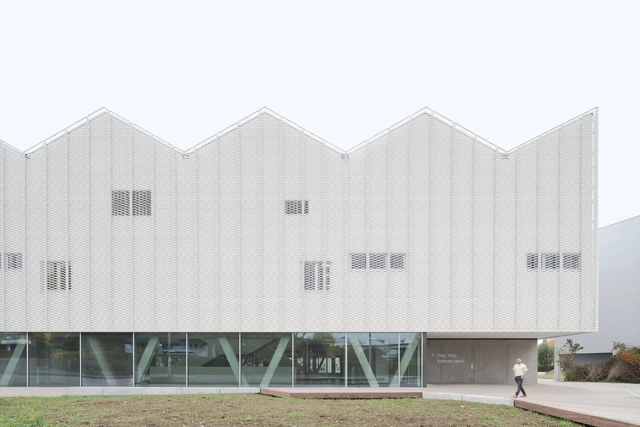


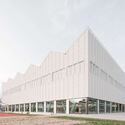

-
Architects: wulf architekten
- Area: 5600 m²
- Year: 2020
https://www.archdaily.com/969477/sports-center-for-uberlingen-school-campus-wulf-architektenAndreas Luco
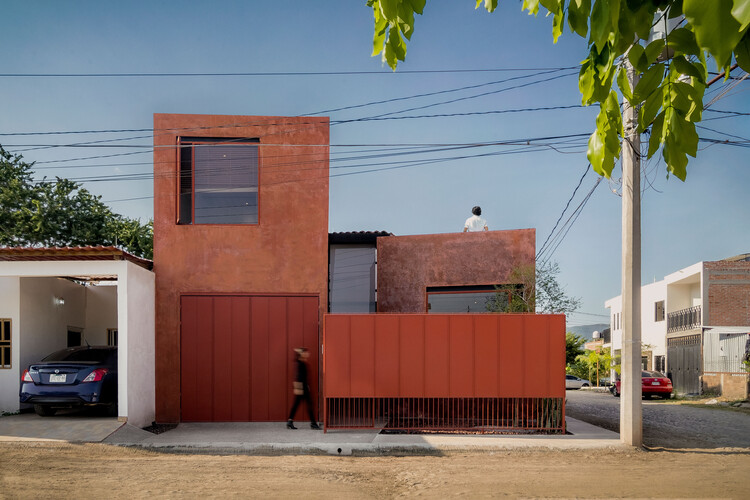
House Roja / JDR Arquitectos
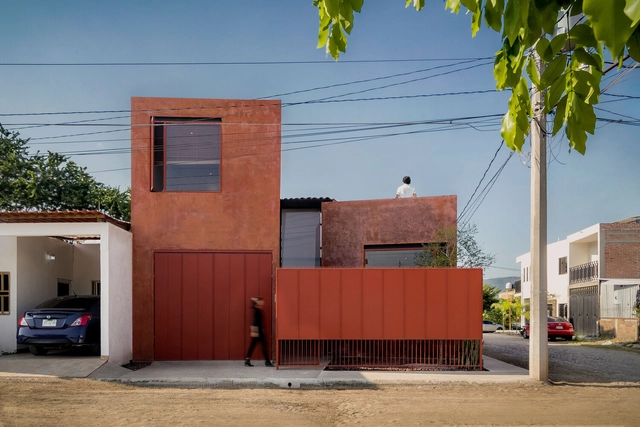
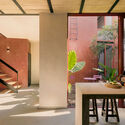
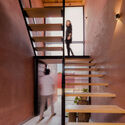

-
Architects: JDR Arquitectos
- Area: 152 m²
- Year: 2023
https://www.archdaily.com/1034510/house-roja-jdr-arquitectosValentina Díaz
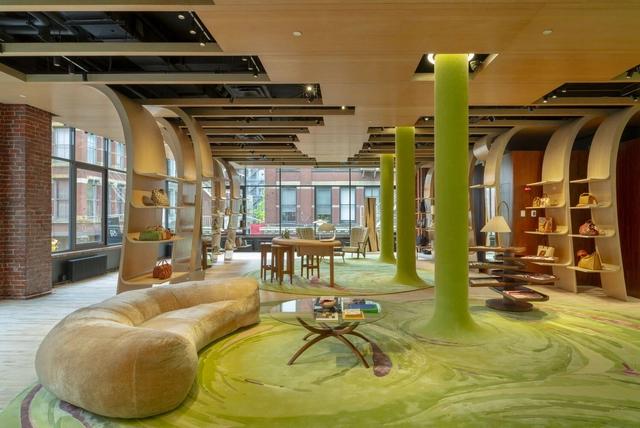
Longchamp Boutique / Heatherwick Studio


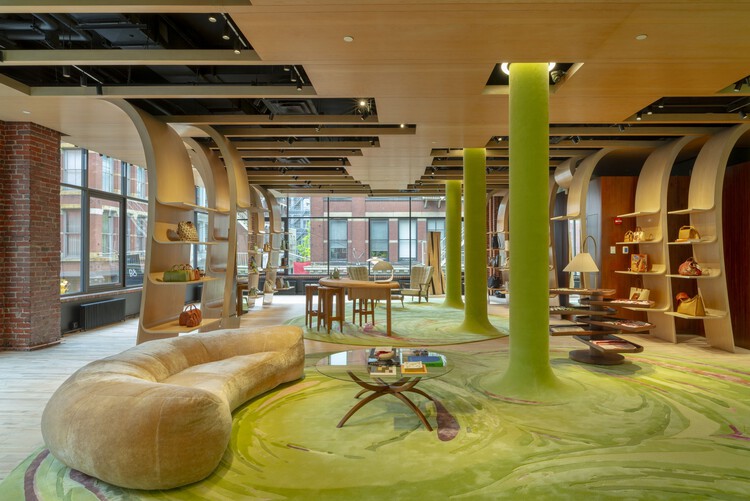
-
Architects: Heatherwick Studio
https://www.archdaily.com/1034576/longchamp-boutique-heatherwick-studioAndreas Luco
Flower House / Craig Steely Architecture
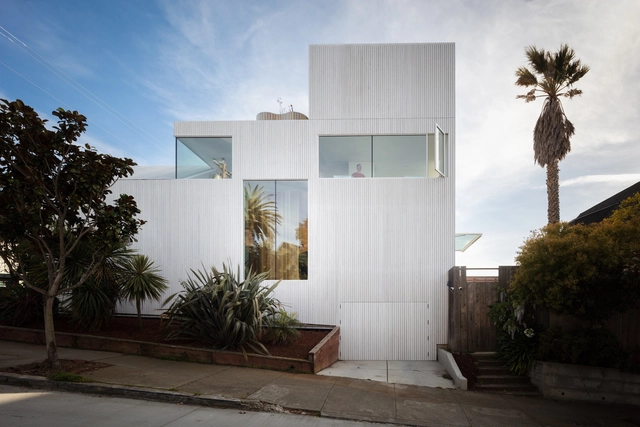

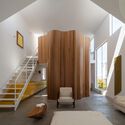
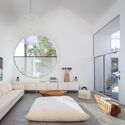
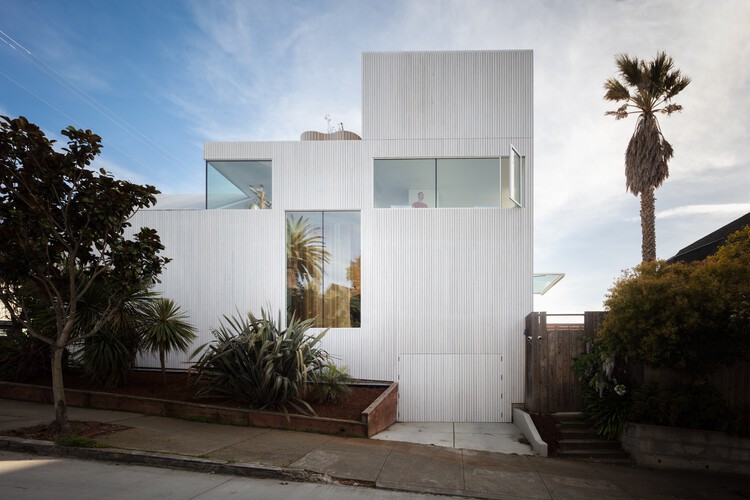
-
Architects: Craig Steely Architecture
- Year: 2023
https://www.archdaily.com/1034552/flower-house-craig-steely-architecturePilar Caballero
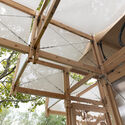
Rethinking Urban Cooling: A Case for Low-Energy Radiant Technology

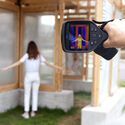
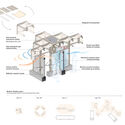
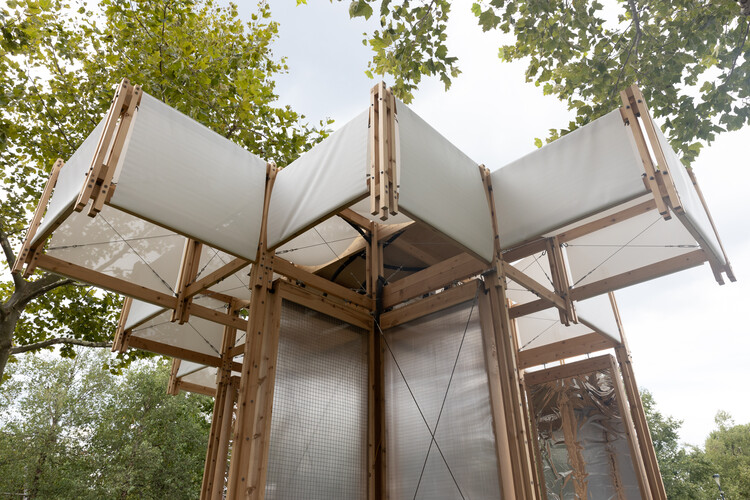
When exposed to heat, the body activates several physiological mechanisms to maintain thermal homeostasis. However, these natural defenses are often overwhelmed in our modern cities. In an urban environment defined by heat-absorbing asphalt, concrete, and a lack of green spaces, these mechanisms become inefficient. If the surroundings are excessively hot, humid, or poorly ventilated—conditions amplified by the Urban Heat Island effect—the core body temperature begins to rise, and the risk of serious complications increases, ranging from cramps and exhaustion to potentially fatal heat strokes.

https://www.archdaily.com/1034438/rethinking-urban-cooling-a-case-for-low-energy-radiant-technologyEduardo Souza
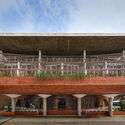
Jami At-Taqwa Mosque Cibinong / Ismail Solehudin Architecture

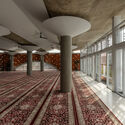
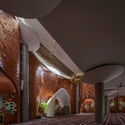
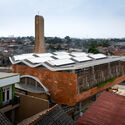

-
Architects: Ismail Solehudin Architecture
- Area: 900 m²
- Year: 2025
-
Manufacturers: Conwood, Niro, PT Aluminium Extrusion Indonesia (ALEXINDO), Toto
https://www.archdaily.com/1034505/jami-at-taqwa-mosque-cibinong-ismail-solehudin-architecturePilar Caballero
12 Pavilions at EXPO 2025 Osaka Highlight Immersive Spatial Experiences
| Sponsored Content
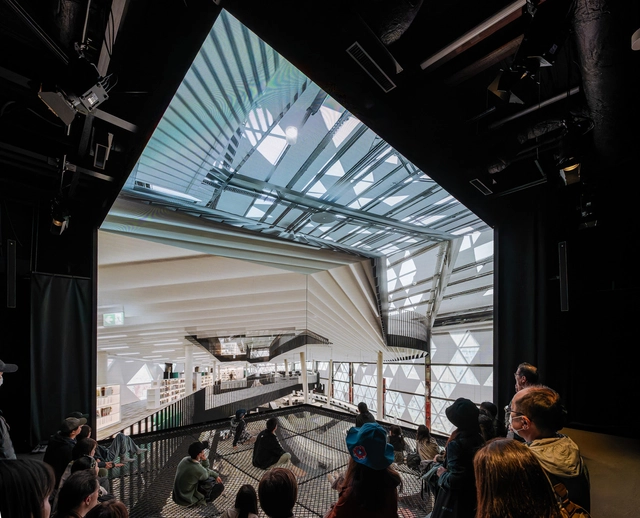
Since its inauguration this spring, Expo 2025 Osaka has captured global attention from multiple perspectives, demonstrating how architecture can function as a laboratory for exploring solutions to pressing challenges. After 55 years, Osaka is once again hosting the World Expo, with each installation organized around the sub-themes Saving Lives, Empowering Lives, and Connecting Lives. These pavilions take forms that express the identity and values of their region through distinctive architectural languages, forming the central axis of their design. Building on this foundation, some installations serve as laboratories for the future society, utilizing technology to enhance experiences both inside and outside the spaces, transforming the visit through light, sound, visuals, and movement as part of the technological innovation showcased at the event.


https://www.archdaily.com/1034374/12-pavilions-at-expo-2025-osaka-highlight-immersive-spatial-experiencesEnrique Tovar
The 5th Seoul Biennale of Architecture and Urbanism Opens With Thomas Heatherwick as General Director
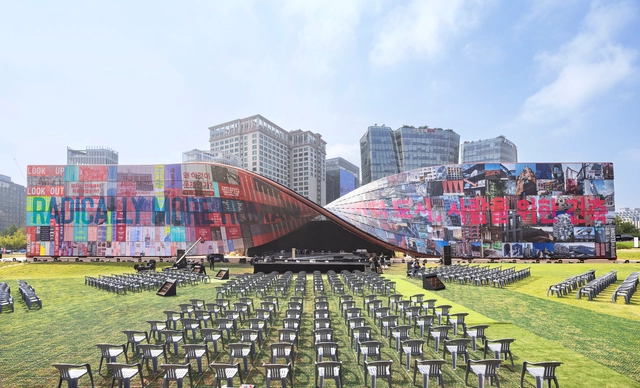
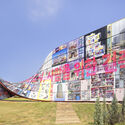
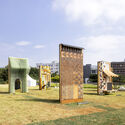
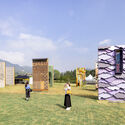
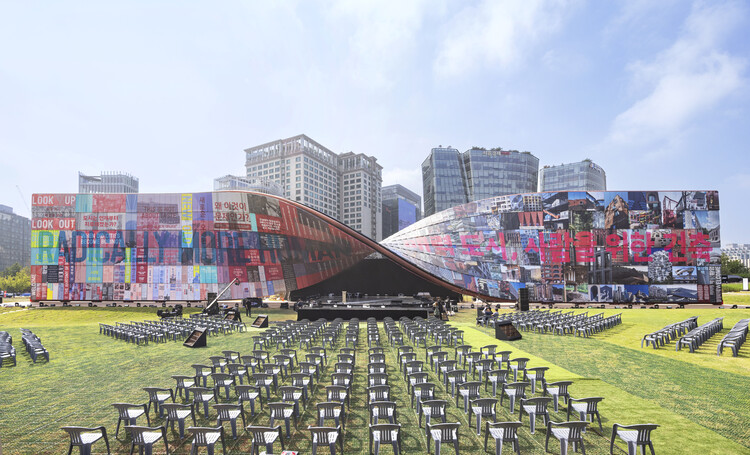
The 5th Seoul Biennale of Architecture and Urbanism opened on September 26 at Songhyeon Green Plaza in central Seoul. Recognized as the largest public architecture festival in Asia, this year's edition is directed by Thomas Heatherwick under the curatorial theme of how cities can become "radically more human." Running through November 18, the Biennale brings together exhibitions, global forums, and citizen-led projects to examine the role of architecture in shaping more inclusive and enduring urban environments.

https://www.archdaily.com/1034620/the-5th-seoul-biennale-of-architecture-and-urbanism-opens-with-thomas-heatherwick-as-general-directorReyyan Dogan
Catribana House / STUDIO_LPP
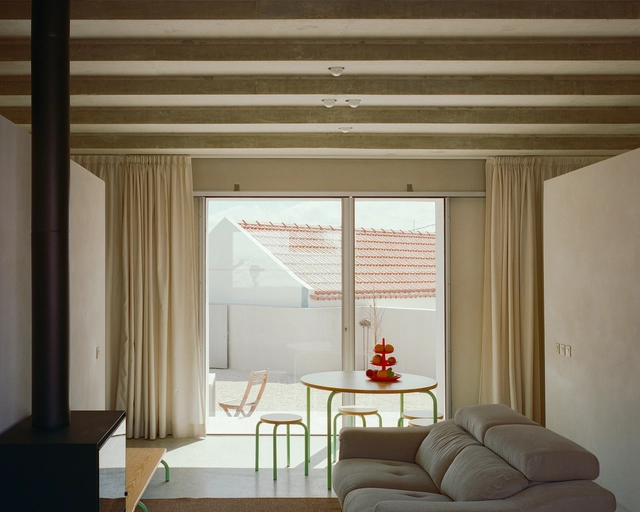


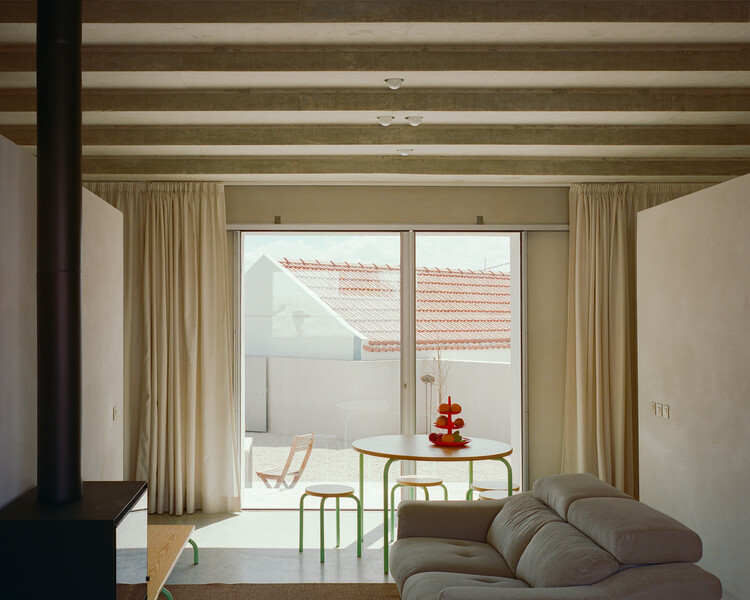
-
Architects: STUDIO_LPP
- Area: 75 m²
- Year: 2024
https://www.archdaily.com/1034563/catribana-house-studio-lppSusanna Moreira
British Post-Modernist Architect Terry Farrell Passes Away at 87
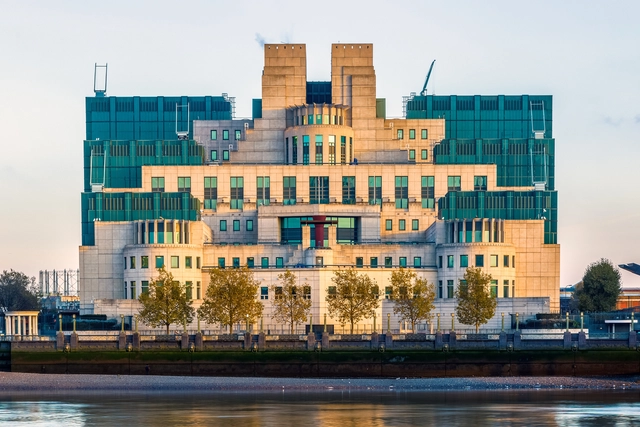
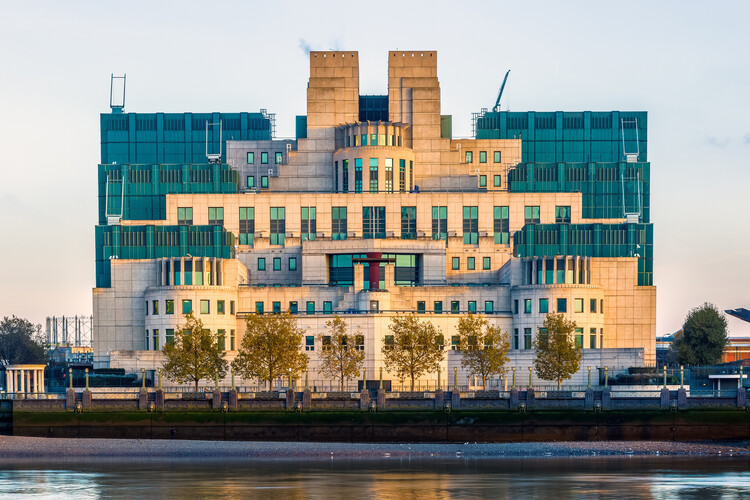
Farrells, the London-based architecture and urban design practice, announced earlier today the death of its founder, architect Sir Terry Farrell. The firm highlighted Farrell's commitment to questioning architectural convention and his advocacy for more responsible, contextual, and community-driven approaches to urban development, seeking creative alternatives to wholesale demolition and rebuild. His death follows that of his early collaborator Nicholas Grimshaw, with whom he founded the Farrell/Grimshaw Partnership in 1965. Together they produced functionalist, modern buildings defined by their structural clarity, before Farrell established his independent voice as one of the leading figures of British Post-Modernism, designing some of the movement's most recognisable works, including London's MI6 Building and the TV-am studios in Camden.
https://www.archdaily.com/1034605/british-post-modernist-architect-and-farrells-founder-terry-farrell-passes-away-at-87Antonia Piñeiro
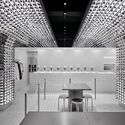
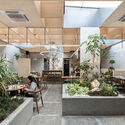
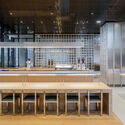
Interiors of Pastry Shops and Bakeries: Design Strategies that Integrate Functions, Users, and Materials
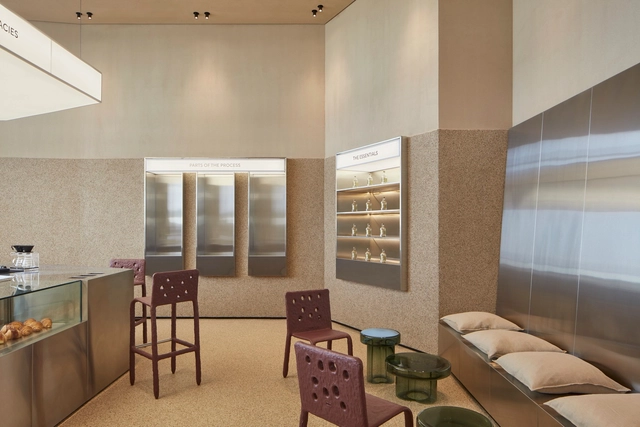
What is the link between architecture and pastry? What design strategies are applied in the contemporary interiors of bakeries and pastry shops? While architecture can serve as inspiration for the design of forms and configurations of edible elements, it also contributes the techniques of descriptive drawing, architectural composition, and staged planning to the culinary language. Focusing their thinking on people and their needs, both disciplines strive for precision, with interior design being a broad field where the use of figures, colors, materials, and various equipment can be explored to enhance user experiences.


https://www.archdaily.com/1020692/interiors-of-pastry-shops-and-bakeries-design-strategies-that-integrate-functions-users-and-materialsAgustina Iñiguez
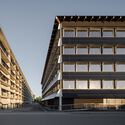
Hortus Allschwil / Herzog & de Meuron


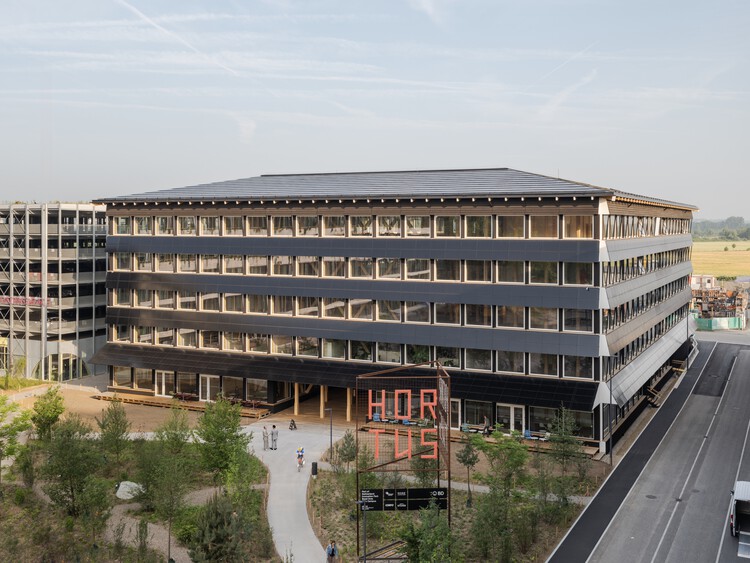
-
Architects: Herzog & de Meuron
- Area: 14100 m²
- Year: 2025
https://www.archdaily.com/1034416/hortus-allschwil-herzog-and-de-meuronAndreas Luco


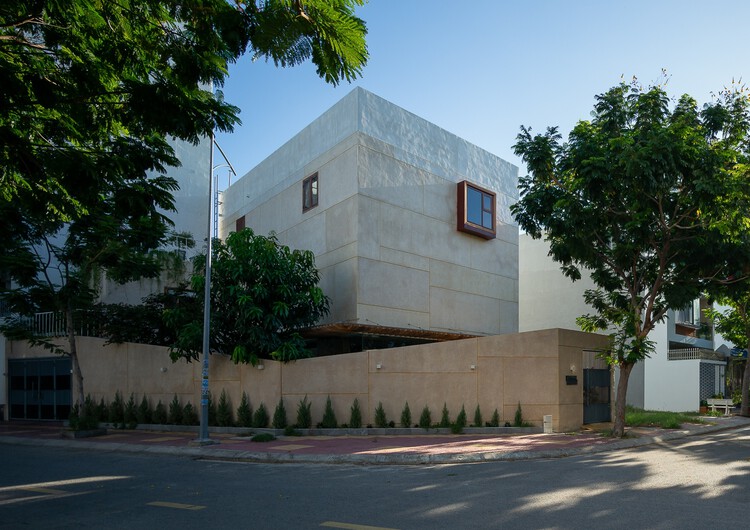
Change X Community / Atelier GOM
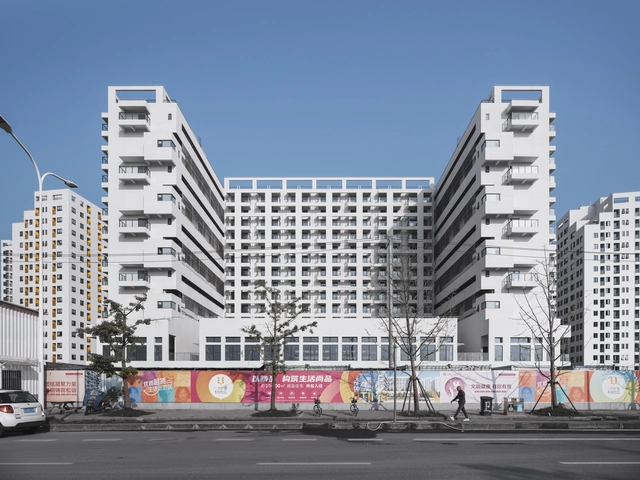
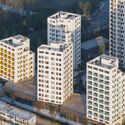
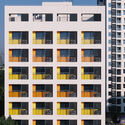

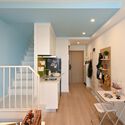
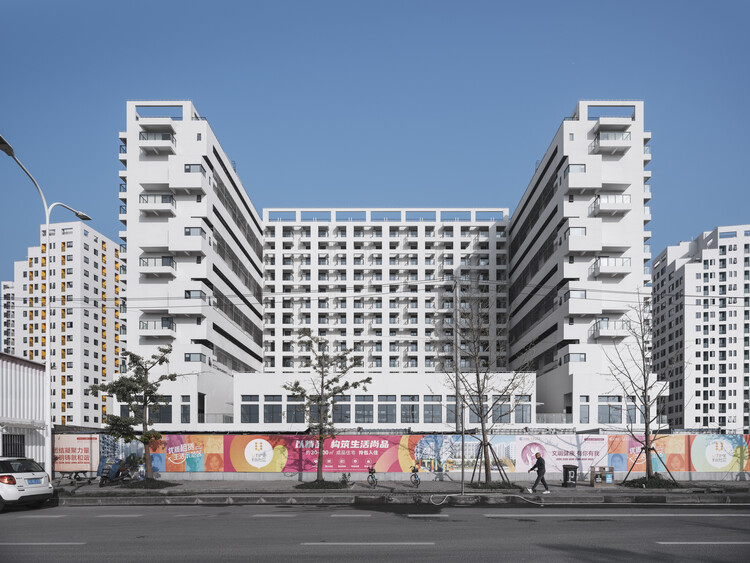
https://www.archdaily.com/1034408/change-x-community-atelier-gomValeria Silva
Bumi Pakubuwono / WOFF
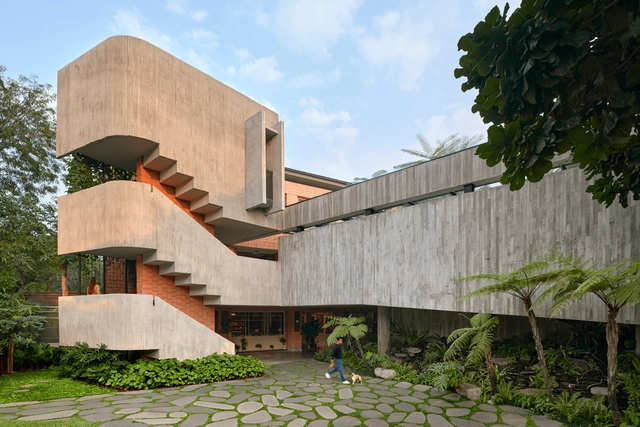


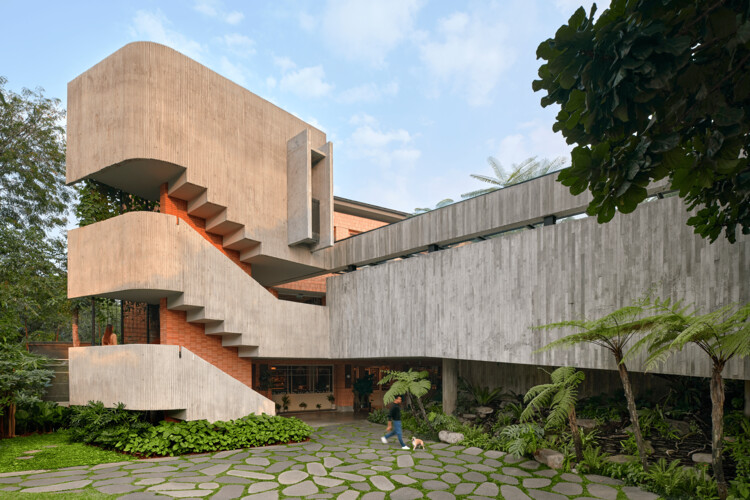
https://www.archdaily.com/1034497/retail-and-f-and-b-woffMiwa Negoro
Elementary school at Le Grand Lemps France / Brenas Doucerain Architectes
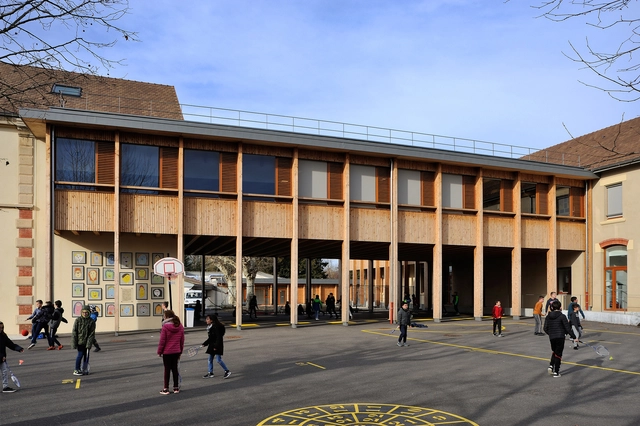



-
Architects: Brenas Doucerain Architectes
- Area: 2218 m²
- Year: 2020
-
Manufacturers: Hoppe, dormakaba, Atlas Schindler, Forbo Flooring Systems, Bostik, +11
-
Professionals: BETREC
https://www.archdaily.com/935357/elementary-school-at-le-grand-lemps-france-brenas-doucerain-architectesPilar Caballero
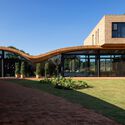
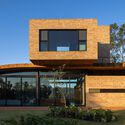
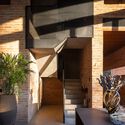
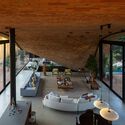
Passive House / Mareines Arquitetura


-
Architects: Mareines Arquitetura
- Area: 1350 m²
- Year: 2024
-
Manufacturers: Legnox , Olaria Barduchi
https://www.archdaily.com/1034428/passive-house-mareines-arquiteturaValeria Silva


