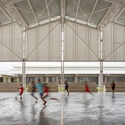
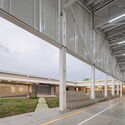
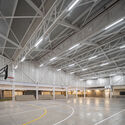
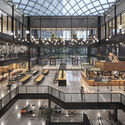
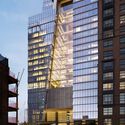
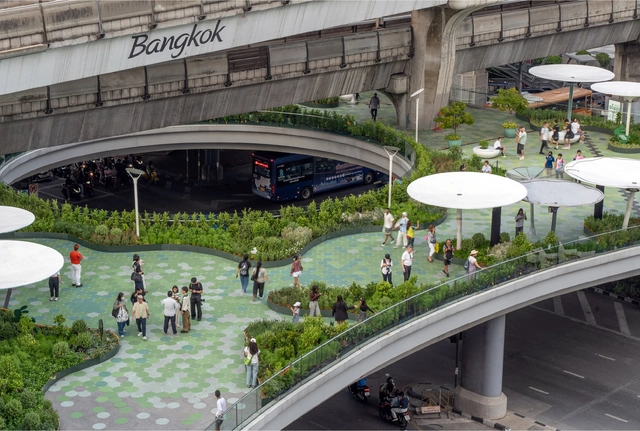
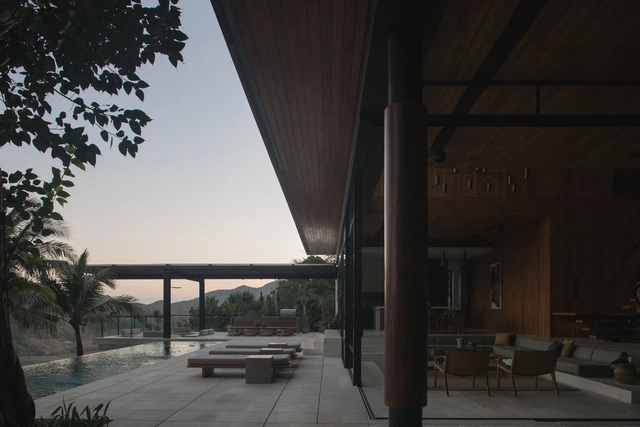
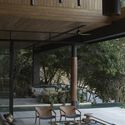
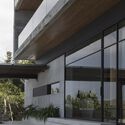
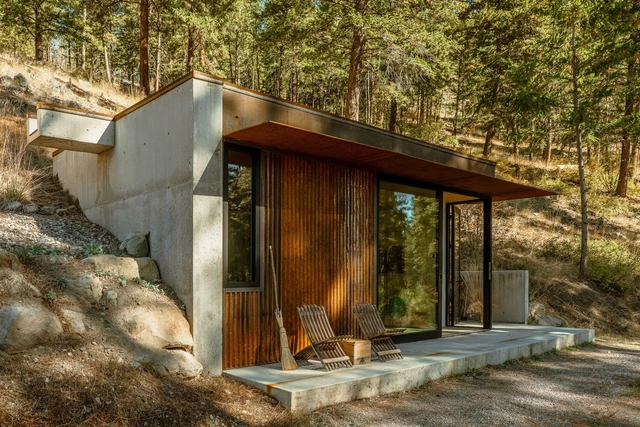
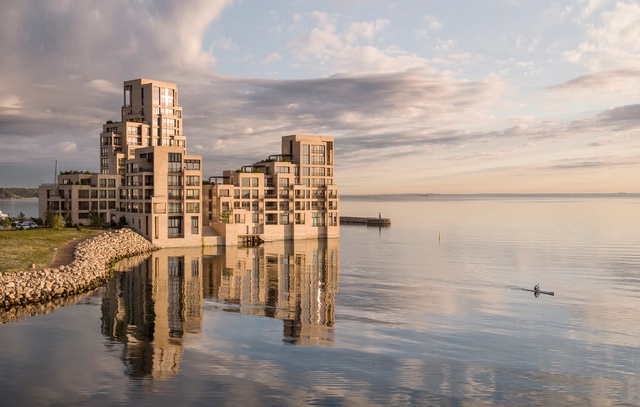
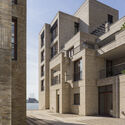
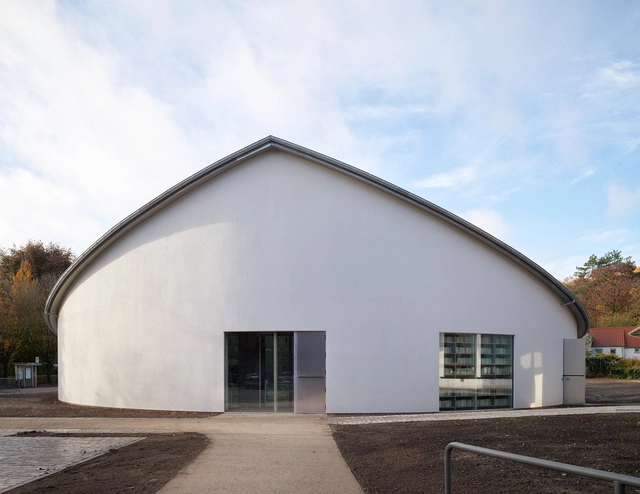
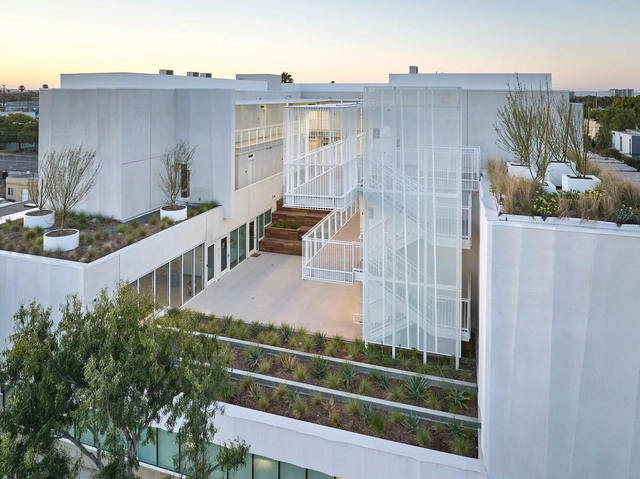
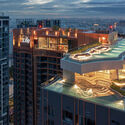
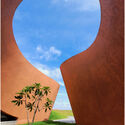
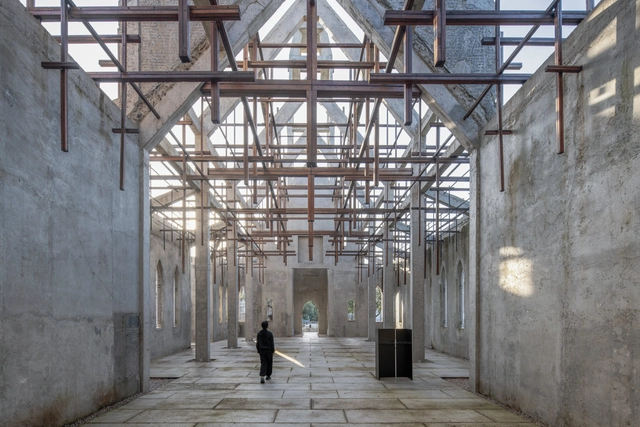
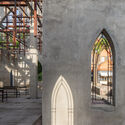
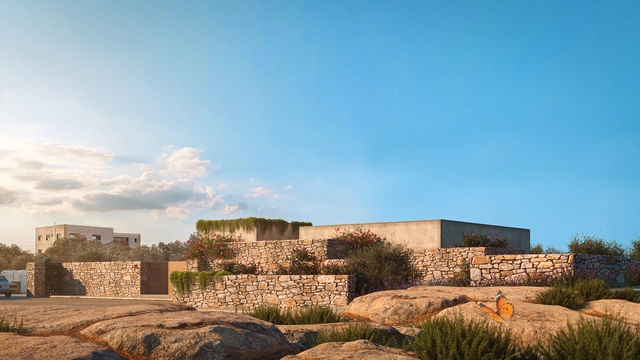
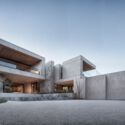
NA Structures with AZD Architects and Hemphill Builders. Orchard Lake, Michigan. Image from Way Up Media
In the construction industry, light wood-frame offsite construction has emerged as a game-changing approach, promising faster build times, higher quality, and reduced environmental impact. Member companies of the Quebec Wood Export Bureau (QWEB) have launched a digital tool that harnesses the benefits and potential of prefabricated light wood-frame products for projects.
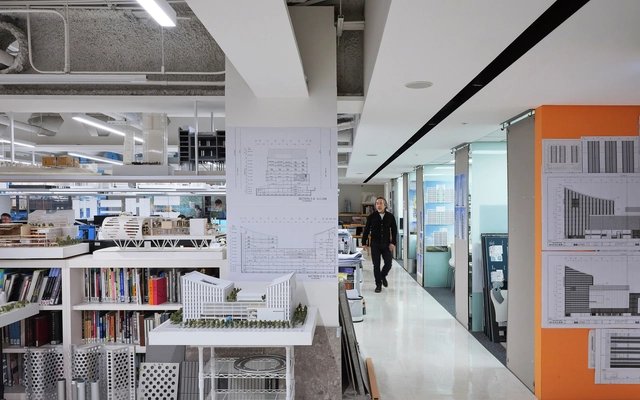
To create this collection, Marc Goodwin collaborated with Italian architect, publisher, teacher, and curator Alessandro Martinelli, who is based in Taipei. He selected the participants with the help of Mr. Chung-Hsiung Wang, the curator of the Taiwan Pavilion at the Venice Architecture Biennale 2018. The series will continue to develop with the creation of scale models for each studio, which will be exhibited alongside the photographs in the Taiwan Pavilion of the Venice Biennale.
The office building typology emerged from the need to unite thousands of people within a relatively strict working environment. In major cities, these structures clustered into Central Business Districts (CBDs), which became dedicated neighborhoods accommodating commerce and businesses. However, the COVID-19 pandemic disrupted this model, leading to the rise of remote and hybrid work. Now, nearly four years later, occupancy rates in these urban centers remain lower than pre-pandemic levels, signaling a long-term shift in the work environment. To address this challenge, developers have been increasingly looking into “repositioning” their projects, seeking to redefine their image by adapting them to contemporary demands. This typology considers the surrounding urban fabric, aiming to expand the building’s use beyond its original purpose and attract people back to the CBDs.
Manufacturers: Sto, AGC, Deltalight, James Jones & Sons Limited, Ludvig Svensson, +6SAPA building systems, STABALUX, Siniat, Steico, TKElevator, VMZINC-6
New developments, companies, start-ups in the real estate industry are transforming perceptions and needs around home ownership and rental experiences. In a society where home ownership is attributed to personal success, innovations in the residential rental market seek to enhance the appeal of renting. Evolving consumer needs are resulting in a trend of exclusive, community-focused living models. This shift is redefining how people view their living spaces, interact with their communities, and perceive the value of their homes.
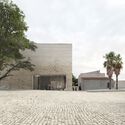
Throughout history, stone has been a vital building material because of its strength, beauty, and inherent appeal. Stone has been used to build long-lasting constructions for ages, from historic monuments to contemporary residences. Because of its resilience, it is suitable for both interior and exterior design projects, providing a diverse array of appearances. There are numerous varieties of stone, each with a distinct texture and color, including marble, granite, and limestone. Because of this diversity, stone may be creatively used by architects and builders to create accents or entire buildings. This curated selection of Unbuilt Architecture,submitted by the ArchDaily community, showcases how stone is still a dependable and adaptable building material that can combine old-world craftsmanship with contemporary style.
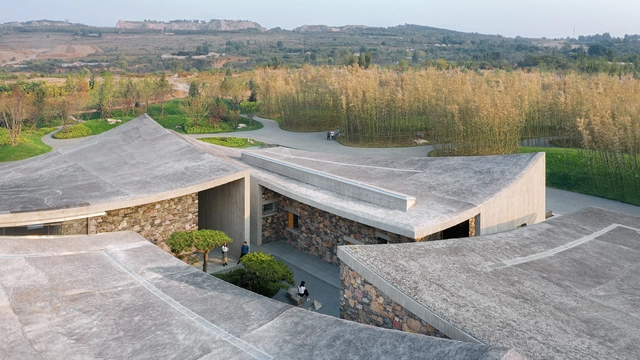
Oct Art Center, Photo by Xia Zhi. Image Courtesy of Zhu Pei Studio
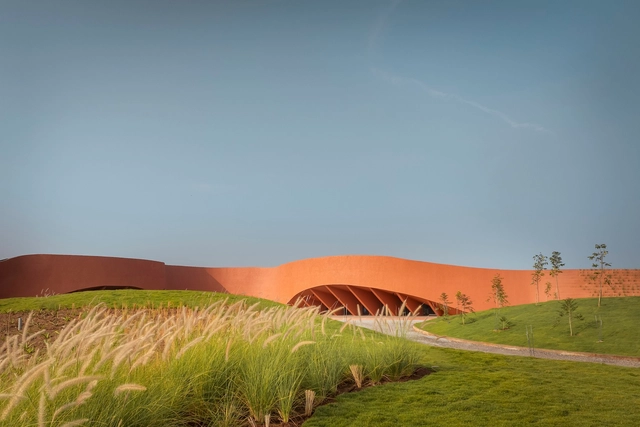
“This is going to be amazing! I feel so excited,” says Zhu Pei about his now under-construction Majiayao Ruins Museum and Observatory in Lintao, Gansu province. The Beijing-based architect designed his building like a deeply embedded cavernous space evoking a giant fragment of ancient pottery, resembling an archaeological site from the Neolithic Age discovered here a century ago. The building is so unusual that it cannot be described in common architectural terms. For example, a vast cast-in-place concrete hyperbolic shell lies prone on the ground, blocking the cold wind from the northwest in winter. The architect used the sand and gravel from the local Tao River to produce a special rough concrete with horizontal scratches on the surface, symbolizing the traces of thousands of years of erosion. All of Zhu’s buildings are quite remarkable. Yet, despite their novelties, they are rooted in culture, nature, and climate. They are designed based on his architectural philosophy, Architecture of Nature, articulated in five fundamental points: incomplete integrity, sponge architecture, cave and nest, sitting posture, and structure and form.