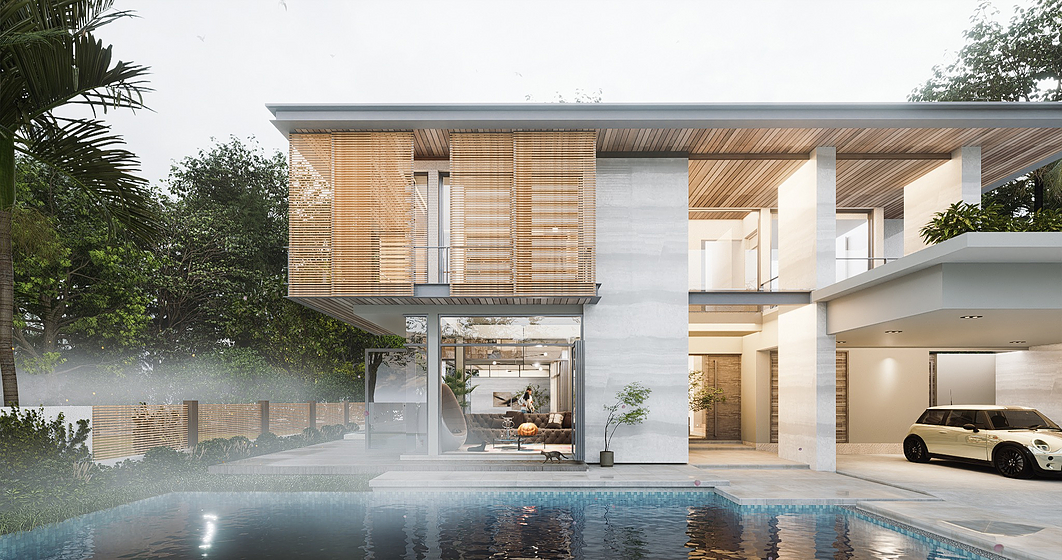
This guide shows how to use a D5 Render a free live-sync plugin to improve SketchUp workflow.


This guide shows how to use a D5 Render a free live-sync plugin to improve SketchUp workflow.
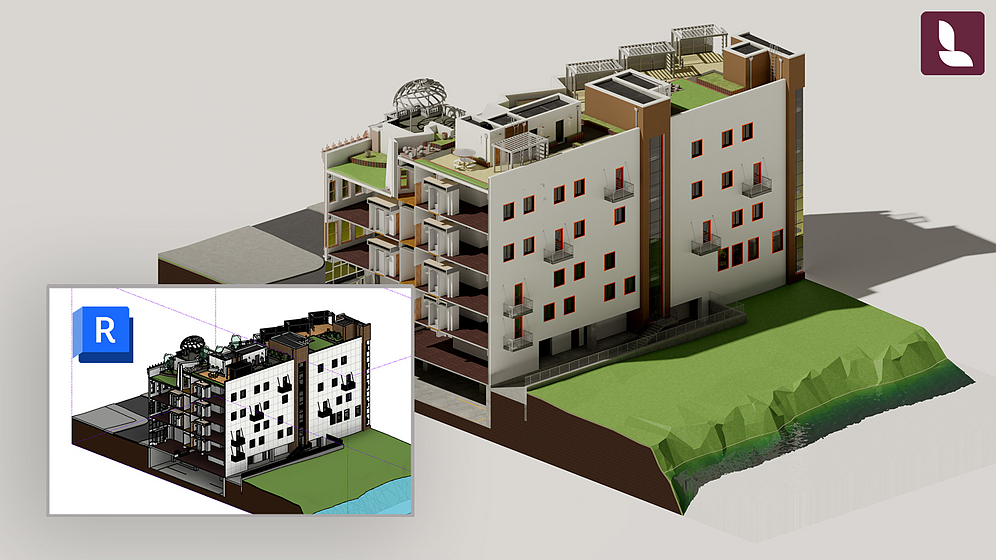
A real-time visualization, providing a realistic, immersive view of your model within your familiar BIM environment.
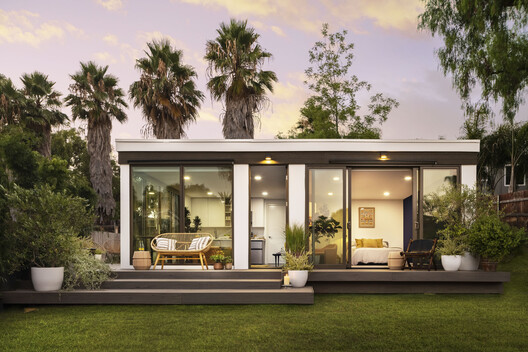
As construction materials costs increase, builders and developers are seeking alternatives to traditional home construction methods to address housing shortages. In response, an expanding construction technology field is the 3D printing sector. This technology promises quicker, cheaper construction and the potential to extrude local and recycled materials. However, due to the slow-changing nature of the construction industry, a radical shift involving large-scale 3D-printing machines on-site and a complete overhaul of the construction process seems unlikely shortly.
Prefabricated 3D printing modular housing offers a compelling solution, providing the benefits of 3D printing advancements while leveraging standard construction machinery and labor. In off-site 3D-printed construction, there is no need to transport massive 3D-printing machines on-site. Instead, components are printed in a controlled environment and then assembled on-site. These types of 3D-printed residential modular kits of parts are already being manufactured and are attracting significant investment.


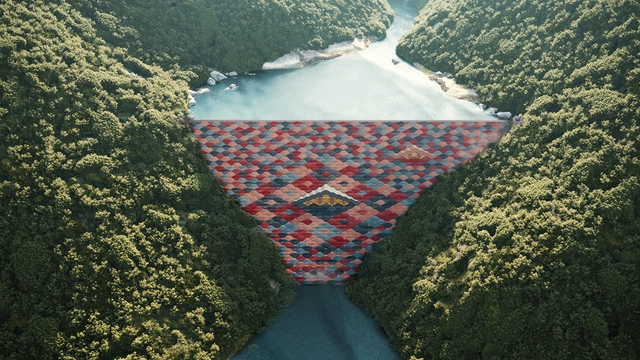
“The Mindfulness City will be a sustainable city. To be mindful is to be aware — to perform best,” said Giulia Frittoli, partner and head of landscape at BIG. The Kingdom of Bhutan is a landlocked Buddhist country in the eastern Himalayas, nestled between China and India. It covers 14,000 square miles and has a population of nearly 800,000.
The Royal Office of Bhutan asked BIG, Arup, and Cistri to develop a plan for a new Mindfulness City in Gelephu in southern Bhutan, near the border with India. The city will span 386 square miles and include a new international airport, railway connections, hydroelectric dam, university, spiritual center, and public spaces.

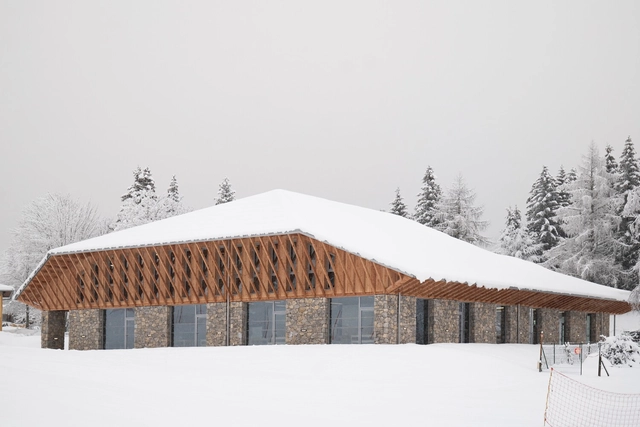

The International Union of Architects, in collaboration with UN-Habitat, has announced the launch of the second cycle of the UIA 2030 Award. This biennial award promotes the work of architects contributing to the delivery of the UN 2030 Agenda for Sustainable Development together with the New Urban Agenda.
The first cycle of the award gathered 125 projects from 40 countries and the final results were announced on 28 June 2022 in Katowice, Poland, during the World Urban Forum (WUF11).
Synchronised with the World Urban Forum (WUF), the award invites all architects around the world to submit entries for built projects that demonstrate


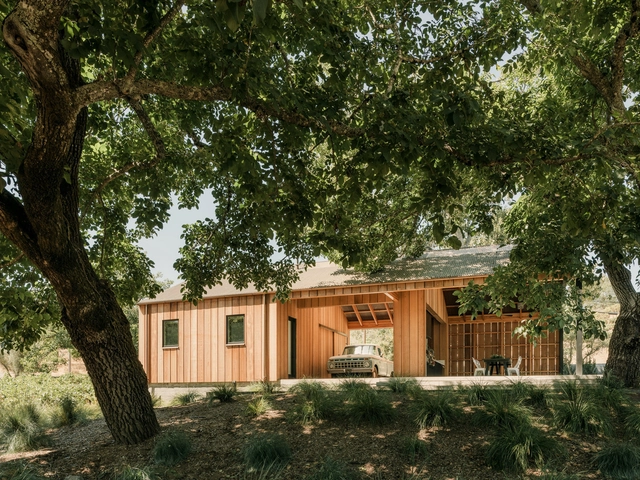
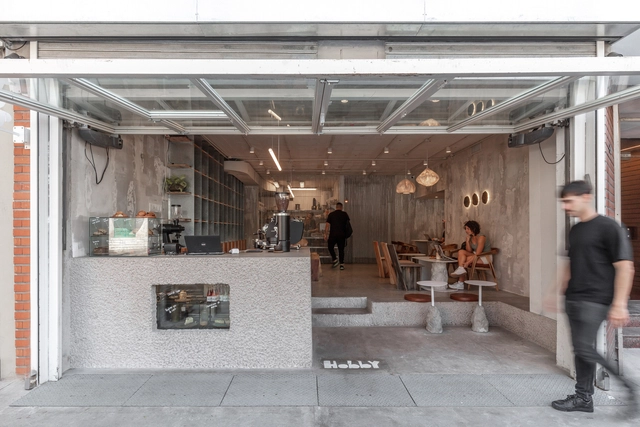
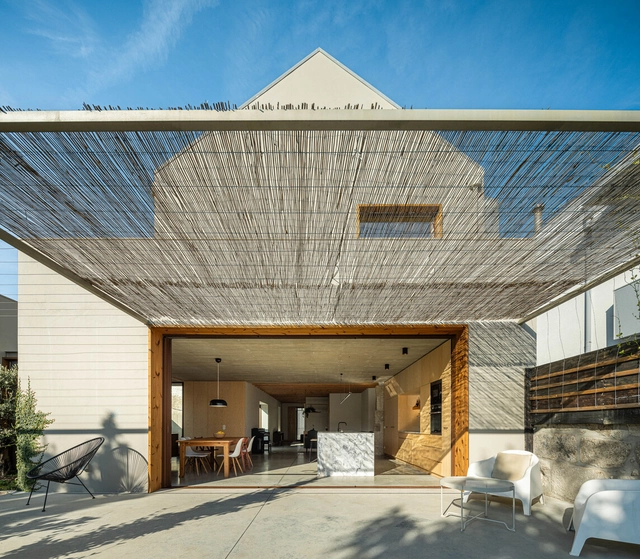
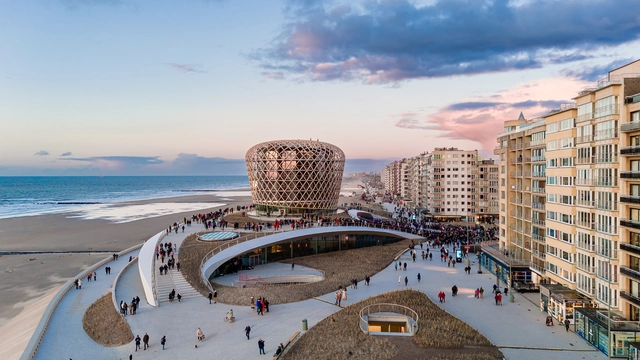
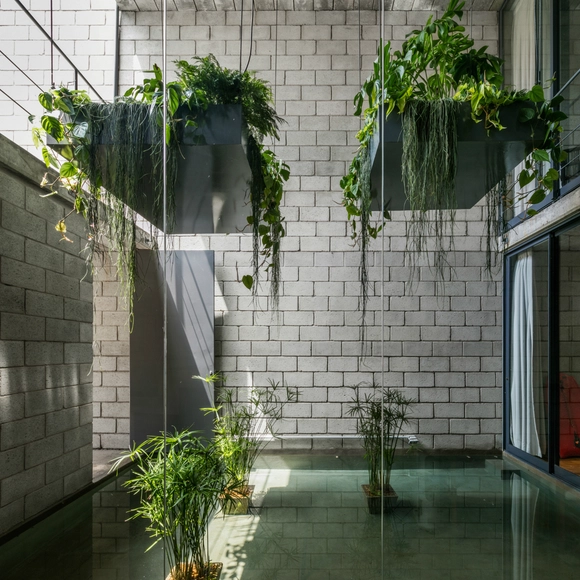
Concrete blocks are prefabricated materials primarily used for constructing walls. Similar to bricks, these blocks are stacked together and bonded with mortar, typically composed of cement, sand, and water. They are hollow inside to accommodate steel bars and mortar filling.
These blocks are available in a variety of dimensions and textures, ranging from traditional smooth surfaces to fluted or rough finishes. Additionally, there are special units designed for corners or beams with longitudinal reinforcements. The dimensions vary, from the classic 8x8x16 inches (approximately 19x19x39 cm) intended for structural use, to a size of 8x3.5x39 inches (approximately 19x9x39 cm) for partitioning walls. How can we creatively incorporate them into our designs?

In the heart of Milan's green quarter, Portanuova, Electrolux is introducing an innovative initiative. From April 16th to 21st, the Electrolux EcoLine Hub at Fuorisalone 2024 emerges as a unique space where education meets inspiration.
More than a mere exhibition, the Electrolux EcoLine Hub offers a fully immersive experience designed to enlighten visitors on the simplicity and significance of practices that can help them live more sustainably at home. Through this initiative, Electrolux aims to stimulate a broader dialogue on the topic. The Electrolux EcoLine Hub also includes an exhibition of products that are part of the Electrolux EcoLine range, which is a selection of the brand's most energy-efficient kitchen and laundry appliances, designed to help users make better choices.
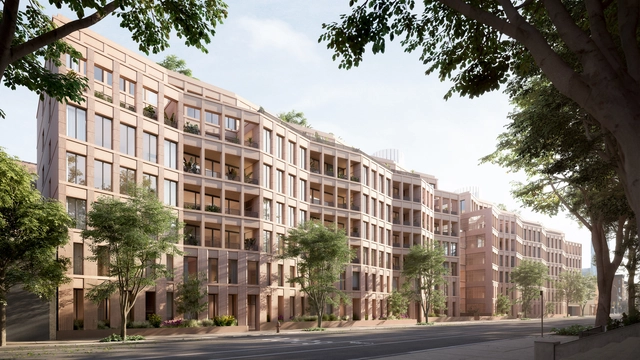
Taller Frida Escobedo has unveiled a new residential project to take shape in Brooklyn, New York. The 209,000-square-foot project titled after its location, Boerum Hill – Bergen, aims to become a contextual addition to the neighborhood, adapting its materiality and scale to the surrounding context. The developers, Avdoo & Partners, also enlisted Workstead for interior design, DXA for master planning, and DXA and Patrick Cullina for landscape design. The project is scheduled for completion in 2025.


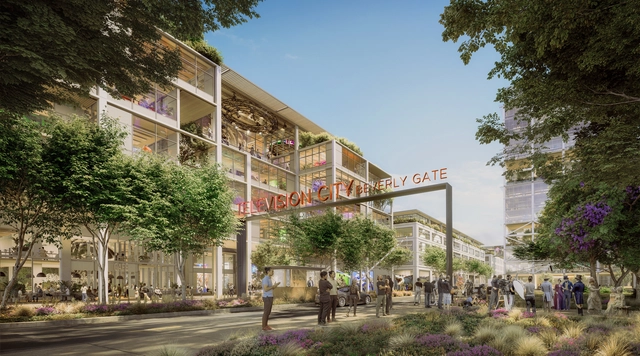
Foster + Partners, led by Normal Foster, has just been selected to reimagine the Television City studio complex in Los Angeles, following a global competition. The project involves the restoration of William Pereira’s iconic 1952 buildings and the transformation of the 25-acre site into a low-rise multi-modal campus and draws inspiration from the Los Angeles’ renowned Case Study Houses. The campus will feature new sound stages, production offices, creative workspace, and retail surrounding its perimeter.
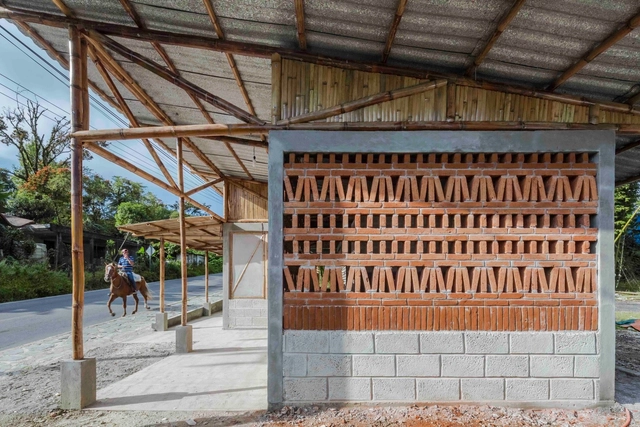
Modular homes are houses either partially or fully constructed in a factory. This process involves creating a series of three-dimensional 'modules' delivered to a site in a predetermined spatial pattern and assembled into a complete product. These homes have become popular solutions to housing crises as they can be produced 50% faster and emit half as much pollution.
However, the locality of the materials used is a significant factor that gives homes their character. It conveys a sense of place, culture, construction history, and local craftsmanship. This raises questions about its role in modular housing: Can local materials be used in the factory production of homes? Can they be combined with a modular framework and temporary connections? What are the limitations of building modular homes in the local contexts of the Global South?