How to Prompt and Annotate Multiple Images with AI

 | Sponsored Content

This guide explains how to structure multi-image prompts in the RunDifussion platform. Explore RunDifussion's product catalog.


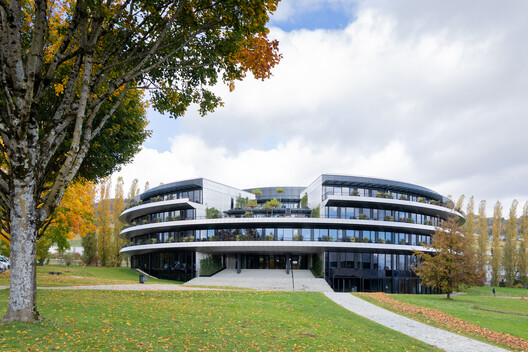
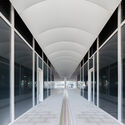
Philo Science Center at Institut Le Rosey / Bernard Tschumi Architects + Fehlmann Architectes

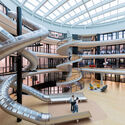
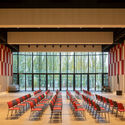
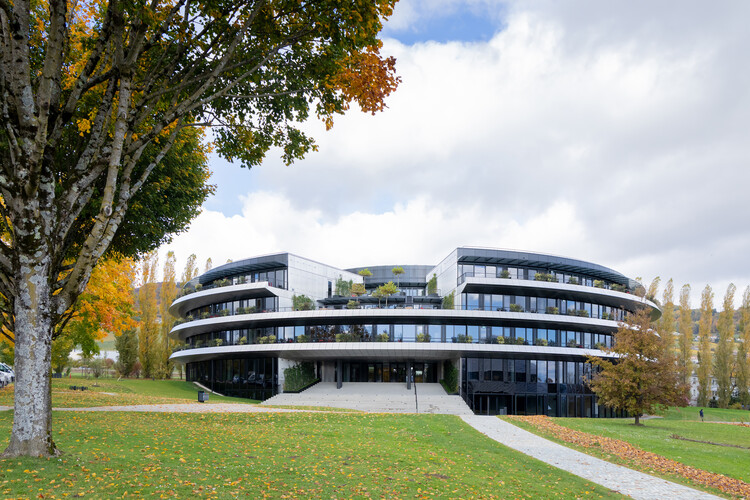
Philo Science Center at Institut Le Rosey / Bernard Tschumi Architects + Fehlmann Architectes - Exterior Photography, InstitutePhilo Science Center at Institut Le Rosey / Bernard Tschumi Architects + Fehlmann Architectes - InstitutePhilo Science Center at Institut Le Rosey / Bernard Tschumi Architects + Fehlmann Architectes - Interior Photography, InstitutePhilo Science Center at Institut Le Rosey / Bernard Tschumi Architects + Fehlmann Architectes - Interior Photography, Institute, ChairPhilo Science Center at Institut Le Rosey / Bernard Tschumi Architects + Fehlmann Architectes - More Images+ 10

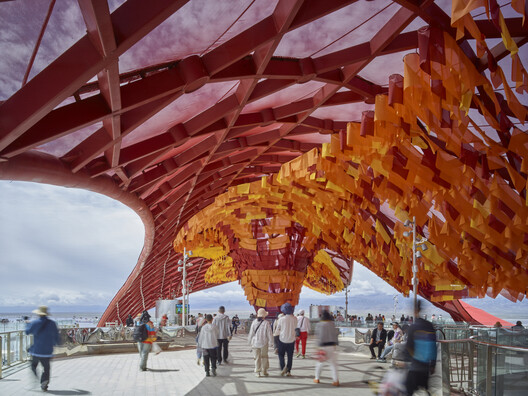
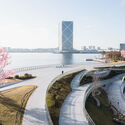
Chaka Salt Lake Tourist Railway Station / THAD SUP Atelier

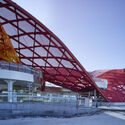
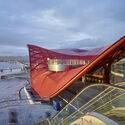
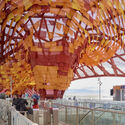
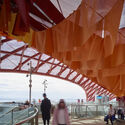
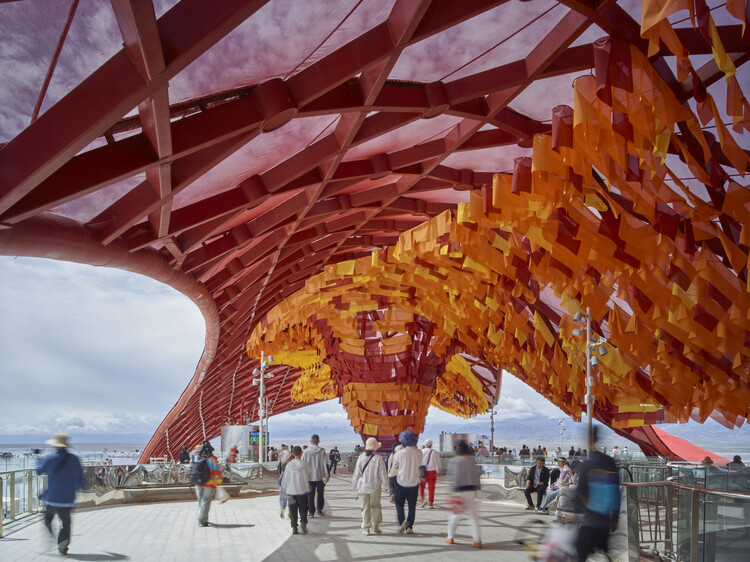
Chaka Salt Lake Tourist Railway Station / THAD SUP Atelier - TourismChaka Salt Lake Tourist Railway Station / THAD SUP Atelier - TourismChaka Salt Lake Tourist Railway Station / THAD SUP Atelier - Interior Photography, TourismChaka Salt Lake Tourist Railway Station / THAD SUP Atelier - Interior Photography, Tourism, StairsChaka Salt Lake Tourist Railway Station / THAD SUP Atelier - More Images+ 28

Haixi Mongol and Tibetan Autonomous Prefecture, China
  • Architects: THAD SUP Atelier
  • Area Area of this architecture project Area:  3997
  • Year Completion year of this architecture project Year:  2024

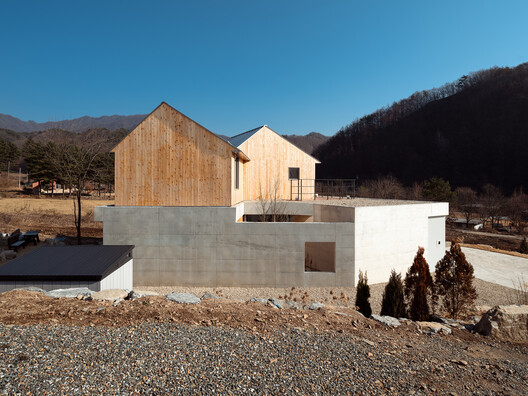
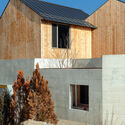
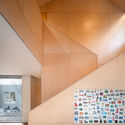
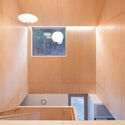
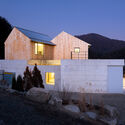
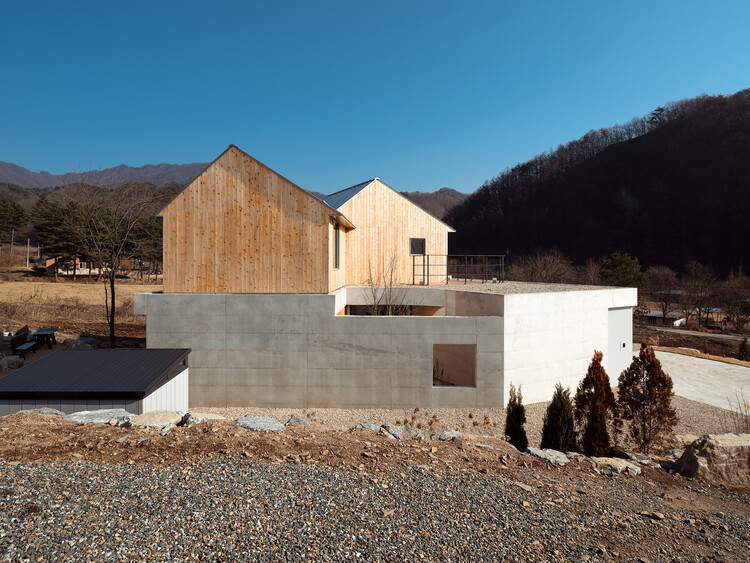
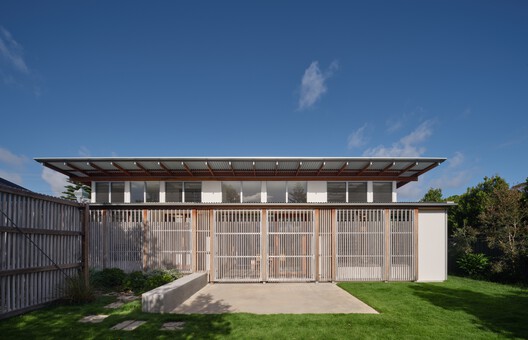
Two Gabled Volumes, One Landscape / BRBB Architects

Two Gabled Volumes, One Landscape / BRBB Architects - Exterior Photography, HousesTwo Gabled Volumes, One Landscape / BRBB Architects - HousesTwo Gabled Volumes, One Landscape / BRBB Architects - Interior Photography, HousesTwo Gabled Volumes, One Landscape / BRBB Architects - Exterior Photography, HousesTwo Gabled Volumes, One Landscape / BRBB Architects - More Images+ 15

Hoengseong-gun, South Korea
  • Architects: BRBB Architects
  • Area Area of this architecture project Area:  317
  • Year Completion year of this architecture project Year:  2023

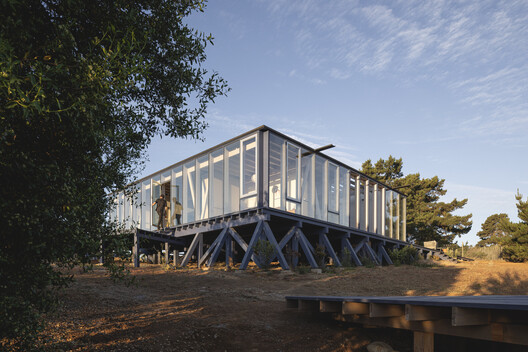
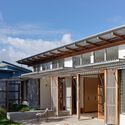
House SI / Iragüen Viñuela Arquitectos

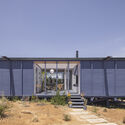
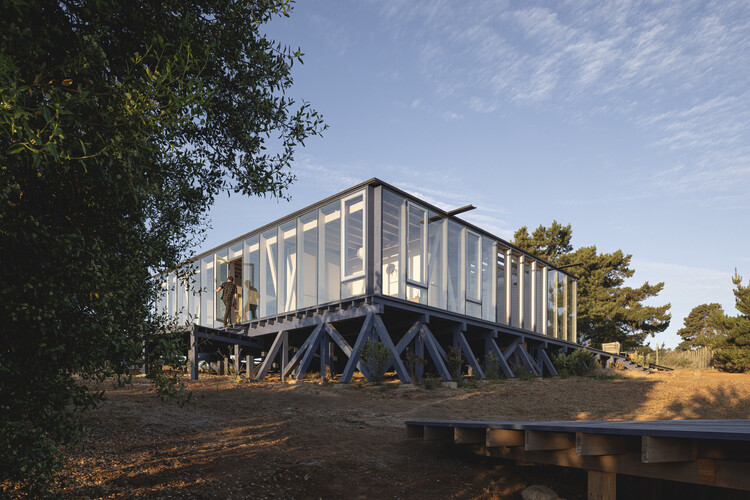
House SI / Iragüen Viñuela Arquitectos - Interior Photography, Houses, Beam, ChairHouse SI / Iragüen Viñuela Arquitectos - HousesHouse SI / Iragüen Viñuela Arquitectos - Exterior Photography, HousesHouse SI / Iragüen Viñuela Arquitectos - HousesHouse SI / Iragüen Viñuela Arquitectos - More Images+ 16

Algarrobo, Chile

Into the Light - Christus Church / Brückner & Brückner Architekten

Into the Light - Christus Church / Brückner & Brückner Architekten -          ChurchesInto the Light - Christus Church / Brückner & Brückner Architekten - Interior Photography,          Churches, Arcade, BenchInto the Light - Christus Church / Brückner & Brückner Architekten -          ChurchesInto the Light - Christus Church / Brückner & Brückner Architekten -          ChurchesInto the Light - Christus Church / Brückner & Brückner Architekten - More Images+ 16

Neumarkt in der Oberpfalz, Germany

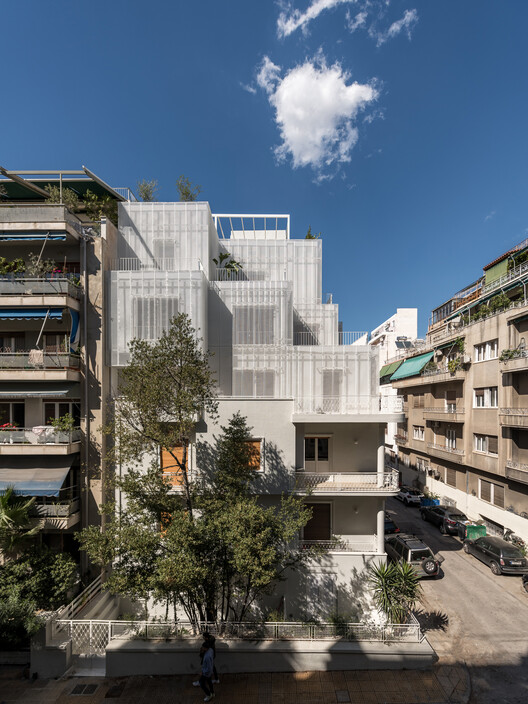
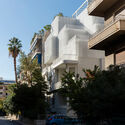
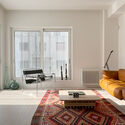
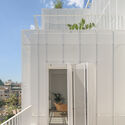
Veil / Arid

Veil / Arid - Residential ArchitectureVeil / Arid - Exterior Photography, Residential Architecture, BalconyVeil / Arid - Interior Photography, Residential Architecture, Lighting, ChairVeil / Arid - Exterior Photography, Residential Architecture, BalconyVeil / Arid - More Images+ 24

  • Architects: Arid
  • Area Area of this architecture project Area:  850
  • Year Completion year of this architecture project Year:  2023

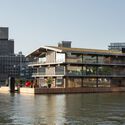
No Solid Ground: Three Approaches to Building Below Sea Level in Rotterdam

Architects carefully calibrate their relationship to the earth, adjusting foundations to soil, groundwater, climate, risk, and culture. Driven timber piles, rammed-earth platforms, and poured concrete slabs are each a response to a specific set of ground conditions, and each shapes the architecture that rises from it. The way a building meets the earth determines its durability and its limits because foundations are among the most consequential design choices an architect makes.

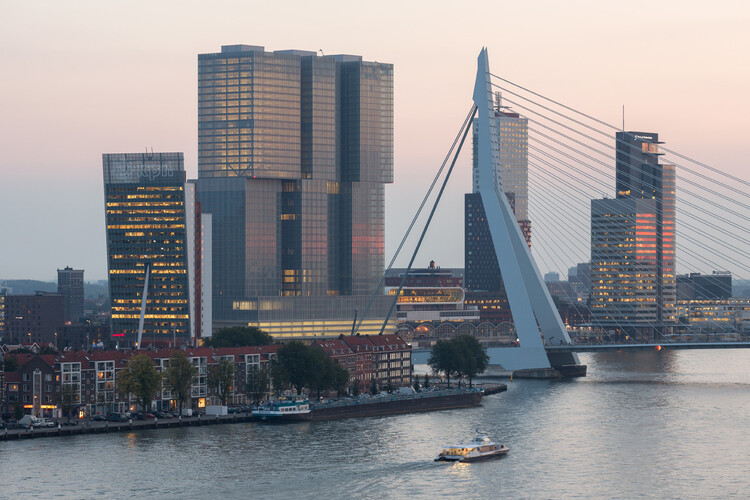
The city of Rotterdam sits approximately one meter below sea level, an organizing condition that shapes daily life in the Netherlands' second-largest city and is a growing preoccupation amid unstable coastal conditions. The city occupies the delta of the Rhine and Maas rivers, a landscape that was never naturally dry but has been kept functional through centuries of hydraulic intervention. The water boards in this region are among the oldest democratic institutions in the world, created in the thirteenth century to manage shared water drainage and still operating today as elected bodies with technical capacity. As sea levels rise and rainfall across Northern Europe grows less predictable and more extreme, Rotterdam faces a significantly increased risk of coastal storm surges and urban flooding driven by overwhelmed drainage infrastructure.
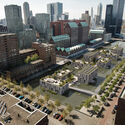
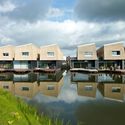
No Solid Ground: Three Approaches to Building Below Sea Level in Rotterdam - Image 16 of 4No Solid Ground: Three Approaches to Building Below Sea Level in Rotterdam - Image 57 of 4No Solid Ground: Three Approaches to Building Below Sea Level in Rotterdam - Image 25 of 4No Solid Ground: Three Approaches to Building Below Sea Level in Rotterdam - Image 54 of 4No Solid Ground: Three Approaches to Building Below Sea Level in Rotterdam - More Images+ 65

Le Grand Bercail House / L. McComber

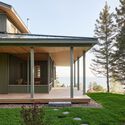
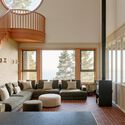
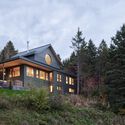
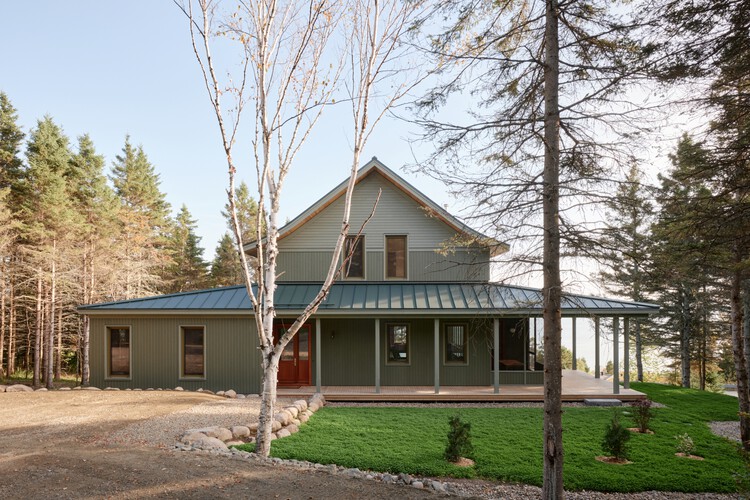
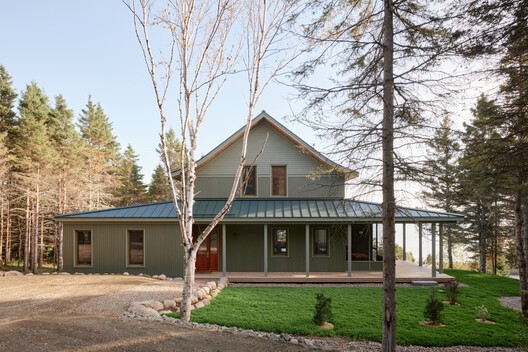
Le Grand Bercail House / L. McComber  - Exterior Photography, HousesLe Grand Bercail House / L. McComber  - Interior Photography, Houses, Lighting, ChairLe Grand Bercail House / L. McComber  - Interior Photography, HousesLe Grand Bercail House / L. McComber  - HousesLe Grand Bercail House / L. McComber  - More Images+ 26

  • Architects: L. McComber
  • Area Area of this architecture project Area:  2800 ft²
  • Year Completion year of this architecture project Year:  2023
  • Manufacturers Brands with products used in this architecture project
    Manufacturers:  Entrepôt du cèdre, Granite au sommet, Luminaire Authentik, Maibec, Neufenster, +4

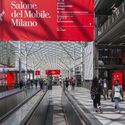
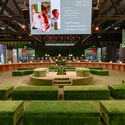
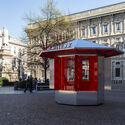
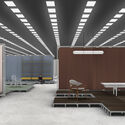
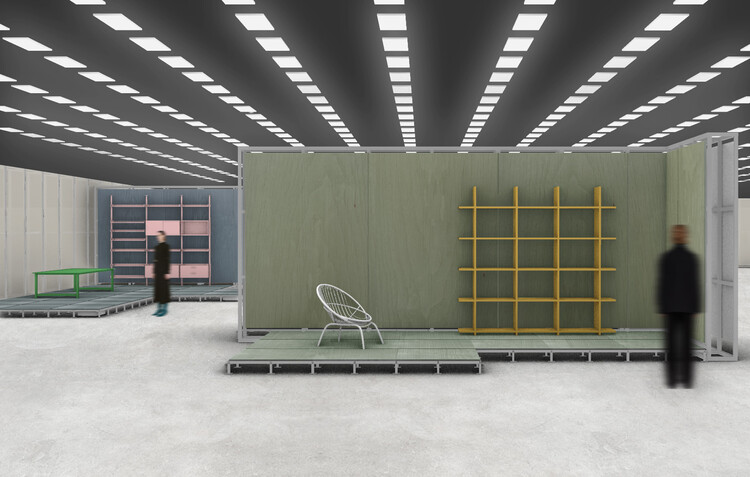
What to Look Forward to at the Salone del Mobile.Milano 2026: Talks, Installations, and City Interventions

From April 21 to 26, the 64th edition of Salone del Mobile.Milano returns to Rho Fiera Milano, bringing together over 1,900 exhibitors across more than 169,000 square meters of sold-out exhibition space. Yet beyond its scale, the 2026 edition signals a more structural shift through collaborations with figures such as Rem Koolhaas and David Gianotten (OMA) and Formafantasma, the Salone continues to reposition itself as an evolving cultural infrastructure rather than a conventional trade fair. This year introduces new curatorial and strategic layers, most notably the preview phase of Salone Contract and the debut of Salone Raritas, alongside immersive installations and exhibitions, while the Salone's footprint across Milan grows further through city-wide interventions during Milan Design Week.
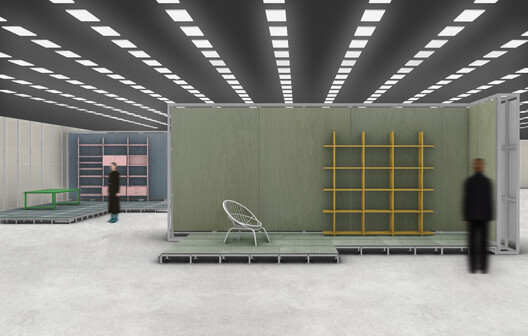
What to Look Forward to at the Salone del Mobile.Milano 2026: Talks, Installations, and City Interventions - Image 1 of 4What to Look Forward to at the Salone del Mobile.Milano 2026: Talks, Installations, and City Interventions - Image 2 of 4What to Look Forward to at the Salone del Mobile.Milano 2026: Talks, Installations, and City Interventions - Image 3 of 4What to Look Forward to at the Salone del Mobile.Milano 2026: Talks, Installations, and City Interventions - Image 4 of 4What to Look Forward to at the Salone del Mobile.Milano 2026: Talks, Installations, and City Interventions - More Images+ 10

Not a Hotel Setouchi Resort / BIG

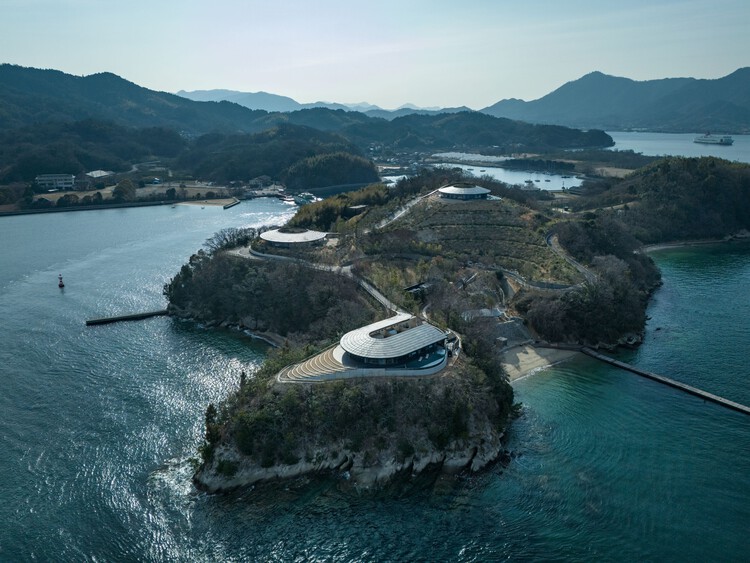
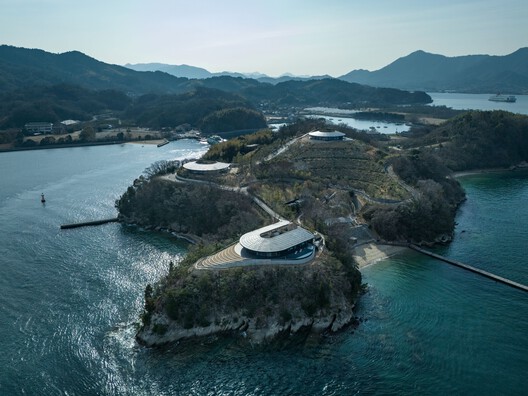
Not a Hotel Setouchi Resort / BIG - SustainabilityNot a Hotel Setouchi Resort / BIG - SustainabilityNot a Hotel Setouchi Resort / BIG - Interior Photography, Sustainability, CoastNot a Hotel Setouchi Resort / BIG - SustainabilityNot a Hotel Setouchi Resort / BIG - More Images+ 21

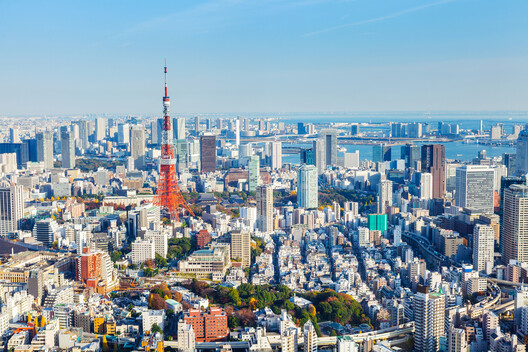
From Data to Digital Twins: Japan’s PLATEAU Project Offers Open-Access Models of More Than 250 Cities

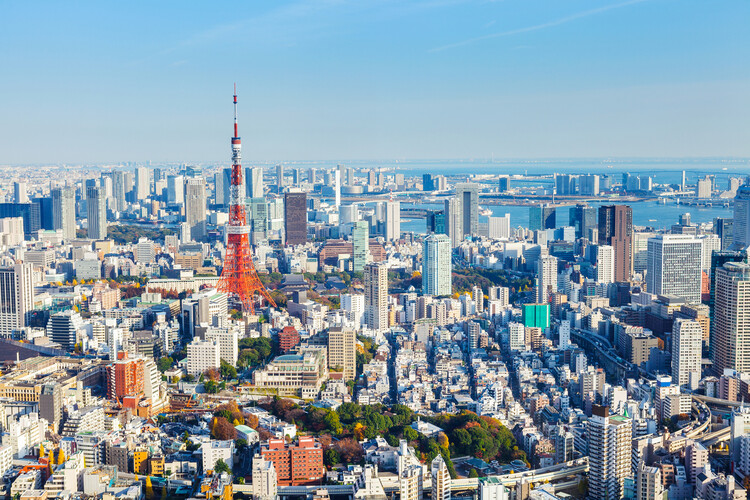
"Map the New World" is the motto of Project PLATEAU, led by Japan's Ministry of Land, Infrastructure, Transport and Tourism (MLIT), to develop and expand access to 3D models representing the diversity of cities across the country. Japan comprises a total of 744 cities, including 14 with populations exceeding one million, 190 with between 100,000 and one million inhabitants, and 540 with populations between 10,000 and 100,000. To date, 3D models of more than 250 cities have been made available as open data through the country's public G-Spatial Information Center, and can also be accessed via an online browser viewer. According to public authorities, the project aims to strengthen urban resilience by providing society with new tools to address local challenges. This involves not only urban space modeling but also collaboration with local governments, private companies, and technology communities. The project also includes a digital reconstruction of the recently closed Osaka World Expo site.
From Data to Digital Twins: Japan’s PLATEAU Project Offers Open-Access Models of More Than 250 Cities - Image 1 of 4From Data to Digital Twins: Japan’s PLATEAU Project Offers Open-Access Models of More Than 250 Cities - Image 2 of 4From Data to Digital Twins: Japan’s PLATEAU Project Offers Open-Access Models of More Than 250 Cities - Image 3 of 4From Data to Digital Twins: Japan’s PLATEAU Project Offers Open-Access Models of More Than 250 Cities - Image 4 of 4From Data to Digital Twins: Japan’s PLATEAU Project Offers Open-Access Models of More Than 250 Cities - More Images+ 1

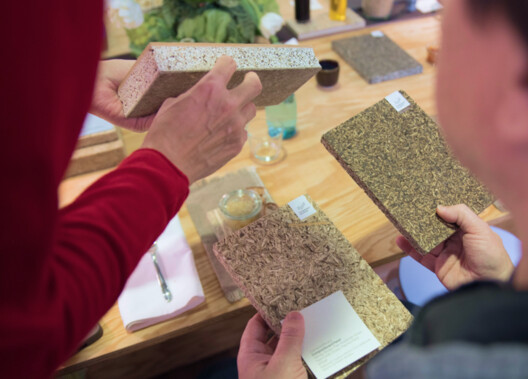
“We Live in Toxic Interior Environments”: Interview with Healthy Materials Lab

Subscriber Access | 

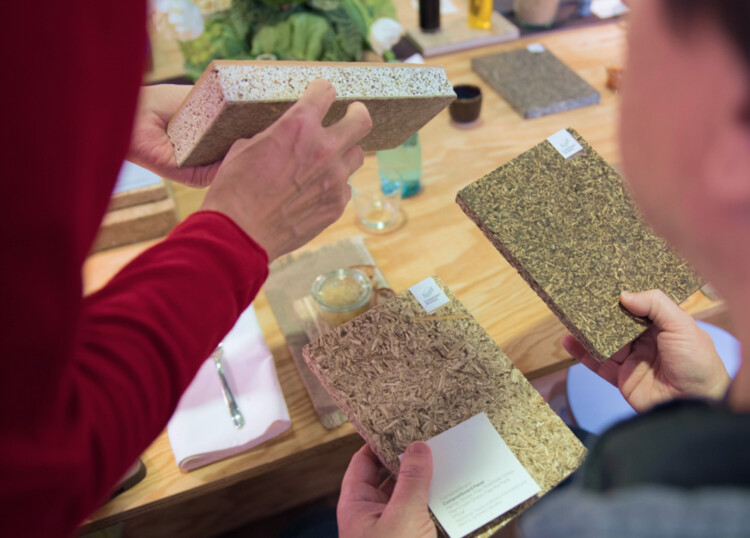
The well-known phrase "man is what he eats" (Der Mensch ist, was er isst), by Ludwig Feuerbach, asserts that the physical, mental, and even moral constitution of human beings is directly linked to what they consume. Today, this idea is widely internalized, with growing awareness around food, nutrition, and the impact of what we ingest on our bodies. Yet, this same level of awareness doesn't extend to the environments we inhabit, where materials continue to be treated as technical decisions rather than active agents in the relationship between body and space. Considering that a large portion of the global population spends around 90% of their time indoors, it is rarely discussed what actually composes these spaces at their most fundamental level: materials. Walls, floors, and finishes are often approached as technical or aesthetic choices, when in reality they can function as continuous sources of exposure to potentially harmful substances.
“We Live in Toxic Interior Environments”: Interview with Healthy Materials Lab - Image 1 of 4“We Live in Toxic Interior Environments”: Interview with Healthy Materials Lab - Image 2 of 4“We Live in Toxic Interior Environments”: Interview with Healthy Materials Lab - Image 3 of 4“We Live in Toxic Interior Environments”: Interview with Healthy Materials Lab - Image 4 of 4“We Live in Toxic Interior Environments”: Interview with Healthy Materials Lab - More Images+ 13

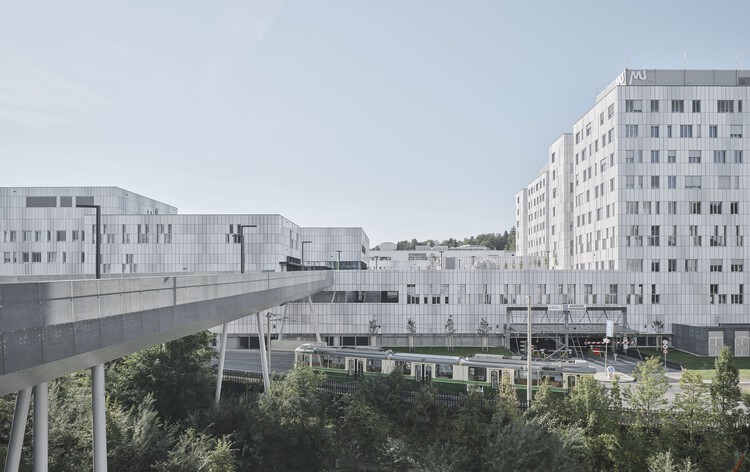
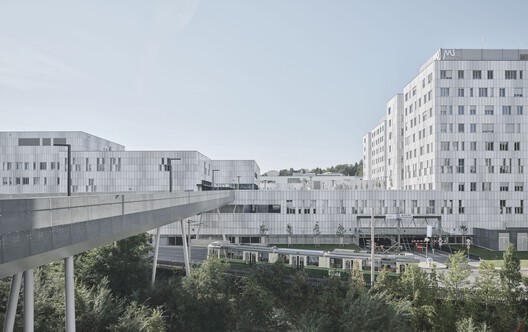
Med Uni Campus Graz / Riegler Riewe Architekten

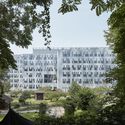
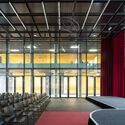
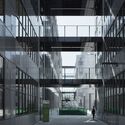
Med Uni Campus Graz / Riegler Riewe Architekten - Exterior Photography, SustainabilityMed Uni Campus Graz / Riegler Riewe Architekten - Exterior Photography, SustainabilityMed Uni Campus Graz / Riegler Riewe Architekten - Interior Photography, Sustainability, ChairMed Uni Campus Graz / Riegler Riewe Architekten - SustainabilityMed Uni Campus Graz / Riegler Riewe Architekten - More Images+ 40

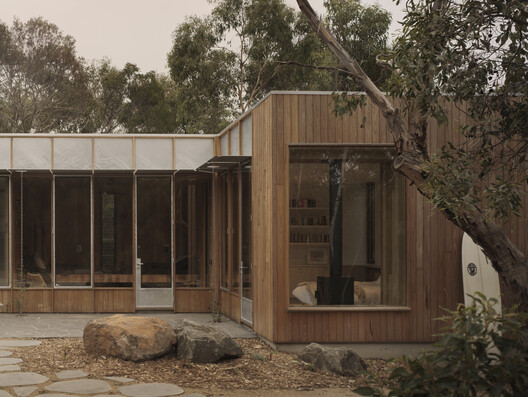
No.23 Residence / Tristan Burfield

No.23 Residence / Tristan Burfield - HousesNo.23 Residence / Tristan Burfield - HousesNo.23 Residence / Tristan Burfield - HousesNo.23 Residence / Tristan Burfield - HousesNo.23 Residence / Tristan Burfield - More Images+ 18

Aireys Inlet, Australia
  • Architects: Tristan Burfield
  • Area Area of this architecture project Area:  58
  • Year Completion year of this architecture project Year:  2025

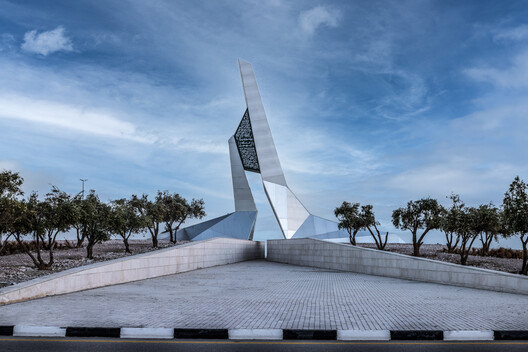
When Sculpture Becomes Discourse: Reflections on Mujassam Watan

 | Sponsored Content

In the city, aesthetics are not measured by the height of towers or the width of roads, but by their ability to evoke meaning within space. From this perspective, the Mujassam Watan initiative emerges as more than a mere artistic endeavor. It involves a deliberate attempt to redefine the relationship between people and place, between material memory and imagined identity. In the city of Khobar, in the Kingdom of Saudi Arabia—where urban modernity intersects with rapid social transformation—this initiative raises the question: How can a sculpture become an open text, one that is both visually read and experientially felt?
Renovation of DISHUILAKE Subway Station / Shanghai ZF Architectural Design

Renovation of DISHUILAKE Subway Station / Shanghai ZF Architectural Design - RenovationRenovation of DISHUILAKE Subway Station / Shanghai ZF Architectural Design - RenovationRenovation of DISHUILAKE Subway Station / Shanghai ZF Architectural Design - RenovationRenovation of DISHUILAKE Subway Station / Shanghai ZF Architectural Design - Exterior Photography, Renovation, CityscapeRenovation of DISHUILAKE Subway Station / Shanghai ZF Architectural Design - More Images+ 24

Moffat Morphing House / Arcke

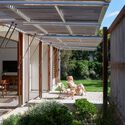
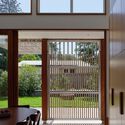
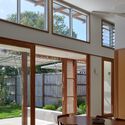
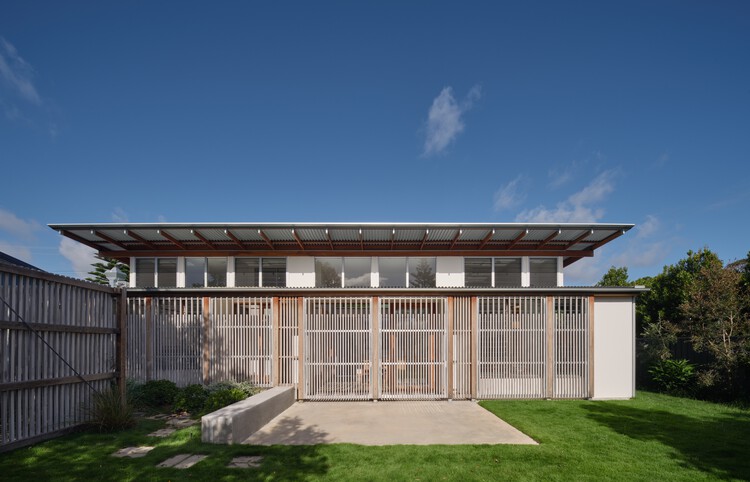
Moffat Morphing House  / Arcke - Exterior Photography, Houses, CourtyardMoffat Morphing House  / Arcke - Exterior Photography, Houses, BeamMoffat Morphing House  / Arcke - Interior Photography, Houses, DoorMoffat Morphing House  / Arcke - Interior Photography, HousesMoffat Morphing House  / Arcke - More Images+ 23

Queensland, Australia
  • Architects: Arcke
  • Year Completion year of this architecture project Year:  2025

Lakeside Farms Coqueiros Beach / Estúdio Vinicius Macêdo + Novais Arquitetura

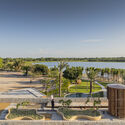
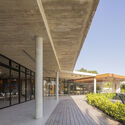
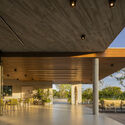
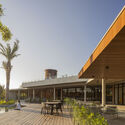
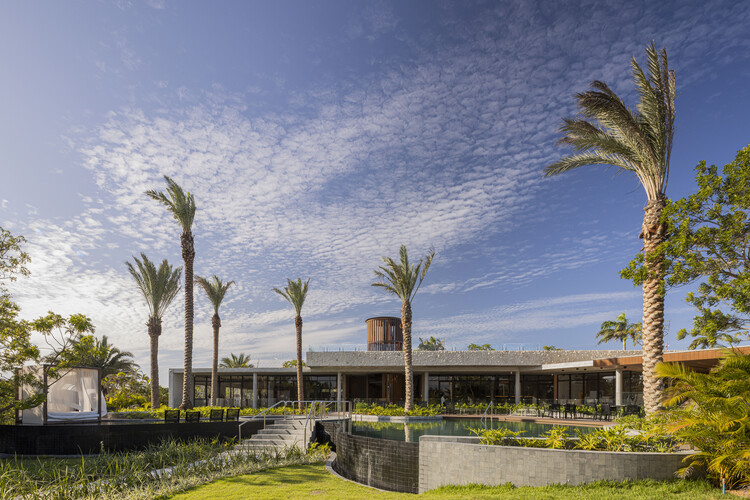
Lakeside Farms Coqueiros Beach / Estúdio Vinicius Macêdo + Novais Arquitetura - Hospitality ArchitectureLakeside Farms Coqueiros Beach / Estúdio Vinicius Macêdo + Novais Arquitetura - Hospitality ArchitectureLakeside Farms Coqueiros Beach / Estúdio Vinicius Macêdo + Novais Arquitetura - Hospitality ArchitectureLakeside Farms Coqueiros Beach / Estúdio Vinicius Macêdo + Novais Arquitetura - Hospitality ArchitectureLakeside Farms Coqueiros Beach / Estúdio Vinicius Macêdo + Novais Arquitetura - More Images+ 21

  • Area Area of this architecture project Area:  1185
  • Year Completion year of this architecture project Year:  2025
  • Manufacturers Brands with products used in this architecture project
    Manufacturers:  Arkos Madeira Plástica, Equipe da Cor

You've started following your first account!

Did you know?
You'll now receive updates based on what you follow! Personalize your stream and start following your favorite authors, offices and users.