The AIAS has launched a new campaign, the Professional Advancement Support Scholarship, or PASS. The program, available for AIAS alumni pursuing licensure, provides incentive for recent graduates to take a portion of the Architect Registration Examination (ARE) by reimbursing them for successfully undertaking this task. Through a proactive approach, coupled with an informative blog series, the AIAS encourages aspiring architects to actively seek licensure to kick-start their professional careers.
"I’m particularly pleased to welcome Farshid because the Royal Academy architects currently comprise a more distinguished group than at any time in its long history," commented Christopher Le Brun, president of the Royal Academy.
In his articles for ArchSmarter, Michael Kilkelly often praises the value of computers and automation, a sometimes controversial viewpoint with plenty of supporters on either side. In particular, his previous post on ArchDaily, "5 Reasons Architects Should Learn to Code" provoked a significant discussion. But what is the value of this automation? In this post originally published on ArchSmarter, he expands on his view of what computers can be useful for - and more importantly, what they can't.
I write a lot about digital technology and automation here on ArchSmarter, but deep down inside, I have a soft spot for all things analog. I still build physical models. I carry a Moleskine notebook with me everywhere. I also recently bought a Crosley record player.
I can listen to any kind of music I want through Spotify. The music world is literally at my finger tips. Playing records hasn’t changed what I listen to but it has changed how I listen to music. There’s more friction involved with records. I have to physically own the record and I have to manually put it on the turntable. It’s a deliberate act that requires a lot more effort than just selecting a playlist on Spotify. And it’s a lot more fun.
The organisers behind The Next Helsinki, a competition masterminded by architect and critic Michael Sorkin, have announced that they have received over 200 international entries. Launched as an alternative to the controversial Guggenheim Helsinki project, the competition called upon architects, urbanists, artists, and environmentalists to imagine how Helsinki and the South Harbour site allotted to the proposed museum could be transformed for the maximum benefit of the city’s residents and visitors.
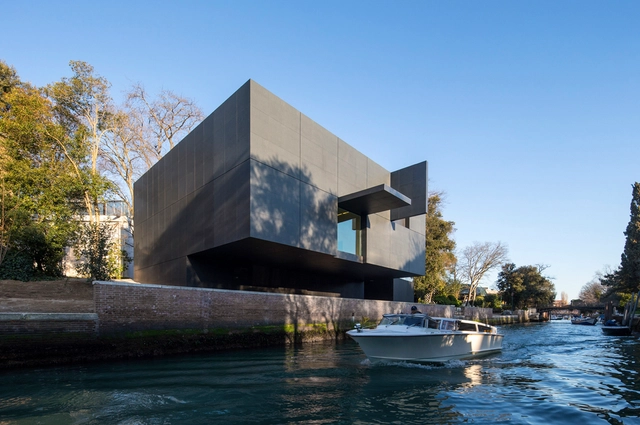
Australia’s new pavilion for the Venice Biennale has been officially completed by the Australia Council for the Arts. Designed by Australian practice Denton Corker Marshall, the granite-clad building is the first pavilion to be built in Venice in the 21st century, and replaces Philip Cox’s 1988 structure. The pavilion is to welcome its first visitors from May 9, as part of the 56th International Art Exhibition, with the work of artist Fiona Hall comprising its inaugural exhibition.
Learn more about the pavilion and view selected images after the break.
Seoul-based architecture and art practice Planning Korea has unveiled their design for a seaside resort hotel, to host visitors to the 2018 Winter Olympics in PyeongChang, South Korea. Offering 946 rooms and sprawling across a 29,493-square-meter site, the hotel will offer a combination of marine and mountain leisure activities.
"I would say we're at the intersection of people, art, and technology..." In this latest Archiculture extras interview, Peter Bohlin, architect and president of Bohlin Cywinski Jackson, sits down with Arbuckle Industries to discuss the nature of architecture. He addresses some of the design challenges he faced when developing the 5th Avenue Apple Store and how he ultimately overcame them. Additionally, he provides his perspective on the attributes of "good architects" and the mindset of these individuals. He goes on to discuss the role of architects, and the challenges he anticipates for this discipline in the future.
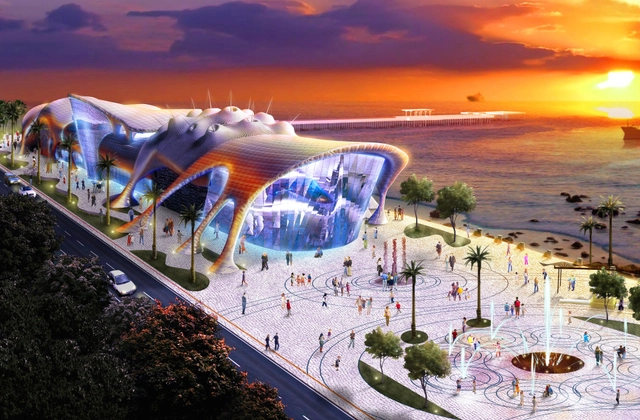
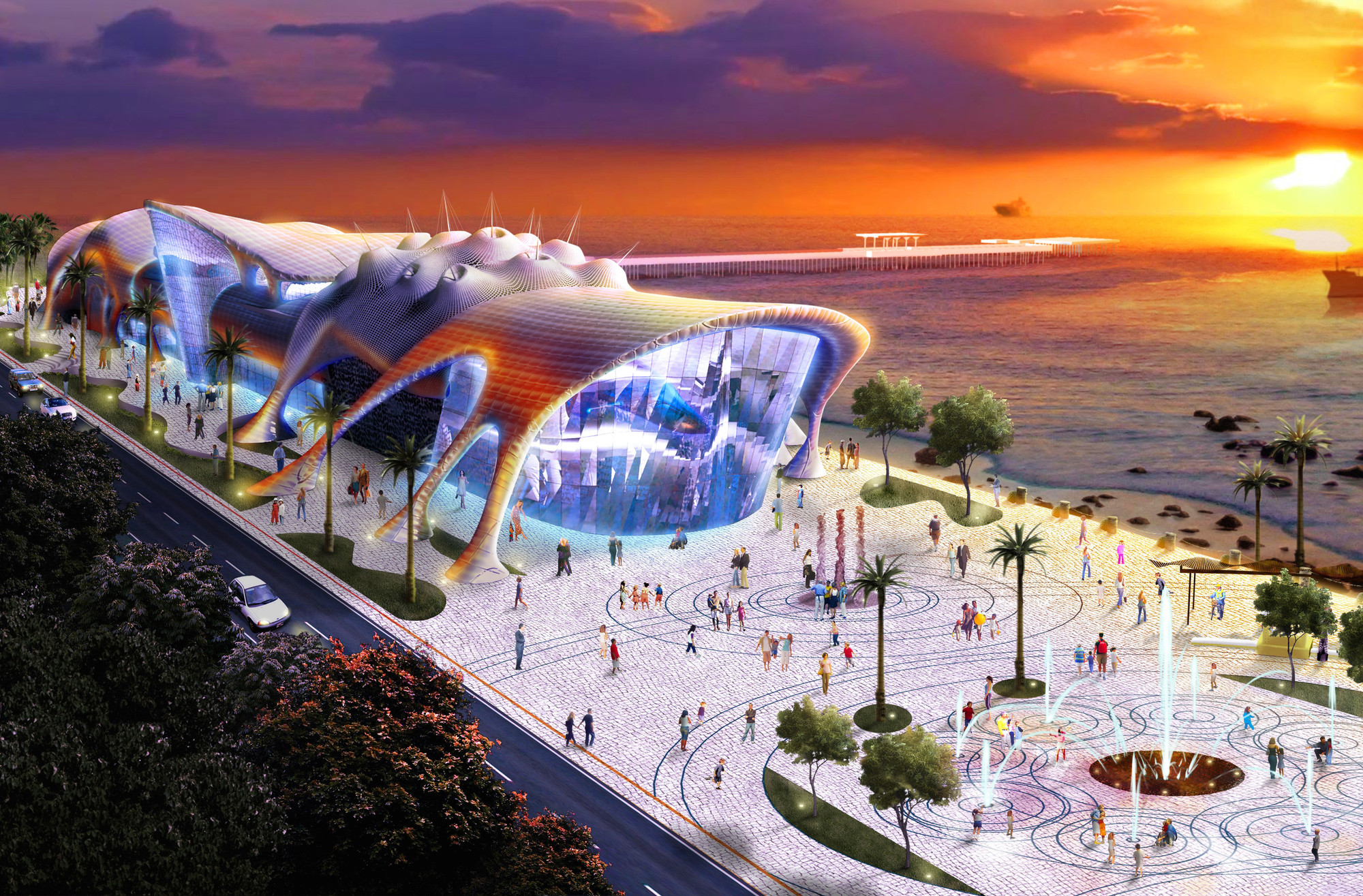
The "Bilbao effect" was once viewed as the savior of the other cities; a way for post-industrial cities in the 1990s and 2000s to not only replace their economic reliance on failing industry with tourism, but to reinvent themselves as capitals of High Culture, enriching both body and soul. This has long since ceased to be the case, and many now see it instead as an ironic monument to hubris. But while architecture in the west is attempting to find a viable successor, rapidly expanding economies in Asia and South East Asia seem poised to embark on a new wave of architectural and cultural flourishes designed to attract tourists and Thai Baht.
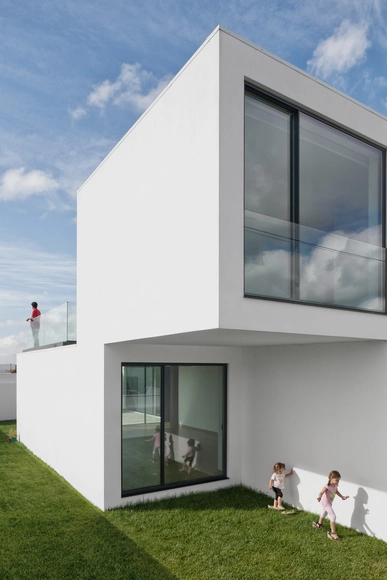
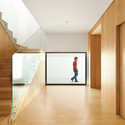
The series launched in 2013 and is composed of 10 episodes, each focusing on a different theme: light, stairs, balconies, nature, textures, doors, windows, skylights, pavements and structures.
Last week we featured the series’ ninth episode about Porto’s pavements, and now we present Episode 10 – Structures. Read the producers’ description of the series' last episode after the break.





















°.jpg?1428543281&format=webp&width=640&height=580)
_clair°.jpg?1428542953 "© Philippe Ruault")
.jpg?1428543176 "© Philippe Ruault")
°.jpg?1428543266 "© Philippe Ruault")
.jpg?1428543161 "© Philippe Ruault")
°.jpg?1428543281)












.jpg?1428637575)
.jpg?1428637461 "© João Soares")
.jpg?1428637315 "© João Soares")
.jpg?1428637847 "© João Soares")
.jpg?1428637649 "© João Soares")
.jpg?1428637575)


