At some point, you might have found yourself pondering, "Who is the world's leading architect?" It's a difficult question, but fortunately, there isn't just one definitive answer. If you're curious about the global state of the art, architecture, and design industries, the World Design Rankings (WDR) offer an interesting glimpse into the creative pulse of nations. These rankings don't just name names; they paint a broad picture of each country's strengths, weaknesses, and untapped potential in the world of design.
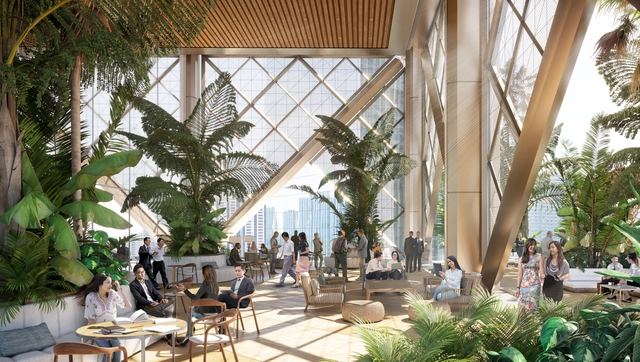
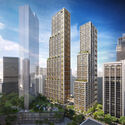
Foster + Partners has announced the breaking ground of BDO Unibank's new headquarters in Makati, Manila. The design aims to offer a climate-responsive approach inspired by vernacular architecture. The campus integrates five separate plots into a cohesive whole, featuring two high-rise towers flanking a sheltered public space incorporating lush landscaping and artwork.
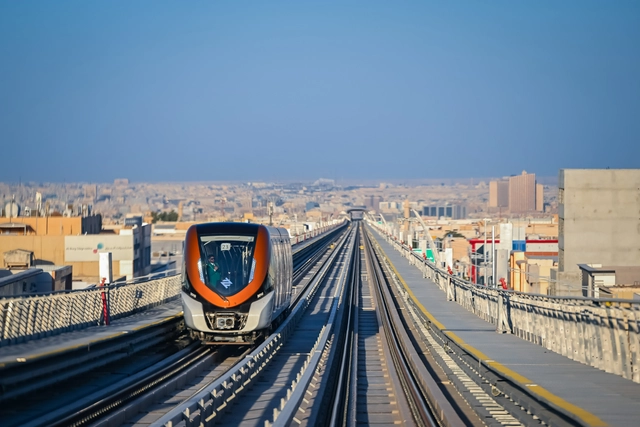
The Royal Commission for Riyadh City (RCRC) has confirmed that the Orange Line of the Riyadh Metro, also known as the Al Madinah Al Munawwarah Axis, began operations on Sunday, January 5, 2025. Spanning 41 kilometers, the Orange Line runs east to west, connecting Jeddah Road in the west to the Second Eastern Ring Road near Khashm Al Aan in the east in Saudi Arabia. This newly operational line is a key component of the city's metro system, designed to enhance urban mobility and connectivity.
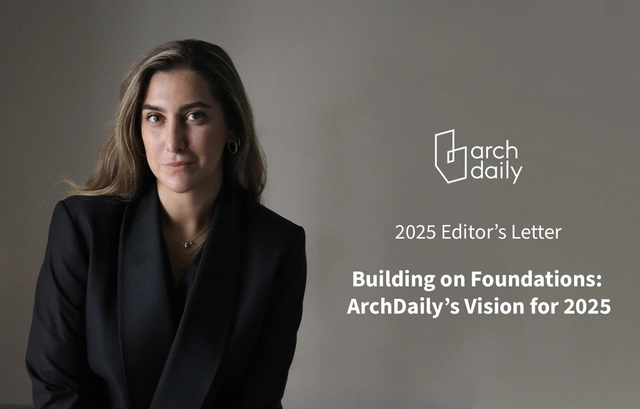
It is with immense gratitude and excitement that I share my first letter as Editor-in-Chief. Addressing you directly marks a meaningful shift from our usual approach, and I believe it's the perfect way to begin the year. As I step into this new role, I am honored by the opportunity to lead ArchDaily into a new chapter, building on our strong foundation to reach even greater heights.
At ArchDaily, we have always believed that architecture has the power to transform lives and environments. For 17 years, we have been more than just a platform; we have become a community and a voice for architecture—a collaborative network where architects, designers, and enthusiasts come together to shape the built environment and redefine urban living. Reflecting on this journey, I am deeply inspired by our shared accomplishments, made possible by the dedication of our talented global team and the unwavering support of our users. Together, we have created a space where ideas thrive and innovation blossoms.
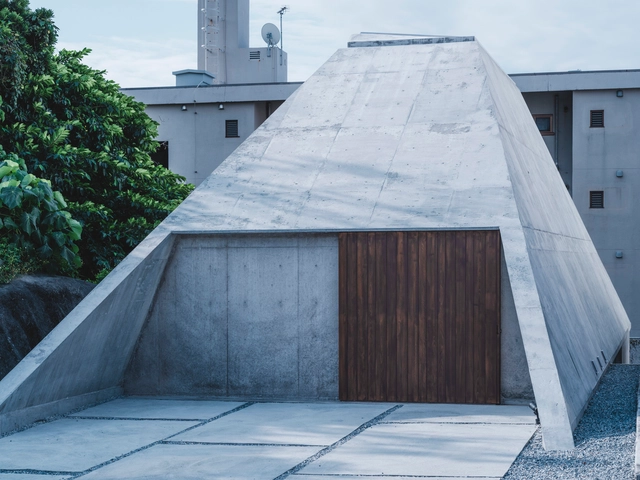
Prototyping is an essential element in sectors such as automotive design and technology, where iterative development enables testing, refining, and innovating. It involves creating initial models or early versions to validate concepts and fine-tune solutions before moving on to final production. This stage is crucial for identifying flaws, optimizing designs, and reducing risks, saving time and resources in the final implementation. In architecture, however, prototyping remains an underused tool. Despite the unique challenges inherent in architectural projects—whether programmatic, climatic, or related to site conditions—the benefits of prototyping can be profound. It offers architects the opportunity to experiment with new materials, validate construction methods, and test spatial configurations in a tangible, measurable way. As a result, it not only reduces uncertainties in the creative process but also drives bold and efficient solutions, fostering a more robust balance between aesthetics, functionality, and feasibility.
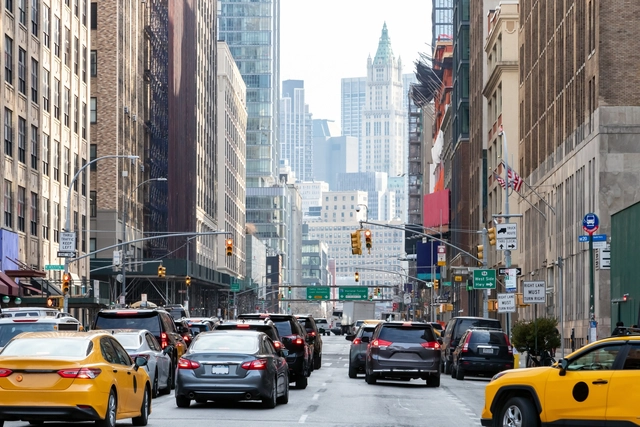
New York City has implemented the first congestion pricing scheme in the US, charging drivers up to $9 per day to enter a designated zone south of Central Park, encompassing areas like Times Square and Wall Street. The initiative aims to alleviate chronic traffic congestion, improve air quality, and generate revenue for public transportation improvements, addressing New York City's ranking as the world's most congested urban area for two consecutive years. The plan went into effect Sunday, January 5th, 2025.