
-
Architects: MASA Architects
- Area: 93 m²
- Year: 2024
-
Manufacturers: Kuraray, Louis Poulsen, AGC Glass Plaza, Daiken, JFE Galvanizing & Coating company, +5


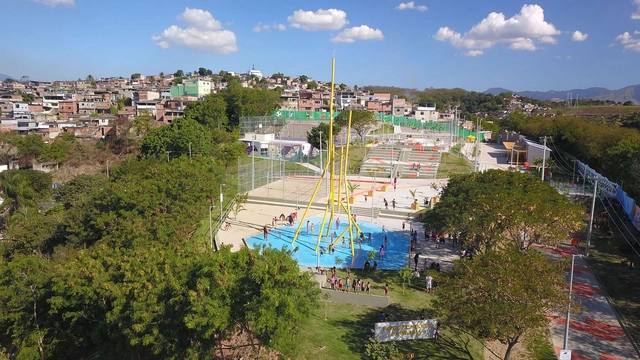
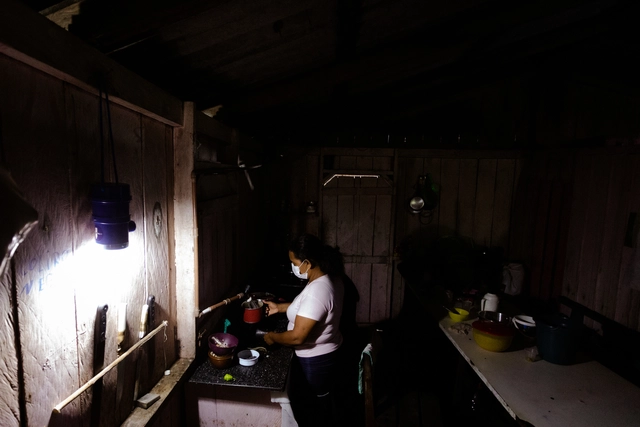
Sometimes, the simplest solutions are the most revolutionary and impactful. During Brazil's energy crisis in 2002, mechanic Alfredo Moser developed an accessible and effective way to illuminate indoor spaces during the day. Using only a PET bottle installed on the roof, filled with water and bleach, he harnessed the refraction of sunlight to bring brightness to spaces previously immersed in darkness. In self-built homes, where successive extensions often compromise natural light and ventilation, this solution makes a significant difference. Named the "Moser lamp," the invention produces illumination equivalent to a 60W bulb and gained worldwide recognition through various reports. Since then, the project has continued to evolve and adapt to the needs of modern communities, transforming lives through a solution that is as simple as it is highly intelligent.
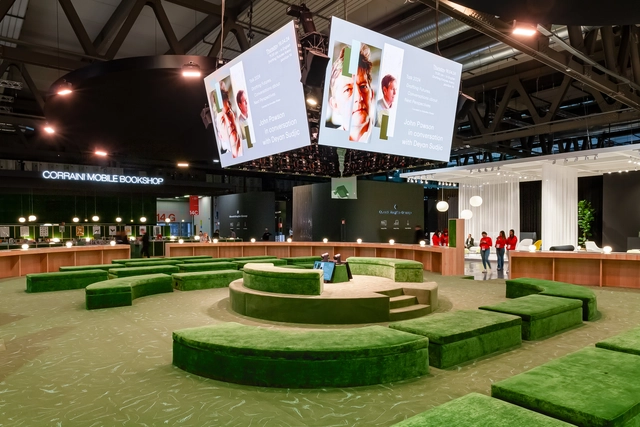
The 63rd edition of the Salone del Mobile will take place in Milan from April 8 to 13, 2025. Dating back to 1961, Salone del Mobile is a trade fair that covers a wide range of interior design products. The theme of this edition focuses on exploring the deep connections between humanity and design, aiming to establish the event as a creative platform beyond its commercial functions. The fair also serves as a laboratory for experimentation and the exchange of ideas, where new prototypes for furniture and domestic spaces are presented in settings that bring different narratives about ways of living to life. In addition to the furniture exhibition, the event will feature installations, conferences, and workshops, all taking place over the five days at Milan's Rho Fiera fairgrounds.
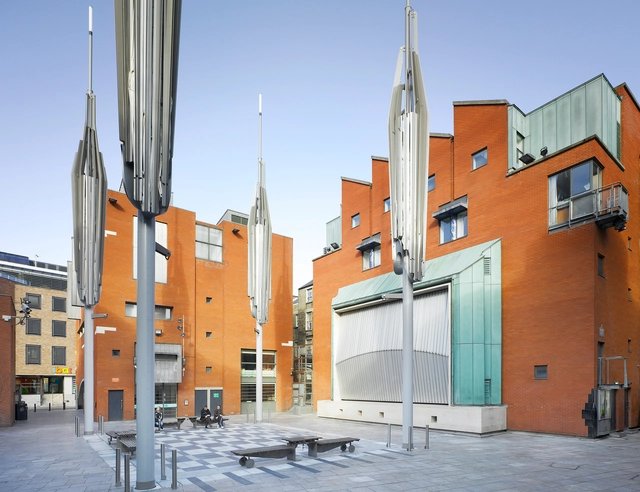
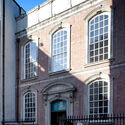
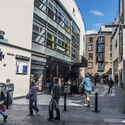
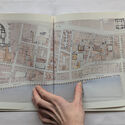
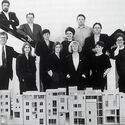
The veteran Irish architecture critic Shane O'Toole once remarked that when traveling in Europe in the 1970s, "The universal comment was is there modern architecture in Ireland? Now, in less than 50 years, we've gone to a Pritzker Prize and two RIBA Royal Gold Medallists in five years." He attributes this change in perception to a design competition that launched the careers of several of Ireland's award-winning architects of today. This was the Temple Bar Framework Plan competition of 1991 in the center of Dublin, the capital of Ireland, which was won by a group of architects still in their 30s, running under the name of Group 91.
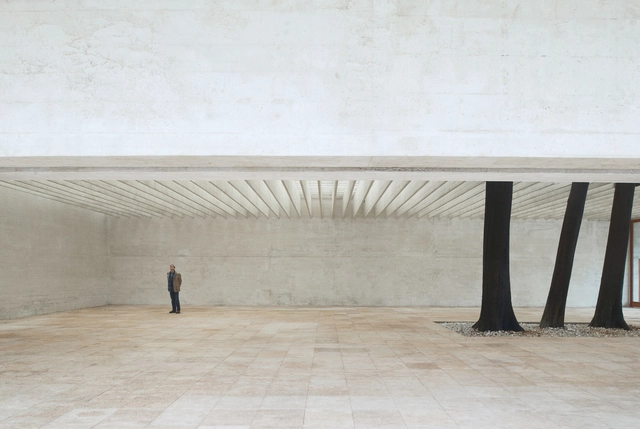
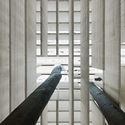
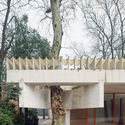
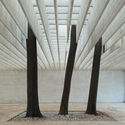
As a result of the ideas competition organized by the governments of Sweden, Finland, and Norway in 1958, Sverre Fehn's Nordic Pavilion won first prize, becoming one of the most significant works of his career and one of the most outstanding Scandinavian architectural achievements during the mid-20th century. Designed to create a space at the Venice Biennale for the biennial exhibitions of these countries, Fehn's proposal addressed several key architectural challenges—ranging from its integration with the site and incorporation of pre-existing elements to the handling of physical boundaries and uniform natural lighting. His design explored the interaction between architecture and trees, the flexibility in the exhibition space, the filtering of light, the connection between interior and exterior, the concept of movement through space, and the display of artworks.
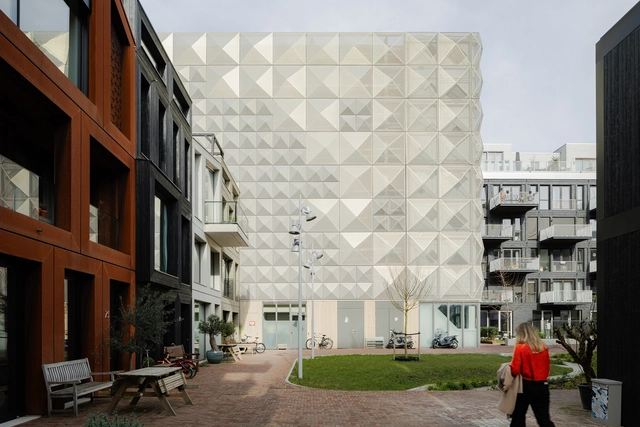
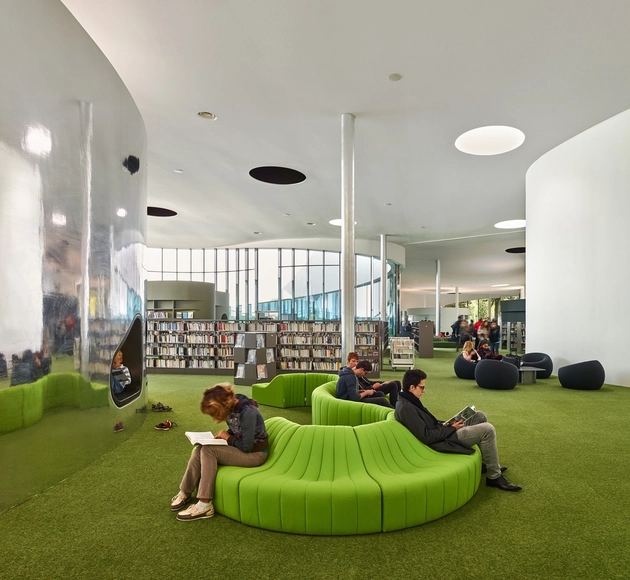
The modern world is disconnected. Online interactions dominate the daily lives of people across the world. This shift is not just a result of the rise of the internet, but also a stark reflection of the decline of public spaces, particularly third places. Third places, once essential for promoting community and social cohesion, have evolved drastically over the past few decades. In today's commercialized landscape, third places face plenty of demands from users and designers alike, calling for a need to reconsider their accessibility and purpose.