

-
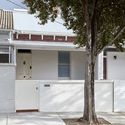
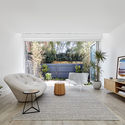
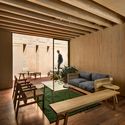
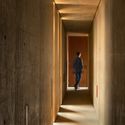
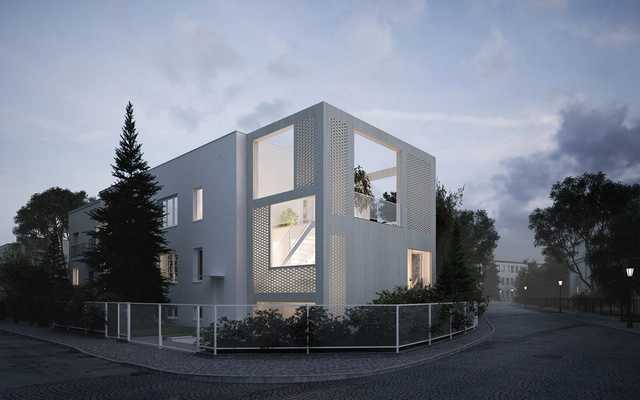
Architects: MFRMGR Architekci
- Area: 228 m²
- Year: 2018
-
Manufacturers: Amberline, JANMAR, Röben
-
Professionals: fc-projekt


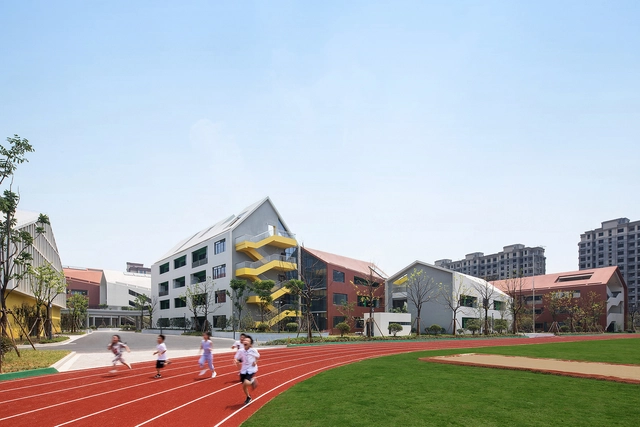

This article was originally published on January 2, 2015. To read the stories behind other celebrated architecture projects, visit our AD Classics section.
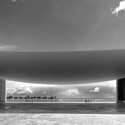
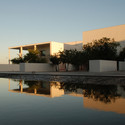
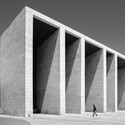
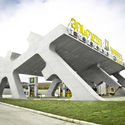
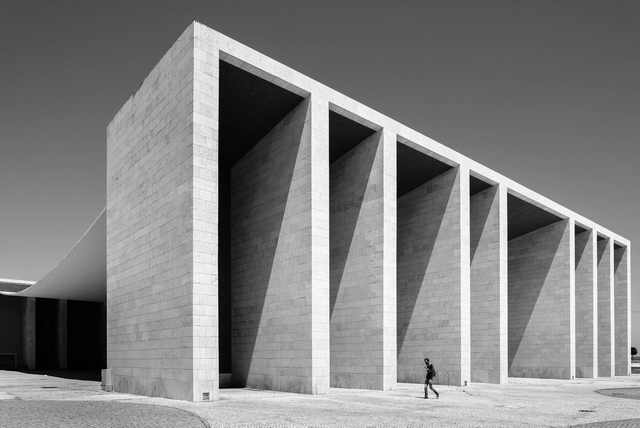
At the Expo ’98 Portuguese National Pavilion, structure and architectural form work in graceful harmony. Situated at the mouth of the Tagus River in Lisbon, Portugal, the heart of the design is an enormous and impossibly thin concrete canopy, draped effortlessly between two mighty porticoes and framing a commanding view of the water. The simple, gestural move is both weightless and mighty, a bold architectural solution to the common problem of the covered public plaza. Under the graceful touch of Álvaro Siza Vieira, physics and physical form theatrically engage one another, and simplicity and clarity elevate the pavilion to the height of modern sophistication.

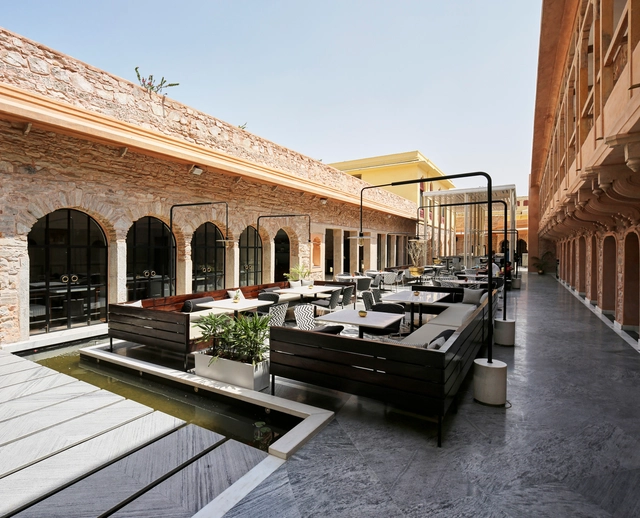

During the twentieth century the world population increased at a higher rate than at any other period in time, from around 1.5 billion people in 1900 to nearly 7 billion today. Facing these figures, it is impossible not to think about what we have done to accommodate this population, or rather, what all these people have done to obtain housing. Figures indicate that although we have been able to build large quantities of houses, and have begun to cover the quantitative deficit, today the great challenge is to improve the quality of the existing housing stock. At a time in which this effervescent population growth persists–particularly in the geographical regions of the Global South and in emerging economies–the question is how do we change the paradigm and start thinking about housing in relation to the quality of the urban fabric to build better cities.

Amsterdam-based architect Angelo Renna has designed a 90 meter high artificial 'sponge mountain' made to absorb CO2 in Turin, Italy. Formed from soil excavated from the construction site of the railway tunnel connecting Turin to Lyon, the mountain aims to improve air pollution through engineered soil. Mixing sand and concrete, the man-made mountain is designed as a green landmark for the city.
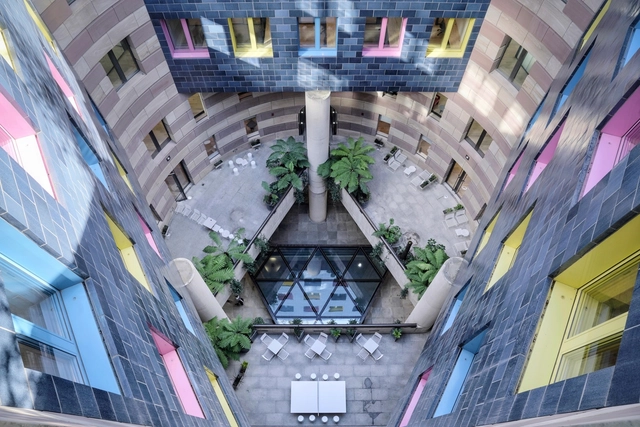
No 1 Poultry, the iconic Grade II* listed landmark in London designed by James Stirling, has opened its doors as WeWork’s 28th London location. The Postmodern masterpiece now serves as a WeWork space for 2300 members, as well as shops, a roof garden, and a restaurant.
After being saved from a major renovation that would have eliminated its iconic Postmodern façade, No 1 Poultry building was carefully renovated by WeWork’s in-house team of designers, featuring bold colors, homely furnishing, and artwork inspired by the surrounding area.

Architect Jürgen Mayer H. founded his firm J.MAYER.H in Berlin in 1996. He studied both in Germany (Stuttgart University) and in the US (Cooper Union and Princeton). Back in 2010, Mayer H. told me that while his solid professional education in Germany equipped him with the know-how about the technical and practical aspects of architecture, he still lacked a clear vision about how to develop his own thought and an architectural language.
Years of questioning and experimenting eventually led to the development of his own distinctive voice. Mayer H.’s buildings have brought unique identities to many places around the globe, particularly through his use of data protection patterns that triggered the creation of architecture unlike anything seen before. On my recent visit to his studio in West Berlin we discussed the architect’s identity. When I confronted Mayer H. about what he thinks about his signature style at the times when it is no longer celebrated by the media he said, “This started as my voice and by now it is the contribution of an entire team. There is no intention or strategy, just our own capacity to work with the medium of architecture.”


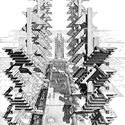
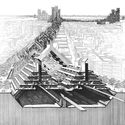
Paul Rudolph, despite vaulting to international success in the early 1940s and 50s for his Brutalist structures, saw an abrupt end to the popularity of his signature style as postmodernism gained prominence. As tastes shifted to different fare, so too did Rudolph's approach - leaving a number of his unbuilt proposals to gather dust.
No longer.