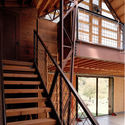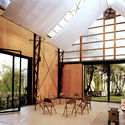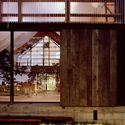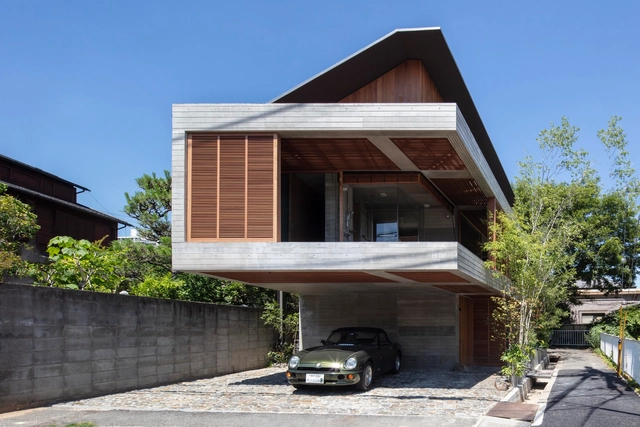


-
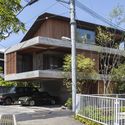
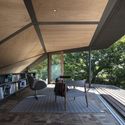
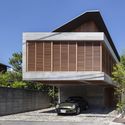
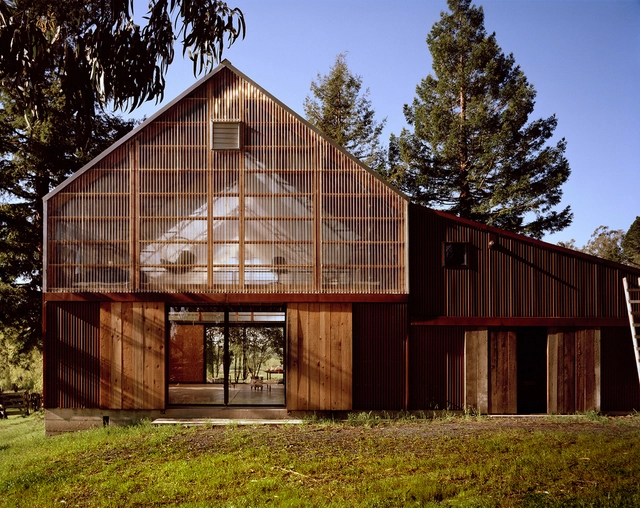
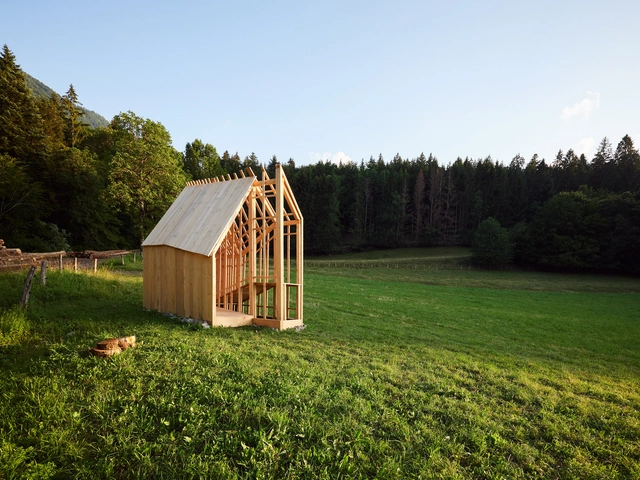
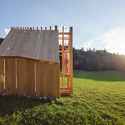
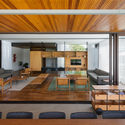
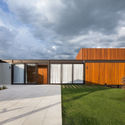
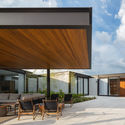
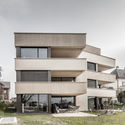
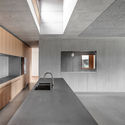
Architects: T-Square Design Associates
- Area: 113 m²
- Year: 2019
-
Professionals: GreenSpace, Kataoka structural engineering office



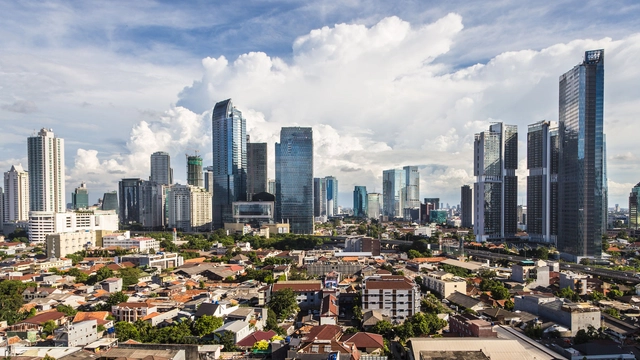
Indonesian President Joko Widodo has announced that the country will relocate its capital Jakarta to the island of Borneo. Taking on concerns of overcrowding, pollution, and income disparity, the move also hopes to address issues of extreme land subsidence. The new city would be built over 800 miles away from the current capital to reimagine one of the world’s fastest sinking cities.

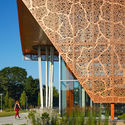
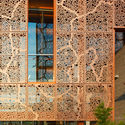
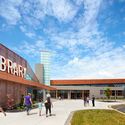
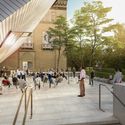
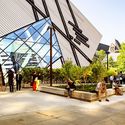
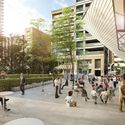
The ROM or The Royal Ontario Museum, an art, world culture and natural history gallery in Canada, inaugurated its newest additions, the Helga and Mike Schmidt Performance Terrace and the Reed Family Plaza. Designed by Siamak Hariri of Hariri Pontarini Architects (HPA), the latest add-ons create a lively space on the street level.

.jpg?1566925071)
.jpg?1567076847&format=webp&width=640&height=580)
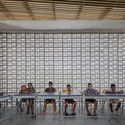
The 6 winners of the 2019 Aga Khan Award for Architecture were announced today, by Irada Ayupova, Minister of Culture of the Republic of Tatarstan and Farrokh Derakhshani, Director of the Aga Khan Award for Architecture, at a press conference in Kazan, Republic of Tartarstan.
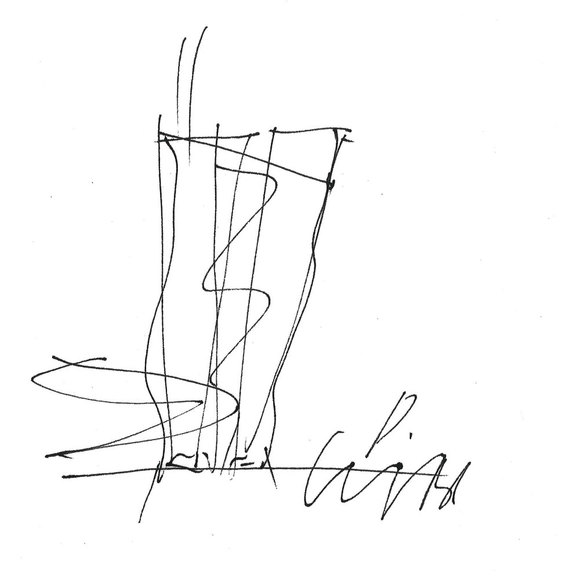
The napkin sketch has always had its place in architecture. In 2015, some of the world's more respected architects donated their very own conceptual doodles to the NewSchool of Architecture & Design and San Diego American Institute of Architecture Students (AIAS) in an effort that helped raise thousands to fund scholarships and programs for architecture students.
"The event was a big success,” said David Garcia back then, a NewSchool architecture undergraduate and fundraising chair for the AIAS event. “Personally, this project means a lot to me, and not just because of the time and involvement, but because this is a nice way to bring students and their favorite architects together, even if it's just through a sketch. Plus, since it's a fundraiser, the proceeds have been a great help to the success of the chapter.”
Take a look at all 17 napkin sketches from Bjarke Ingels, Wolf Prix, Thom Mayne, Robert Venturi, Zaha Hadid and others.
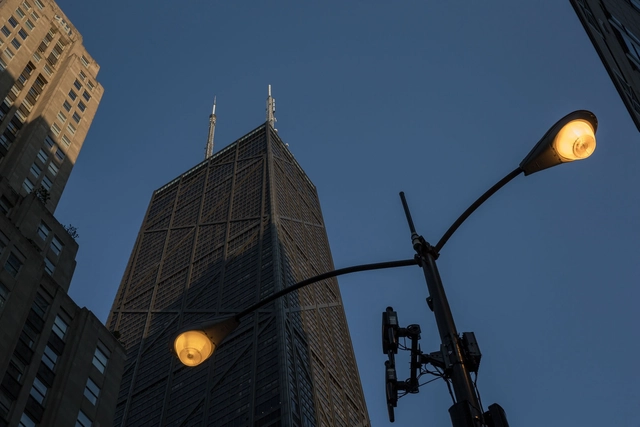
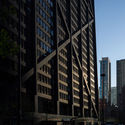
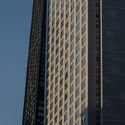
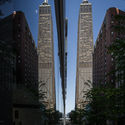
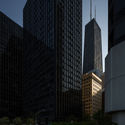
Ste Murray has recently visited Chicago and photographed the famous John Hancock Center on its 50th Anniversary. Completed in 1969, and conceived by architect Bruce Graham and structural engineer Fazlur Khan of Skidmore Owings and Merrill, the building was once the tallest structure in the world outside of New York.

Open More Doors is a section by ArchDaily and the MINI Clubman that takes you behind the scenes of the world’s most innovative offices through exciting video interviews and an exclusive photo gallery featuring each studio’s workspace.
This month, we talked with Italian architecture firm Supervoid to discuss their design strategies and how they helped develop the office's interior space.
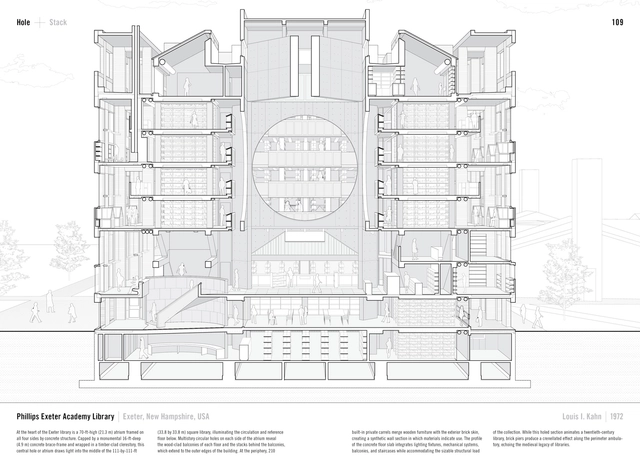
For Paul Lewis, Marc Tsurumaki and David J. Lewis, the section “is often understood as a reductive drawing type, produced at the end of the design process to depict structural and material conditions in service of the construction contract.” A definition that will be familiar to most of those who have studied or worked in architecture at some point. We often think primarily of the plan, for it allows us to embrace the programmatic expectations of a project and provide a summary of the various functions required. In the modern age, digital modelling software programs offer ever more possibilities when it comes to creating complex three dimensional objects, making the section even more of an afterthought.
With their Manual of Section (2016), the three founding partners of LTL architects engage with section as an essential tool of architectural design, and let’s admit it, this reading might change your mind on the topic. For the co-authors, “thinking and designing through section requires the building of a discourse about section, recognizing it as a site of intervention.” Perhaps, indeed, we need to understand the capabilities of section drawings both to use them more efficiently and to enjoy doing so.

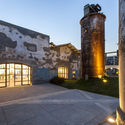
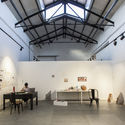


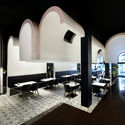
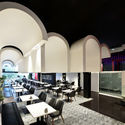
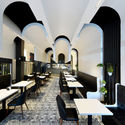











.jpg?1566924363 "Dinghui. Image © Weiqi Jin")
.jpg?1566925305 "Ziyahui. Image © Weiqi Jin")
.jpg?1566925405 "Ziyahui. Image © Weiqi Jin")
.jpg?1567002440)




_0262.jpg?1566906640 "© Laurian Ghinitoiu")
_0153.jpg?1566907296 "© Laurian Ghinitoiu")
_0268.jpg?1566907775 "© Laurian Ghinitoiu")
_0247.jpg?1566906787 "© Laurian Ghinitoiu")
_0247.jpg?1566906787)