Artificial intelligence (AI) is no longer a futuristic idea in architecture — it is a concrete reality that is reshaping how we design. In seconds, computational systems can process and evaluate a wide range of variables — formal, programmatic, contextual, and regulatory — guiding architects toward highly optimized solutions. But as we embrace this algorithmic revolution, a critical question arises: can architectural intelligence be reduced to data-driven logic? In response, alternative approaches are gaining momentum — ones that value ways of building grounded in sensory experience, adaptation to place, and the intergenerational transmission of knowledge. In the exchange between artificial and ancestral forms of intelligence, a deeper understanding begins to take shape. Intelligence does not reside in the tools themselves, but in the intention and sensitivity with which we use them to navigate complex realities.
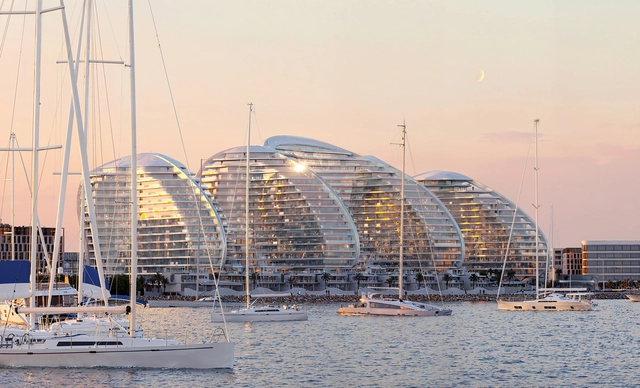
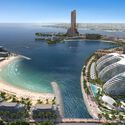
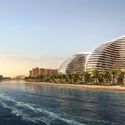
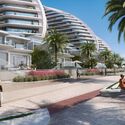
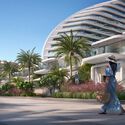
Oystra, Al Marjan, Render by MIR. Image Courtesy of ZHA
Oystra, designed by Zaha Hadid Architects, is a 128,000-square-metre seafront development located on Al Marjan Island in Ras Al Khaimah, United Arab Emirates, that comprises 950 residential units, a comprehensive range of shopping, dining, and leisure amenities. Ras Al Khaimah, one of the UAE's fastest-growing emirates, is projected to see a 55% increase in its population by 2030, driving the need for an additional 45,000 homes. The emirate's tourism sector is also experiencing significant growth, with the number of visitors expected to rise to 3.5 million annually by 2030, up from 100,000 in 2013.
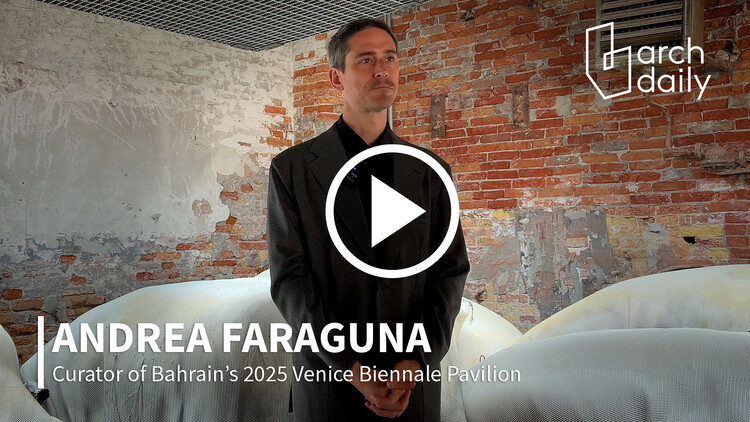
Architect Andrea Faraguna is the curator of the Kingdom of Bahrain's national pavilion at the 19th Venice Architecture Biennale. The exhibition, titled Heatwave, is a site-specific installation that explores passive cooling strategies for public spaces, inspired by Bahrain's traditional architecture and reimagined through contemporary approaches. Its technical response to the global challenge of rising urban temperatures was recognized by the Biennale's international jury, which awarded it this year's Golden Lion for Best National Participation. While on site in Venice, ArchDaily's editors had a chance to discuss with curator Andrea Faraguna about the context that gave rise to the pavilion, the mechanisms put in place, and his perspective on events such as the Venice Architecture Biennale.
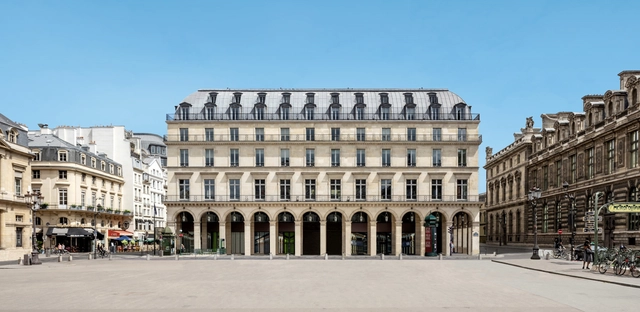
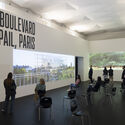
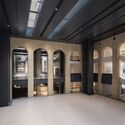
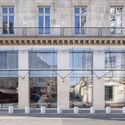
Fondation Cartier pour l'art contemporain announced plans to move into a historic building in Place du Palais-Royal in Paris. Originally built in 1855, the Haussmannian building is reimagined by architect Jean Nouvel and scheduled to open on October 25, 2025. The collaboration between Fondation Cartier and Jean Nouvel dates back to 1994 when the architect designed the "Parisian Monument," a glass and steel building on Boulevard Raspail that serves as the institution's current headquarters.
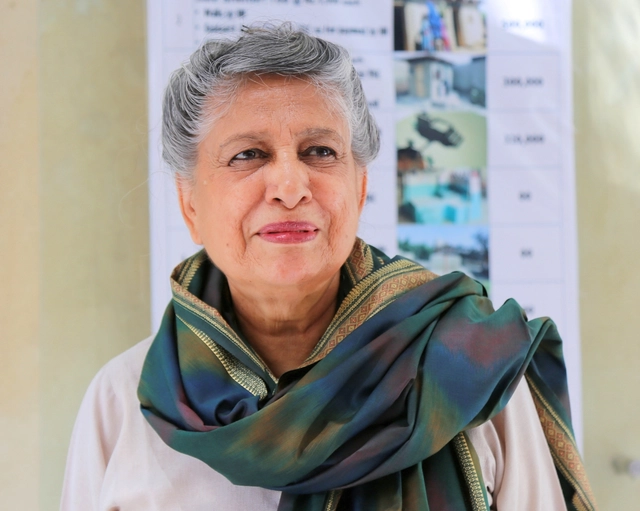
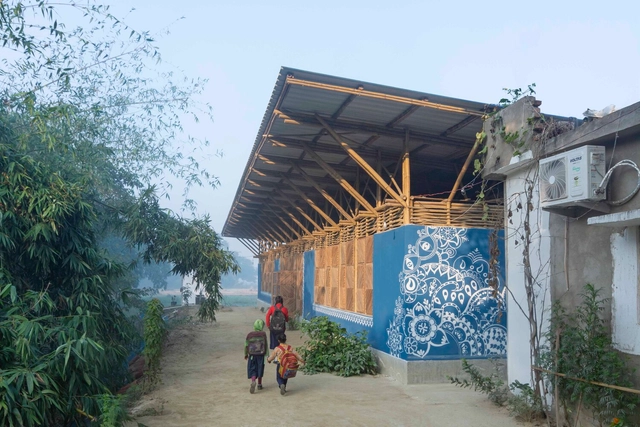
The Lisbon Architecture Triennale has announced Yasmeen Lari as the recipient of the 2025 Millennium bcp Lifetime Achievement Award. With a career spanning over six decades, the pioneering Pakistani architect has consistently demonstrated how architecture can serve as a tool for social justice, environmental resilience, and inclusive development.
With each of the more than 23,000 breaths we take per day, air travels through the respiratory system into the lungs, where vital gas exchange occurs: oxygen is absorbed, and carbon dioxide is expelled. This involuntary and essential act also triggers another, less visible but deeply impactful process—our perception of smell. As air passes through the nasal cavity, odor molecules come into contact with olfactory receptors located in the olfactory epithelium. These receptors send signals directly to the olfactory bulb, which is part of the limbic system—the area of the brain linked to memory and emotion. Far from being a secondary sense, smell acts as a direct bridge between the environment and our deepest emotional responses. Scents carry a unique power to evoke vivid memories, elicit comfort or immediate aversion, and influence our emotional state almost instantaneously.
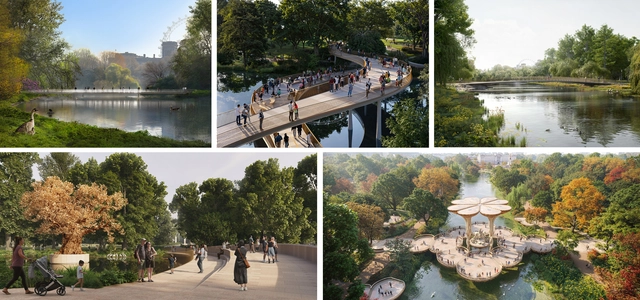
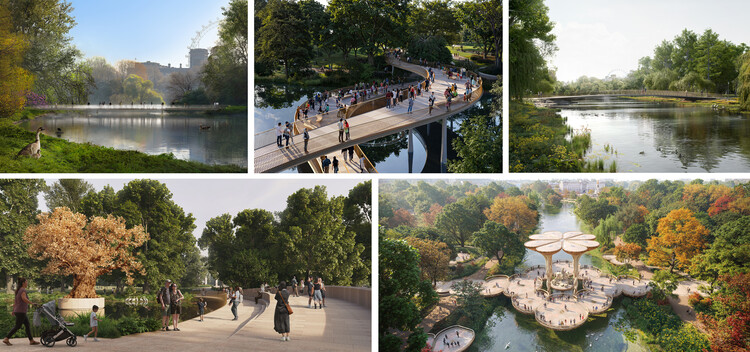
Clockwise from top left: Foster + Partners with Yinka Shonibare and Michel Desvigne Paysagiste; WilkinsonEyre with Lisa Vandy and Fiona Clark, Andy Sturgeon Design, Atelier One and Hilson Moran; J&L Gibbons with Michael Levine RDI, William Matthews Associa tes, Structure Workshop and Arup; Heatherwick Studio with Halima Cassell, MRG Studio, Webb Yates and Arup; Tom Stuart - Smith with Jamie Fobert Architects, Adam Lowe (Factum Arte) and Structure Workshop. Image Courtesy of the teams and Malcolm Reading Consultants
The UK Government has revealed five shortlisted design concepts for the Queen Elizabeth II Memorial, set to be located in the historically significant landscape of St James's Park in London. The proposals, now accessible through a newly launched online gallery, mark a key stage in the development of a national tribute to the late monarch. Public feedback on the exhibited proposals will be gathered until 19 May 2025 and will inform the Committee's decision on the winning design team, expected to be announced in early summer 2025. The final design is anticipated to be unveiled in 2026, coinciding with the centenary of Queen Elizabeth II's birth.