


Zhuhai Chillong Dreamland Barn Restaurant / SHUISHI

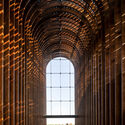

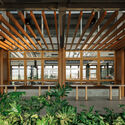
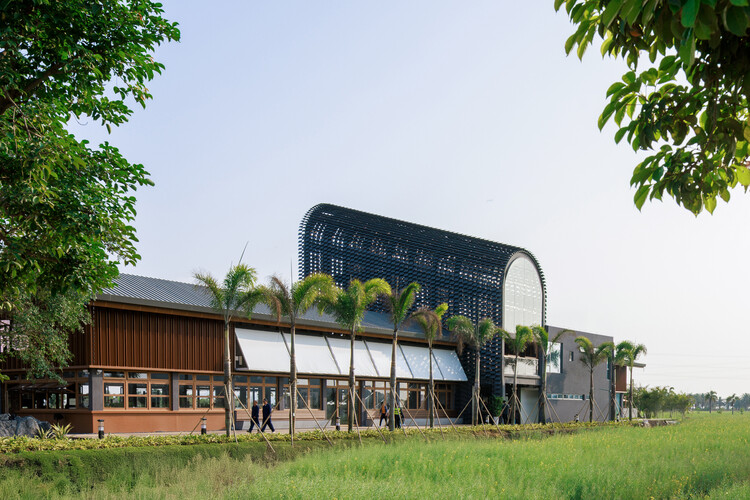
https://www.archdaily.com/1041793/zhuhai-chillong-dreamland-barn-restaurant-shuishiAndreas Luco
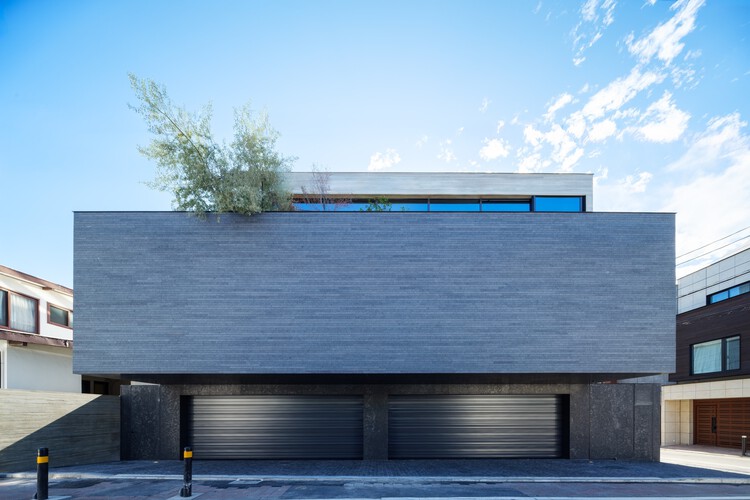
Eternity House / APOLLO Architects & Associates
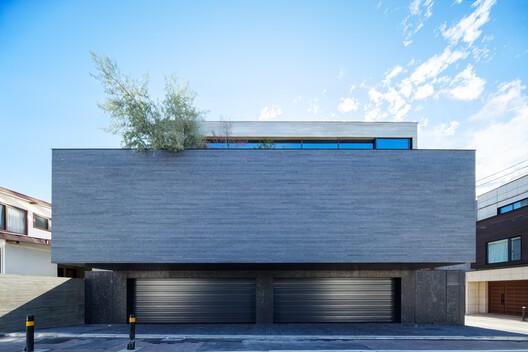




-
Architects: APOLLO Architects & Associates
- Area: 392 m²
- Year: 2025
https://www.archdaily.com/1041999/eternity-house-apollo-architects-and-associatesMiwa Negoro
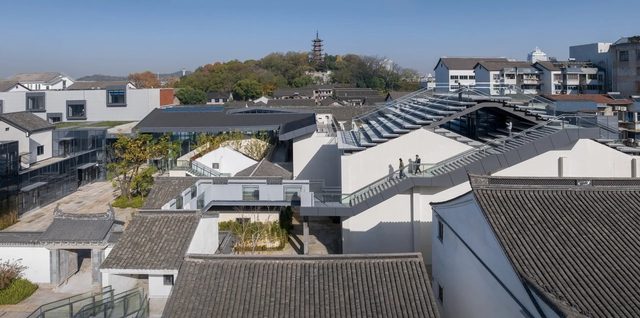
Dazhou Atelier and Its Surrounding Area Renovation / SpActrum




https://www.archdaily.com/1019633/dazhou-atelier-and-its-surrounding-area-renovation-spactrumValeria Silva
AAM Residence / Ximenes Leite Arquitetura


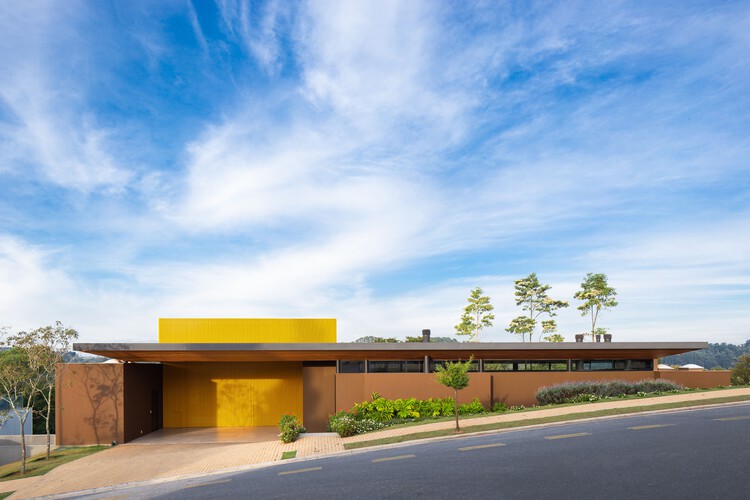
-
Architects: Ximenes Leite Arquitetura
- Area: 724 m²
- Year: 2020
https://www.archdaily.com/1041688/aam-residence-ximenes-leite-arquiteturaSusanna Moreira
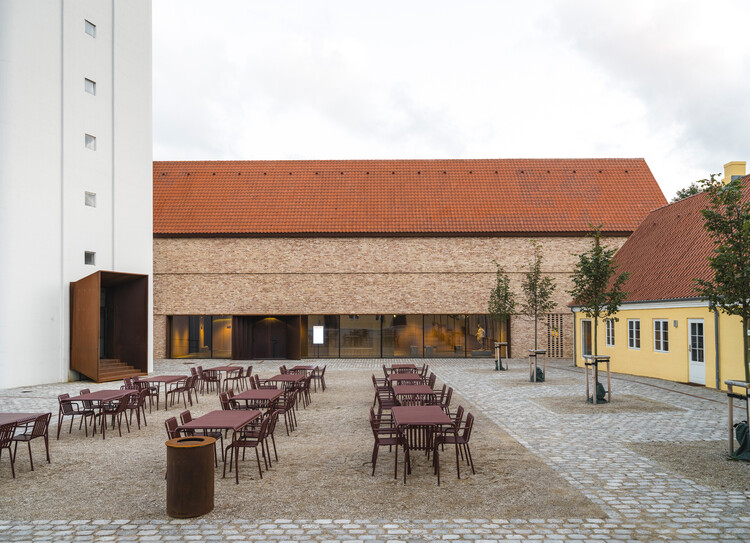
SMK Thy and The Nature Village / Reiulf Ramstad Arkitekter
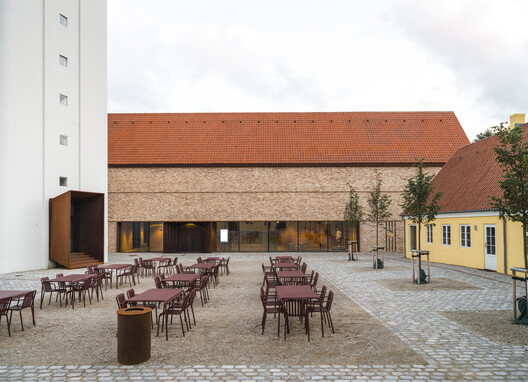
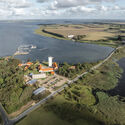
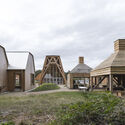
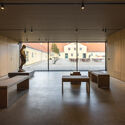
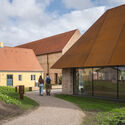
-
Architects: Reiulf Ramstad Arkitekter
- Area: 3300 m²
- Year: 2025
https://www.archdaily.com/1041961/smk-thy-and-the-nature-village-reiulf-ramstad-arkitekterHadir Al Koshta
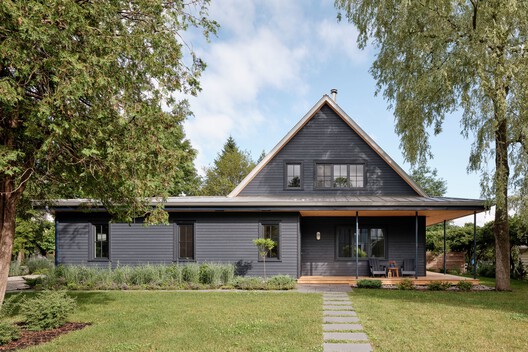
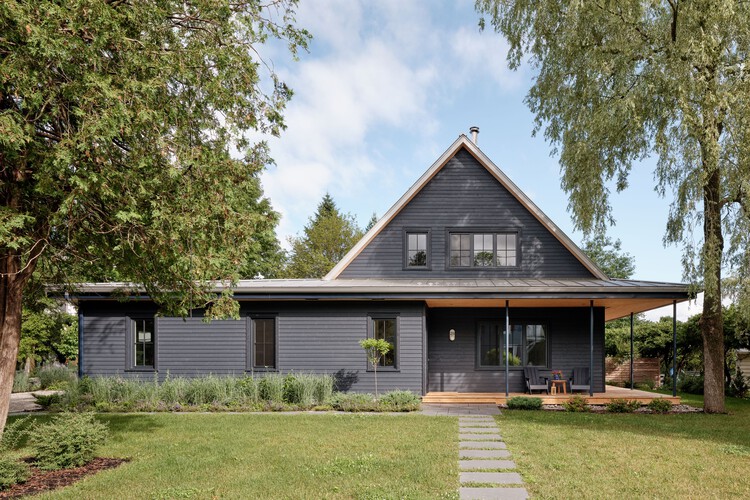
Knowlton Prairie / L. McComber



-
Architects: L. McComber
- Area: 1600 ft²
- Year: 2023
-
Manufacturers: AM / PM, DP Marchand, Exosystème, Luminaire authentik , Stone Tile, +1
https://www.archdaily.com/1041925/knowlton-prairie-l-mccomberSusanna Moreira
Anatomy of a Maya City: The Urban Structure of Copán in Honduras

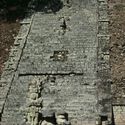
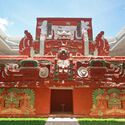
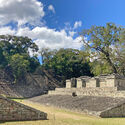
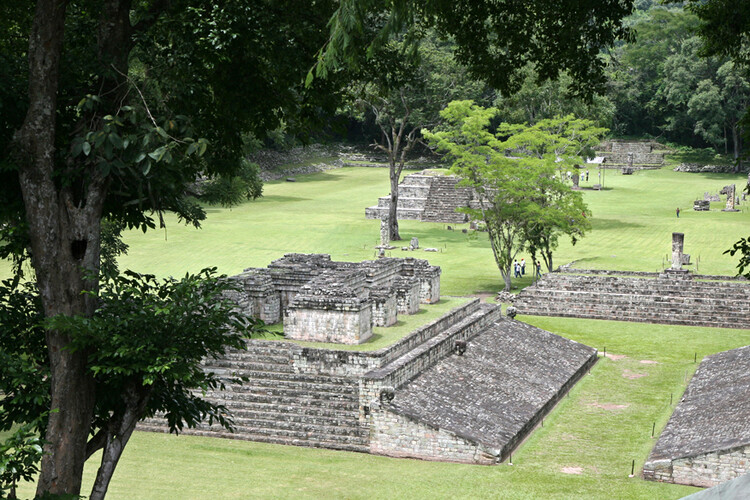
Deep in western Honduras, within a valley near the Guatemalan border, lies the ancient Maya city of Copán. Flourishing during the Classic period between the fifth and ninth centuries CE, the city developed as a regional epicenter through trade networks, dynastic politics, and monumental architecture. Today, the site is designated a UNESCO World Heritage Site due to its extensive architectural remains, including stepped pyramids, sculpted stelae, and ceremonial core. Over a century of systematic archaeological research has documented its urban morphology, revealing distinct residential districts, civic spaces, and systems of movement and visibility.
This analysis examines the spatial organization of Copán through the framework of urban theorist Kevin Lynch and "The Image of the City". By applying Lynch's five structural elements — edges, districts, paths, nodes, and landmarks — it is possible to analyze how Copán functioned not only as a ritual center but as a legible urban landscape designed to reinforce political hierarchy and regulate collective movement. Historical data for this analysis was taken from books and articles linked throughout the text, and was possible thanks to the collaboration of historian Arnulfo Ramirez de la Costa, professor and coordinator of the History program in the Department of History at the National Autonomous University of Honduras (UNAH) in Tegucigalpa.

https://www.archdaily.com/1041806/anatomy-of-a-maya-city-the-urban-structure-of-copan-in-hondurasMoises Carrasco
Timber Temple - Cabin in Sirdal / Arkitekt Folstad Knut
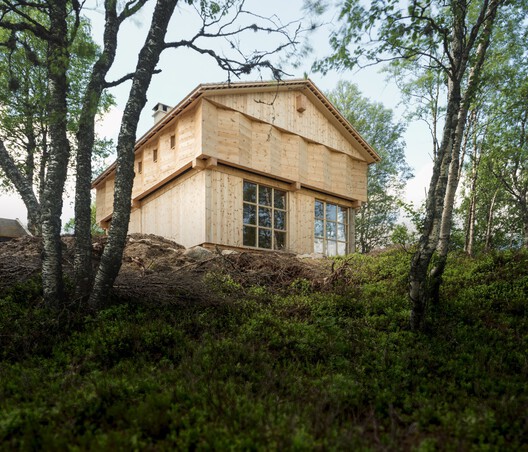

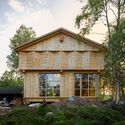
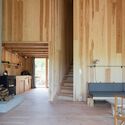
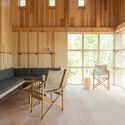
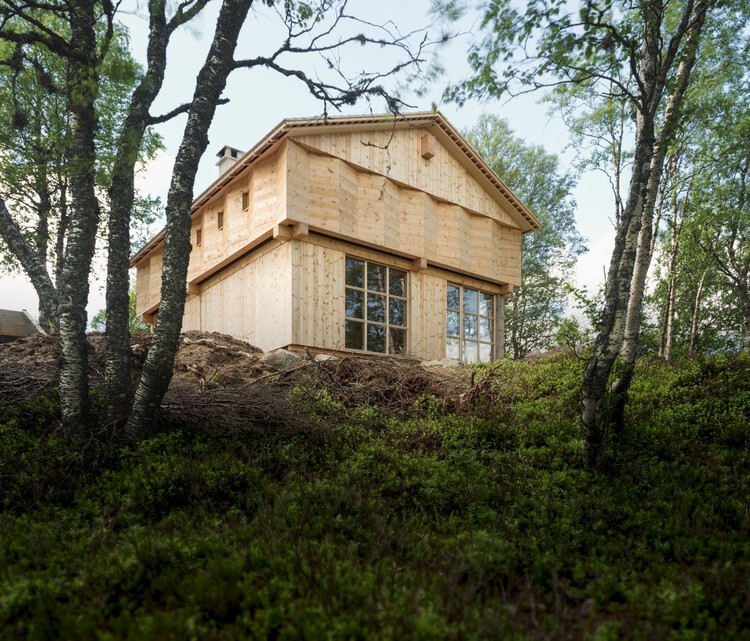
-
Architects: Arkitekt Folstad Knut
- Area: 106 m²
- Year: 2020
https://www.archdaily.com/1041705/timber-temple-cabin-in-sirdal-arkitekt-folstad-knutValeria Silva
Deja Vu Recycled Store / Offhand Practice




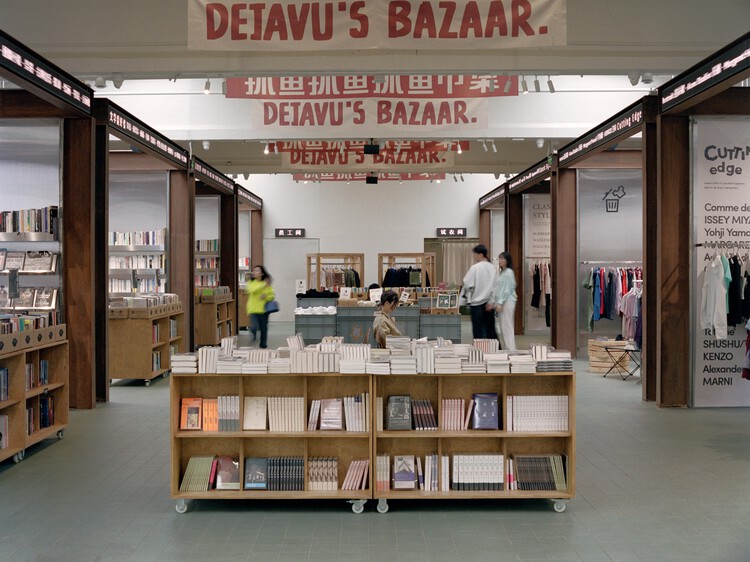
https://www.archdaily.com/1041849/deja-vu-recycled-store-offhand-practice韩爽
Metal Curtain Building / Hyunjoon Yoo + Partners


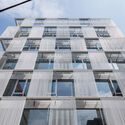

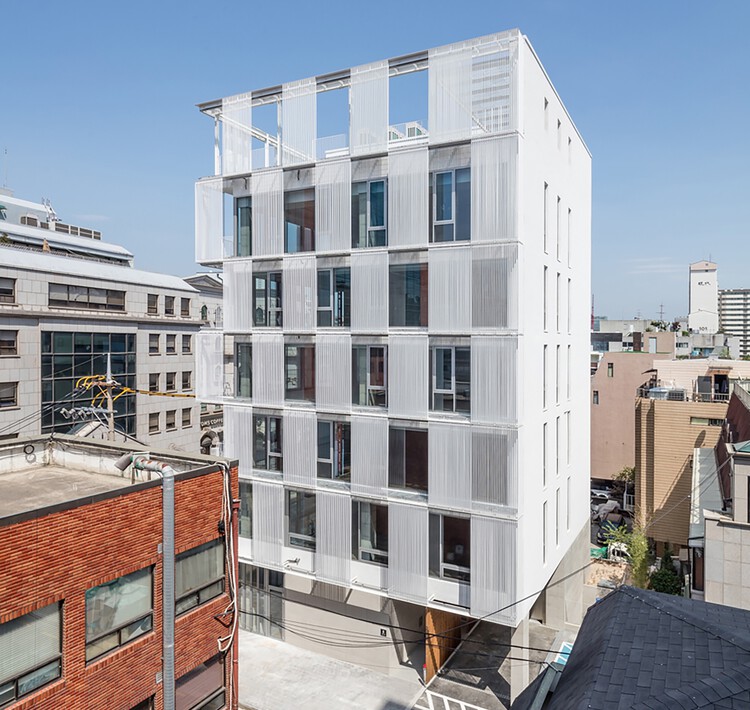
-
Architects: Hyunjoon Yoo + Partners
- Area: 2658 m²
- Year: 2023
https://www.archdaily.com/1041924/metal-curtain-building-hyunjoon-yoo-plus-partnersMiwa Negoro
TAL family restaurant / NAAW
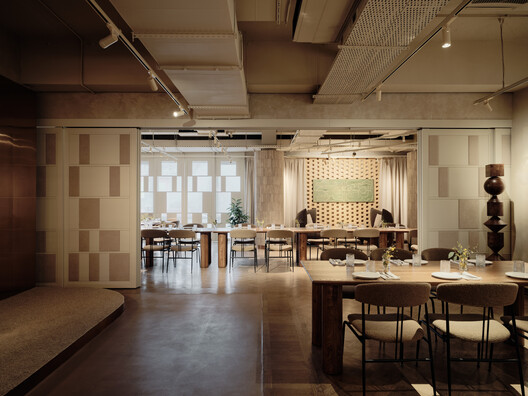



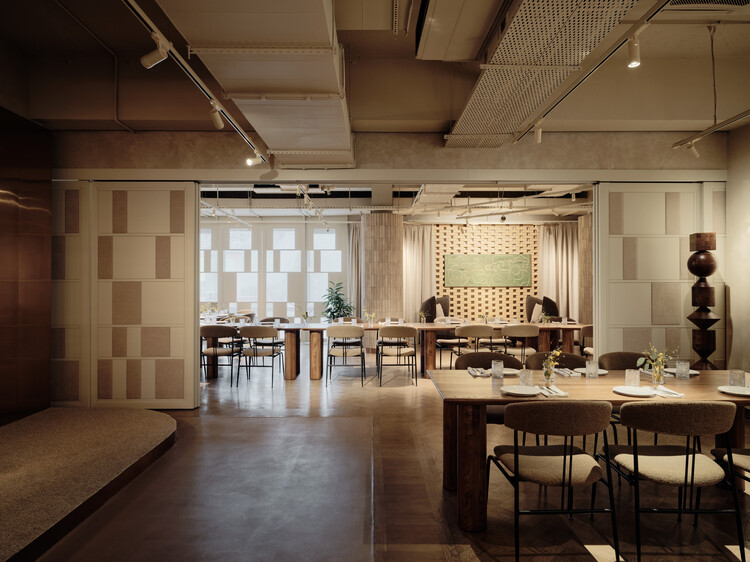
https://www.archdaily.com/1041891/tal-family-restaurant-naawMiwa Negoro
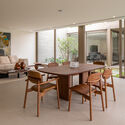
House Jeviò / DB Estudio de Arquitectura
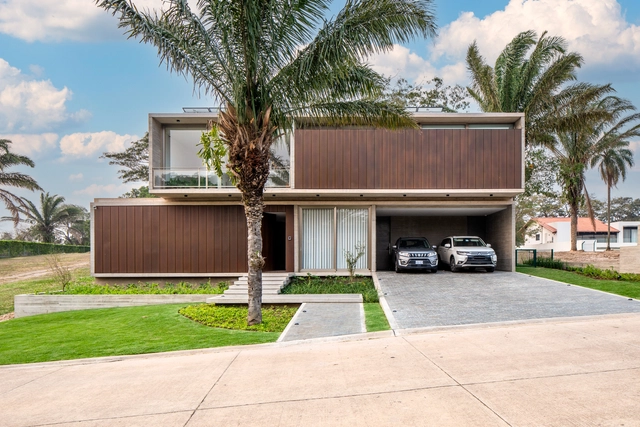


-
Architects: DB Estudio de Arquitectura
- Area: 596 m²
- Year: 2024
-
Manufacturers: CERAMICA MAYOR, Cortizo, FV, Gree, Knauf, +1
https://www.archdaily.com/1028412/house-jevio-db-estudio-de-arquitecturaAndreas Luco
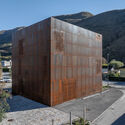
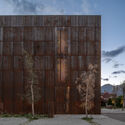
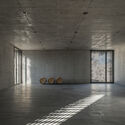
New Winery URS HAUSER / Wespi de Meuron Romeo architects


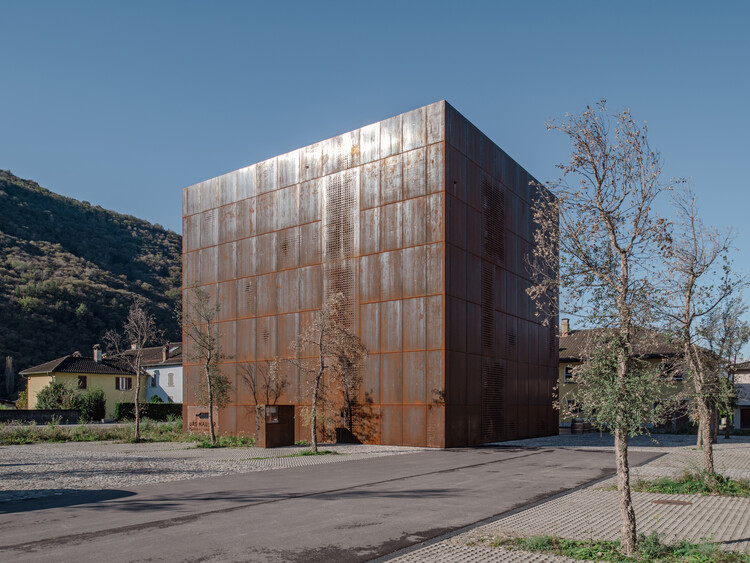
-
Architects: Wespi de Meuron Romeo architects
- Area: 545 m²
- Year: 2026
https://www.archdaily.com/1041960/new-winery-urs-hauser-wespi-de-meuron-romeo-architectsHadir Al Koshta
Ulster House / LGA Architectural Partners
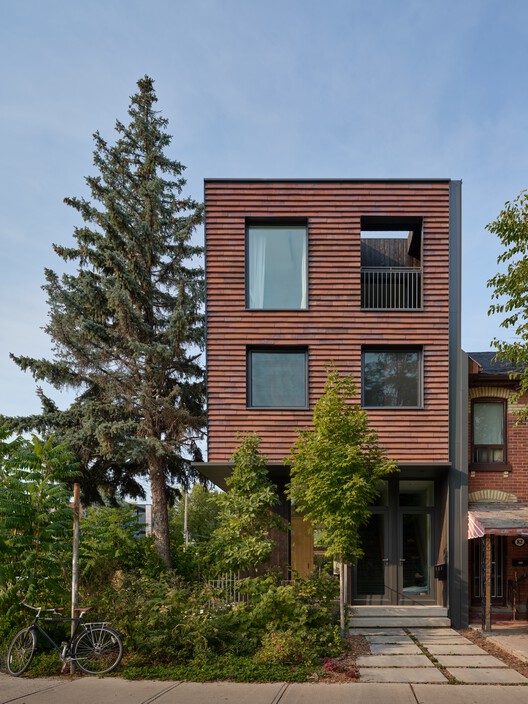




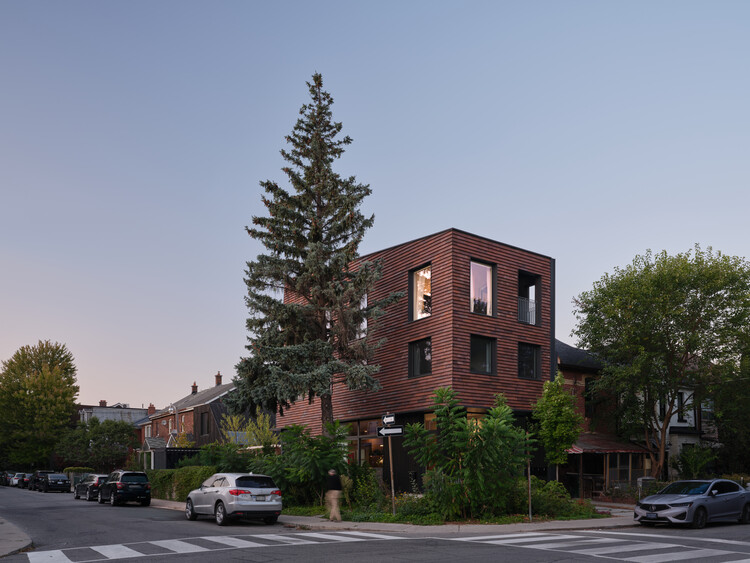
-
Architects: LGA Architectural Partners
- Area: 377 m²
- Year: 2025
-
Manufacturers: Hollace Cluny, Mjolk
https://www.archdaily.com/1041969/ulster-house-lga-architectural-partnersSusanna Moreira
When Modernism Meets Local Resistance: Housing and Urban Friction in Latin America

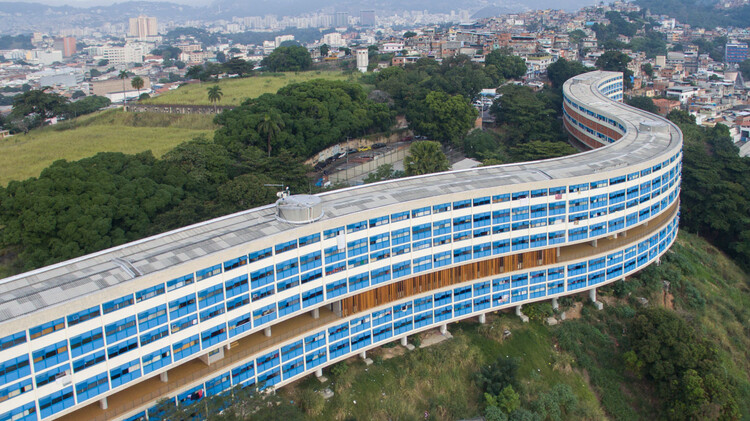
Modern housing was one of the places where modernism made its boldest promise: that architecture could reshape not only the city, but the way people lived within it. As Argentine architectural historian Ramón Gutiérrez has argued, popular housing is "the great unresolved subject, one that usually does not appear in histories of architecture." In Latin America, this absence is significant. Across the 20th century, expanding cities turned housing into one of the clearest ways to imagine urban change, and modernism entered not only plans and drawings, but apartments, neighborhoods, streets, and domestic routines.
Yet once built, these projects entered cities shaped by politics, memory, inequality, and changing ways of occupation. Their meanings no longer belonged only to the original plan, but to the ways they were inhabited, altered, and transformed over time. What this history reveals is not adaptation, but friction: the moment when architecture stops being an ideal model and meets the city it cannot fully control.


https://www.archdaily.com/1041759/when-modernism-meets-local-resistance-housing-and-urban-friction-in-latin-americaDaniela Andino





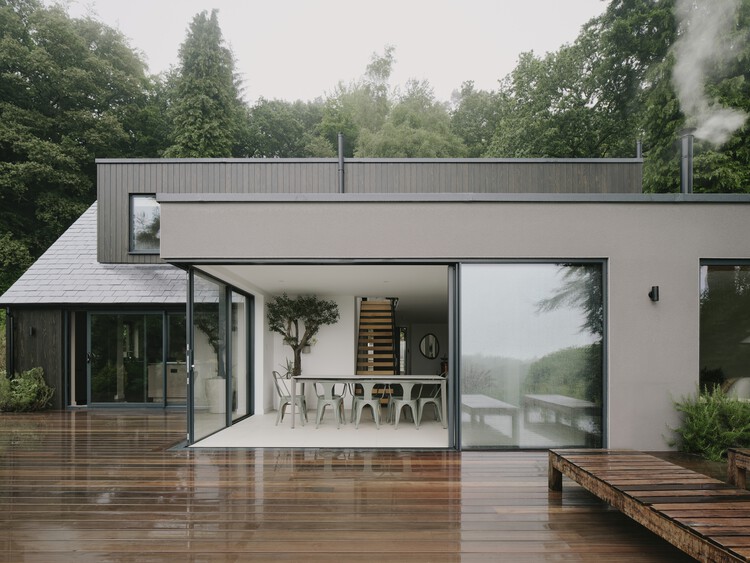
Yunju Roast Meat Restaurant / LUKSTUDIO



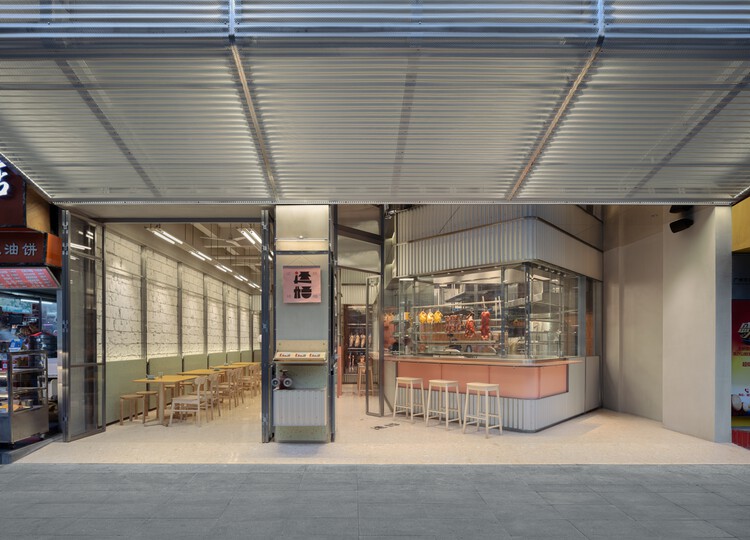
https://www.archdaily.com/1041192/yunju-roast-meat-restaurant-lukstudio韩爽
House in Narutaki / kooo architects





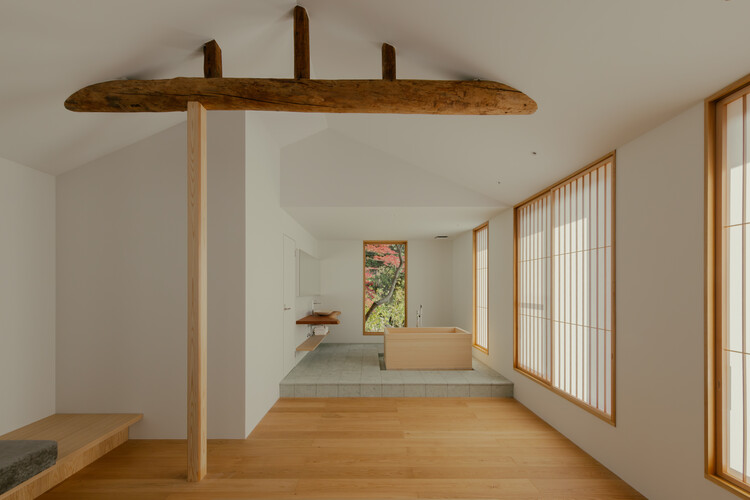
-
Architects: kooo architects
- Area: 323 m²
- Year: 2025
https://www.archdaily.com/1041915/house-in-narutaki-kooo-architectsMiwa Negoro