Architecture and research firm rat[LAB] Studio and Shilpa Architects have designed a new temple in Koppur that reinterprets India's vernacular through parametric design. Called the Shirdi Sai Baba Temple, the project is located on the outskirts of Chennai on an 11 acre site at the epicenter of a 338 acre masterplan. The design features an 11 sided polygon (hendecagon), articulated as a three-dimensional polyhedron.
In the dome of the Pantheon in Rome, several construction techniques were used to allow such a bold construction to stand. One concerns the composition of the concrete (in this case, non-reinforced concrete) with different densities throughout the structure. Closer to the top, lighter stones were used in the mixture, reducing the dome's weight retaining the solidity of the base. Another technique was the inclusion of “coffers”, which are nothing more than subtractions in the concrete, reducing the weight of the dome while maintaining a cross section sufficiently robust to support its own weight. Built almost 1,900 years ago, this building still surprises us with the genius of the solutions. Using a quantity of materials just high enough to fulfill its primary function, and creating intelligent structures as a result, is just one of the lessons that this building provides.
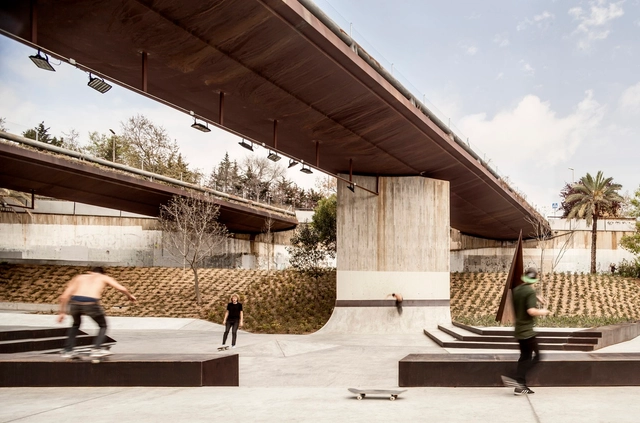
Skateboarding is its own urban experience. As interactive public spaces and tactile surfaces, skate parks have slowly begun to shape the way we think about urban design. Beyond the boundary of parks themselves, skaters look at the architecture of the built environment outside of its intended purpose, and in turn, are rethinking how we gather, move around, and reimagine the future of urban life.
New Generations is a European platform that analyses the most innovative emerging practices at the European level, providing a new space for the exchange of knowledge and confrontation, theory, and production. Since 2013, New Generations has involved more than 300 practices in a diverse program of cultural activities, such as festivals, exhibitions, open calls, video-interviews, workshops, and experimental formats.
You have only to look at Miguel De Guzmán and Rocío Romero's portfolio to know that the duo have succeeded in capturing a wide array of panoramas and sharing the ideas attached to them. Through their Madrid and New York based photography and film studio, Imagen Subliminal, document the latest happenings in the world of architecture in an effort to give their audience a taste of the energy and creativity that drives it.
We sat down with the duo in honor World Photography Day, where they shared how their work has changed through the years and photography's contemporary and future role in architecture.
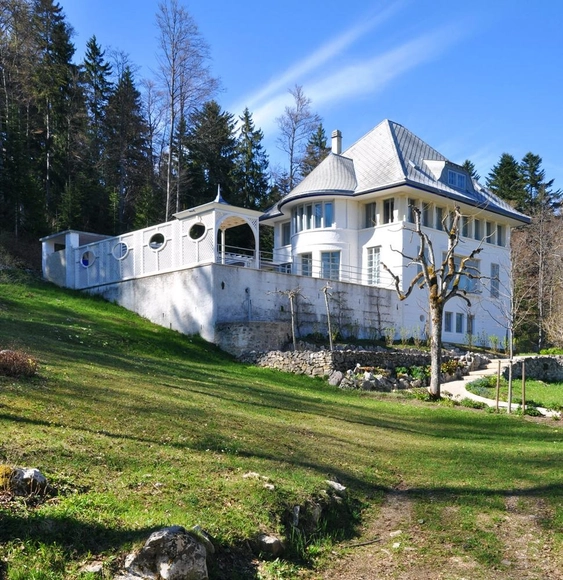
In 1912 Le Corbusier was already experimenting with some ideas on the Jeanneret-Perret house, known as "Maison Blanche," which eventually paved the way for the modern way of living.
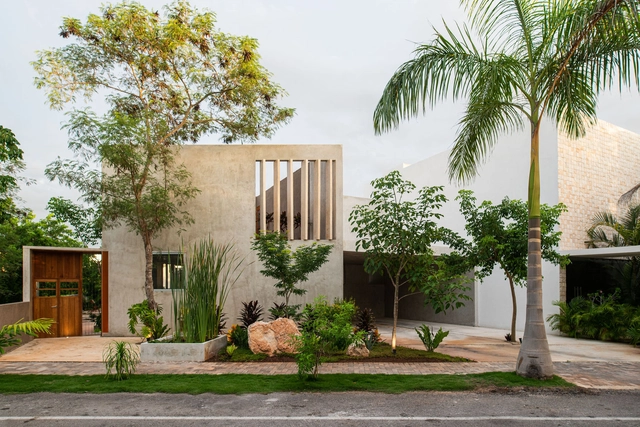
In Yucatan, architects are reviving an ancient Mayan stucco technique for contemporary buildings, merging modern architecture with regional history and culture. The technique is called “chukum,” a term derived from the colloquial name for the Havardia albicans tree native to Mexico. Made with chukum tree bark, the material has several defining qualities that separate it from traditional stucco, including impermeable properties and a natural earthy color. Though chukum initially fell out of use following Spanish conquest of the Maya civilization, it was rediscovered and reemployed by Salvador Reyes Rios of the architecture firm Reyes Rios + Larrain Arquitectos in the late 1990’s, initiating a resurgence of use in the area.
https://www.archdaily.com/946291/the-rustic-beauty-of-the-chukum-in-modern-mexican-architectureLilly Cao
The National Council of Architectural Registration Boards (NCARB) has launched Destination Architect, a new educational STEAM resource for aspiring architects. The campaign is designed to raise awareness of the architect’s role and how to earn an architecture license through a video-based format. The resource also highlights data-driven tips to help shorten the path to licensure.
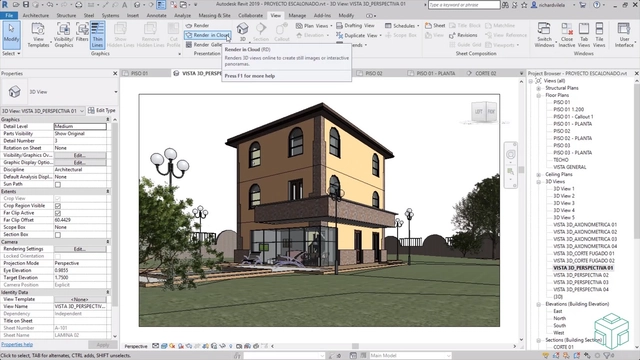
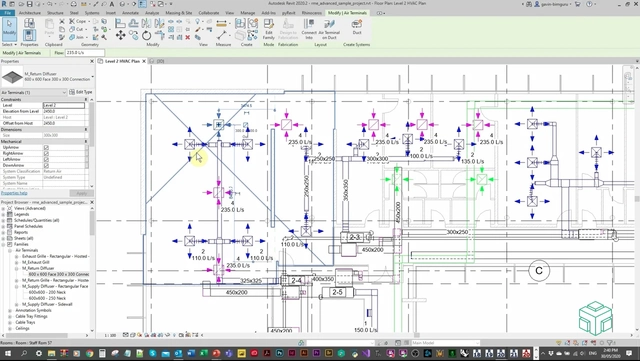
In the world of architectural design and construction, Revit BIM has become key software that helps simplify building design and analysis processes. As a collaborative work methodology for project generation and management, it enables architects and engineers to design with modeling elements and parametric drawings by using smart 3D objects.
https://www.archdaily.com/943691/become-a-bim-professional-with-the-autodesk-revit-architecture-courseGoPillar Academy
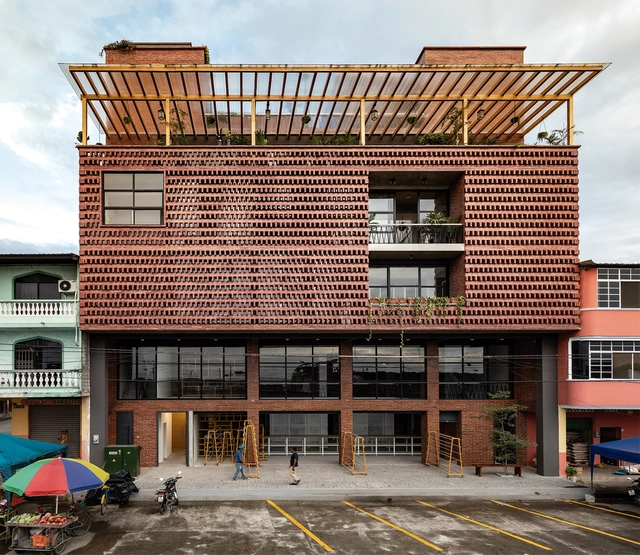
Single family homes are undergoing a quiet transformation in recent years. Increasing land costs, the growth of urban settlements, and the lack of available space for construction have triggered an increase in the development of mixed-use housing. The result is that architects have begun to incorporate more community programs within private residential projects. We can now find homes that integrate commercial, cultural, educational, or industrial uses. This not only provides diversity and efficiency, but also allows surrounding neighborhoods to be revitalized through mixed programs that foster social engagement, interaction and connection.
These type of projects can be created both vertically - in a 2 or 3-story house - and horizontally, using two neighboring lots or around an open space. The following are 12 examples of modern mixed-use homes.
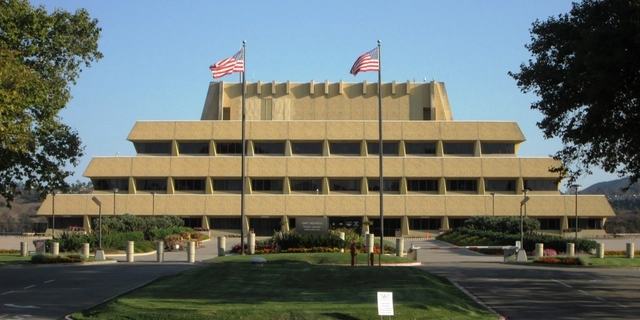
The Chet Holifield Federal Building in Laguna Niguel, California—better known to locals as the “Ziggurat” for obvious reasons—is reportedly at risk of demolition. The six-story, one-million-square-foot government services building is on the chopping block as the U.S. Public Buildings Reform Board, responsible for unloading federal facilities, will likely sell the structure as early as next year.
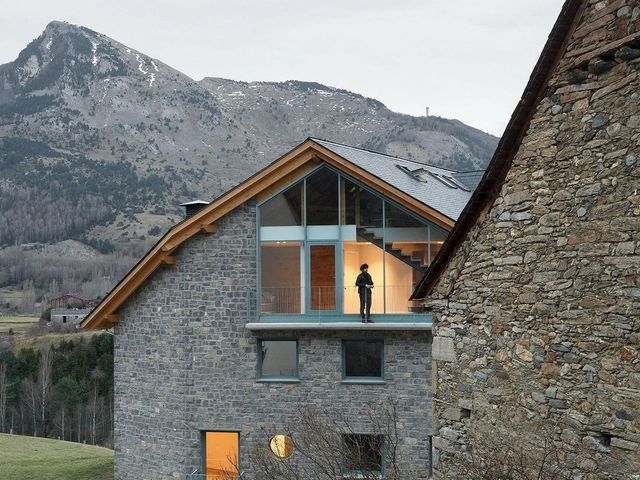
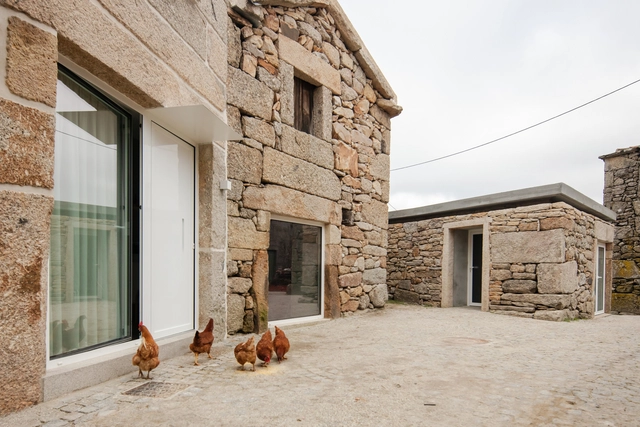
Stone is known to be a versatile, sturdy, inexpensive and long-lasting material, and has been used in traditional construction systems worldwide for a long time. Its practicality, neutrality, and availability in certain regions are some of its defining traits which, combined with its visual appeal, can contribute to its use in contemporary architectural projects.
When considering “How Will We Live Together”, it is important to note the projective and future tense of the phrase. The idea not only encompasses ways we already share our built environment but targets the anticipated issues that are to be tackled to facilitate communal and mutually beneficial ways of living.
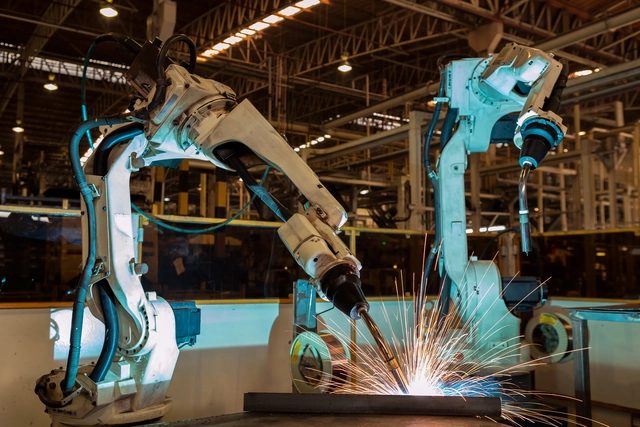
Robotic automation has been widely adopted by the manufacturing industry for decades. Most automotive vehicles, consumer electrical appliances, and even domestic robots were made and assembled by “armies” of robots with minimal human supervision. Robotic automation brings higher production efficiency, a safer working environment, lower costs and superior quality. After years of development and deployment, the process now requires minimal human involvement.
https://www.archdaily.com/945761/a-fully-automated-construction-industry-still-a-long-road-aheadDarwin Lau
Architecture is often associated with the idea of sheltering, ever since primitive constructions. However, memorials are among the few types of architecture that are not primarily intended to shelter, but to remember. A space that respectfully aims to keep alive the memory of those who have fallen in heroic acts or have been unfortunate victims of cruel historical events, which can, therefore, be perceived as a monument or a building with the purpose of materializing intangible emotions, creating collective memories that can be remembered through time.
In some of the most dense cities around the world, it’s becoming an increasing challenge to find a comfortable space to live- and similar for when you die, too. It’s estimated that 55 million people pass away each year, and for every one living person today, there are 15 times the number of deceased. Yet urban planners and architectural developers are more interested in dealing with the living than dabbling in the business of death. As a result, it’s created tension in the two parallel worlds- and as time goes on, more questions are being raised about how we address public space that can be designed so that both the living and the dead can coexist.
Dr Abdelhalim Ibrahim Abdelhalim . Image Courtesy of TAMAYOUZ EXCELLENCE AWARD
Architect, urban planner, and professor, Dr. Abdelhalim Ibrahim Abdelhalim was selected as the 2020 laureate of Tamayouz’s Lifetime Achievement Award. The highest accolade of the Tamayouz Excellence Award is awarded annually to an individual “who have made significant contributions towards humanity and the advancement of architecture and the built environment in the Near East and North Africa”.
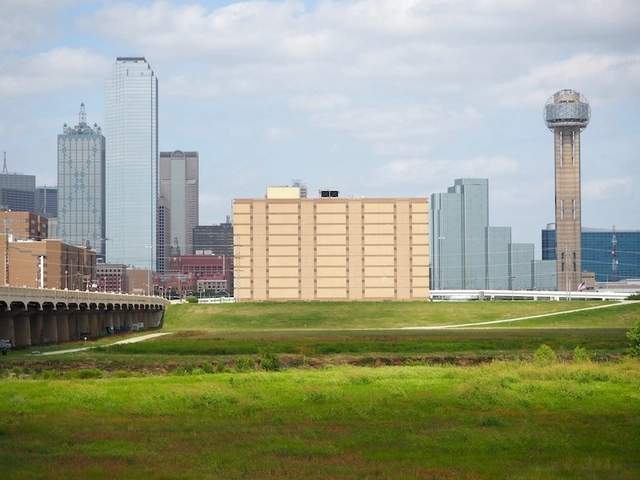
Trinity Park Conservancy has selected Weiss/Manfredi as the design architect to reimagine the Dawson State Jail in Dallas, Texas. Dubbed the city's "ugliest building", the project will be transformed with Malone Maxwell Dennehy Architects. The team has been asked to work with the Conservancy to integrate the building and its surrounding neighborhoods into Harold Simmons Park along the Trinity River.
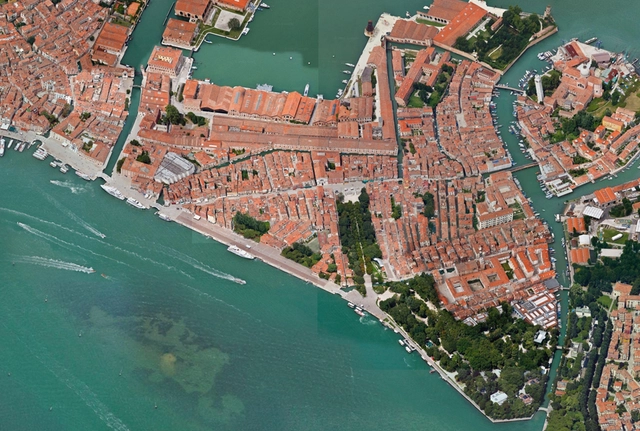
Vista aérea de Venecia. Image Cortesía de Ministerio de las Culturas, las Artes y el Patrimonio de Chile
With the submission of "Reparation: Architecture of Action and Everyday Experiences," Chilean architect Emilio Marín will curate the Chilean exhibit at this year's Biennale of Venice, as announced by a spokesperson for the Ministry of Culture, Art, and Heritage.
There's no shortage of architectural software these days and it can be challenging and overwhelming to know what tools will be the best fit for your work. Often the programs you learned in school or whatever your firm uses are what you stick with. However, it's often beneficial to step out of that comfort zone and investigate your options to see what else is out there. New software can present opportunities to simplify existing workflows or even bring new digital capabilities to you and your firm.
https://www.archdaily.com/945566/learn-more-about-dynamo-for-revit-features-functions-and-newsGoPillar Academy
Videos
Osaka, Japan. Image Courtesy of Norihito Nakatani Seminar
Created by Japanese architectural historian Norihito Nakatani, the film "A City of Columns" explores the distinctive dwelling culture of nagaya, a housing typology that flourished in the Japanese early modern period. The video depicts one of the few remaining nagaya neighbourhoods in Osaka, revealing the standardization embedded in all aspects of this form of housing and documenting how architectural elements transition between different spatial configurations.
As planners who regularly engage everyday citizens in the planning process, we like to start by having people build their favorite childhood memories with found objects. Most often, these memories are joy-infused tales of the out-of-doors, nature, friends, family, exploration, freedom. Rarely do these memories have much to do with technology, shopping, driving, watching television, and so many of the other things that seem to clutter up our daily lives. But then again, these are folks who have known a world that has been—at least for part of their lives—screen- and smartphone-free.
https://www.archdaily.com/946090/designers-and-planners-take-note-peoples-fondest-memories-rarely-involve-technologyJames Rojas, John Kamp & Vassil Yorgov


.jpg?1598036110)
.jpg?1598036212 "Courtesy of rat[LAB] Studio, Sreekanth Damodaran")
.jpg?1598036314 "Courtesy of rat[LAB] Studio, Sreekanth Damodaran")
.jpg?1598036181 "Courtesy of rat[LAB] Studio, Sreekanth Damodaran")
.jpg?1598036330 "Courtesy of rat[LAB] Studio, Sreekanth Damodaran")
.jpg?1598036110)






















_Blerta_Kambo.jpg?1597868162&format=webp&width=640&height=580)
