In recent years, we have published many articles about wood. Addressing trends of use, possibilities for log wood, panels, curves, and finishes, innovations in tall building structures, and wood's behavior towards fire, these articles have explicated a wide variety of the material's applications and characteristics. A specific type of wood, Cross Laminated Timber (CLT), has emerged as highly structurally efficient with thermal, seismic, and even sensory benefits, described by specialists as the concrete of the future. But when we post these articles on social media, we frequently encounter comments from our readers concerned about the impact of deforestation. Although we may see wood as a great building material of the future, we must ask ourselves: is it possible to continue cutting down trees and using their wood while still calling it sustainable?
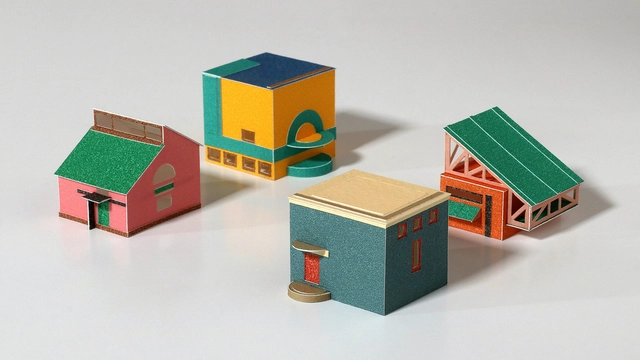
Architectural References Online is a web-based archive for three-dimensional, navigable model photos of select projects in architectural history. Initiated by Marc Frohn as the head of the chair Raum + Entwerfen and developed together with Tim Panzer, the models and drawings were produced by students at the Architecture School of Karlsruher Institut für Technologie.
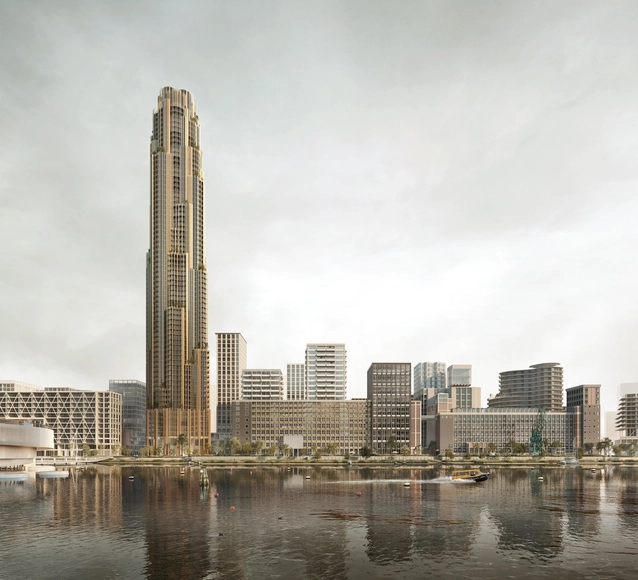
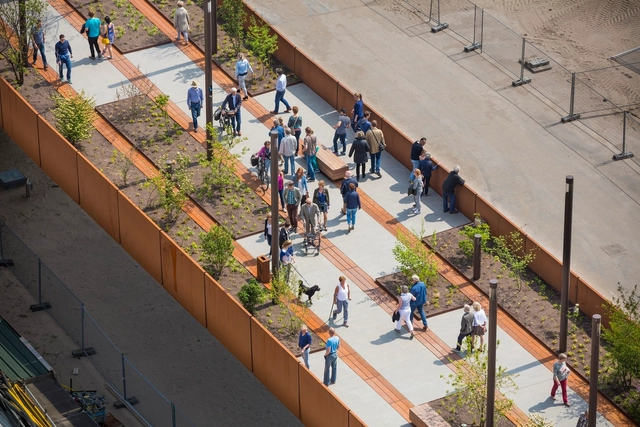
A new masterplan and building scheme has been designed for the Codrico Factory and Rijnhaven in Rotterdam. With the overall plan created by Powerhouse Company in collaboration with developer RED Company, the proposal includes a series of buildings by Mecanoo, SHoP Architects, Office Winhov and Crimson Architectural Historians. Called the "Codrico Terrain", the project aims to celebrate local industrial heritage and embrace change for the future.
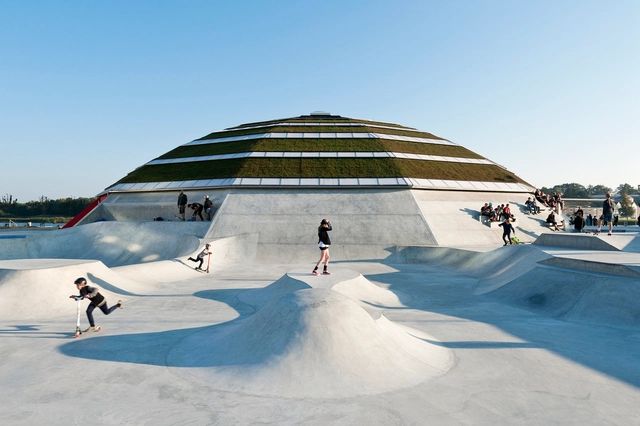
Skateboarding is often associated with the use of public spaces such as streets, squares, and sidewalks and has become a sport that blends into everyday life in the cities. Although skateboarding is sometimes considered marginalized, because of the dispute over public spaces, it allows underused places such as areas under or near overpasses to be revamped for practicing sports. Many sports centers have been incorporating skate parks into their programs, showcasing very unique designs.
I am a relative newcomer to the Midwest, and of all the things that have captured my enduring attention, one of them is water towers. In my adopted home state, Minnesota, they are everywhere. These top-heavy engineering marvels rise to well over 150 feet tall and assume all manner of shape and metallurgical prowess, from the pedesphere and fluted column structures, colloquially known as the “golf ball-on-a-tee” and “flashlight,” respectively, to the multicolumned spheroid and ellipsoid tanks that, as legend has it, were the targets of frantic gunfire during Orson Welles’ broadcast of “War of the Worlds.” I can attest that when the day’s twilight settles in, those multilegged towers—or, rather, their silhouettes—can appear otherworldly.
https://www.archdaily.com/952627/water-towers-iconic-infrastructure-underutilized-opportunityJustin R. Wolf
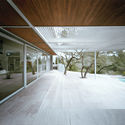
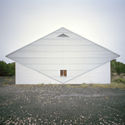
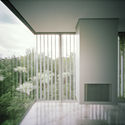
In documenting the body of work of Miró Rivera Architects, Belgian photographer Sebastian Schutyser employs a photographic technique never before used for the presentation of contemporary architecture. The soft, pictorial imagery produced with a pinhole camera perfectly showcases the dialogue between architecture and landscape which underlines the studio’s designs.
The Second Studio (formerly The Midnight Charette) is an explicit podcast about design, architecture, and the everyday. Hosted by Architects David Lee and Marina Bourderonnet, it features different creative professionals in unscripted conversations that allow for thoughtful takes and personal discussions.
A variety of subjects are covered with honesty and humor: some episodes are interviews, while others are tips for fellow designers, reviews of buildings and other projects, or casual explorations of everyday life and design. The Second Studio is also available on iTunes, Spotify, and YouTube.
This week David and Marina answer a hotline text asking for advice regarding attending architecture school during COVID. The two cover choosing to defer and taking a year off from school, aspects of education missing from remote learning, the differences between physical and virtual learning, how to overcome remote learning challenges, and more. Enjoy! Text or call our hotline: 213-222-6950 for any questions.
https://www.archdaily.com/952685/the-second-studio-podcasts-tips-for-architecture-and-design-students-learning-remotelyThe Second Studio Podcast
Many architects work in a variety of areas, designing everything from the layout of a city block to the most minute details of a building. A common trend among these projects is that the furnishings, the very things that make a structure usable and livable, are often afterthoughts for the project's creators and only become important when the structure is already built.
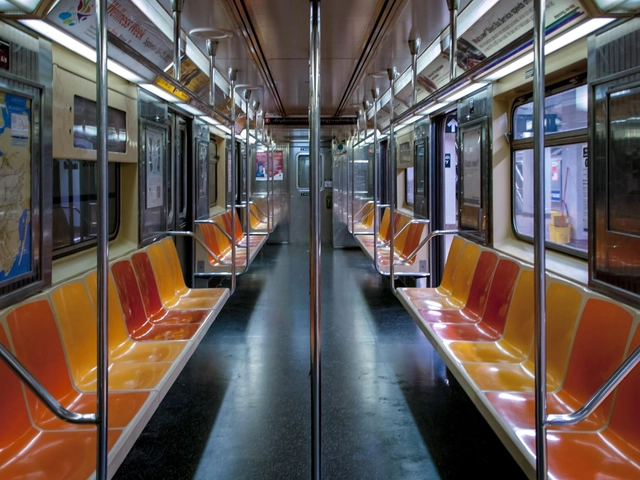
With the promising news of a potential vaccine that could soon return the world to a semi-normal way of life, questions are being raised about what the future of public transit might look like. While some predict that it will be years before we revert back to the muscle memory ways of packing like sardines into crowded subway cars during rush hour commutes, it’s not just about how individuals feel being within close proximity of one another while moving about the city. It has more to do with how our other daily habits, which have been reshaped as a result of the pandemic, might change the overall goals for public transit systems around the globe. What strategies might be implemented to bring ridership back to normal levels and to bring the mobility landscape back to where it once was as society continues to undergo major fundamental shifts?
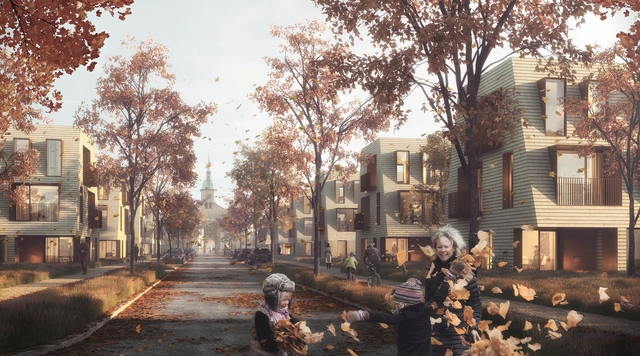
Schmidt Hammer Lassen Architects and BOGL were selected by the municipality of Albertslund and Freja Ejendomme to re-imagine Vridsløselille, a facility that housed once a state prison, and transform the site into an attractive, green district with a distinct identity derived from its unique heritage. The scheme was chosen alongside another project by COBE to create a combined vision for the future development of the area.
The City of Los Angeles has launched a $100,000 housing design challenge for low-rise developments. The competition asks architects and landscape architects to imagine "appealing and sustainable" models of low-rise, multi-unit housing. Organized by the Mayor’s Office and Chief Design Officer Christopher Hawthorne, the initiative aims to create new paths to home-ownership and housing affordability in Los Angeles.
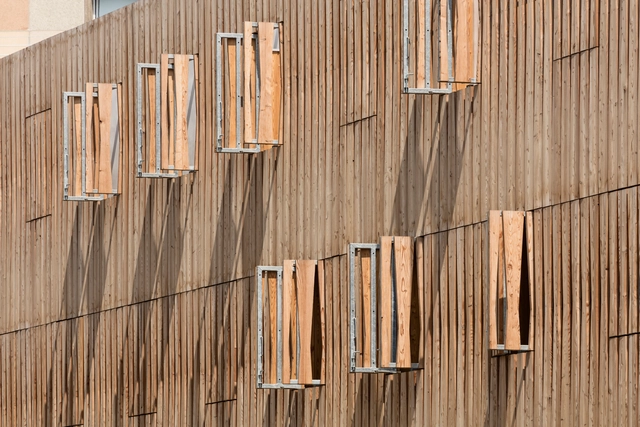
Wood is a material naturally associated with beauty, versatility, and comfort and is used in many different ways in architecture, from flooring to roofing. These qualities also stand out when used in window frames.
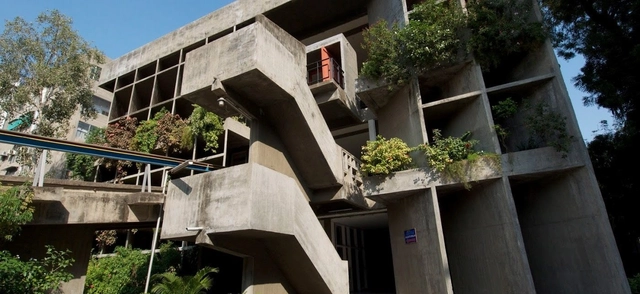
I’m sitting in a busy suburban coffee-and-donut shop with the quiet, grandfatherly Indian architect, Jitendra Vaidya. When I started my life as an architecture intern in the late 90s, Jitendra was one of the most experienced technical designers I knew. Equally comfortable weighing the relative merits of various flashing details as he is discussing abstract design concepts, Jitendra is an old-school, universal architect. After more than half a century in a profession famous for grinding deadlines, Jitendra still maintains a joyful twinkle in his eye when he talks about architecture. So it’s no surprise that Jitendra is visibly animated today as he tells me about his teacher, the man who was just recognized as one of the world’s greatest living architects, B.V. Doshi.
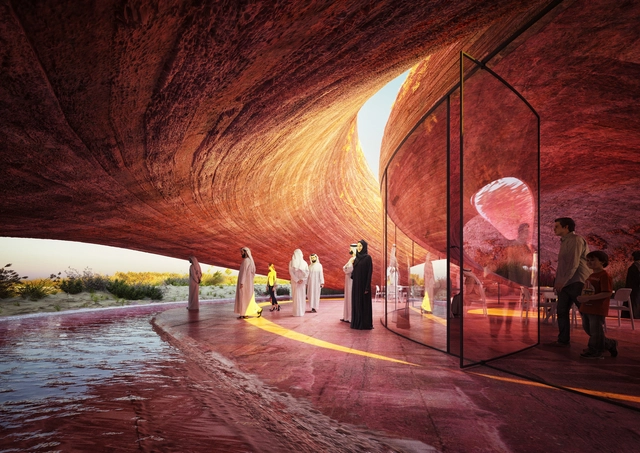
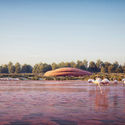
Abu Dhabi Flamingo Visitor Center. Image Courtesy of Mykhaylo Slyusar | SDAR
Cultural architecture is defined by shared values and exchange. It centers on humanity, civic life and a story of how societies evolve over time. Whether museums, libraries, visitor centers or monuments, these spaces tell stories about a region, culture and place. This week’s curated selection of the Best Unbuilt Architecture focuses on museums and cultural projects designed in both rural and urban settings. Drawn from all over the world, they represent proposals submitted by our readers.
Trading a diversity of typologies for a range of settings and contexts, these projects showcase many different ways to tell a story of culture. They each showcase diverse taxonomies, formal approaches and spatial organizations, from a tower in Shenzhen to a Mediterranean school in Corsica and an art center in New South Wales, Australia.
Construction has begun on MVRDV’s six-story sustainable office and laboratory complex. Located in the heart of Amsterdam Science Park, in the eastern part of the city, the project, designed for the Matrix Innovation Center, “will be virtually energy neutral and uses demountable construction techniques”.
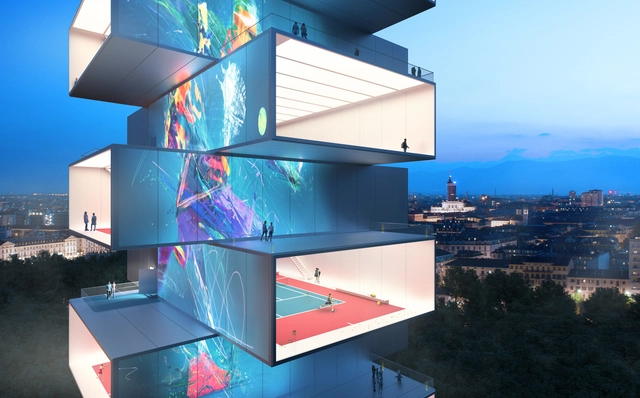
Playscraper - Tennis Tower. Image Courtesy of CRA: Gary di Silvio
Design practice CRA-Carlo Ratti Associati and architect Italo Rota designed a 300ft-tall "tennis tower" that stacks eight tennis courts on top of each other. Designed for RCS Sport, one of the major sport and media companies in Europe, the project utilizes a lightweight steel sandwich structure developed by the company Broad Sustainable Building. Dubbed the "Playscraper", the project includes 60,000 square feet of playing space.
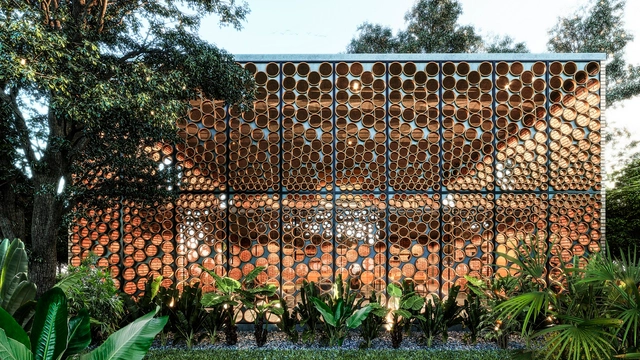
Mexico's Valle de Bravo region, to the southeast of Mexico City, is characterized by the Presa Miguel Alemán lake, created in 1947 as a reservoir for Mexico City and Toluca's water supply. Thanks to its proximity to the capital, Valle de Bravo is a popular weekend destination for residents of surrounding cities. This in turn has sparked the interest of various architects, who have aimed to create projects that enhance visitors' experience such as offering an optimal view of the lake, or an immersive experience in the surrounding forest.
Videos
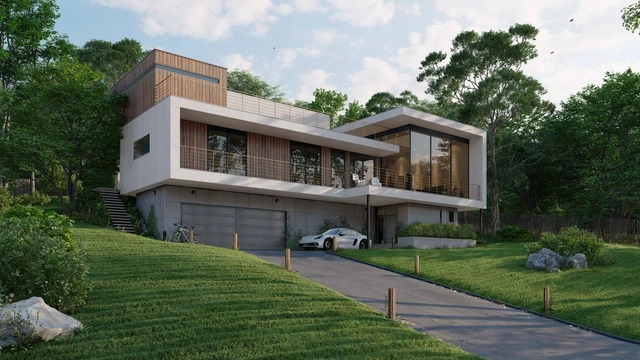
Residential exterior, rendered in Lumion 11
When it comes to architectural rendering software, Lumion makes the process of rendering an integral part of the architect's craft; it emboldens design and rendering workflows and inspires creativity. With the release of Lumion 11, realizing your design vision has never been easier. Using the new orthographic view feature, you can reduce the effort needed to create visually interesting plan and section views with your own unique twist. With animated phasing, you can show how the parts of your building connect and interact, choreographing a dialogue with the viewer.
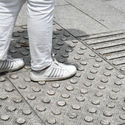
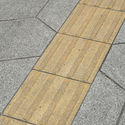
Accessibility is one of the most important considerations in architecture, ensuring that the built environment caters to people of all abilities. However, popular conceptions of what disability and accessibility look like remain limited, and often encompass only physically disabled people such as wheelchair users. Among architectural designers especially, it is common to visualize accessibility as adding ramps, wide corridors, and elevators. However, disability can take many different forms, some less visible than others; accordingly, accessibility in architecture means much more than accommodating just wheelchair users. For the visually impaired, incorporating specific tactile elements in architecture and urban design can vastly improve the navigability of a foreign space. In this article, we talk about tactile paving specifically, including its different forms, its history, and its means of implementation.
https://www.archdaily.com/952355/why-we-should-integrate-tactile-surfaces-into-architectureLilly Cao
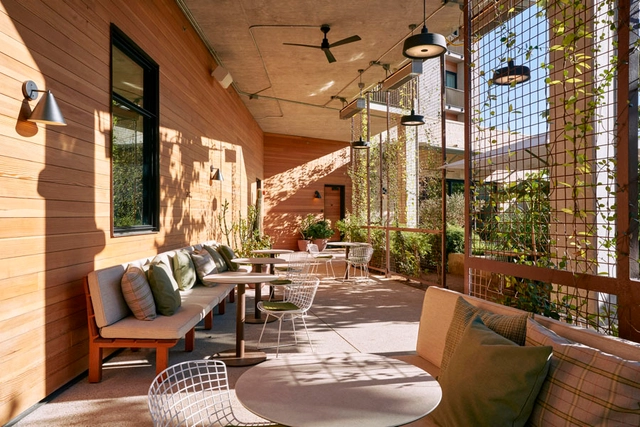
Hotel Magdalena, the latest from Bunkhouse Group, a Texas-based hospitality company known for the highly Instagrammed El Cosmico in Marfa, Texas, is an 89-room hotel that plays on Austin‘s music culture and love for lakeside living. Named after Mary Magdalene, the hotel is part of the group’s hotels that are named after Saints, neighboring the popular Hotel Saint Cecilia and Saint Cecilia Residences, which are currently under construction.
https://www.archdaily.com/952583/the-first-mass-timber-hotel-in-north-america-has-opened-in-austinLauren Jones
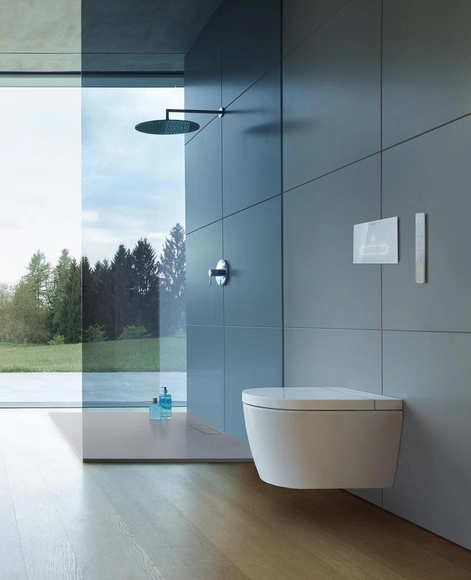
Iconic design, high quality: SensoWash® Starck f cleans gently and provides plenty of comfort with its warm air dryer and seat heating. Image via Architonic
The Philippe Starck-designed SensoWash® range of shower toilets scores highly in terms of hi-tech features and its bacteria-resistant HygieneGlaze surface – but its environmental credentials are equally as impressive.
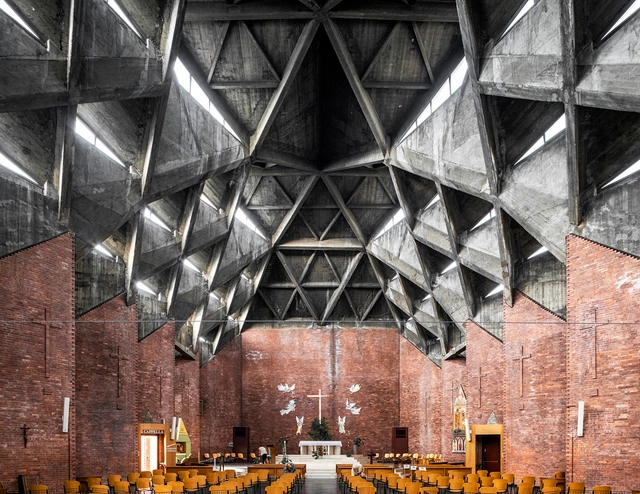
Rich in symbolism and tradition, religious architecture has always been marked by the grandiosity and extravagance of its interior spaces. For the architects and designers who created these spaces, everything from the scale, to the materials, to the lighting were tools to be used in optimizing their form and function and creating a place for users to connect with their faith.
Robert Beeny- The RIBA Silver Medal . Image Courtesy of RIBA 2020 President’s Medals
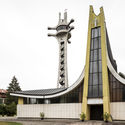
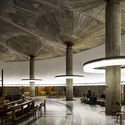
The Royal Institute of British Architects (RIBA) has just announced the winners of the 2020 President’s Medals. The annual awards for the world’s best student architecture projects, gathered in this edition, the highest number ever of entries with 336 nominations from 118 schools of architecture located in 32 countries.


















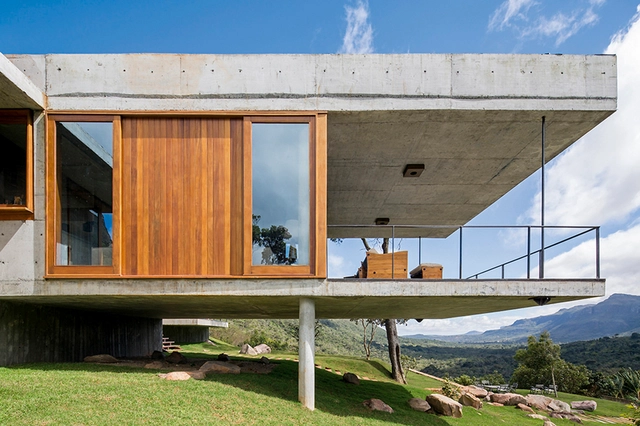


.jpg?1604935737 "House in the Blue Wild / Studio Carlito e Renata Pascucci. Image © Monica Antunes")
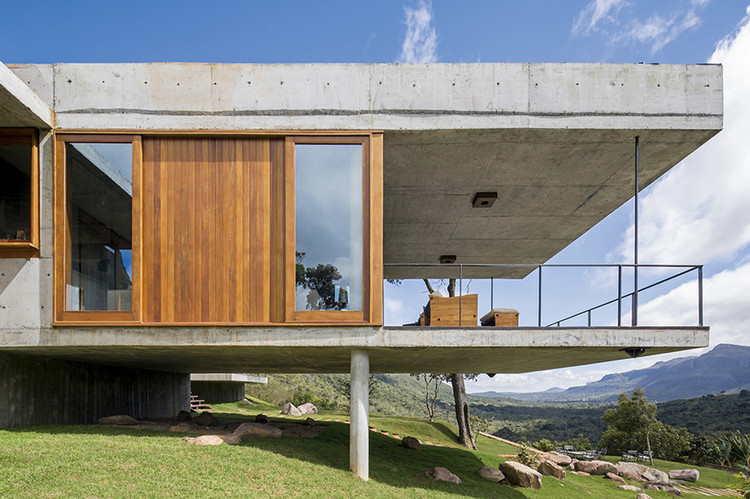




.jpg?1606909402&format=webp&width=640&height=580)
.jpg?1606909307 "Courtesy of MVRDV")
.jpg?1606909282 "Courtesy of MVRDV")
.jpg?1606909168 "Courtesy of MVRDV")
.jpg?1606909250 "Courtesy of MVRDV")
.jpg?1606909402)

.jpg?1597763267 "Terreno House / Fernanda Canales. Image © Jaime Navarro")
.jpg?1597763791 "m House / saavedra arquitectos. Image © Ricardo De La Concha")

.jpg?1597763256 "CRA House / Estudio MMX. Image © Rafael Gamo")





.jpg?1606902480&format=webp&width=640&height=580)
.jpg?1606902433 "Robert Beeny- The RIBA Silver Medal . Image Courtesy of RIBA 2020 President’s Medals")
.jpg?1606902626 "Lizzie Osborne - The RIBA Dissertation Medal . Image Courtesy of RIBA 2020 President’s Medals")
.jpg?1606902794 "Tengku Sharil Bin Tengku Abdul Kadir - The RIBA Bronze Medal . Image Courtesy of RIBA 2020 President’s Medals")
.jpg?1606902862 "Aisling Mulligan - the RIBA Awards for Sustainable Design part 2. Image Courtesy of RIBA 2020 President’s Medals")
.jpg?1606902480)