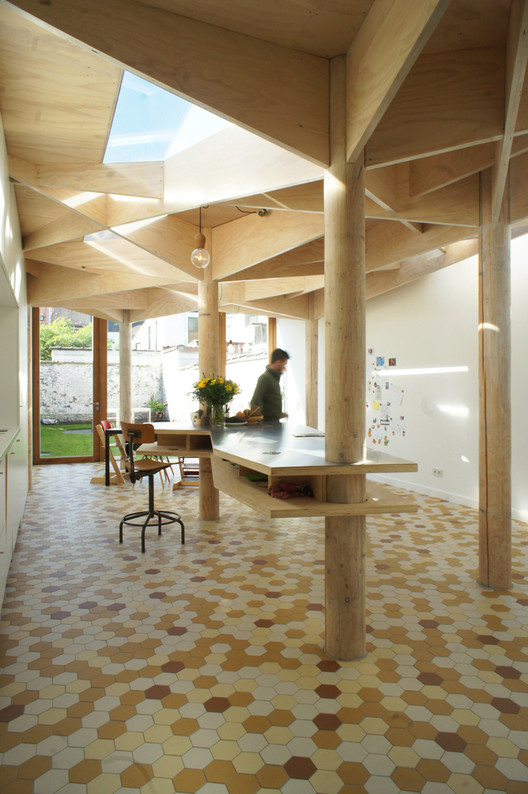
The world of architecture and construction has observed, with increasing attention, technological innovations involving wood. Although it is a material that has been widely used for thousands of years, recent research involving industrial manufacturing and machining technologies has provided even greater quality control and an increased diversity of uses, causing it to be described by many as the material of the future. To this end, common myths including wood's lack of resistance to fire and the implausibility of using it to structure tall buildings have been debunked.
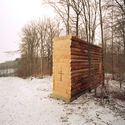
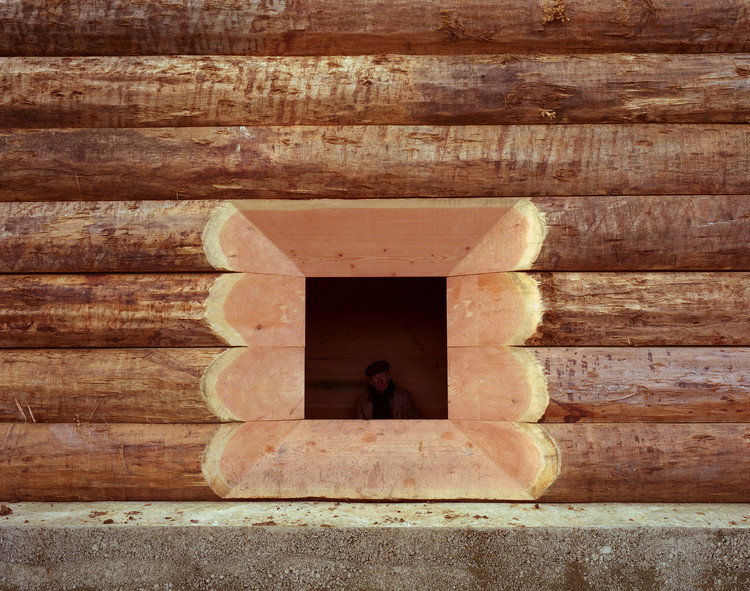

But forms of construction with more built-in technology can coexist with simpler ones. Log wood is a material that lasts for long periods of time and sports important advantages. The oldest wooden buildings were made of log wood, using trunks or branches of trees in their entirety. By eliminating most of the cuts, a large part of the energy used and waste generated during the process of construction is reduced, from the energy use of extraction to the waste that comes with the construction of typical parts such as beams, rafters, ceilings, floors and sheets.

Due to the full use of the log, these wood pieces tend to have strong mechanical resistance, since the longitudinal fibers are not cut and interrupted as in sawed wood. The cutting of trees of different ages also makes it possible to use small-diameter pieces for selective applications, which could be discarded in other cases. Another important aspect that is relevant to sustainability is that, generally, the species of tree used for log wood structures come from reforestation, whose younger trees tend to capture larger amounts of CO2 to help photosynthesis, contributing positively to the reduction of the greenhouse effect.

However, some precautions must be taken when working with natural, raw parts, especially in relation to joints and fittings, which should always provide more space for the part to function. Connections are usually made with metal pins (nails or screws) or dowels or connectors (metal rings or metal plates). Additionally, the wood must be dry, below the fiber saturation point. Even so, there is always the possibility of cracking the piece due to natural drying processes or shrinkage. Finally, considering the proper finish is always essential when working with natural materials. In general, however, log wood does not require specialized labor for its handling and construction.
Below are a selection of architecture projects published on ArchDaily that use log wood structures:
Boolean - Casa dos Pássaros / Phoebe Says Wow Architects
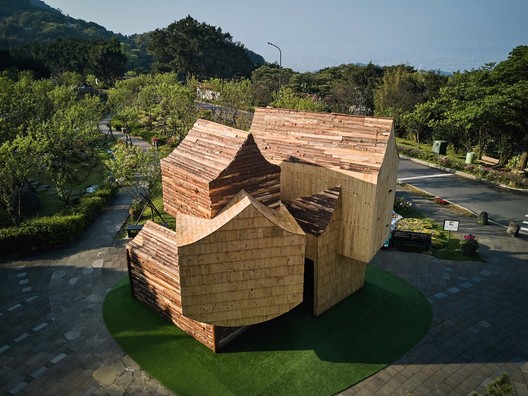
Casa Pinho / Canalli Arquitetura
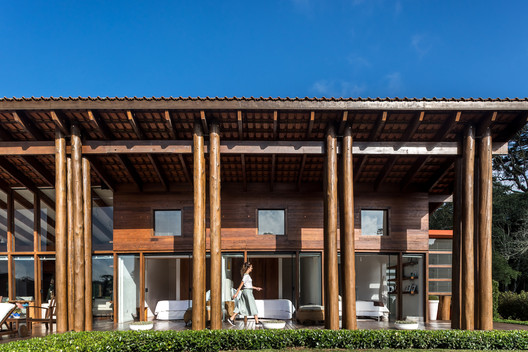
Casa AA / Argus Caruso - arquitetura e construção
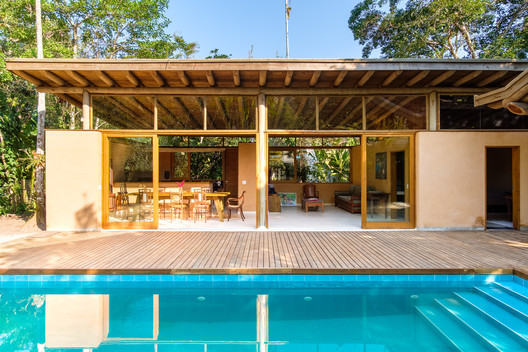
Barn Rehabilitation in a House / G+F Arquitectos
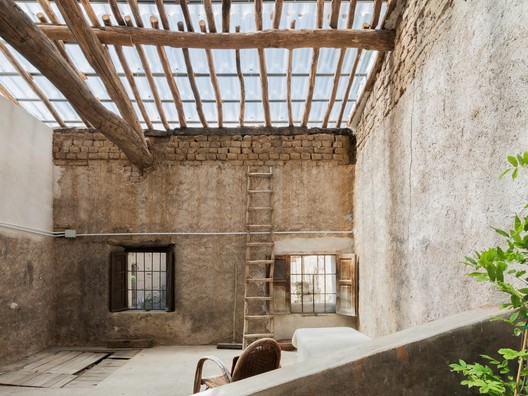
Casa Angra dos Reis / Cadas Arquitetura

Casa das piscinas naturais / David Bastos
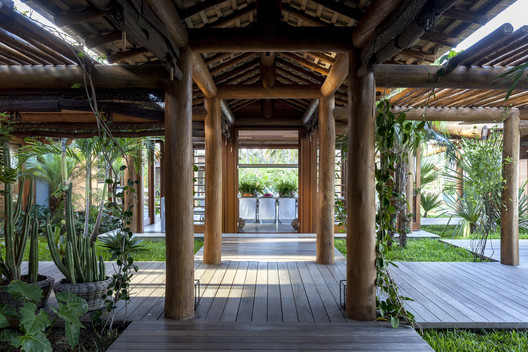
Dortmannhof House / Sigurd Larsen
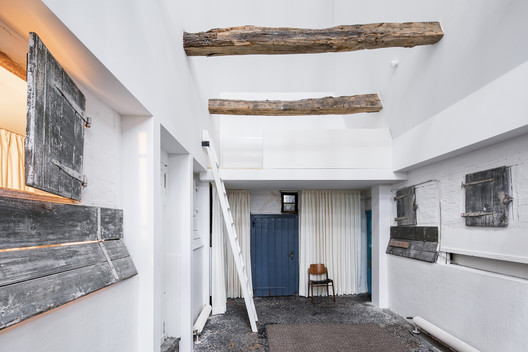
Casa OSA / OBRA Architects

Residência Cave Canem / Juliano Barros Arquiteto

Casa dos Nômades / Mareines Arquitetura

Capela de Madeira / John Pawson

Loja Zak Ik / Roth-Architecture

Ello Restaurante / Mareines Arquitetura
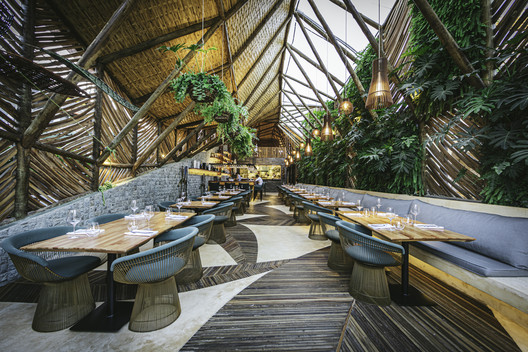
Hans & Delphine / Atelier Vens Vanbelle