

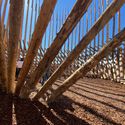
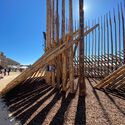
The 17th Venice Architecture Biennale invited architects to ponder the question “How will we live together”, eliciting a variety of answers, readings and interpretations. The International Exhibition unfolding in Giardini, the Arsenale and Forte Maghera presents 112 participants in the competition, coming from 46 countries, whose contributions are organized into five scales: Among Diverse Beings, As New Households, As Emerging Communities, Across Borders, and As One Planet. Answering “How will we live together as a community? “ is Chilean office ELEMENTAL and Archdaily met in Venice with Alejandro Aravena to discuss the idea behind the project KOYAÜWE, which creates a space that recovers the tradition of parleys, as a means to address the historical Chilean-Mapuche conflict.
News
"We are Not the Protagonists, Architecture is Just the Background": In Conversation with Alejandro Aravena


.jpg?1623242708)
Urban Heat Islands Are Increasingly Dangerous, But Planners and Designers Have Solutions
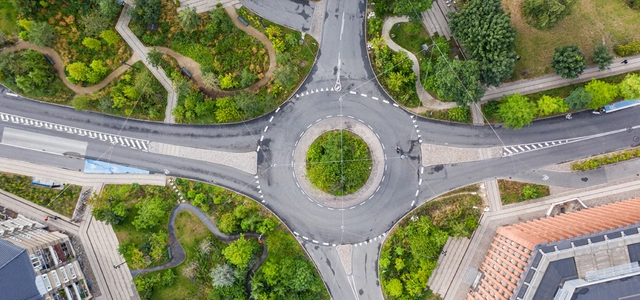
For this month, The Dirt and author Jared Green share with us a study about urban heat islands, exploring new approaches that have been designed to both reduce urban temperatures and help communities adapt to a hotter world, In three cities: New York City, Copenhagen, and Abu Dhabi.

No More Waste: 10 Ways to Incorporate the Circular Economy into an Architectural Project
.jpg?1620086762&format=webp&width=640&height=580)
A circular economy is an economic system aimed at eliminating waste and the continual use of resources. Looking beyond the current take-make-waste extractive industrial model, a circular economy aims to redefine growth, focusing on positive society-wide benefits. It entails gradually decoupling economic activity from the consumption of finite resources and designing waste out of the system. Underpinned by a transition to renewable energy sources, the circular model builds economic, natural, and social capital.
It is based on three principles:
- Design out waste and pollution.
- Keep products and materials in use.
- Regenerate natural systems.
Zaha Hadid Architects to Design New Italian Hyperloop
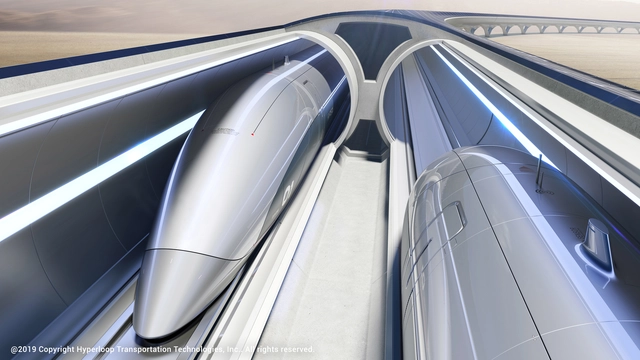
Zaha Hadid Architects is collaborating with Hyperloop Italia to co-design the next phase of works of the transport vehicles, marking a turning point for the future of transportation. The collaboration aims to merge transformative architecture, engineering, and urban planning with the most efficient and sustainable transport network to improve accessibility, connectivity, and well-being in cities.
Elevating Spaces from Ordinary to Sublime with Chain Curtains

Turning an interior space from a standard room into an artistic product is no easy feat. Careful consideration must be paid to the textures, colors, and all other elements of design when striving to create a balance of visual intrigue and pleasurability.
KPF Reveals Design for New Office Tower in Manhattan
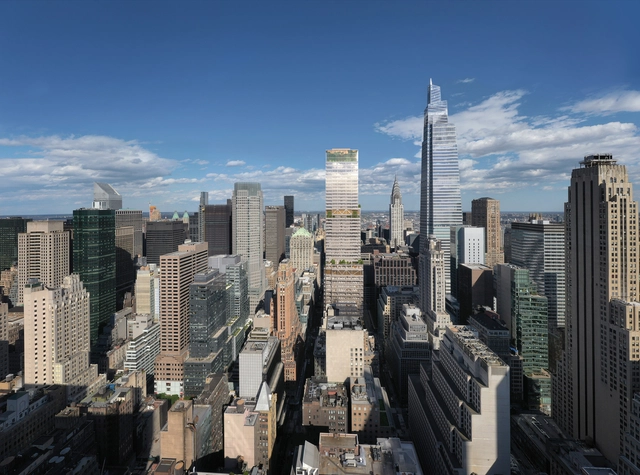
After completing One Vanderbilt, the tallest office building in New York, Kohn Pedersen Fox Associates has unveiled plans for a new skyscraper in Midtown Manhattan. The 320-metre high office tower at 343 Madison Avenue makes the most out of its relatively small plot and the silhouette mandated by the New York City zoning laws, featuring a series of receding volumes that leave a way to gardens and terraces at different levels. When completed, the project will also create an important new transit entrance to the Long Island Rail Road and the Grand Central Complex.
Cyclopean Concrete and Its Many Diverse Uses and Applications in Architecture
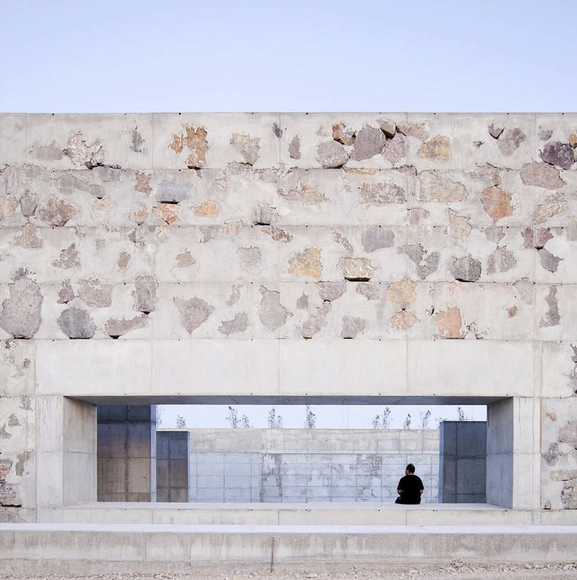
Historically, "cyclopean" referred to a building technique that superimposed large stone blocks together without any mortar. This allowed for a diverse array of structures across various civilizations, including defensive walls, talayots, navetas, nuraghes, temples, tombs, and forts. Nowadays, the term applies to any ancient structure consisting of large stones superimposed to form a polygonal shape.
"The Profession is in Dire Straits": GLUCK+ on the Future of Architecture and Design-Build
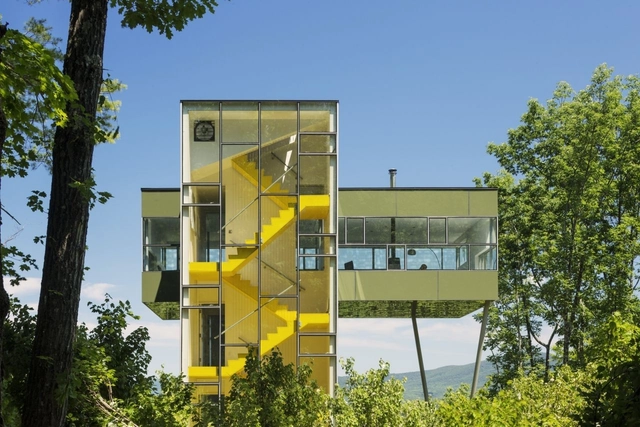
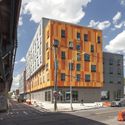
Architecture is inherently tied to building and construction. When these processes are aligned, great structures take shape. For architecture, construction and development firm GLUCK+, design and building go hand-in-hand. From designer and builder to owner and developer, the practice has taken on diverse roles to bring innovative projects to life. Looking to the future, Principal Thomas Gluck explores how the firm is creating work in New York City and across the United States.




"I Wanted to Dance Here!": In Conversation with Antoine Predock about Bahías, a Community of 13 Houses in Costa Rica
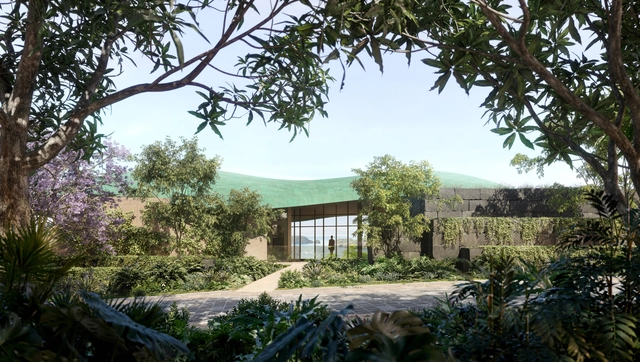
Vladimir Belogolovsky speaks with Antoine Predock about the soon-to-be-built Bahías, a community of 13 houses in Costa Rica, inspired by a vision of manmade foliage.



Will Robots Ever Replace Architects? Why Designs of the Future Won't Ever be Fully Automated
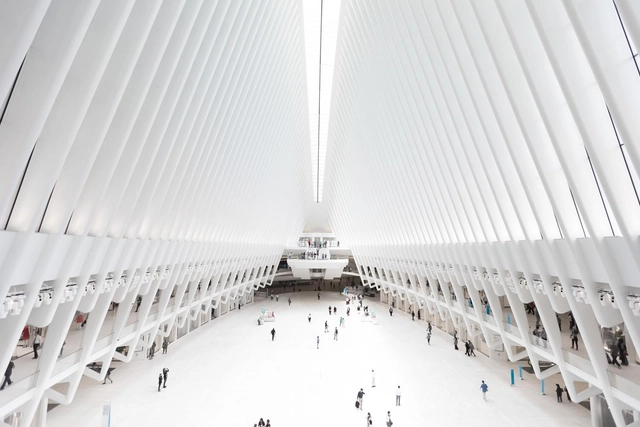
Architecture and automation are two concepts that in the modern era of design and technological advancements go hand in hand- or do they? On one end, there’s a slight fear that “robots will replace designers”, making the profession more automated, and less creative. On the other, technology has made the practice of architecture more efficient in terms of process and cost. How far will technology take us, and will your job ever be lost to technology? The short answer is, probably not.
"Dissecting the Politics and Mechanics of Institutions": In Conversation with Russian Pavilion Curator Ippolito Pestellini Laparelli at the 2021 Venice Biennale
To answer the Biennale's question of "How Will We Live Together", curators of the national pavilions explored what the future would look like in an architectural, cultural, and environmental context. Many saw the future as an entirely virtual environment whereas other highlighted the cruciality of physical coexistence with neighbors. ArchDaily met with Ippolito Pestellini Laparelli, curator of the Russian Pavilion, to discuss how the idea of the pavilion came together throughout the year as a virtual platform for interdisciplinary creative thinkers, the role of cultural institutions across physical and digital spaces, and how digitalization is always part of the conversation.


Past, Present and Future: Brick Architecture in Texas, Kansas, and Illinois
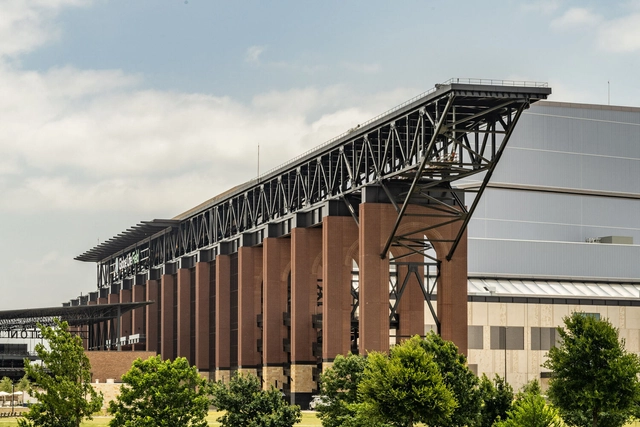
Today, architects and builders have a multiplicity of options when it comes to specifying their cladding materials, having to balance their design vision with the user's requirements. In addition to the aesthetics and character of the chosen product, it is always important to verify its durability, low maintenance and long-term sustainability. The brick, widely used throughout the world, is not only recyclable and highly resistant to threats such as fire, wind and moisture, but also presents great ease of use, low cost, and high versatility in terms of sizes, shapes, colors and textures.
Showcasing the flexibility of the material, Heartland Brick has selected six notable and award-winning brick projects located in Texas, Kansas, and Illinois, ranging from its most classical use in arches and columns to its most modern and minimalist application, including an impressive mural of sculpted bricks. A lasting legacy for its designers and citizens, and an ongoing inspiration for the contractors and architects of the future.
Herzog & de Meuron to Convert Former San Francisco Power Plant into Mixed-Use Project
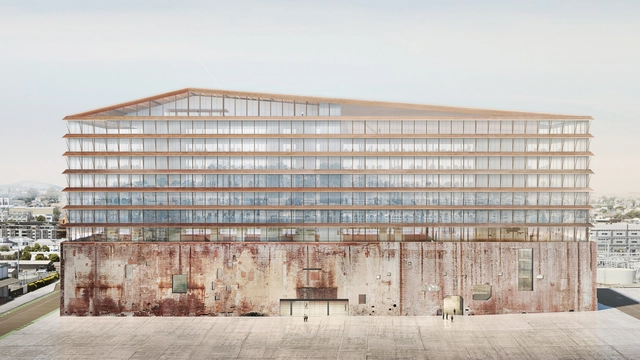
Construction work began for Herzog & de Meuron’s transformation of a former power plant building in San Fransico into a mixed-use project. Designed in collaboration with California-based practice Adamson Associates, the adaptive reuse of iconic Station A is part of the Portrero Power Station project, the redevelopment of a 29-acre industrial site into an extension of the Dogpatch neighbourhood. Herzog & de Meuron’s design retains and repurposes various features of the industrial building while adding a lightweight, steel-framed structure on top, thus giving new life to one of San Francisco’s landmarks.
Modular Components in Industrial Architecture
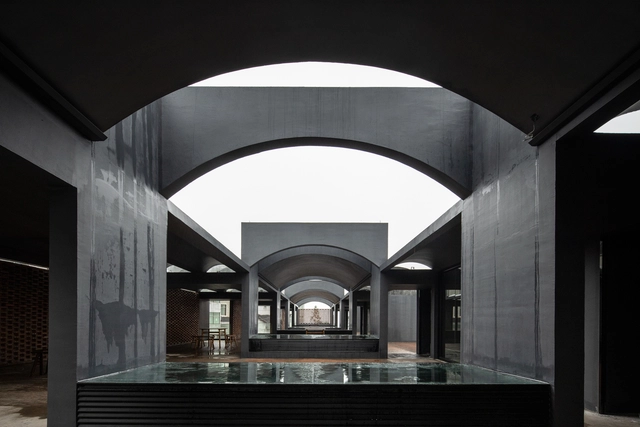


Industrial architecture usually requires fast installation, low-maintenance components, and flexible spaces that can be used for different purposes. Therefore, modular solutions are very common in this type of construction, also adding a powerful visual language to the building.
5 National Pavilions at the 2021 Venice Biennale that Explore Sustainability and Climate Change
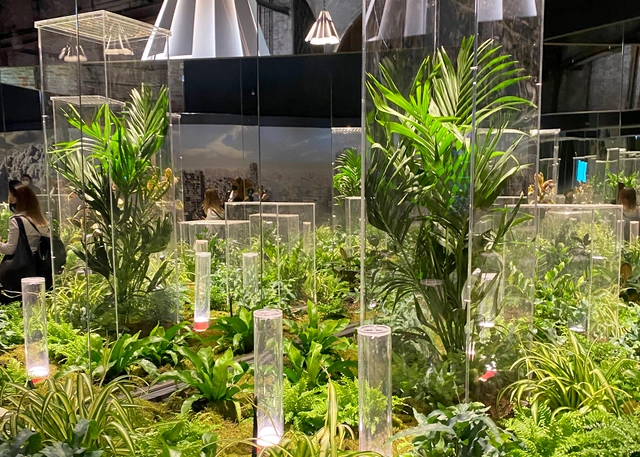
The 17th Venice Architecture Biennale is currently unfolding, revealing a wide range of answers to the question "How will we live together". With 60 national pavilions, numerous contributions of invited architects from all around the world and several collateral events, this year's edition restates the Biennale's role as a platform for inquiry, exploration, and disruptive thinking in architecture. Curator Hashim Sarkis' original statement called upon architects "to imagine spaces in which we can generously live together." Recent circumstances have made the question even more relevant, prompting a holistic re-evaluation of how the world as a collective can face changes and challenges of an unprecedented scale from the disrupting role of technology, to inequality, mass migration and climate change. The following national contributions reflect on "how will we live together" amidst climate change, exploring ideas for a more sustainable future.
OMA Will Build Out the First American Pompidou Center in Jersey City
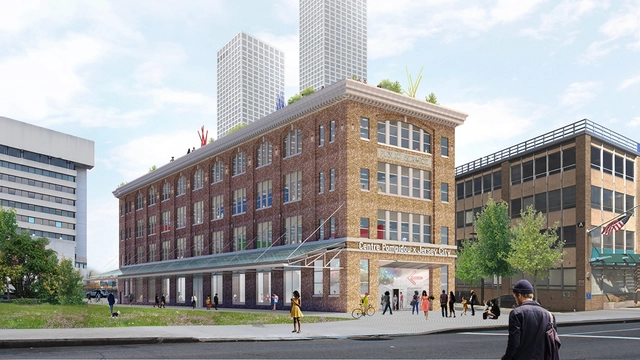
Three years after OMA was selected by the Jersey City Redevelopment Agency (JCRA) to design a new museum in Journal Square, the city’s downtown hub, it was revealed this morning that the building would be home to none other than the Pompidou Center’s first North American satellite: The Centre Pompidou × Jersey City.



Neurodiversity and Biophilia: the Future of the Workspace in the Post-Pandemic Era
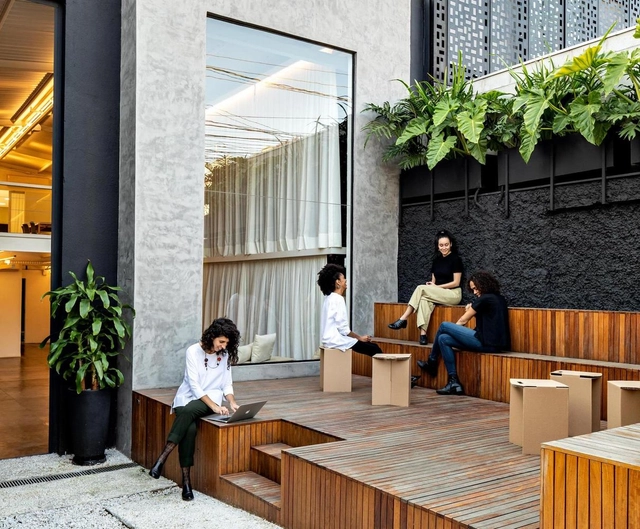
The Coronavirus pandemic demanded new needs and significant changes in our lives: in relationships, at work, in consumption habits, in increasing inequality. Indeed, the theme of workspaces came up in a historical moment when people saw their own freedoms limited for the first time in the postmodern era.
Most people were forced to work from home, and since the beginning of quarantine, reflection on the future of workspaces has become inevitable. Some interesting data show that the Coronavirus only boosted a practice that had been consolidating for years in some countries. According to the Global Workplace Analytics e FlexJobs, between 2005 and 2015, the number of professionals in the United States who do at least 50% of their work from home or elsewhere outside their offices grew by 115%, and today that number reaches 4.7 million, 3.4% of the strength of the job.


“When You Enter Architecture You Enter Another World” in Conversation With Kengo Kuma
Talking to the Louisiana Channel, iconic Japanese architect Kengo Kuma discusses the many influences that have shaped his work - and also delves into the impact that the ongoing pandemic has had on the architectural field. In the interview, Kuma describes how influential his early upbringing was to his architectural career. Growing up in a small wooden house in the 1950s - originally built in 1942, would go on to guide his architectural perchance of using wood in his projects. Kuma also mentions Japanese architect Kenzu Tange as a key inspiration and cites Tange's Yoyogi National Gymnasium - constructed for the 1964 Summer Olympics in Tokyo - as a project that would influence him towards an architectural career.

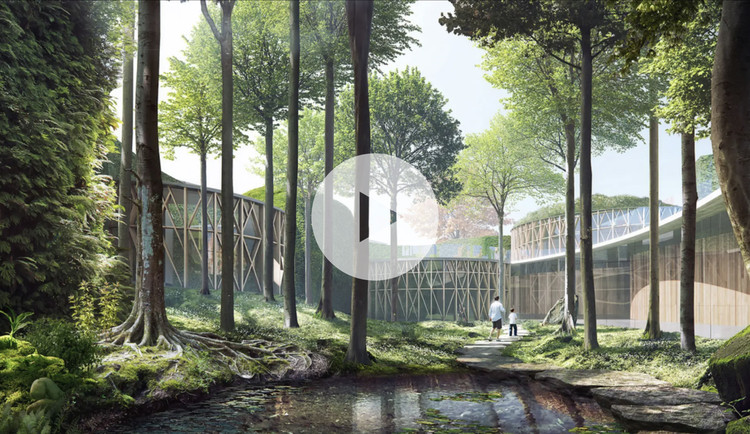
Fire and Architecture: How Fire Shapes the Design of Buildings
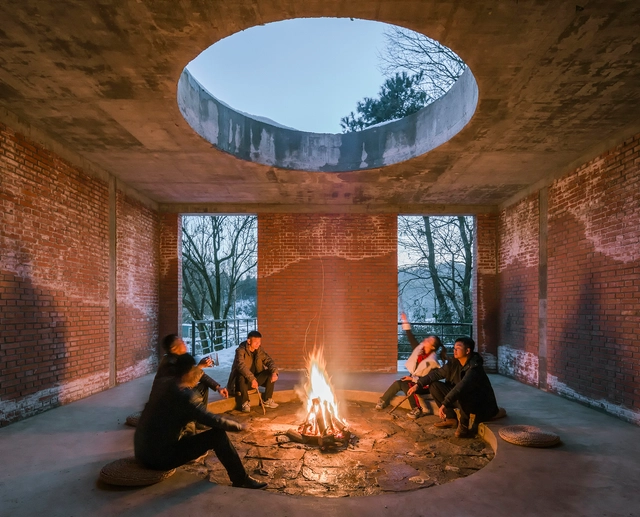
Fire is an important consideration in the design of buildings. From material assemblies, to room layouts, to egress, and fire suppression systems, fire is a powerful force shaping the spaces we inhabit. This video talks about some of those factors while the host, Stewart Hicks, builds a campfire at a cabin in Northern Michigan. Over the course of choosing logs, building, lighting, and enjoying the fire, he breaks down how the construction of buildings relates to principles of constructing a good campfire. He covers theories by Gottfried Sempter, the evolution of fire in the home, considerations in wood frame construction, Bernoulli’s Principle, fire suppression systems, and much more. Grab a seat, bring ingredients for making s’mores, and enjoy some fun fire facts.
Transcending Cultural Boundaries: 10 Contemporary Art Museums in China
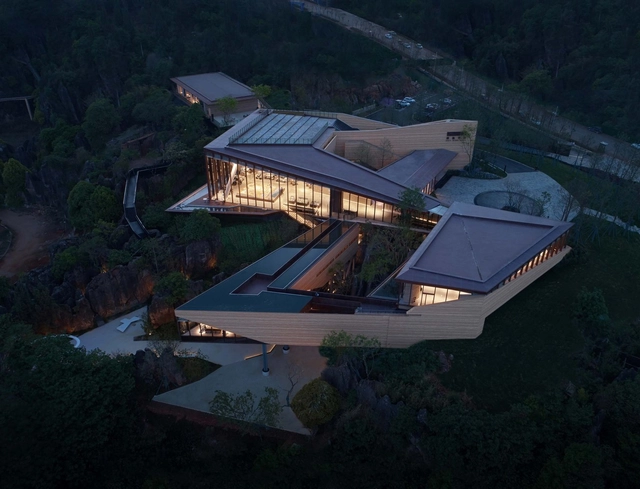
Ever since the period of the Renaissance in Europe, the indivisible relationship between art and architecture has long been heatedly discussed and vividly reflected in numerous classical books and buildings. With the deep connection that unites art and architecture together, designers, artists, and architects have been actively collaborating and came up with solutions on how we can house and exhibit art in the form of changing spaces.
The Restroom Pavilion at the 2021 Venice Biennale Displays how Restrooms are Political Battlegrounds
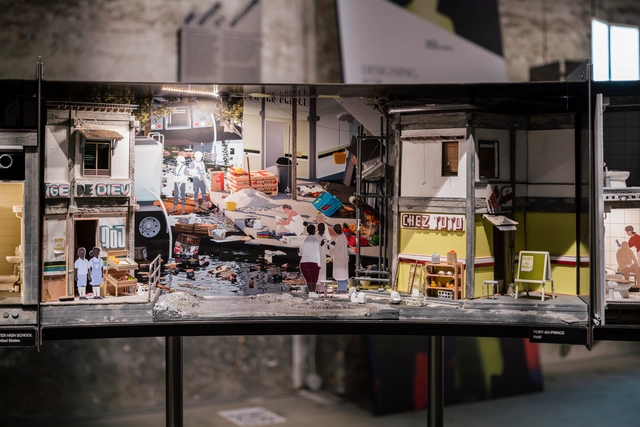
"When we enter the restroom, we are never alone. Instead, we are entangled in a network of bodies, infrastructures, ecosystems, cultural norms, and regulations". Although restrooms are often overlooked facilities that cater to the needs of individuals, they are, however, spaces where gender, religion, race, hygiene, health, and the economy are defined and expressed. For the 17th International Architecture Exhibition at La Biennale di Venezia, Matilde Cassani, Ignacio G. Galán, Iván L. Munuera, and Joel Sanders designed two pavilions that exhibit how restrooms are political architectures, serving as battlegrounds for the world's disputes.





Cobe Wins Competition for Gothenburg University Library with Book-Inspired Design
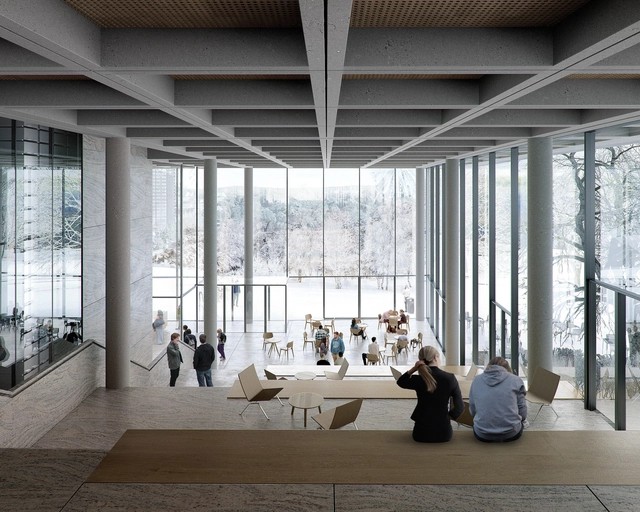
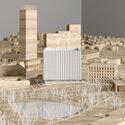
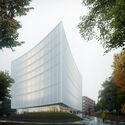
Cobe’s winning design for the new library of the University of Gothenburg proposes a light, clean volume, whose slightly curved facades are a nod to the pages of an open book. The Danish architecture studio translates the concept of knowledge as the heart of a library into the interior spatial configuration of the project, while the architectural image evokes the idea of a lighthouse. Featuring a transparent and open ground floor, the new repository of knowledge creates a strong connection with the surrounding park, becoming a mediator between the city and the university.

Participatory Architecture: Community Involvement in Project Development
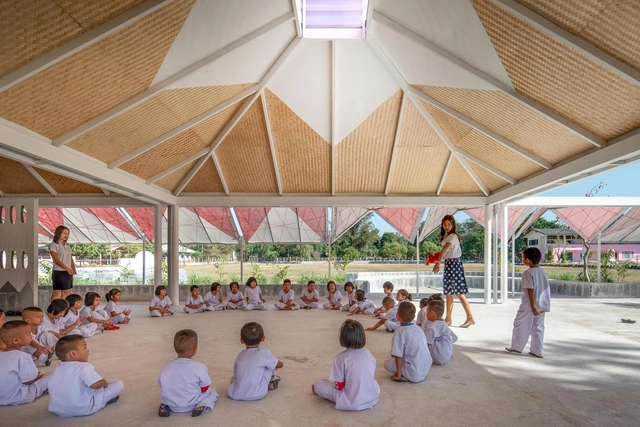
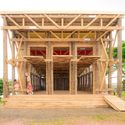
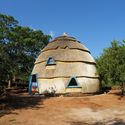

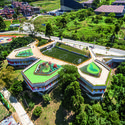

When designing community spaces, the architectural concept can easily clash with the user's experience. Therefore, engaging the community and future users in the project development and design process is a way of adding different perspectives to the architect's vision towards a more intelligent architecture.