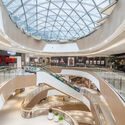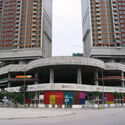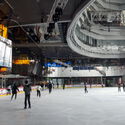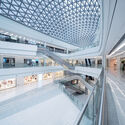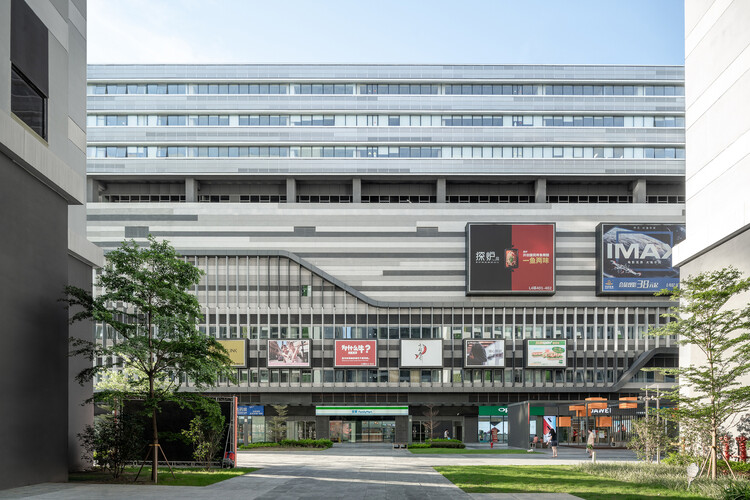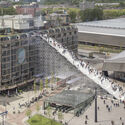
In many Asian cities, the summer climate can increasingly be experienced from a distance. In Hong Kong, it is possible to move from an apartment tower through a podium mall, enter the Mass-Transit-Railway system (MTR), arrive beneath another commercial complex, and continue through enclosed footbridges or underground passages while encountering remarkably little of the atmosphere outside. Heat, humidity, rain, and seasonal variation remain present, but they can be largely bypassed through a continuous network of conditioned interiors.
Over several decades, air-conditioning has expanded from a technology for cooling individual rooms into an infrastructure capable of producing an alternative urban environment. This has been particularly visible in parts of East Asia and South East Asia, where transit-oriented development frequently combines railway stations, shopping centres, housing, offices, and other everyday services within interconnected complexes. The Railway plus Property model has helped institutionalize this relationship between transport and development, creating districts where movement through the city is often inseparable from movement through privately managed interiors.