
Seoul: The Latest Architecture and News
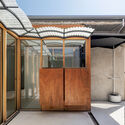
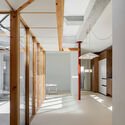

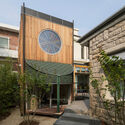
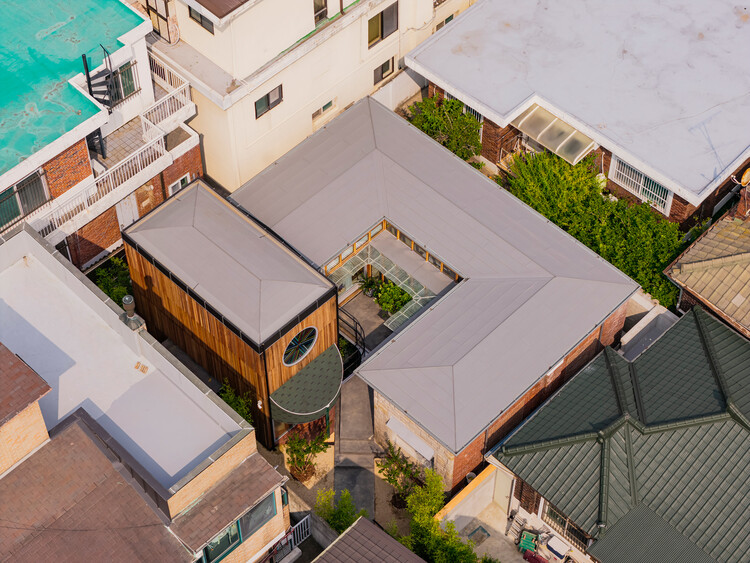
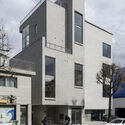
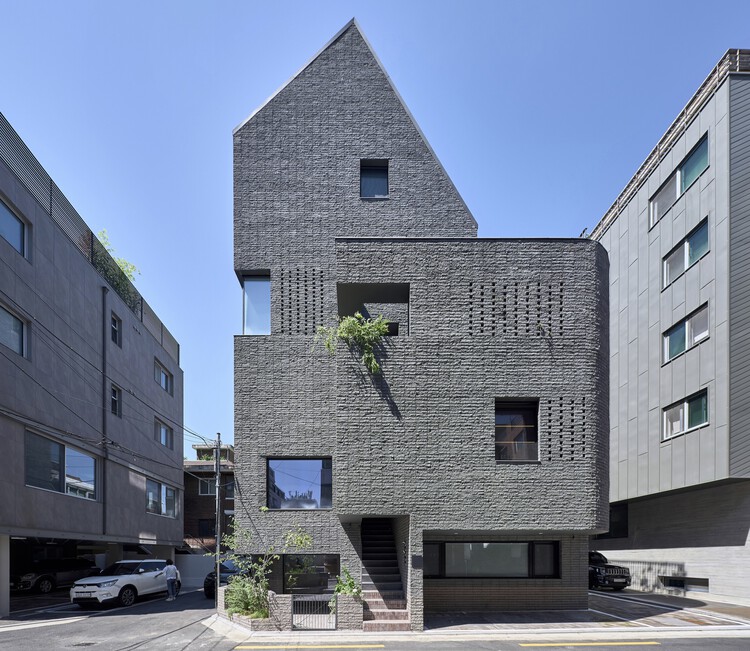
Dookkuubi Jib Toad House / NOMAL + ONJIUM Housing Studio


-
Architects: NOMAL, ONJIUM Housing Studio
- Area: 92 m²
- Year: 2026
https://www.archdaily.com/1184854/dookkuubi-jib-toad-house-nomal-plus-onjium-housing-studioMiwa Negoro
Achime Bagel Store / JOJOWORKSHOP



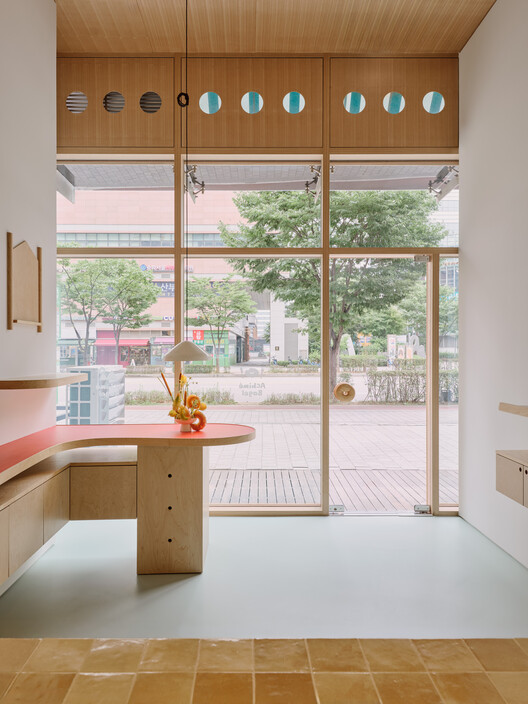
https://www.archdaily.com/1183424/achime-bagel-store-jojoworkshopPratik Mour
Junohair Sung-Su 2nd Salon / TYPE S





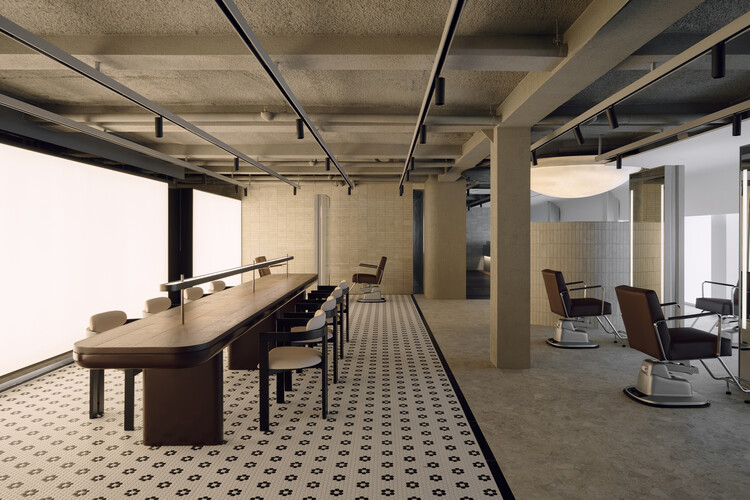
https://www.archdaily.com/1183252/junohair-sung-su-2nd-salon-type-sPratik Mour
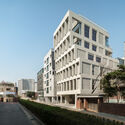
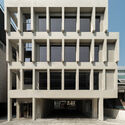
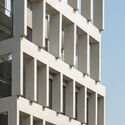
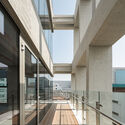
HOURS Commercial Building / See Architects

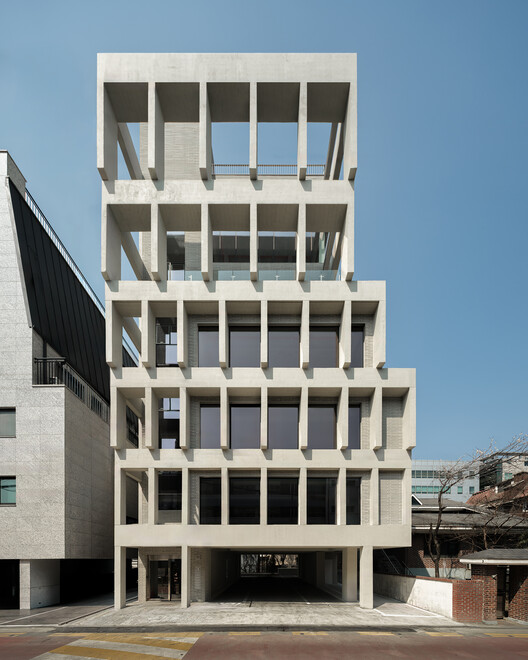
-
Architects: See Architects
- Area: 950 m²
- Year: 2026
https://www.archdaily.com/1182396/hours-commercial-building-see-architectsPratik Mour
Micro-Ecosystems: South Korea's Answer to High-Density Mixed-Use Living
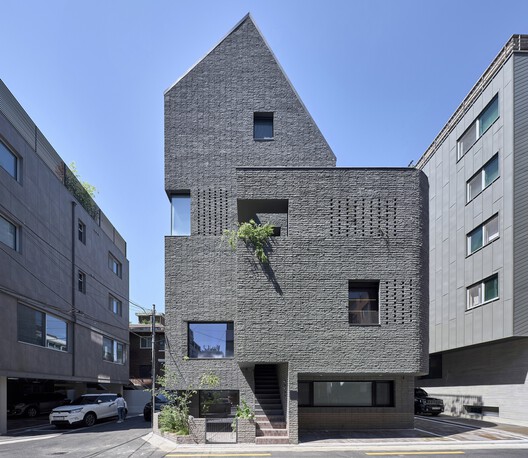
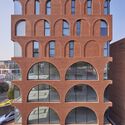
With over 80% of its population living in urban centers and a national density exceeding 500 people per square kilometer — soaring to over 15,000 in Seoul — South Korea faces intense competition for usable land. In response, contemporary Korean architecture offers compelling examples of mixed-use interventions that negotiate tight urban lots to blend public engagement with high-efficiency utility. By vertically stacking distinct programs, integrating public art centers, corporate headquarters, and commercial hubs alongside residential and other functions, these multi-layered developments transform spatial constraints into dynamic urban interfaces.
https://www.archdaily.com/1182297/micro-ecosystems-south-koreas-answer-to-high-density-mixed-use-livingSusanna Moreira
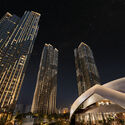
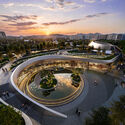
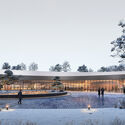
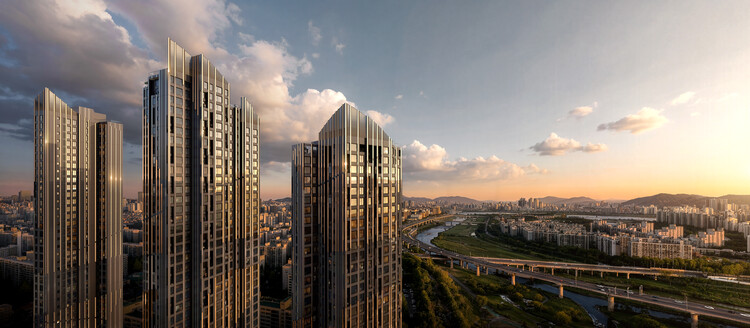
Studio Libeskind Designs New High-Density Residential Towers in Seoul

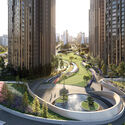
Studio Libeskind, in collaboration with HJ Design Partners and Seoul-based SAMOO Architects & Engineers, has designed a new high-density residential development in Seoul, South Korea. The Daechi Ssangyong 1 Redevelopment Project replaces an existing five-building, 630-unit complex in Daechi-dong, Gangnam-gu, with six new residential towers up to 49 storeys tall and nearly 1,000 housing units. The project is being developed for the Daechi Ssangyong 1 Redevelopment Union by Samsung C&T, with construction expected to begin in 2027 and be completed in 2030.
https://www.archdaily.com/1148691/studio-libeskind-designs-new-high-density-residential-towers-in-seoulAntonia Piñeiro
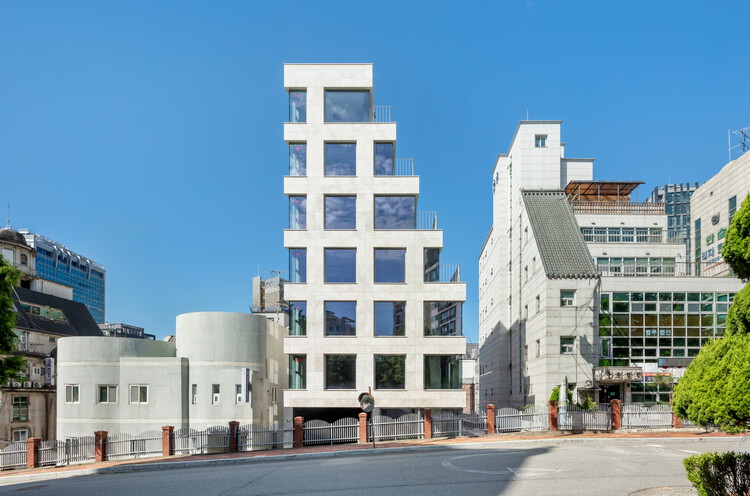
YP Building / Simplex Architecture

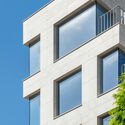
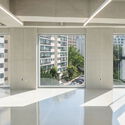
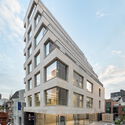
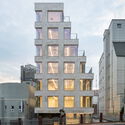
-
Architects: Simplex Architecture
- Area: 1120 m²
- Year: 2025
https://www.archdaily.com/1042818/yp-building-simplex-architectureMiwa Negoro
Hapjeong Artplex Mixed-use Facility / NOTNOT Architects

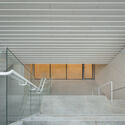
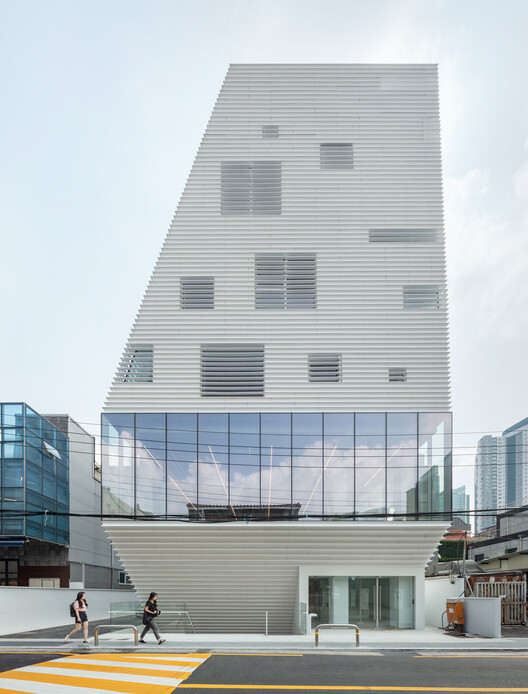
-
Architects: NOTNOT Architects
- Area: 1802 m²
- Year: 2024
-
Manufacturers: FILOBE
https://www.archdaily.com/1042675/hapjeong-artplex-mixed-use-facility-notnot-architectsPratik Mour
Floating Ground: A Landmark that Disappears / YZA

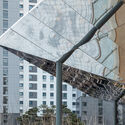
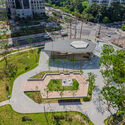
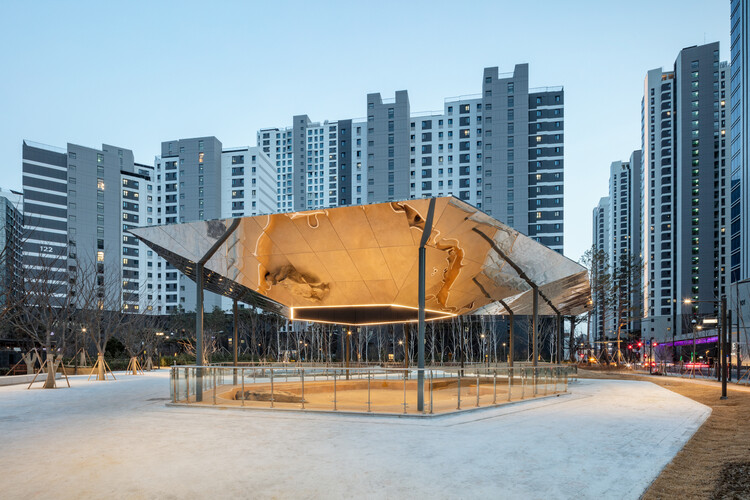
https://www.archdaily.com/1042196/floating-ground-a-landmark-that-disappears-yzaMiwa Negoro
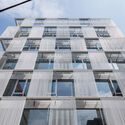
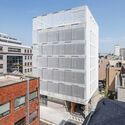
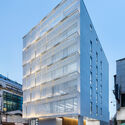
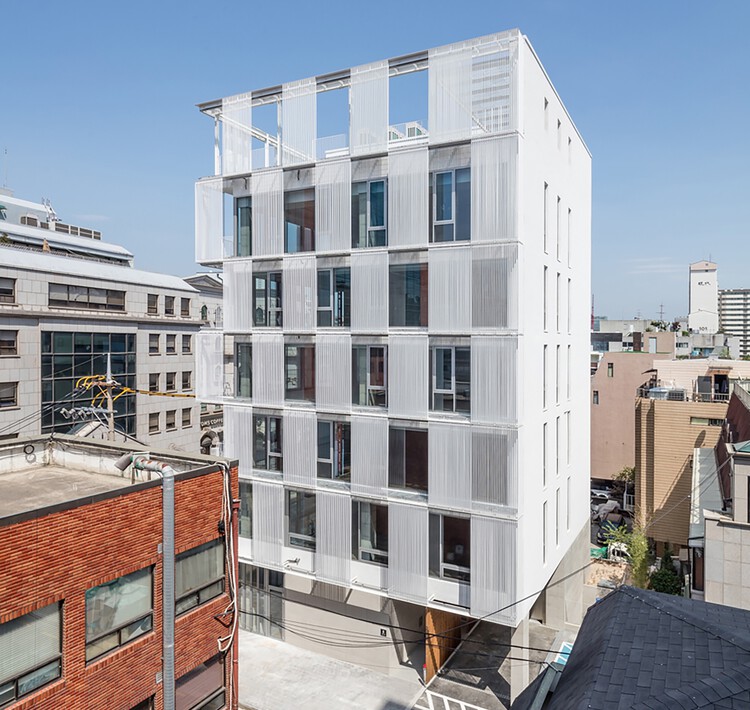
Metal Curtain Building / Hyunjoon Yoo + Partners

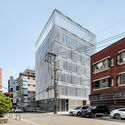
-
Architects: Hyunjoon Yoo + Partners
- Area: 2658 m²
- Year: 2023
https://www.archdaily.com/1041924/metal-curtain-building-hyunjoon-yoo-plus-partnersMiwa Negoro
3D Building / FHHH friends

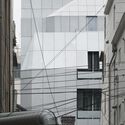
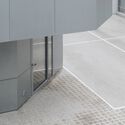


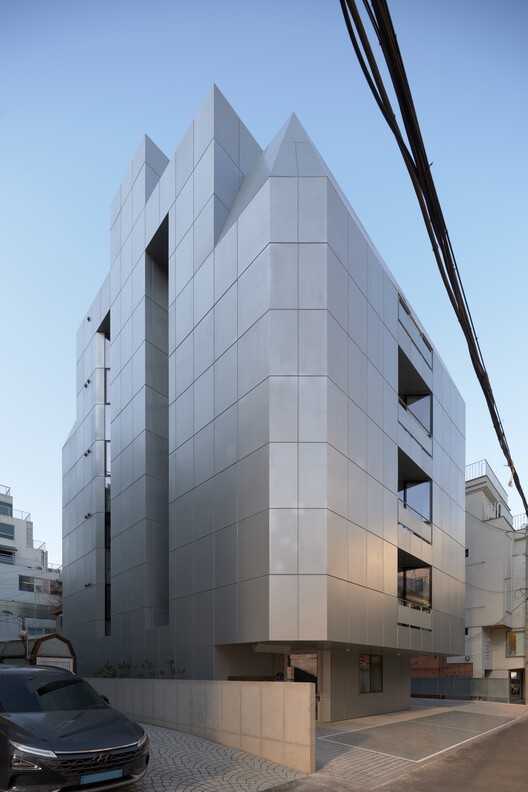
-
Architects: FHHH friends
- Area: 1270 m²
- Year: 2026
https://www.archdaily.com/1041724/3d-building-fhhh-friendsMiwa Negoro
Junohair Yangjae 1st / TYPE S

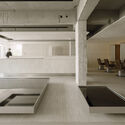
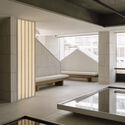
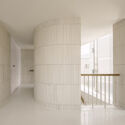
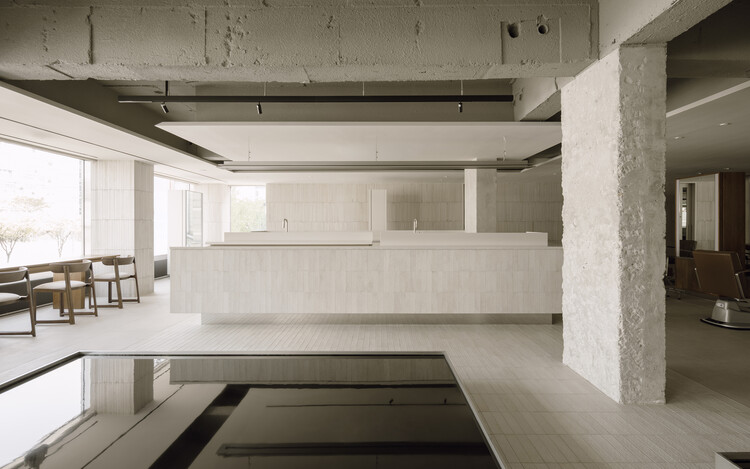
https://www.archdaily.com/1041516/junohair-yangjae-1st-type-sMiwa Negoro
The Productive Clash: Heritage Interiors, Contemporary Projects, and the Value of Imperfection

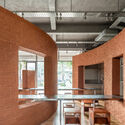
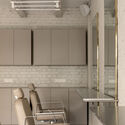
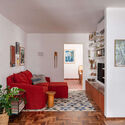
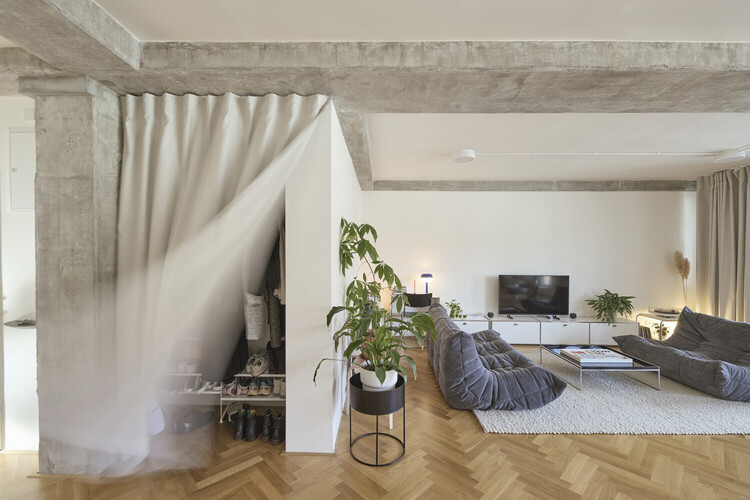
Heritage, in interiors, is increasingly rarer to be only a matter of preservation alone. More often it arrives as friction: the encounter between what a building already is—its plan logic, its scars, its structural inconsistencies—and what contemporary life demands of it.
Some of the most convincing projects today are not those that "restore" an interior back to a single moment, nor those that erase the past under a seamless new skin. They are the ones that stage a relationship between old and new—allowing contrast to do more than tell a story, and letting the clash become a pragmatic tool for construction, budget, and speed.

https://www.archdaily.com/1041461/the-productive-clash-heritage-interiors-contemporary-projects-and-the-value-of-imperfectionJonathan Yeung
Reinterpreting a 50-Year-Old Building in Myeongnyun-dong / sukchulmok + BRBB Architects

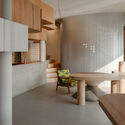
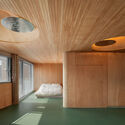

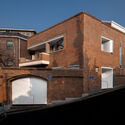
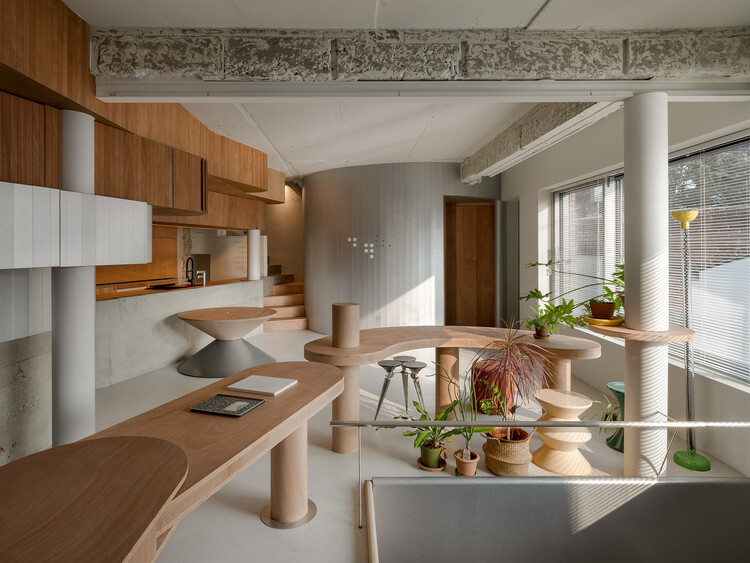
-
Architects: BRBB Architects, sukchulmok
- Area: 195 m²
- Year: 2026
https://www.archdaily.com/1041142/reinterpreting-a-50-year-old-building-in-myeongnyun-dong-sukchulmok-plus-brbb-architectsMiwa Negoro
SSOC Dining / DESIGN2TONE

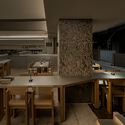
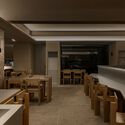
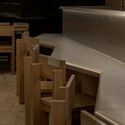
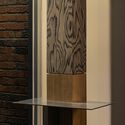
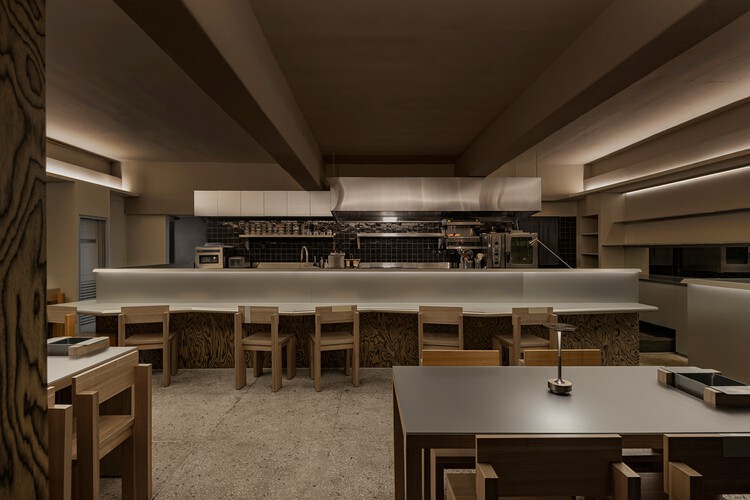
-
Architects: DESIGN2TONE
- Area: 109 m²
- Year: 2025
https://www.archdaily.com/1041121/ssoc-dining-design2toneMiwa Negoro
AFER Hangang / Hyunjoon Yoo + Partners

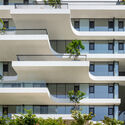
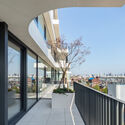
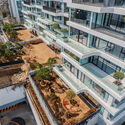
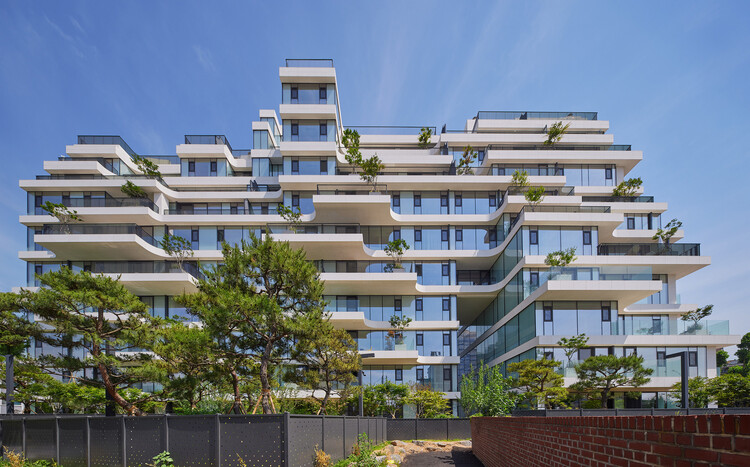
-
Architects: Hyunjoon Yoo + Partners
- Area: 16028 m²
- Year: 2024
-
Manufacturers: Eagon
-
Professionals: HYUNDAI E&C, WONWOO ENG, JUNGDO, DAEHYE, Hnc Construction Institute, +1
https://www.archdaily.com/1040863/afer-hangang-hyunjoon-yoo-plus-partnersPilar Caballero
What Textiles and Translucency Bring to Public Space: 5 Lightweight Interventions

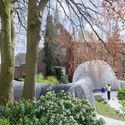
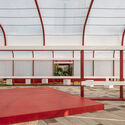
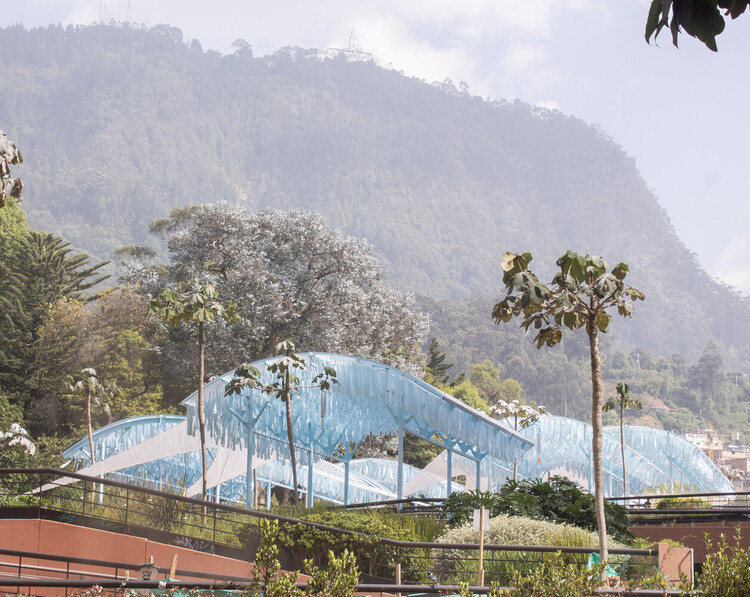
What do lightweight materials bring to public space with an ethical, ecological, and non-extractive design principle? Various textile textures offer a point of entry, being closer to the body than heavy conventional structural materials. Through its flexibility and responsiveness, it enables a form of soft enclosure rather than a fixed boundary in architectural space. Responding to minimal environmental stimuli, the fabric brings continuous movements into space. When layered or assembled, it produces gradations of density, depth, and enclosure, while recent innovative fabrication technologies extend the possibilities of its form and structural durability.
Semi-transparent materials further mediate the conditions of visual permeability and bodily experience of the space. By transmitting and filtering light, they blur clear separations between interior and exterior, solid and void, creating thresholds that are neither fully open nor fully enclosed, but constantly in negotiation. Reinterpreting structure in urban space through lightweight, translucency, and softness opens up alternative modes of spatial perception and bodily engagement.
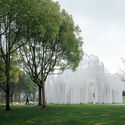
https://www.archdaily.com/1040654/what-textiles-and-translucency-bring-to-public-space-5-lightweight-interventionsMiwa Negoro