
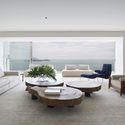


-
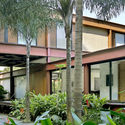
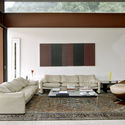
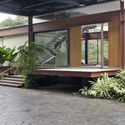
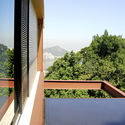
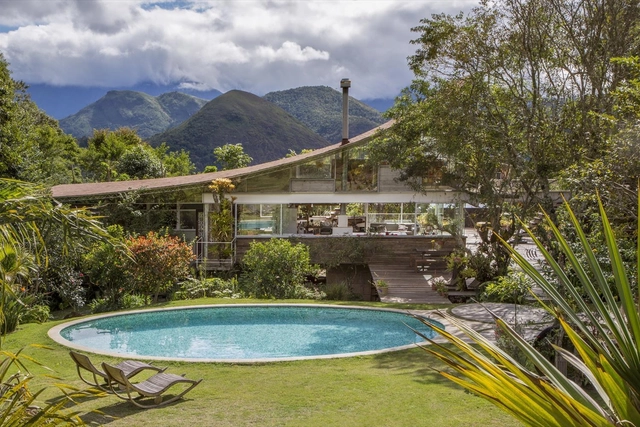
Architects: Studio Arthur Casas
- Area: 520 m²
- Year: Project Year
-
Manufacturers: Flexform, Andrew Neyer, Cassina

Vienna, Austria has been ranked as the city with the best quality of life in the world for ten consecutive years. The ranking made by multinational consultancy Mercer is dominated by Western European cities in the highest positions, while Vancouver, Canada reached third place, becoming the highest-ranking city in North America for the last 10 years.



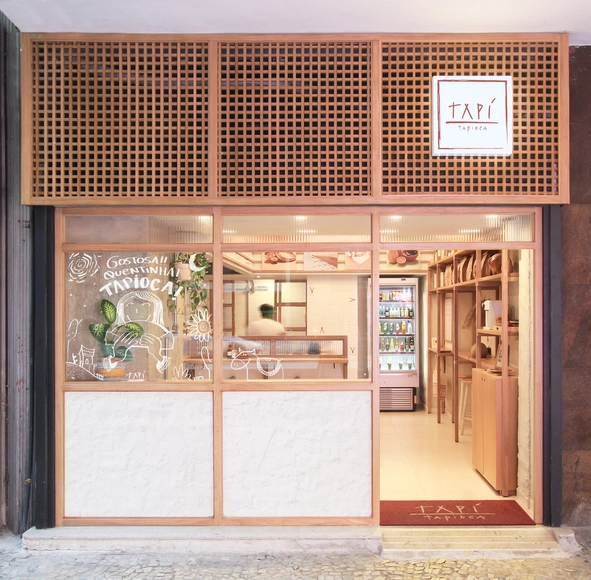

For those in the northern hemisphere, the last full week in January last week kicks off with Blue Monday - the day claimed to be the most depressing of the year. Weather is bleak, sunsets are early, resolutions are broken, and there’s only the vaguest glimpse of a holiday on the horizon. It’s perhaps this miserable context that is making the field seem extra productive, with a spate of new projects, toppings out and, completions announced this week.
The week of 21 January 2019 in review, after the break:
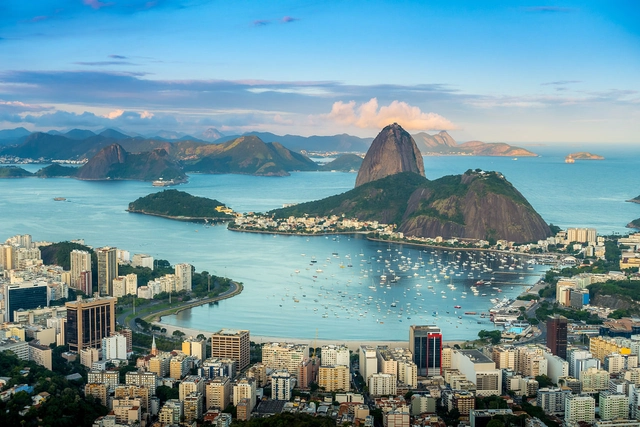
UNESCO has named Rio de Janeiro, Brazil as the World Capital of Architecture for 2020. In keeping with UNESCO’s recent partnership agreement with the UIA, UNESCO designates the World Capital of Architecture, which also hosts the UIA’s World Congress. The World Capital of Architecture is intended to become an international forum for debates about pressing global challenges from the perspectives of culture, cultural heritage, urban planning and architecture.
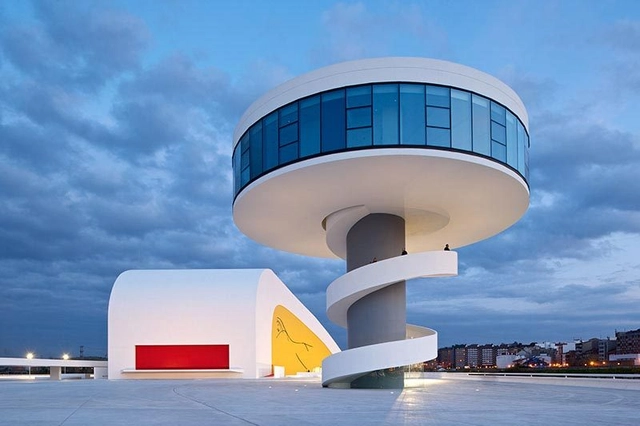
The work of Brazilian architect Oscar Niemeyer is currently being featured by the city of Rio de Janeiro. Throughout the month of January, mock-ups and engravings signed by the architect can be seen in Barra da Tijuca, in the city’s West Side. There, visitors can discover the history of Brazilian architecture and see some of Niemeyer's most famous work. The RioCVB created the exhibition to celebrate Niemeyer's legacy and showcase Brazil's landmark buildings.
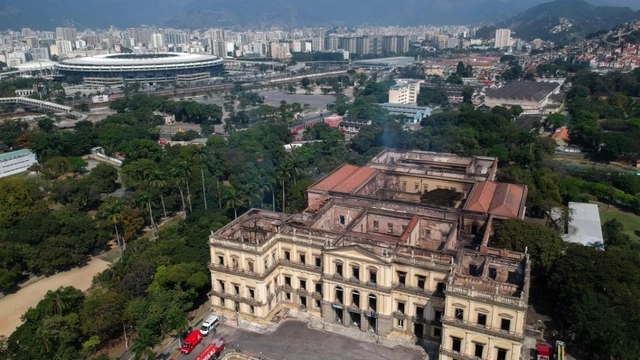
It’s been a month since Brazil lost one of its oldest and most representative assets. A fire destroyed and erased more than 200 years of the Paço de São Cristóvão’s architectural history. The building served as a residence for the royal family, and turned a great part of its collection into dust, with many of the items being one-of-a-kind. The National Museum is seeking to rebuild in the aftermath of the tragedy.
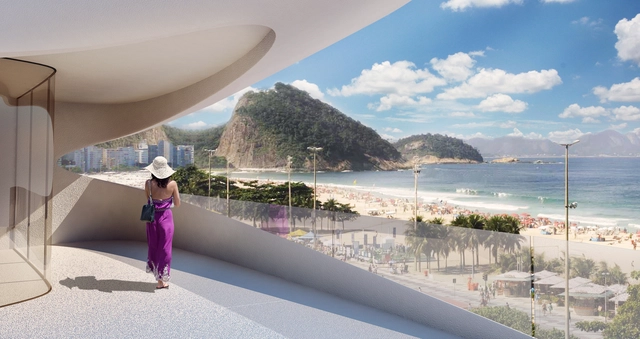
"Residencial Casa Atlântica" in Copacabana, Zaha Hadid's first project in South America, was canceled. O Globo reported the cause as "the delay of the city hall to release the work license and the consequent delay of the launch and inauguration of the project." The luxury residential condominium was designed in 2013 and should have been opened in time for the Olympics.
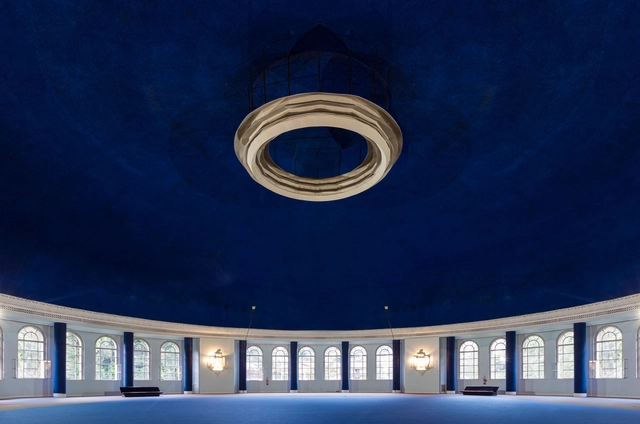
The entertainment industry frequently captures unusual architecture from theme parks that explore bygone eras to remote locales in the hills of Las Vegas that often go unseen.
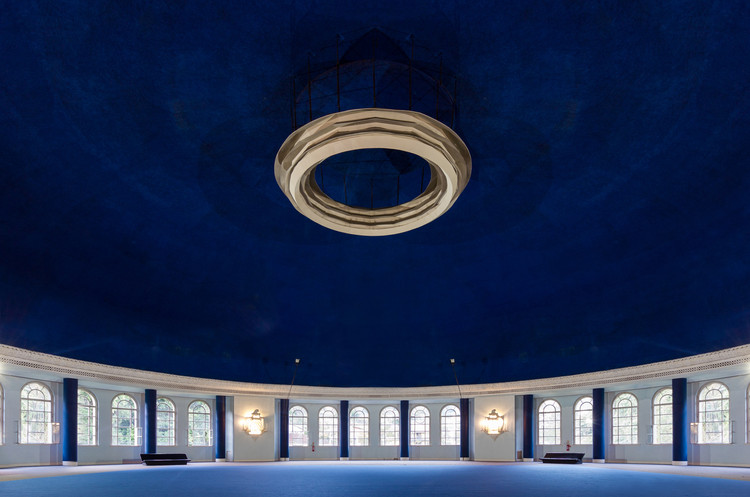
A two-hour drive from Rio de Janeiro's renowned beaches you can find a 20th century French Normandy building in the state's sierra region: The Palácio Quitandinha.
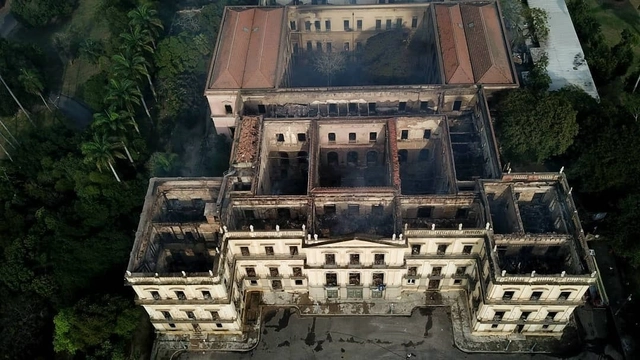
The following is text is an open letter from the Institute of Brazilian Architects in response to the devastating fire that tore through Brazil's National Museum on Sunday evening.
The Institute of Architects of Brazil (IAB), fulfilling its mission of contributing to the technical-scientific and sociocultural development of the country and preserving the national cultural heritage, deeply mourns the irreparable loss of the National Museum, the central institution of culture and science located in the district of São Cristóvão, in Rio de Janeiro, that was consumed by fire on the night of September 2nd.
The fire in Quinta da Boa Vista not only left a an architectural ensemble declared national heritage in ruins but also destroyed millions of artifacts and historical documents belonging to its collection, which were of worldwide relevance and among the most representative of Brazilian history. It is, therefore, an irrevocable loss, which is being lamented by everyone who cares about Brazilian culture and memory, both in Brazil and abroad.