This week’s curated selection from our readers’ submissions focuses on some of the essential components of our present-day cities.
Featuring the best-unbuilt architecture, the article highlights adaptive reuse projects that transformed abandoned warehouses and factories, a street design in Luxembourg, a regenerative master plan in Seoul, and an emergency family accommodation to temporarily house those in need. Moreover, the roundup distinguishes a library in South Korea and an extension of a museum in Helsinki, because the cultural aspect is an integral part of our urban environment.
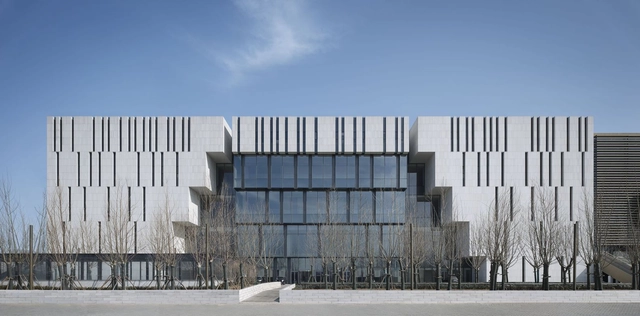
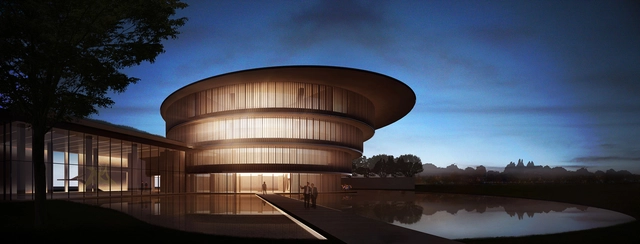
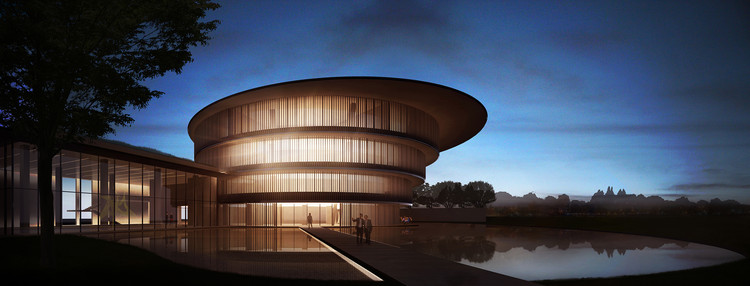
Tadao Ando Architect & Associates revealed the design for He Art Museum (HEM), the first art museum dedicated to southern China’s regional Lingnan culture. Scheduled for opening on the 21st of March 2020, with an inaugural exhibition curated by Feng Boyi, entitled From The Mundane World, the Tadao Ando-designed museum will become a gateway for the arts.
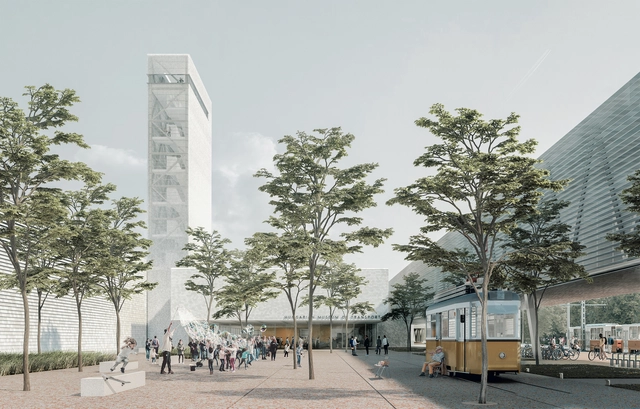
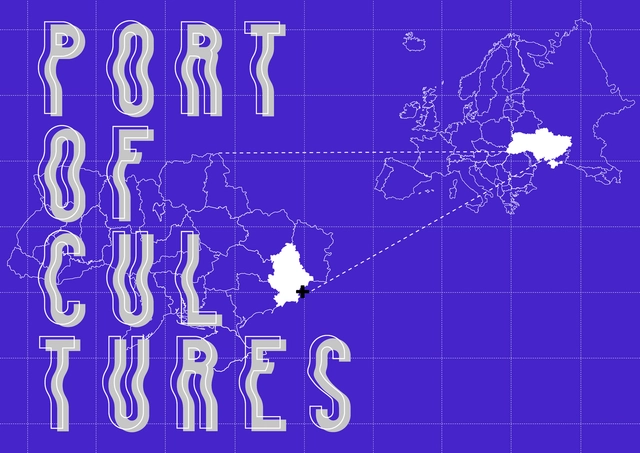
Municipality of Mariupol (UA) invites architects, designers and interdisciplinary teams to submit architectural ideas for a new multifunctional center that will be devoted to the subject of migration, a process that has shaped the city throughout the centuries, becoming an integral part of its identity. The Port of Culture will uncover and explore the less known traits of Mariupol city, and contextualize its local history within larger regional and global processes related to migration.
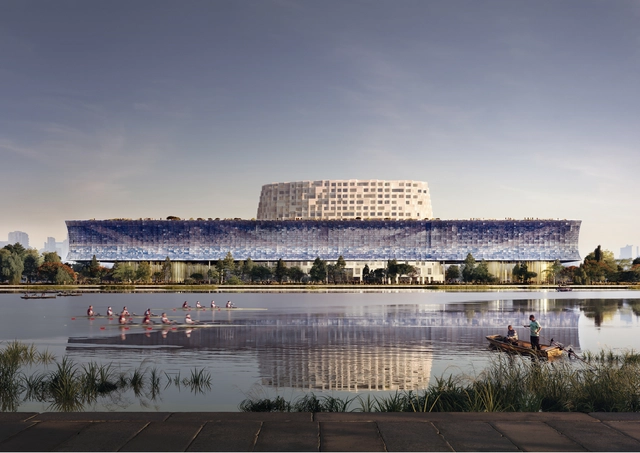
Waterfront View. Image Courtesy of Herzog & de Meuron
The Grand CanalMuseum Complex in Hangzhou, China designed by Herzog & de Meuron reflects on the importance of this area in Chinese cultural and natural landscapes. The project illustrates the story of the Grand Canal, through a continuous dialogue between the water and the museum.
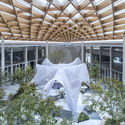
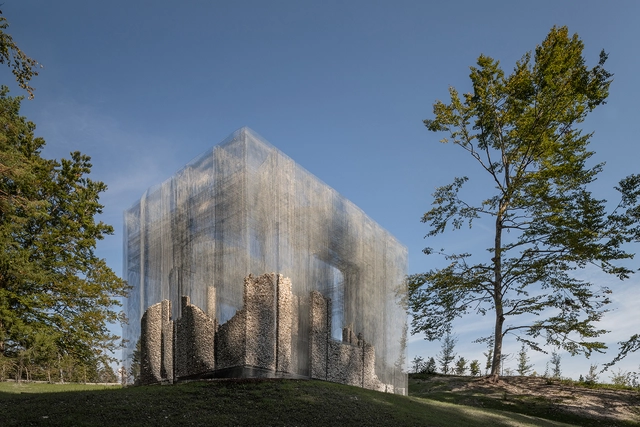
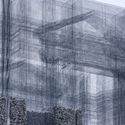
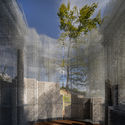
Simbiosi, an architectural installation investigating the relationship between humans and nature was just unveiled in the Arte Sella sculpture park in Italy’s Trentino Valley. Conceived by Edoardo Tresoldi, the site-specific artwork mixes the transparency of a wired mesh structure with the materiality of local stones.
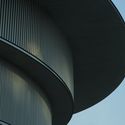
Designed by Kengo Kuma and Associates (KKAA), and led by partner Yuki Ikeguchi, the Odunpazari Modern Museum (OMM) just opened in Eskisehir, Turkey. The project aims to promote Turkish art and make a cultural contribution to the city of Eskisehir.
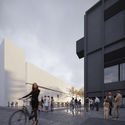
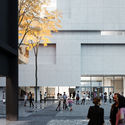
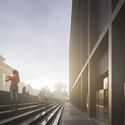
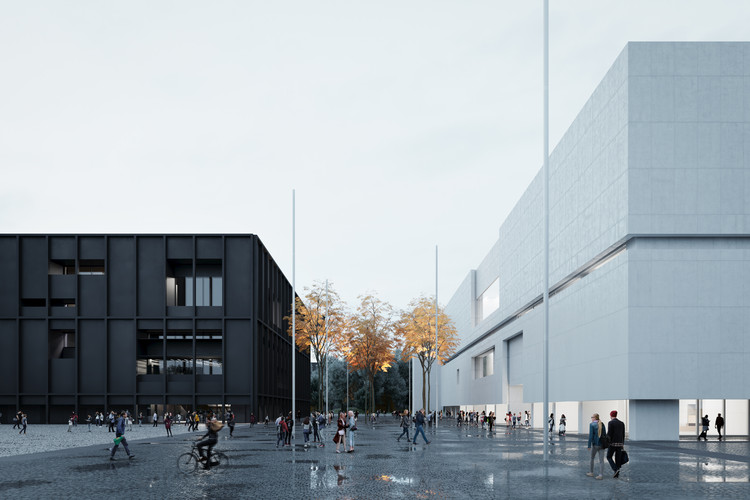
Expected to be completed by 2022, The Museum of Modern Art Warsaw and the TR Warszawa Theatre will put in place a new art hub for Warsaw, Poland. The two new cultural entities will add a modern vibe to the rich heritage of the city. Designed by the New York-based studio Thomas Phifer and Partners, the new center of the arts will occupy a 22-acre site.
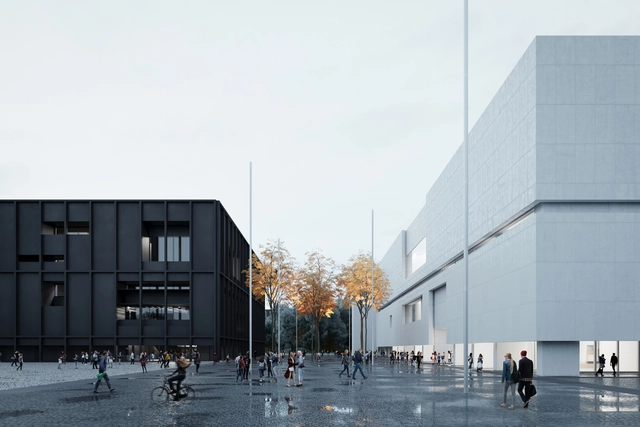
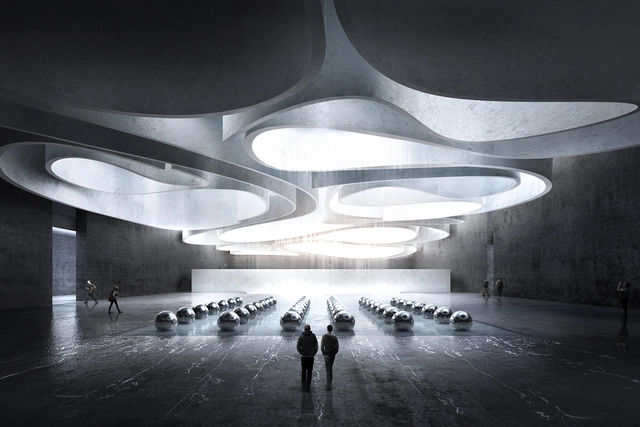
Writing is an unending dialogue that has been connecting one generation to another, maintaining history, culture, and information. For the National Museum of World Writing, stories were built rather than written.
Just as writing transcends the author to another realms, SAMOO Architects and Engineers have proposed ‘PAGES’, a structure of architecturally-devised scripts that disconnects visitors from the outer world, and introduces them to an exceptional architectural narration.
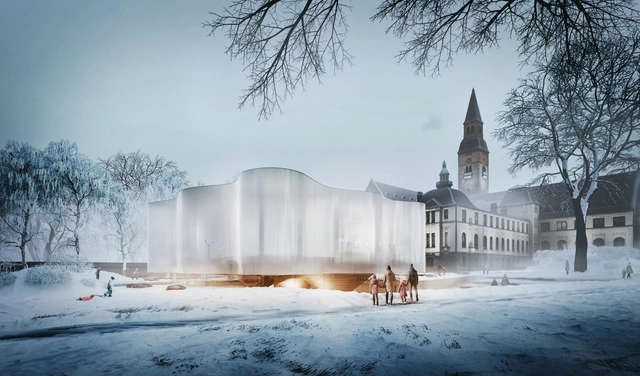
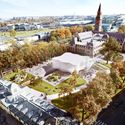
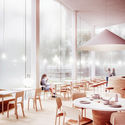
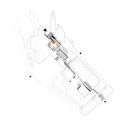
Hey5 has unveiled its design for the National Museum of Finland, an entry for a recent international design competition. The scheme is titled “Suppa,” inspired by the typical Finnish landform where a hollow is created by the melting of buried blocks of glacial ice. The ambition behind the proposal was to create a bold object containing a flexible organizational system to host the museum's demanding international exhibitions.
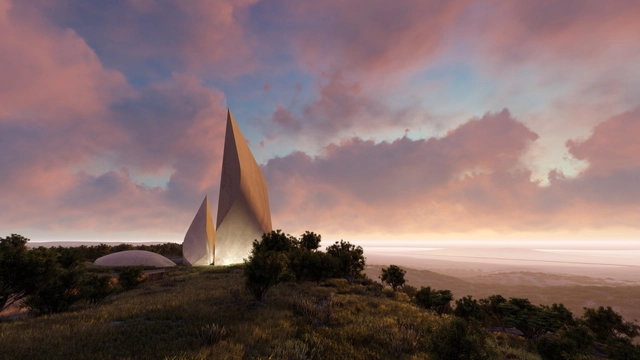
Studio Libeskind has unveiled details of Ngaren: The Museum for Humankind, a museum dedicated to the story of humans to be situated in the Great Rift Valley, Kenya. Commissioned by paleoanthropologist Richard Leakey, the museum will be the culmination of Dr. Leakey’s work, whose fossil discoveries have helped to reveal how humans evolved. The Museum will be the first center of its kind to present research, discovery, and exploration of more than two million years of human history and the origins of our universe from evolution, biodiversity, overpopulation, to war, disease, and climate change.
https://www.archdaily.com/917048/studio-libeskind-unveils-vision-for-a-museum-for-humankind-in-kenyaNiall Patrick Walsh
The Odunpazari Modern Museum (OMM) by Kengo Kuma and Associates will open in June 2019, situated in Eskişehir, a university town in the northwest of Turkey. The OMM will feature an internationally significant collection of modern and contemporary art, showcased within a scheme designed by the architect behind the recently-completed V&A Dundee.
The 4,500-square-meter scheme is defined by a distinctive stacked timber design, drawing inspiration from Odunpazari’s traditional Ottoman wooden cantilevered houses that are synonymous with the district, and pays homage to the town’s history as a thriving wood market. Along with several other city museums in the surrounding area, OMM will create a museum square and public meeting place in the town.
The new series of structures manifest as a virtual continuation of the former head building on the street side, with a band-like entrance canopy linking the old and new units on the railway side. Intersecting the old and new buildings, a “Recreation Bridge” connects to the existing static volume to the dynamic additions.
Turkish practice Melike Altınışık Architects (MAA) has won an international competition for the design of a Robot Science Museum in Seoul, South Korea. Hosted by the Seoul Metropolitan Government, the competition called for a “world first” museum to support public education in robotics, and increase public interest in robots.
The principles of robotics, science, technology, and innovation have shaped all aspects of the scheme’s design, from form and structure to material and operation. The main character of the museum is to “create its own universe for robots and their visitors,” manifesting as a non-directional, fluid, spherical structure.
Pawiak Prison Museum of Warsaw. Image Courtesy of FAAB Architektura
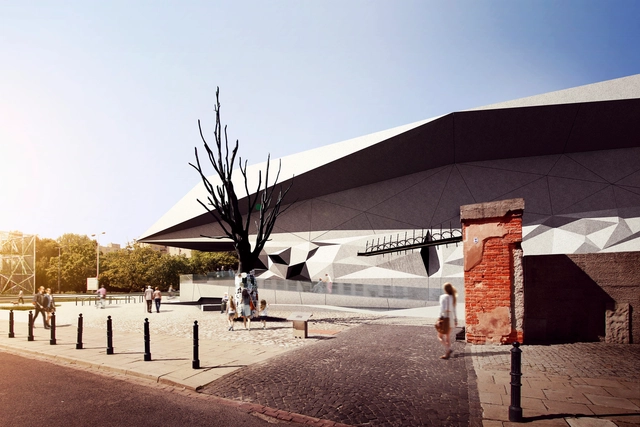
Polish practice FAAB Architektura have created a new building for the Pawiak Prison Museum in Warsaw. Formed with a multi-level vertical park, the project is designed on the historic site of the former "Serbia" prison. FAAB's plan utilizes landscape architecture strategies to integrate and mark the layout of the complex within the city. The new structure was made to challenge the consciousness of visitors as they confront history itself.
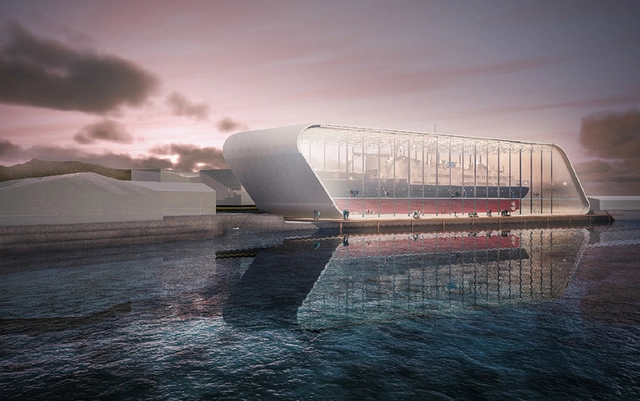
Nordic engineering firm Peab will create the new Hurtigruten museum for the MS Finnmark. The ship will be housed in the facility in Stokmarknes in the northern part of Norway. Peab secured the $14.6m contract for Vernebygg in collaboration with Oslo-based LINK Arkitektur. The MS Finnmark was built in 1956 and is described by the museum as the world’s biggest museum artifact.





_OMM_by_Kengo_Kuma_and_Associates._%C2%A9NAARO.jpg?1568108904&format=webp&width=640&height=580)
_OMM_by_Kengo_Kuma_and_Associates._%C2%A9_Batuhan_Keskiner.jpg?1568108862 "© Batuhan Keskiner")
_OMM_by_Kengo_Kuma_and_Associates._%C2%A9_Batuhan_Keskiner.jpg?1568109009 "© Batuhan Keskiner")
_OMM_by_Kengo_Kuma_and_Associates._%C2%A9NAARO.jpg?1568109127 "© NAARO")
_OMM_by_Kengo_Kuma_and_Associates._%C2%A9NAARO.jpg?1568109177 "© NAARO")
_OMM_by_Kengo_Kuma_and_Associates._%C2%A9NAARO.jpg?1568108904)

.jpg?1564809225 "© SAMOO Architects and Engineers")



_(1).jpg?1553001016&format=webp&width=640&height=580)
_(2).jpg?1553001038 "© Kengo Kuma and Associates")
_(4).jpg?1553001120 "© Kengo Kuma and Associates")
_(3).jpg?1553001082 "© Kengo Kuma and Associates")
_(6).jpg?1553001198 "© Kengo Kuma and Associates")
_(1).jpg?1553001016)