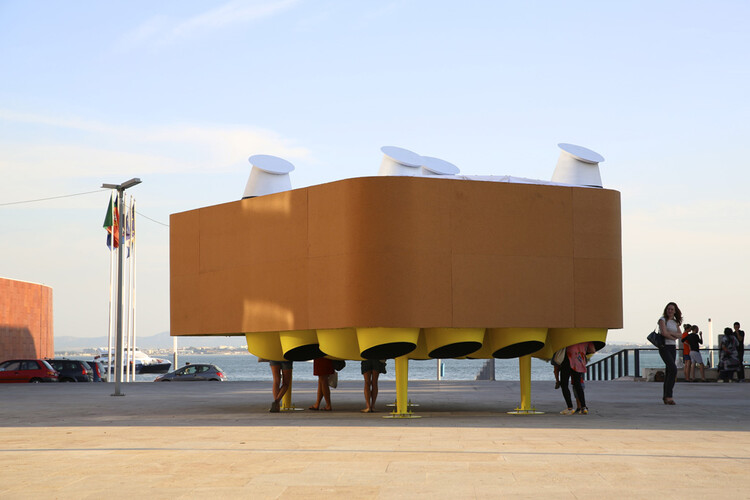
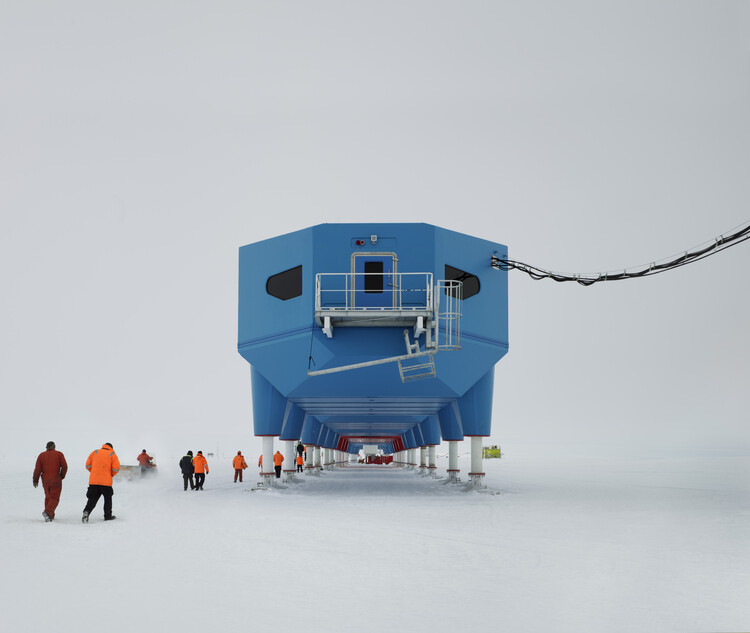
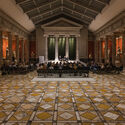
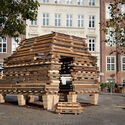
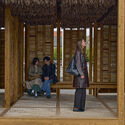
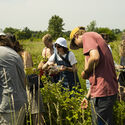
The 8th Lisbon Architecture Triennale has announced CO-OP as the title of its 2028 edition, which will explore cooperation and its relationship with architecture, housing, production, and collective forms of living. Led by Chief Curator Joaquim Moreno, the upcoming edition will examine how cooperation can inform alternative ways of producing, building, and inhabiting spaces, while addressing questions of ownership, governance, and the common good. The Triennale will open on September 28, 2028, with a free three-day programme running through September 30 in Lisbon, Portugal.
Utopia is commonly understood as an imagined ideal society or place where political, social, and living conditions are fundamentally different from those of the present. Derived from Greek, the word literally means "no-place" or "nowhere." Although utopia may not exist in reality, the act of imagining it has long inspired architects and urban thinkers to envision the world otherwise. Amid the ongoing challenges that cities face today — climate crisis, pollution, soaring land prices, aging populations, housing inequality, lack of social services, growing social and economic disparities, and persistent injustices — some regions face overheating and environmental degradation, while others are fighting for access to nature, land, and communities, which rather makes us think of a dystopian future. Thinking about utopia in such a default condition of contemporary cities shaped by the partially failed logic of modern urban planning, what might a more livable, sustainable, diverse, and inclusive city look like in the 21st century?
This was the underlying question running through Utopian Hours 2026, an international festival dedicated to city-making. Across its talks, exhibitions, and roundtables, the festival explored how to shape urban landscapes and what forms of design thinking can transform urban life.
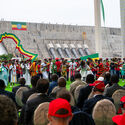
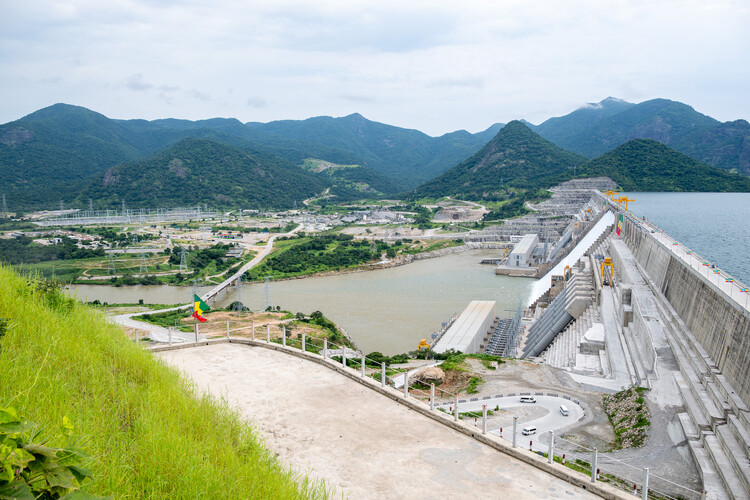
Inaugurated in September 2025, the Grand Ethiopian Renaissance Dam, or GERD, is a grand concrete structure on the Blue Nile, Abay, in western Ethiopia within the Benishangul-Gumuz region, just 30 kilometers upstream along the river and east of the border with Sudan. It is built as a major source of hydroelectric power, generating an estimated 51.5% of total national output in 2025/26, and symbolizes Ethiopia's national sovereignty, rise to exponential economic development, and technological self-determination. So, why has it become the center of a protracted dispute over regional water security and international law between Ethiopia, Sudan, and Egypt?
"Antarctica is known through narratives," states Victoria Nuviala Antelo during the lecture on Inhabiting the Extreme: An Architectural Biography of Antarctica, presented at the Buenos Aires International Architecture Biennial. Indeed, throughout architectural history, numerous stories, experiences, ways of inhabiting, and building practices have often been excluded from official narratives. Buried beneath thick layers of ice, the history of Antarctic architecture tells a story of impermanence. The ice surrounding the continent expands and contracts each year, doubling its surface area, while the species that inhabit it migrate and return according to their life cycles. Ice covers structures as katabatic winds erase the traces of more than 200 years of human presence. Explorations, settlements, architectural interventions, and ways of inhabiting remain concealed within one of the most extreme landscapes on the planet.
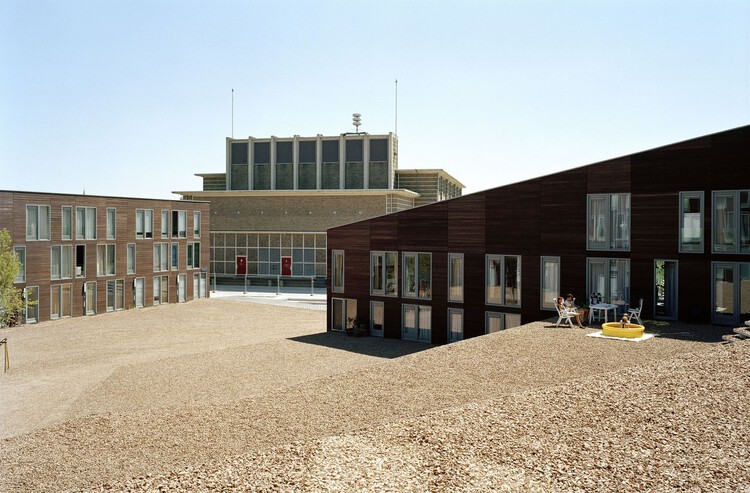
Industrial activity can end long before its effects disappear from the land. Factories close, buildings are demolished, and former industrial districts gradually become part of new residential developments. Yet the soil beneath them may still contain traces of their previous use, sometimes requiring extensive intervention before construction can begin.
Redeveloping these sites raises a question about how much of the existing ground can remain and what it takes to build housing above it. The extent of contamination affects what must happen before construction begins, while the cost of preparing the land can influence the development itself. Much of this work eventually disappears beneath the completed buildings, leaving little indication of the site's previous condition.
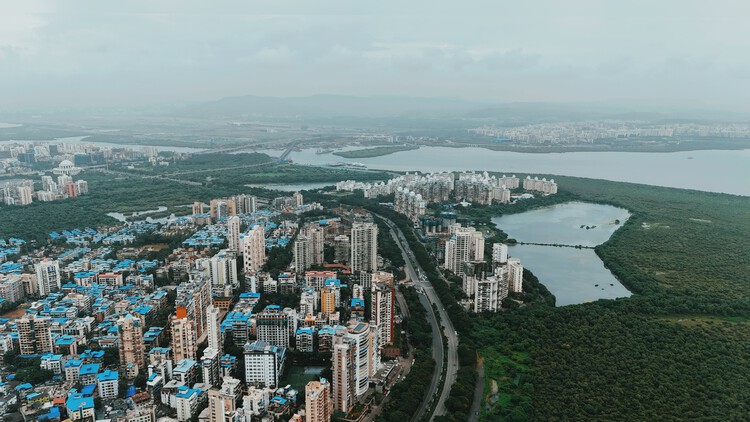
Aerial view of Mumbai’s coast. Image via Shutterstock
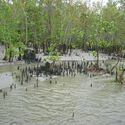
Along India's coast, the boundary between land and sea is not always a line of concrete. In places, it is a forest of tangled roots, tidal channels, and sediment, a landscape that changes character with the water. Mangroves influence how water moves, how shorelines evolve, and how coastal communities experience flood risk. Their role in coastal protection depends on the width and condition of the forest, the movement of tides, and the accumulation of sediment.
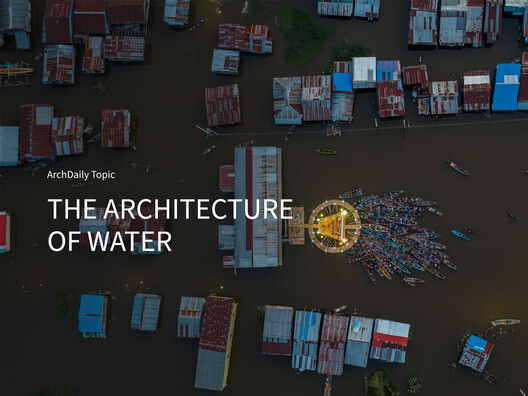
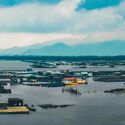
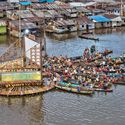
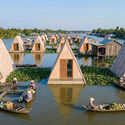
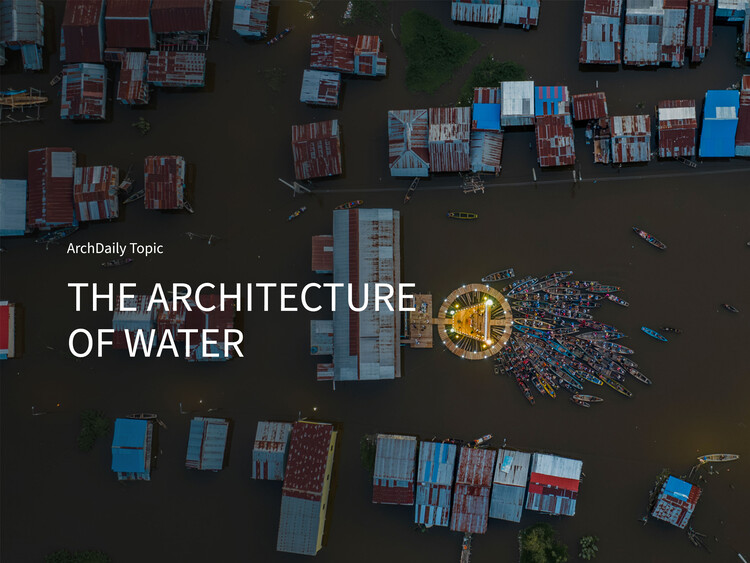
Water is life. Animals, plants, fungi, and bacteria all depend on it: water structures their cells, carries their nutrients, and hosts the chemistry that keeps them alive. Even the rare exceptions confirm the rule. Some seeds and spores can lose nearly all their water and enter a dormancy so deep that their metabolism almost stops, yet it is water that brings them back. In the most literal sense, water connects us.
But it also divides us. Every year, thousands of people leave North Africa in overcrowded boats bound for Lampedusa, seeking better living conditions in Europe; more than 30,000 have died or gone missing in the Mediterranean since 2014. Water draws borders and controls flows. Before the war on Iran began in February 2026, the Strait of Hormuz carried around 25% of the world's seaborne crude oil, with effects felt in fuel prices far from the Gulf. Water also sits at the center of the environmental debate, where its excess can be as lethal as its absence. Severe floods increasingly strike countries that have contributed least to global emissions, while the largest polluters remain better equipped to resist. If water is life, it can also mean death. Ultimately, water is political.
The origins of the Copenhagen Architecture Biennial trace back to the establishment of the CAFx yearly festival in 2014, which was renamed Copenhagen Architecture Forum in 2024 to lead new projects focused on architecture and urbanism, such as the shift from festival to biennial, with a first edition in 2025. Today, the details of the second edition are being announced: it will take place from September 9 to October 15, 2027, under the theme "Elements." After the Biennial's inaugural call to Slow Down, the event is turning its attention to the planetary elemental forces that architecture has sought to master and prepare to inhabit, questioning one of modernity's most persistent promises: control over the environment. Activities will be dedicated to and organized around each of the four elements: fire, earth, air, and water, including an open call for pavilions, exhibitions, and a symposium.
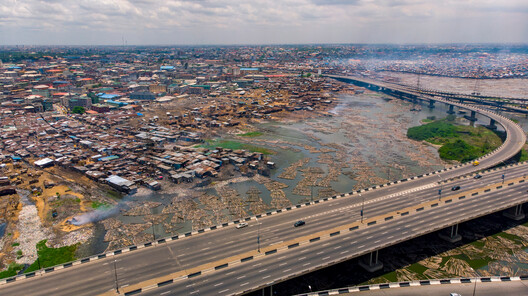
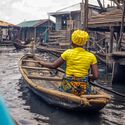
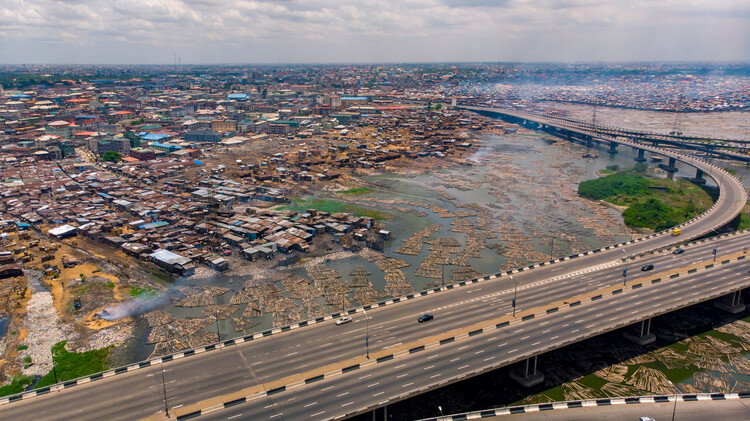
Lagos is a city shaped by time, human interaction, the forces of nature, and its evolving, sometimes uneasy relationship with all three. Nowhere is this more visible than when the rain comes.
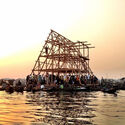
Eko sits on a floodplain. Its geographical condition predates the city itself, reaching back to a time before the first road was laid, the first boundary drawn. The drainage systems, the developments that have gradually become privatised waterfronts, are all built on a landscape that has always been, at its foundation, in continuous conversation with water. The flood is not an anomaly; it is the land insisting on a dialogue that was always going to return.
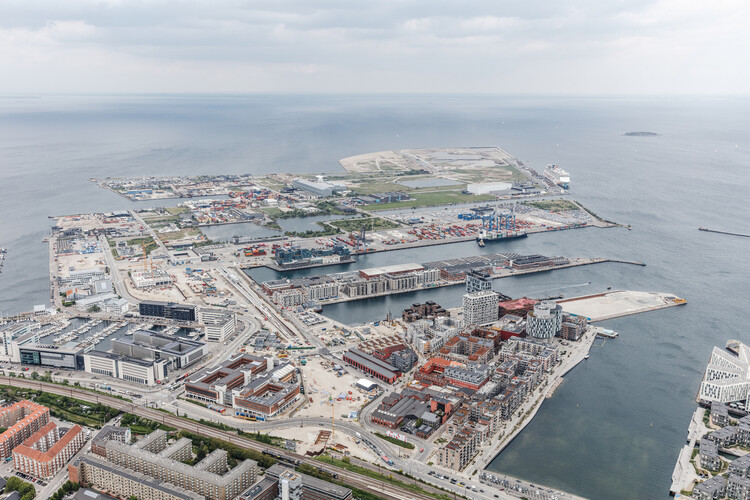
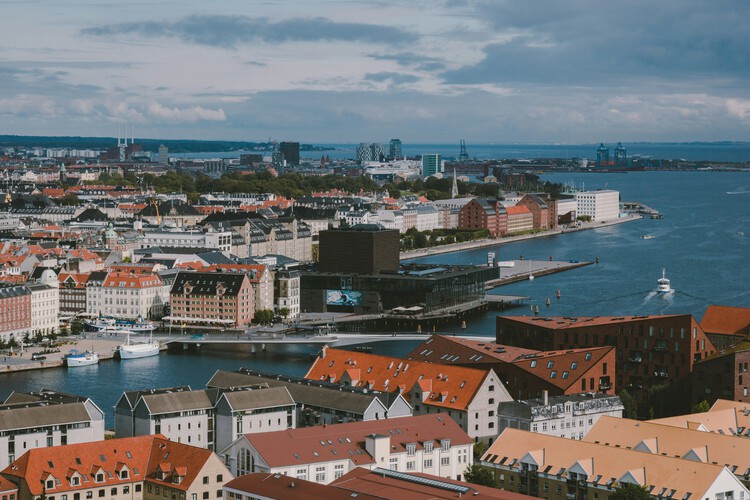
Global city rankings offer one way of looking at how urban environments support everyday life. The Economist Intelligence Unit's (EIU) Global Liveability Index evaluates 173 cities across stability, healthcare, culture and environment, education, and infrastructure, highlighting both long-term patterns and changes from one year to the next. In the 2026 edition, Copenhagen has been named the world's most liveable city for the second consecutive year, followed by Vienna and Melbourne. The Danish capital scored 98 out of 100 overall, receiving perfect scores in stability, education, and infrastructure. The global average remains unchanged at 76.1, with improvements in healthcare, education, and infrastructure offsetting continued declines in stability.
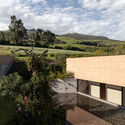
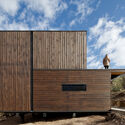
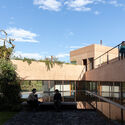
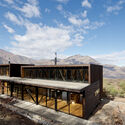
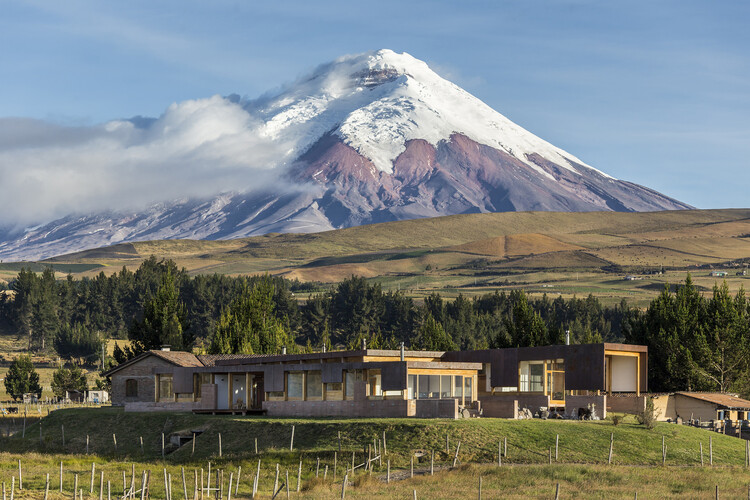
The Andes are often understood as a continuous mountain range, yet they encompass a wide range of climates and ecosystems. In Ecuador, Peru, Bolivia, Colombia, and Chile, páramos, dry highlands, temperate valleys, and snow-covered landscapes can exist within relatively short distances of one another. As elevation changes, so do temperature, solar radiation, humidity, wind, vegetation, and topography, producing environments that require different ways of building.
Unlike many mountain regions where cold is the defining environmental condition, high-altitude environments in the Andes combine several climatic conditions at once. As elevation increases, solar radiation becomes more intense. Some regions remain humid throughout the year, while others experience prolonged dry seasons. In many places, steep terrain, snow, and changing weather patterns become additional factors that influence how buildings are designed.
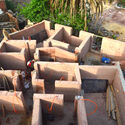
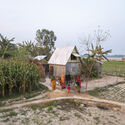
Across different climates and building cultures, many contemporary projects are working with local ways of building in new ways. Earth walls, bamboo structures, shaded thresholds, and collective construction processes are being reconsidered not as references, but as tools for the conditions architecture is facing now and will continue to face.
In these projects, vernacular knowledge appears through practical decisions: how to cool a building without machines, how to build with what is nearby, how to make a structure easier to repair, and how to keep construction knowledge within the community that will use it. The conditions making this knowledge necessary are not coming. They are already here.
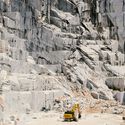
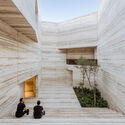
A building material rarely begins where architecture encounters it. By the time concrete reaches a construction site, its limestone has already been quarried, processed, and transformed. Timber arrives long after the forest. Glass appears detached from the sand from which it was made. By the time materials enter construction, much of the landscape and industry that produced them has already disappeared from view.
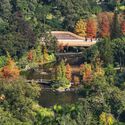
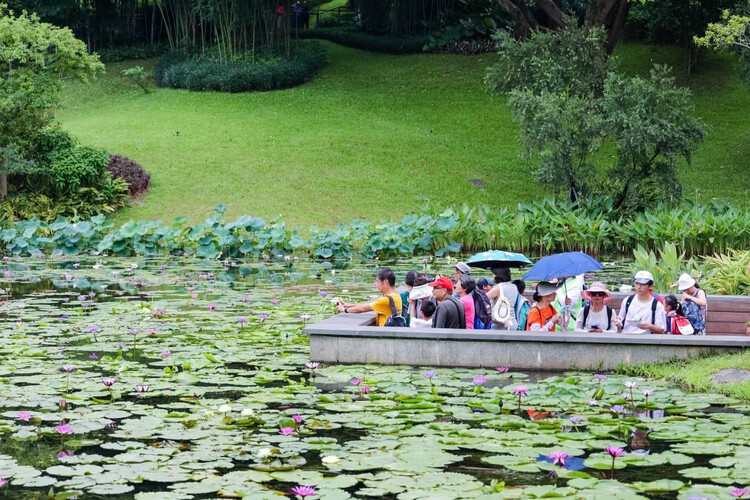
Guangzhou Yunxi Botanical Garden / AECOM + Architectural Design & Research Institute of SCUT + Guangzhou Landscape Architectural Design & Research Institute. Image Courtesy of Yunxi Botanical Garden
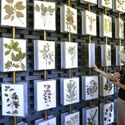
While human life depends heavily on plants for the medicines, building materials, and fuel they provide, they also play a vital role in many ecological processes. From climate regulation through carbon dioxide absorption to soil fertility and the purification of air and water, plant diversity offers opportunities to address some of the most pressing challenges of this century, including food security, energy availability, climate change, and habitat degradation. In this context, botanical gardens act as living refuges that foster innovation, adaptation, and human resilience. But what can architectural practice learn from botany and its methods?
In the field of architecture, however, this question remains relatively marginal. We often know who designed a building, its finishes, the manufacturer of its frames, the brand of its wall coverings, and even its energy performance, but we almost never ask where the tons of material that made its existence possible actually came from.
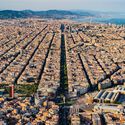
Barcelona is the first city in the history of the UIA World Congress of Architects to host the event twice. The 1996 edition, Present and Futures: Architecture in Cities, arrived at a charged moment, when the post-Olympic city was consolidating an urban model that would become one of the most studied and contested in contemporary urbanism, and when architecture was learning to think through the large metropolis as its primary site of inquiry. Thirty years later, the same city reopens the question under a different condition: one in which the built environment can no longer be understood as a self-contained object, but only through the wider ecological, material, and political systems that sustain it. The theme of the 2026 Congress — Becoming. Architectures for a Planet in Transition — does not abandon the urban concerns of 1996; it reopens them from a planetary scale.
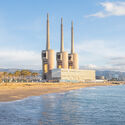
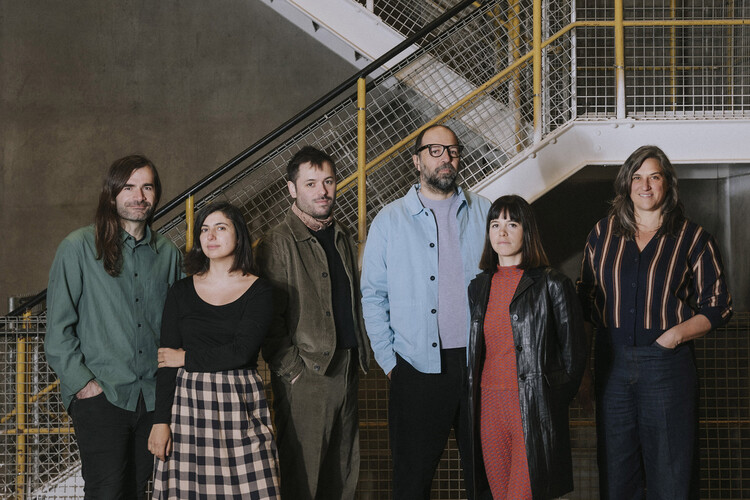
The curatorial team behind this edition, formed by Pau Bajet, Maria Giramé, Mariona Benedito, Tomeu Ramis, Pau Sarquella, and Carmen Torres, approaches architecture as a critical and transformative tool rooted in territory, working across practice, research, and teaching. Their program structures the Congress around six interconnected thematic lines (Becoming More-than-human, Becoming Circular, Becoming Embodied, Becoming Interdependent, Becoming Hyper-Conscious, and Becoming Attuned) and distributes it across three venues of very different characters — Les Tres Xemeneies del Besòs, the Disseny Hub at Glòries, and the CCIB — each chosen for what it represents as much as for what it can hold.