Subscriber Access

Inherited Ground: Designing Houses on Contaminated Land

8:29
8:29

Industrial activity can end long before its effects disappear from the land. Factories close, buildings are demolished, and former industrial districts gradually become part of new residential developments. Yet the soil beneath them may still contain traces of their previous use, sometimes requiring extensive intervention before construction can begin.

Redeveloping these sites raises a question about how much of the existing ground can remain and what it takes to build housing above it. The extent of contamination affects what must happen before construction begins, while the cost of preparing the land can influence the development itself. Much of this work eventually disappears beneath the completed buildings, leaving little indication of the site's previous condition.


Inherited Ground: Designing Houses on Contaminated Land - Image 2 of 22Inherited Ground: Designing Houses on Contaminated Land - Image 3 of 22Inherited Ground: Designing Houses on Contaminated Land - Image 4 of 22Inherited Ground: Designing Houses on Contaminated Land - Image 5 of 22Inherited Ground: Designing Houses on Contaminated Land - More Images+ 17

Content Loader

Image gallery

See allShow less
About this author
Cite: Daniela Andino. "Inherited Ground: Designing Houses on Contaminated Land" 20 Oct 2026. ArchDaily. Accessed . <https://www.archdaily.com/1187056/inherited-ground-designing-houses-on-contaminated-land> ISSN 0719-8884
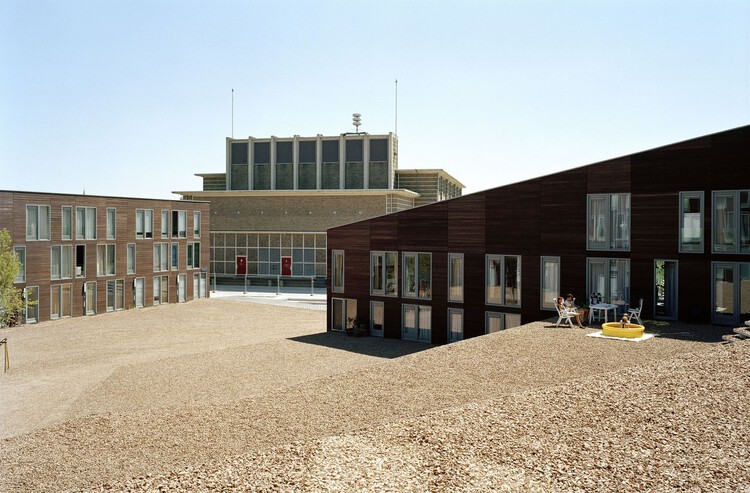
Schots 1 + 2 Residential Complex / Studio Woodroffe Papa. Image © Jan Bitter

继承之土:污染土地上的住宅设计

是否

You've started following your first account!

Did you know?

You'll now receive updates based on what you follow! Personalize your stream and start following your favorite authors, offices and users.