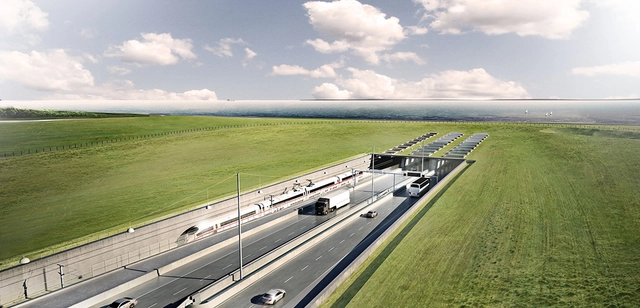
The world’s longest immersed road and rail tunnel design, the Fehmarnbelt link gets a go-ahead. The 18 km infrastructure, the longest of its kind, connecting Denmark’s Lolland Falster region with Germany’s Schleswig Holstein region across the Baltic Sea will shorten the journey between both countries to just 10 minutes by car and seven minutes by train.
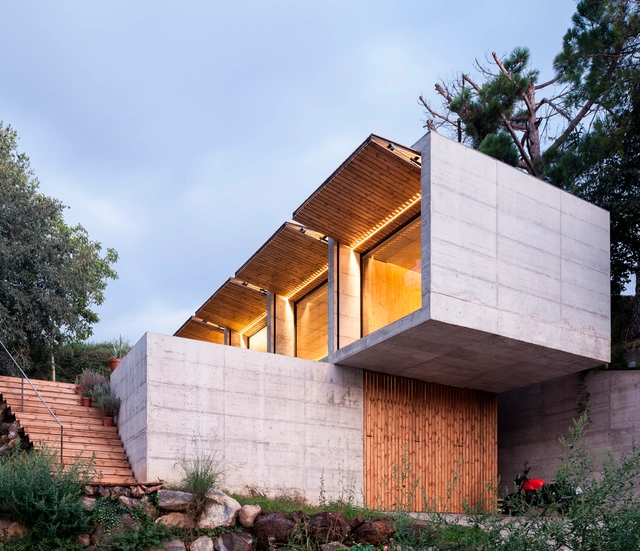
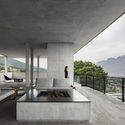
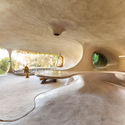
It's no secret that concrete has one of the highest CO2 emissions of all building materials, making it a focal point for architects looking to innovate and experiment with it as a way to optimize its production and application in construction while decreasing its environmental impact. This exploration of elements such as concrete's thermal inertia, which could serve to make buildings more energy efficient, as well as its durability, which guarantees a long-lasting, zero- maintenance structure even in the most extreme of climates. The ultimate goal is to create luminous living spaces with natural ventilation while simultaneously exploring the possibility of reusing frameworks as a way of cutting costs and streamlining the building process.
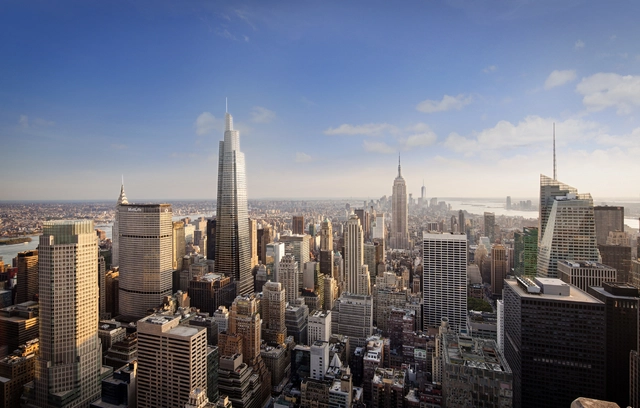
Last April, Mayor Bill de Blasio of New York announced plans to introduce a bill that would ban the construction of new all-glass buildings. Part of a larger effort to reduce citywide greenhouse emissions by 30 percent, other initiatives included using clean energy to power city operations, mandatory organics recycling, and reducing single-use plastic and processed meat purchases. The announcement came on the heels of the city council passing the Climate Mobilization Act, a sweeping response to the Paris Climate Agreement that included required green roofs on new constructions and emissions reductions on existing buildings.
https://www.archdaily.com/931309/de-blasios-glass-skyscraper-ban-could-mass-timber-and-transparent-concrete-take-its-placeLilly Cao
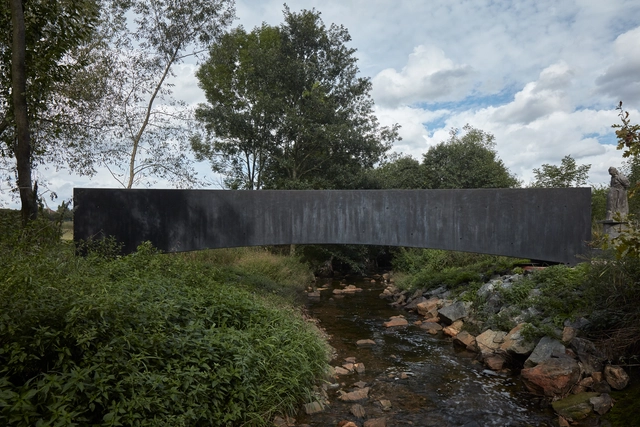
Ondřej Císler from Aoc architects and Petr Tej from the Klokner Institute at CTU in Prague have designed a bridge over the Dřetovice stream in Vrapice, near the city of Kladno in the Czech Republic.
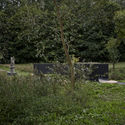
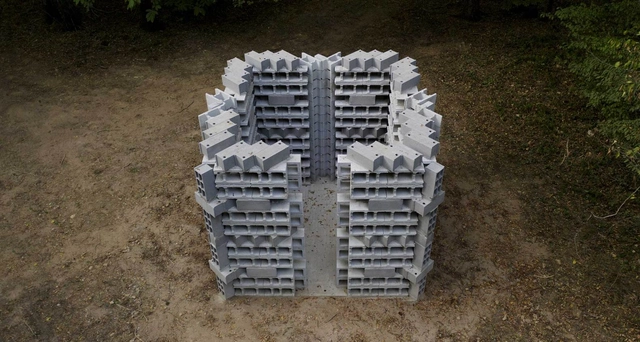
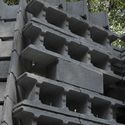
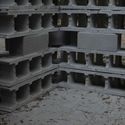
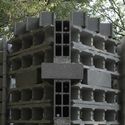
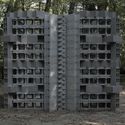
Building / Prototype II is an experimental architectural pavilion designed by architect Marc Leschelier for the Feÿ Arts Festival in Burgundy, France. Created in the middle of the forest, in the park of the Château du Feÿ, the permanent installation is the first of an acquired collection to be always displayed on site.
Concrete, a material commonly used in the construction industry, is made of a binder combined with aggregates (or gravels), water, and certain additives. Its origins reach back as far as Ancient Egypt, when the construction of large structures created the need for a new kind of material: one which was liquid, featured properties of natural stones, could be molded, and communicated a sense of nobility and grandeur.
















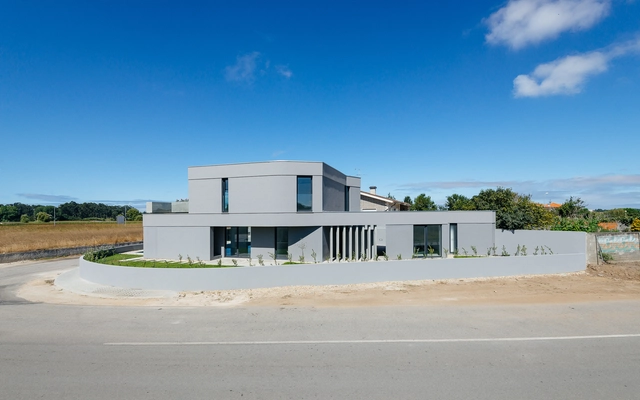




.jpg?1548166722&format=webp&width=640&height=580)
.jpg?1548167206 "© Jomar Bragança")
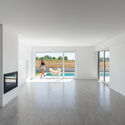
.jpg?1548167076 "© Jomar Bragança")
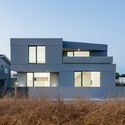
.jpg?1548167136 "© Jomar Bragança")
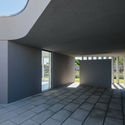
.jpg?1548166437 "© Jomar Bragança")
.jpg?1548166722)