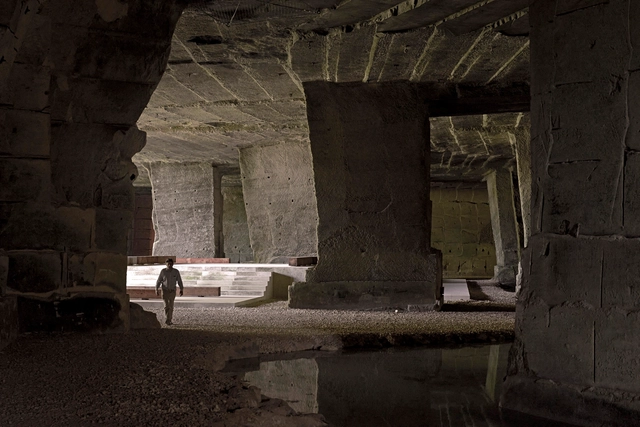
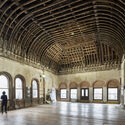
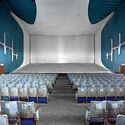
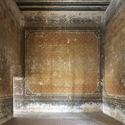
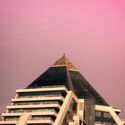
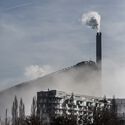
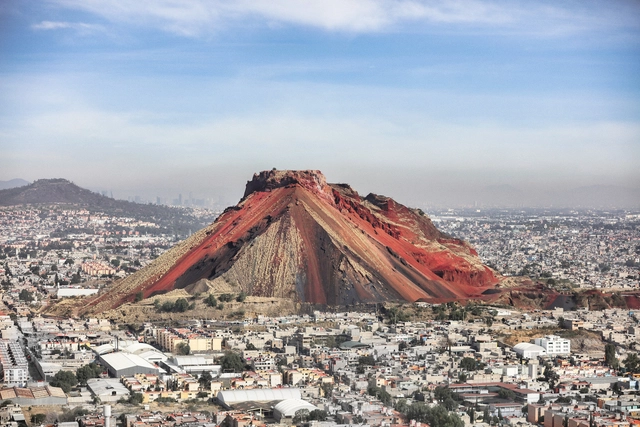
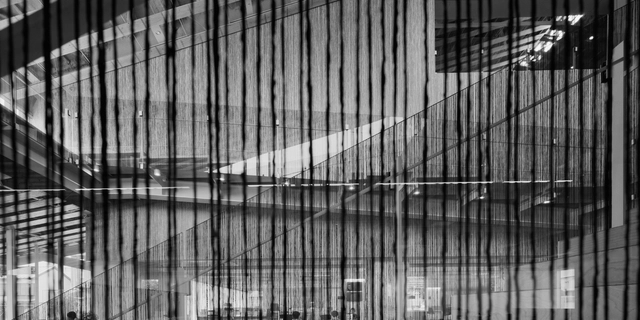
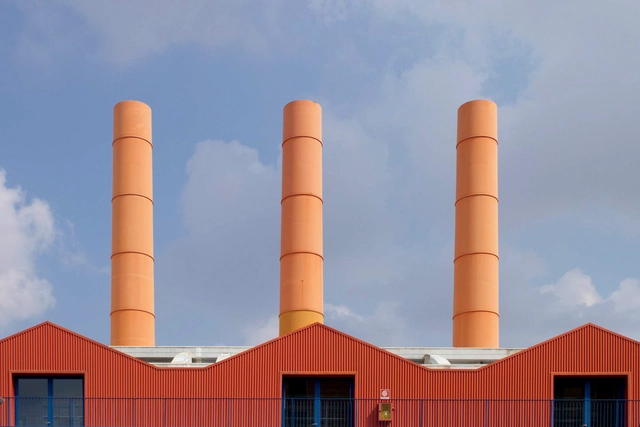
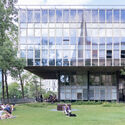
Starting on June 30th, 2024, Edmund Sumner presents the “Traces” exhibition, a solo show at Rodic Davidson Architects in London featuring architectural photography that explores cultural identity and historical significance across diverse landscapes. The show offers a profound exploration of architecture and design across diverse landscapes, including Europe, India, and Mexico, presenting a compelling intersection between photography and the built environment. Additionally, the photographer is expected to release his fifth book with Thames & Hudson in 2025.
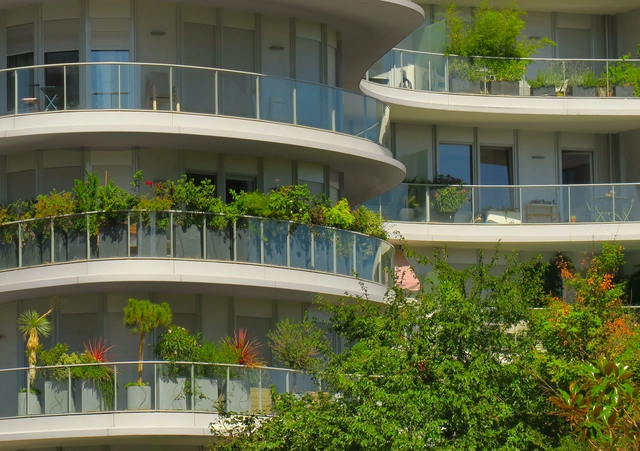
With the 2024 Olympic Games opening ceremony fast approaching, Paris has captured global attention. In addition to the venues being prepared for the Olympics, the city offers a wide range of architectural projects that showcase its efforts to improve the urban environment and promote a greener and more inclusive city. Among these, the new Clichy Batignolles Eco-District in the 17th arrondissement of Paris is a 54-hectare development that set out to transform the former SNCF rail yard into a new neighborhood. The initiative features contributions from internationally recognized architects including MAD Architects, Architect Périphériques, and RPBW, among others. Read on to discover the urban development through the lens of architecture photographer Paul Clemence.
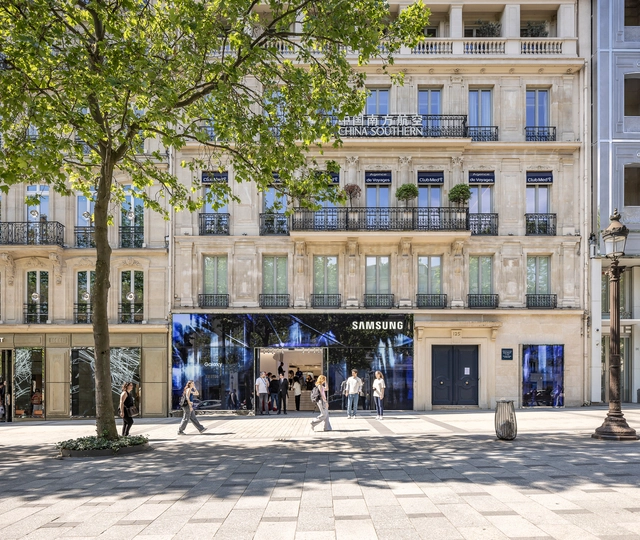
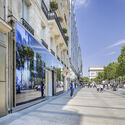
Renowned French architect Jean Nouvel has unveiled his design for Samsung’s pop-up store on the iconic Avenue des Champs-Élysées in Paris, France. The store aims to represent the company’s role as a Worldwide Olympic Partner, offering visitors a space where they can engage with the newest mobile technologies and Olympic-related activities. The first images by architectural photographer Jad Sylla highlight Jean Nouvel’s design of the immersive retail space.
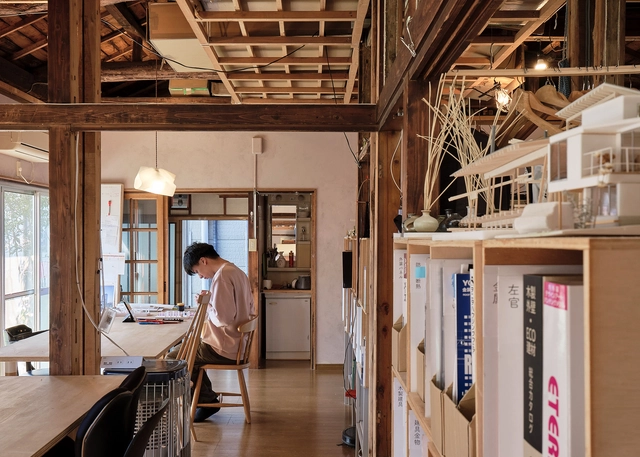
The photographs reveal snippets of everyday life in these studios. While not all of the buildings were designed by their occupying architecture studios, each office has added a personal touch to their space, aligning them with their internal culture and traditions. One such example is Tato Architects, for whom the kitchen has become an important gathering space, as they take turns preparing lunch for each other and eating together is a significant part of their office story.
The Sony World Photography Awards 2024 has announced its category winners and shortlist, showcasing the best single images from around the world captured during the last year. With over 395,000 submissions from 220 countries and territories, the competition aims to highlight established and emerging photographers from around the world. The Open Competition is divided into 10 category sections, covering a diverse range of themes, from Architecture and Landscape to Portraiture, Lifestyle, and Wildlife photography.
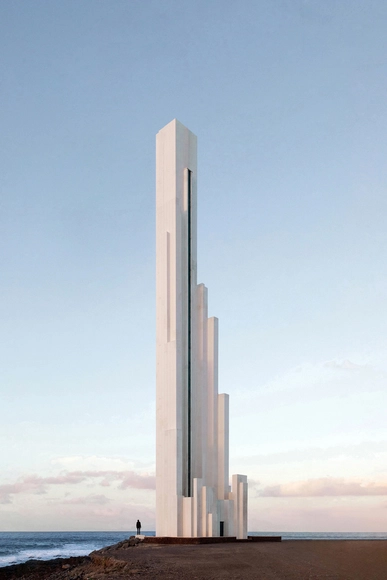
For the Architecture category, ArchDaily collaborator Ana Skobe has been declared the winner with a photograph titled “Falling Out of Time.” Bathed in the soft hues of evening light, a sleek geometric structure rises from the coastal landscape, its clean lines contrasting with the natural elements surrounding it. Positioned at the base of the lighthouse, a solitary figure gives a sense of scale to the composition, as it contemplates the vastness of the ocean.
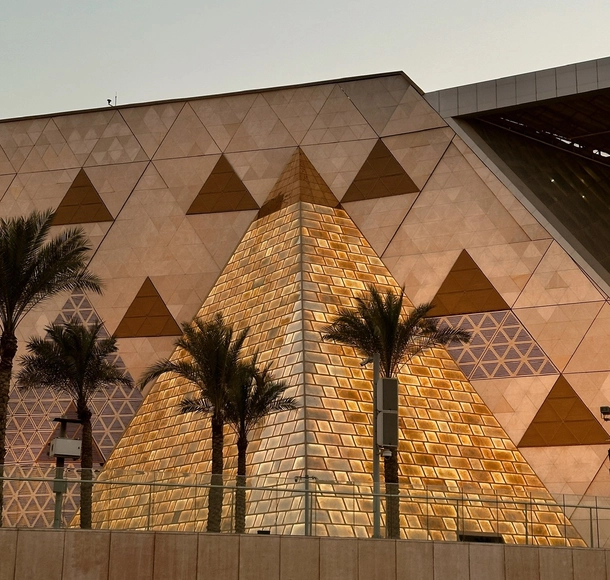
Showcasing millennia of Egyptian history and culture, the Grand Egyptian Museum is a monumental project in Cairo, Egypt, designed by the Irish firm Heneghan Peng Architects. Home to over 100,000 artifacts spanning Egypt’s storied past, the museum is on the brink of opening its doors to the public after multiple setbacks. Recent updates offer glimpses of the structure’s progress, with photographs captured by Egyptian photographer Farida Bustani providing sneak peeks of the architectural landmark.
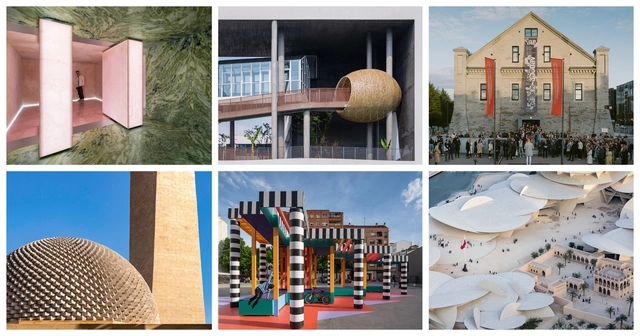
Spanning continents and cultures, architecture-focused events serve as platforms for the gathering of diverse groups of professionals to share innovations and embark on dialogues regarding some of the most pressing matters faced by our profession. Embodying the spirit of collaboration, highlighting local cultures and practices, and fostering open debates, this year’s list of events covers a diverse range of biennales, forums, city-wide celebrations, international fairs, and awards.
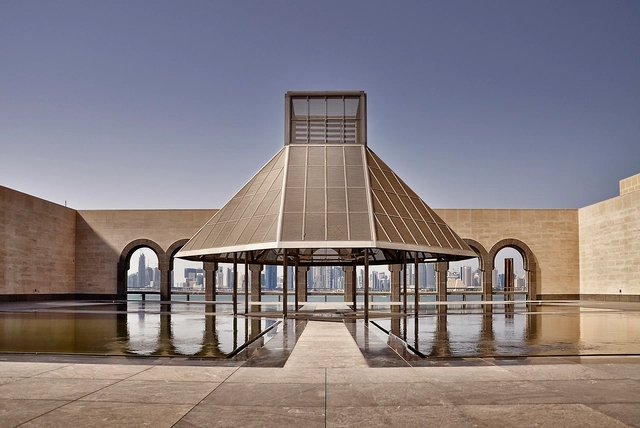
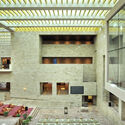
Doha, the capital of Qatar, is the residence of more than 90% of the country's population, which amounts to about 1.7 million people, with over 80% being professional expatriates. In its historical past, Doha was primarily a fishing and pearl diving town, characterized by numerous traditional individual houses until the mid-1960s. Modernizing the city occurred mainly during the 1970s, although its pace slowed in the 1980s and early 1990s. However, Qatar has recently emerged as one of the world's fastest-growing economies, lending significant geostrategic importance to Doha.
The country's development vision revolves around reducing dependence on natural resources and embracing a knowledge-based economy encompassing international universities, high-tech industries, IT services, and advanced producer services. Much of the coastline, including the corniche, has been artificially constructed. Several notable areas contribute significantly to the evolving character of the city. The city’s contemporary architecture has been captured through the lens of photographer Pygmalion Karatzas.
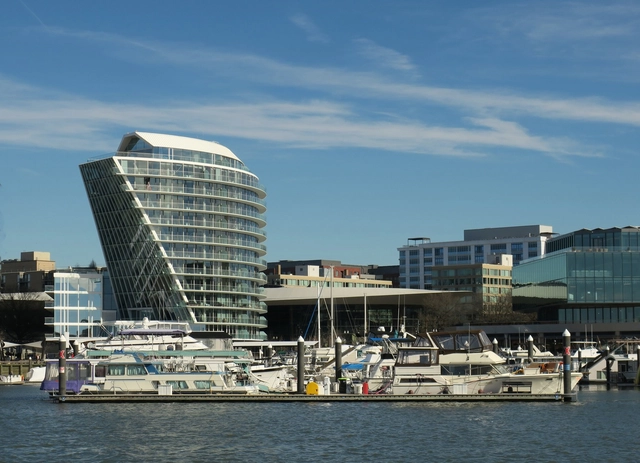
Paul Clemence has released images of the Amaris mixed-use development in Washington D.C., one of the latest works completed by renowned Uruguayan American architect, Rafael Viñoly. The photographic series reveals a distinctively shaped curvilinear building opening towards public spaces along the Potomac River. The volume is created to accommodate residential units with generous views toward the surrounding landscape, marking the terminus point to a row of new buildings in The Wharf development.
The heritage of Mexico City is extremely rich and diverse due to a long history that overlays like layers above the urban fabric since pre-Hispanic times. Currently, it is one of the largest cities in the world, and its heritage is reflected in its architecture, museums, historical sites, cultural traditions, protected sites, gastronomy, and much more. This chronology has been evidenced through various historical records. However, contemporary recording is essential in moments where we are writing history immediately with different digital tools.
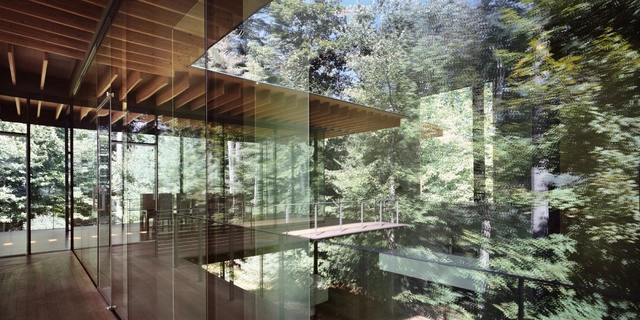
Japanese architect Kengo Kuma and Greek photographer Erieta Attali have been working together for over twenty years. Their joint work is characterized by a shared aesthetic understanding of architecture, space, and visual perception. In both Kuma’s buildings and Attali’s photographs, interior and exterior spaces merge and dissolve into one another. Both are united by the idea that spatial experience is fleeting, shaped by the rhythm of the day and the seasons, making built space a medium that expands into the landscape and encourages people to question their notion of spatial boundaries.
Rosetta Bonatti – Untitled. Image Courtesy of URBAN Photo Awards
The URBAN Photo Awards 2023 has announced its list of Finalist Photographers, marking the penultimate stage of the international contest. The finalists, categorized by section and thematic area, are presented without hierarchical ranking, encompassing a collection of over 70 single photos, 20 projects & portfolios, alongside 5 Book Award volumes selected by the jury. As the competition unfolds, the internationally-recognized World Photography Day adds another layer of relevance to this display. Commemorated annually on August 19th, this celebration strives to bridge the divide between photographers and the broader public. This year's iteration revolves around the theme "Landscapes." The URBAN Photo Awards 2023's diverse showcase serves as a fitting nod to the upcoming World Photography Day, where the camera highlights facets of our urban surroundings.
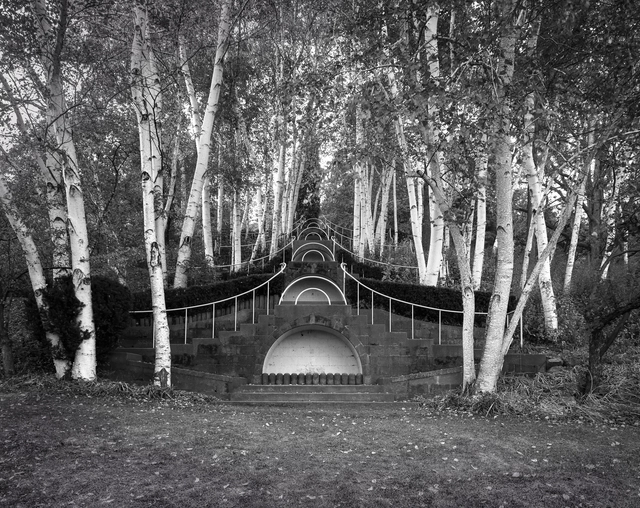
The photographic archive of landscape photographer and architect Alan Ward has been recently gifted to the Cultural Landscape Foundation (TCLF). The collection features 110 Portfolios composed of approximately 2,500 images of parks, estates, memorials, gardens, university campuses, cemeteries, museums, and botanical gardens, taken in 12 different countries, and captured by Alan Ward, a principal at the Boston-based firm Sasaki and a Fellow of the American Society of Landscape Architects.
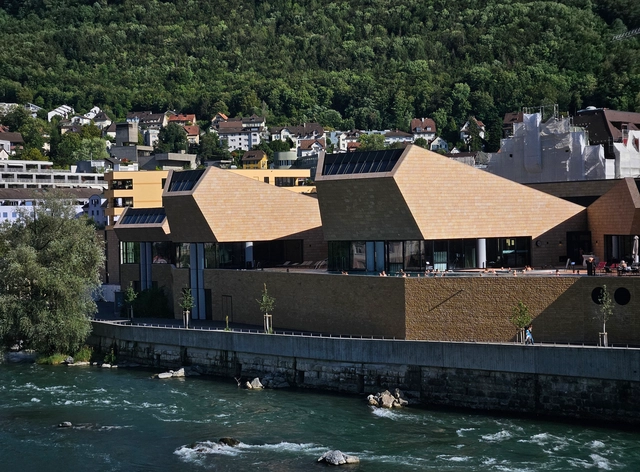
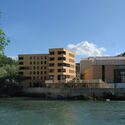
Fortyseven is a novel thermal wellness spa designed by the architect Mario Botta, nestled alongside the Limmat River in Baden, Switzerland. Baden, renowned for its rich cultural and wellness offerings, boasts a spa heritage that extends over thousands of years. The Fortyseven Thermal Wellness Spa has revitalized this historical legacy by presenting wellness culture through a modern lens. Designed by Mario Botta, this project offers an immersive encounter for the body, mind, and soul. The essence of the site and its design is captured by the lens of architectural photographer Paul Clemence, in his latest series.
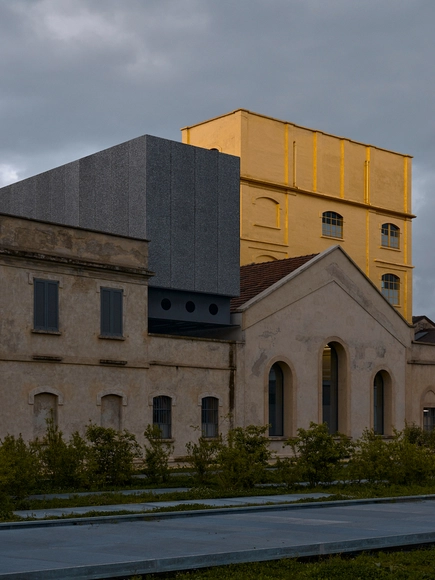
In 2018, OMA opened the Fondazione Prada in Milan, Italy, housed within a former gin distillery established in 1910. The project which includes a statement facade cladded in 24-carat gold leaf and camouflaged mirrors, comprises the renovation of seven buildings in the Largo Isarco industrial complex on Milan’s southern outskirts, making the foundation neither a preservation project nor a new architecture. Recently, photographer Bahaa Ghoussainy captured the infamous structure in his new architectural photo series.
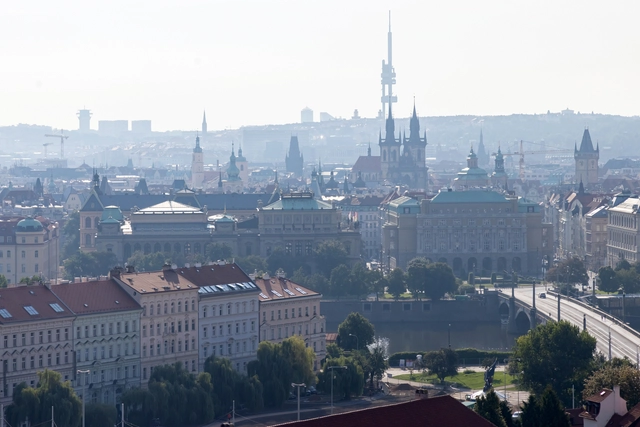
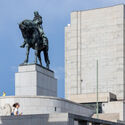
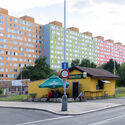
In the summer of 2022, Iwan Baan completed an urban pilgrimage through the unique streets of Prague. For 7 days, the photographer photographed the city on foot, on a bike, and from a helicopter, capturing the essence of the urban fabric, from the center to the periphery and the landscape along the Vltava River. Presenting the city as a raw and often neglected entity, Iwan Baan showcased his exhibition “Iwan Baan: Prague Diary” this year at CAMP.
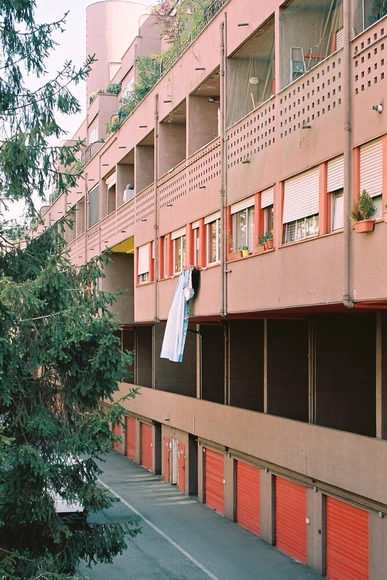
In the aftermath of the Second World War, a drastic housing shortage spread across Europe, and Milan was no exception. Various plans and solutions were conceived to address this crisis, outlining satellite communities for the city to accommodate between 50,000 and 130,000 residents each. The first of these communities began construction in 1946, just one year after the war's end: the Gallaratese project.
Erieta Attali’s photographic projects develop over long committed years and through many, many images. Yet for this, her second exhibition at the Byzantine Museum, she has distilled the profound dialogue she entertains with architecture into a selection of fifteen photographs. These are images of layered perceptions that capture the very essence of her approach to architecture and photography as complementary experiences of shifting opticality.