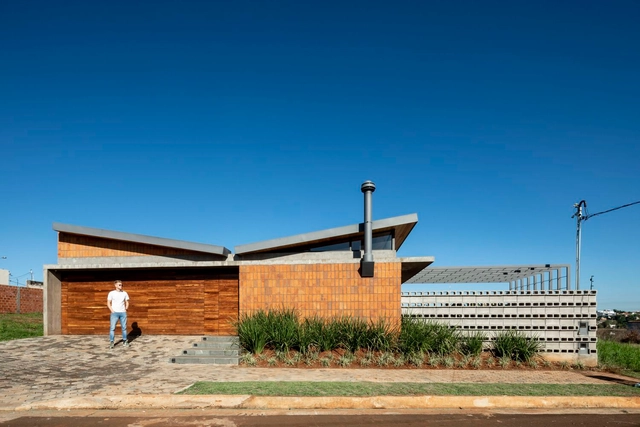
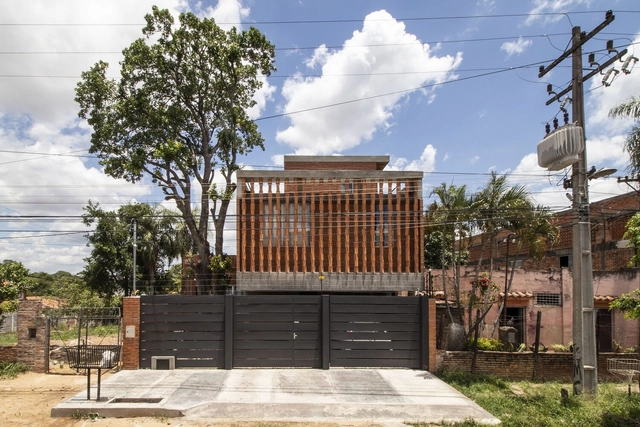
Facades are the calling card of any building, shaping visitors' first impressions of the space they are entering. They are also the part of a building most exposed to the elements and street pollution, requiring periodic maintenance. This article offers practical tips to guide you when renovating the front of your home.
ArchDaily's curatorial team strives every day to present our readers with the most significant, inspiring, and innovative projects, while also ensuring a diverse representation of global architecture.
As part of our 2023 Year in Review retrospective on ArchDaily, we look back and reflect on what was published over the past year. Residential architecture remains one of our most visited categories of built projects, generating immense interest among our users worldwide. With this in mind, we have selected the 50 best houses published this year on ArchDaily en Español, offering a brief showcase of the form and character of residential architecture across the Spanish-speaking world.
What began as a project to promote Paraguayan art has turned into a compelling showcase for local architecture. This is how The Society Paraguay was born in 2014, a collective currently made up of Mauricio Paiva, Salma Abraham, Leonardo Méndez, and Verónica Díaz de Vivar.
"Our beginnings stemmed from the desire to produce, document, and disseminate information on the architectural, artistic, and design worlds in Paraguay," the founders explain in a conversation with ArchDaily en Español. Although it is currently a purely digital project, they explain that their goal is to complement it "with printed material that can achieve a broader reach."
The Latin American Architecture Biennial (BAL), which has gained significant relevance in the contemporary architectural scene, will celebrate its ninth edition next year. This meeting gathers emerging Latin American architecture studios in Pamplona, Spain, to share their work, fostering dialogue and debate about the current state of the discipline, as well as acting as a bridge between the Latin American continent and the Spanish context. In this edition, Costa Rica will be the guest country, accompanied by Honduras, El Salvador, Panama, Guatemala, and Nicaragua. As part of this invitation, there will be an exhibition and specific seminars dedicated to analyzing the situation of architecture in these countries.
Refurbishment is an increasingly common and fundamental practice in contemporary architecture. More than a trend, it represents a crucial strategy for reducing resource consumption and minimizing waste generation, providing clear advantages over brand-new constructions. In the Latin American context, this philosophy stands out for its unique characteristics. It intricately weaves circularity and climate action with local materials, addressing economic challenges while harmonizing Indigenous, colonial, and contemporary influences.
Housing plays a crucial role in this context, where traditional materials and construction techniques define each project's distinctiveness and integrate it into the community's social fabric. Throughout Latin America, regional identities are deeply embedded in refurbishment efforts, ranging from restoring facades and repurposing wood to reimagining the use of demolition waste. The adaptation of spaces in these projects is influenced by their unique identities and geographic conditions, rooted in social and cultural expressions.
https://www.archdaily.com/1019030/housing-refurbishment-in-latin-america-10-projects-that-excel-in-the-use-of-materialsEnrique Tovar
The history of the use of lime in the construction industry dates back thousands of years, spanning cultures and communities worldwide. In fact, around 4000 B.C., the ancient Egyptians used quicklime mixed with water as a building material for their pyramids. Although lime has multiple applications in the food and agricultural industries, as well as in chemical, mining, and steel industries, in architecture it is one of the main construction materials due to its versatility, adhesion, waterproofing, workability, performance, setting, and durability, which allow for the creation of masonry mortars, interior or exterior plasters, among other functions.
The ArchDaily projects library is managed by our curators who constantly seek to populate our stream with the most interesting global works, showcasing evolving focuses and criteria. While we usually share our reader’s top 100 favorites, this year, we also decided to initiate our editor’s picks on the ArchDaily Instagram account, where our curators highlight some projects that include interesting themes and unique traits.
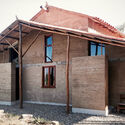
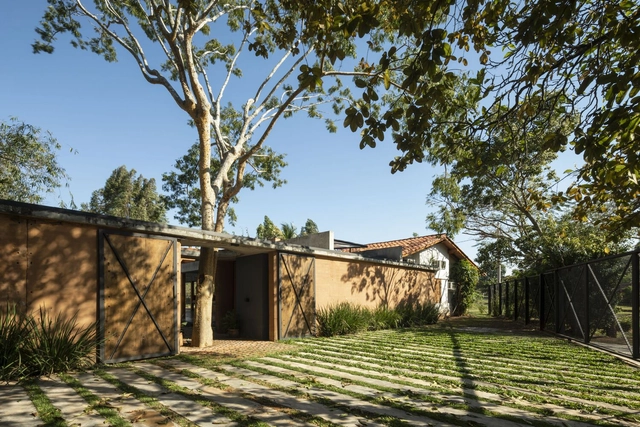
Being one of the first construction methods developed by humans, earth has proven its resilience and durability over time. While construction techniques have evolved and been updated over the years, there is still a long way to explore where the understanding of climate, geographic location, sustainability, structural requirements, and other factors determine its degree of application.
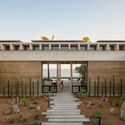
With low environmental impact and the ability to be used through a wide variety of techniques, such as rammed earth walls or 'tapiales,' this material offers the possibility of providing not only aesthetic but also thermal comfort, insulation, and other benefits. With the intention of discovering the different ways it has been used, we set out to select 12 projects distributed throughout Latin America, spanning Argentina, Brazil, Bolivia, Chile, Mexico, Paraguay, Peru, and Ecuador.
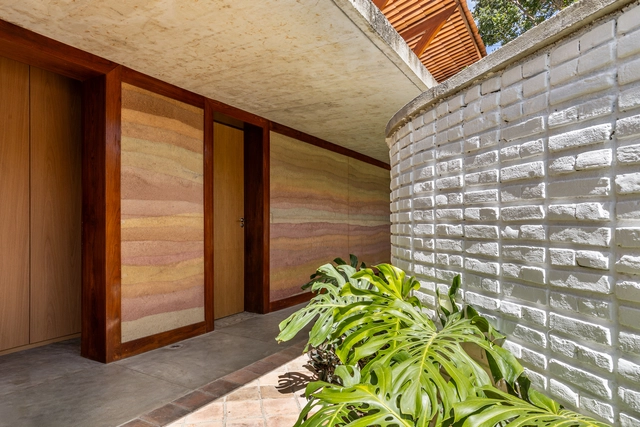
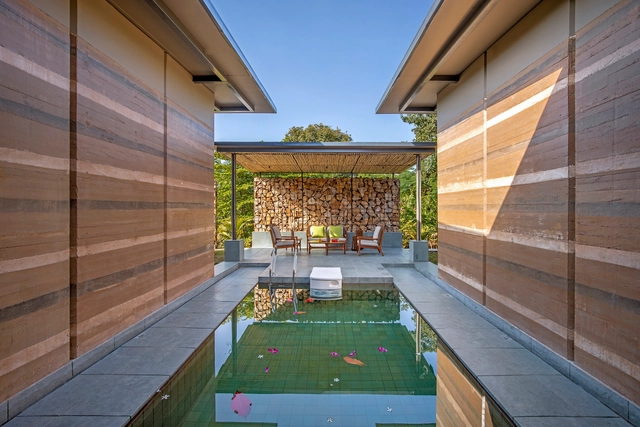
With the proper know-how, readily available earth, sand, chalk, lime, or gravel can yield a versatile, strong, and durable construction material. Its colorful results vary from region to region, depending on the natural soil component, climate, and treatment. While some prefer to minimize any added processing, others relish the exploration of rammed earth surfaces. Different textures and mesmerizing layers of multitoned or multicolored earth can be used to create a solid surface that enriches the visual quality of a space and carries a sense of warmth to any project.
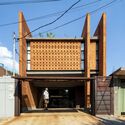
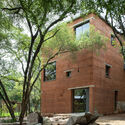
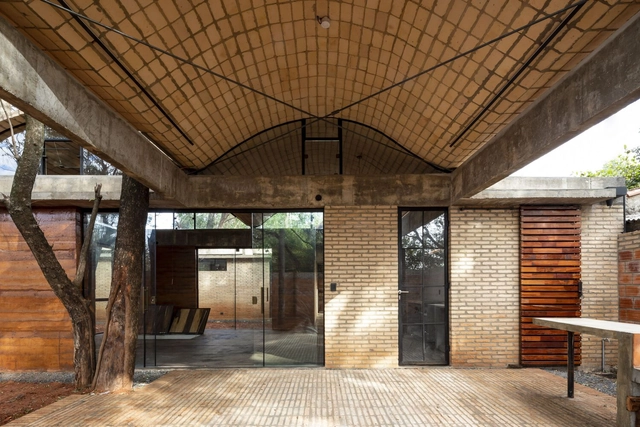
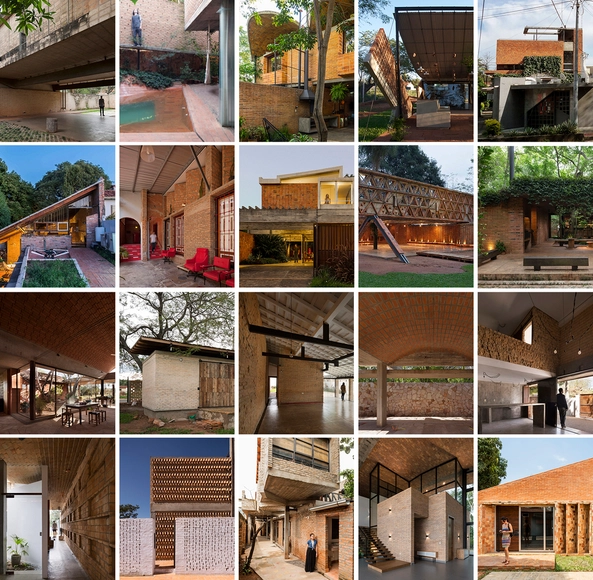
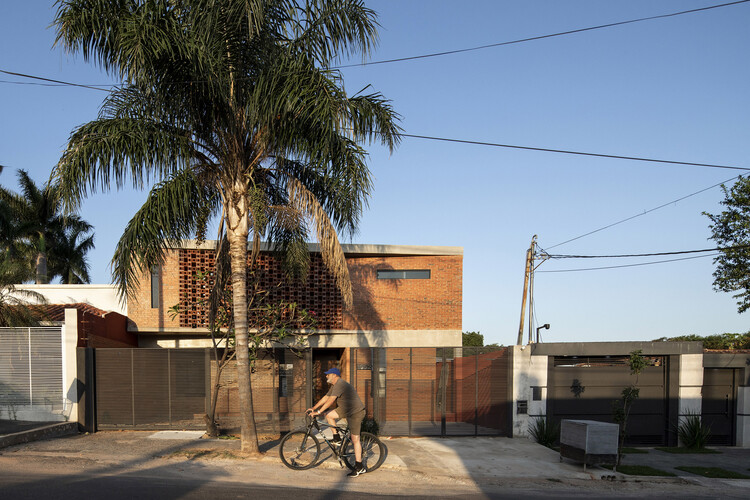
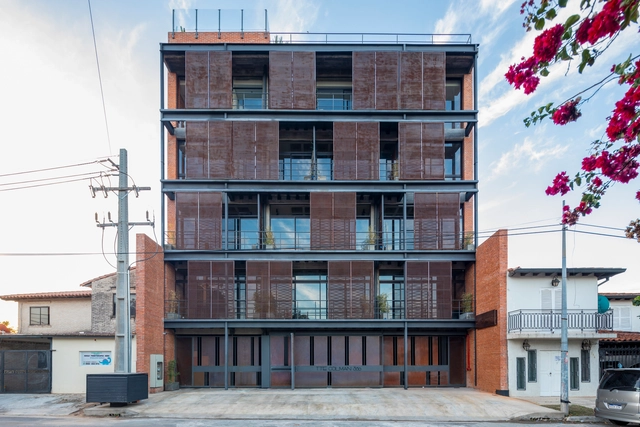
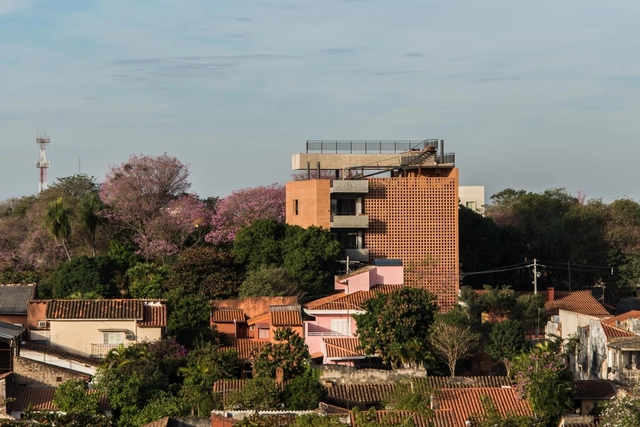
In Paraguay, brick can be many things. Walls, dividers, facades, sieves, vaults, floors, and pavement are just some of the many example that demonstrate, not only the variety of uses for brick, but the ingenuity of the architects who choose to utilize it in their projects.
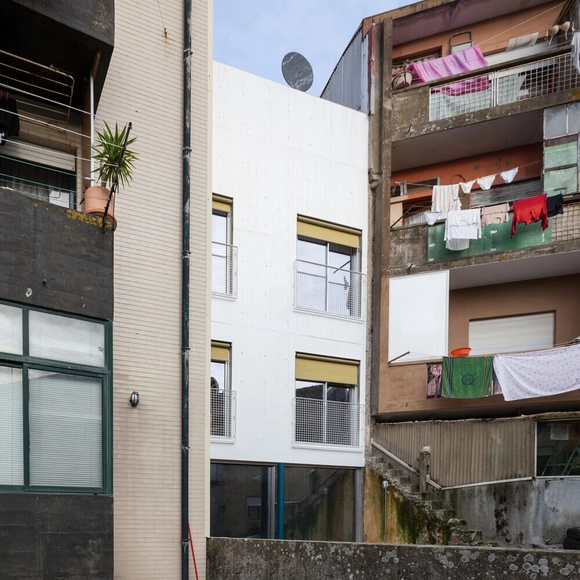


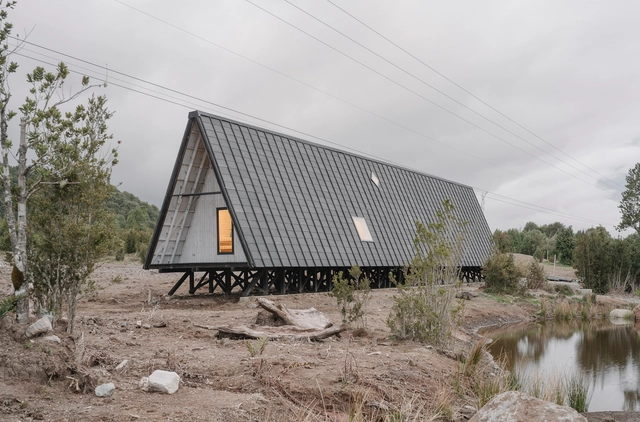




.jpg?1519919737 "tda luque Studio / TDA. Image")