

-
Architects: Rama Estudio
- Area: 2260 ft²
- Year: 2021
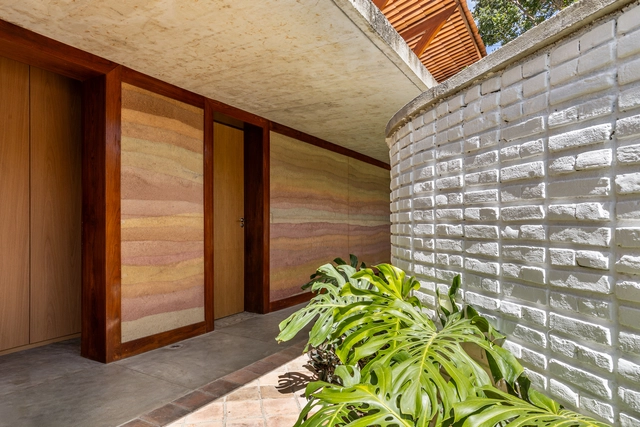
Being one of the first construction methods developed by humans, earth has proven its resilience and durability over time. While construction techniques have evolved and been updated over the years, there is still a long way to explore where the understanding of climate, geographic location, sustainability, structural requirements, and other factors determine its degree of application.
With low environmental impact and the ability to be used through a wide variety of techniques, such as rammed earth walls or 'tapiales,' this material offers the possibility of providing not only aesthetic but also thermal comfort, insulation, and other benefits. With the intention of discovering the different ways it has been used, we set out to select 12 projects distributed throughout Latin America, spanning Argentina, Brazil, Bolivia, Chile, Mexico, Paraguay, Peru, and Ecuador.
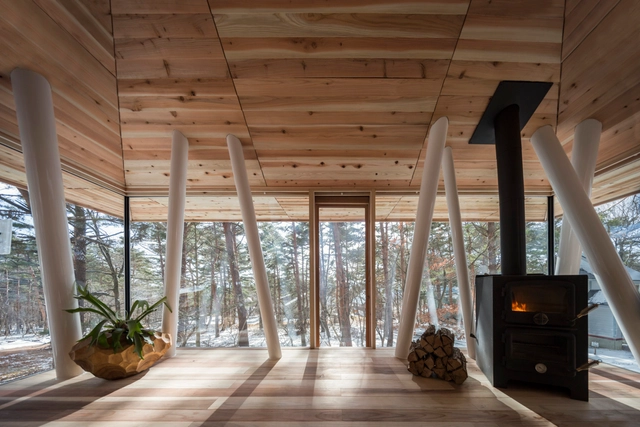
Some of the most picturesque projects are those built in the mountains; the rustic cabin wrapped with a floor-to-ceiling glass panel that overlooks the snow-covered trees. Visually, the architecture exudes an enchanting feeling, but is it truly a habitable space? When houses are built on an elevation of 3,000 meters, installing a fire element alone is not efficient or sustainable. Spaces on such altitudes or particular geographic locations require to be treated thoroughly, beginning with the architecture itself. Whether it's through hydronic in-floor heating systems or wall-mounted chimneys, this interior focus explores how even the most extreme winter conditions did not get in the way of ensuring optimum thermal comfort.
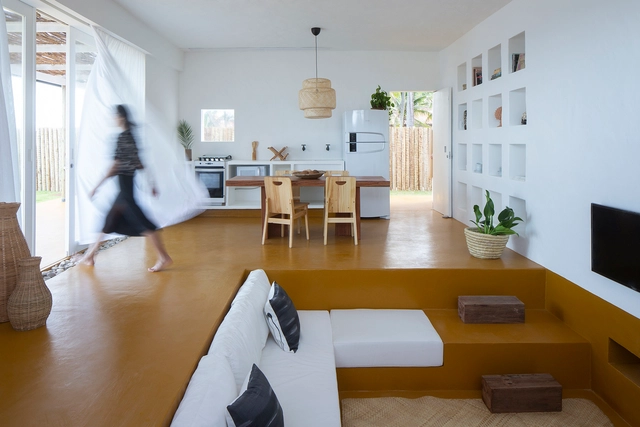
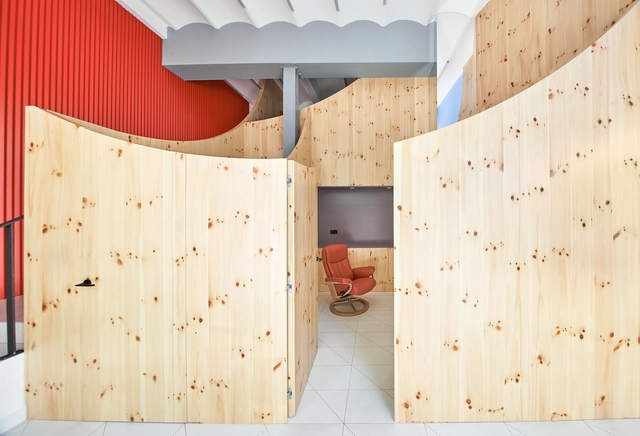
Implemented as a means to take full advantage of space, built-in furniture has grown in popularity as well as ingenuity as designers tackle the needs and tastes of a wide range of users. It's ability to adapt and integrate into architectural spaces allows it, through a variety of configurations and materials, to fulfill various functions; however, this poses an interesting question. Is it truly the furniture that adapts to our living spaces? Could it not itself become the protagonist and creator of the spaces that we project?
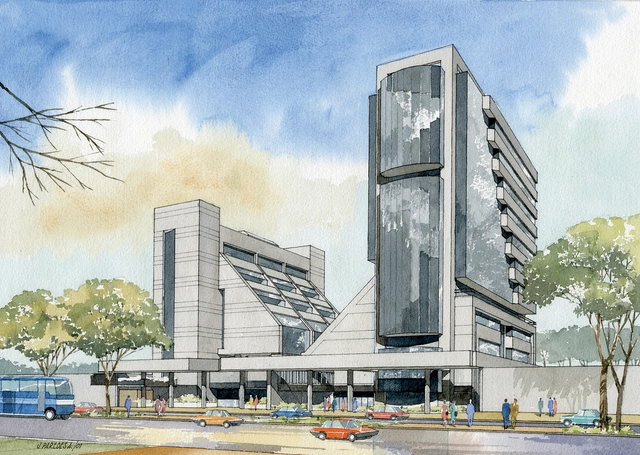
Rafael Vélez Calisto, a leading figure in shaping Quito's contemporary image, closed the latest Latin American Architecture Biennial with his lecture "The Trajectory of a Life," while Seville-based architect Manuel Ramos had already opened the event three days prior with his presentation, "The Last Century of Architecture in Ecuador." In the interim, practices ranging from MCM + A Taller de Arquitectura, Surreal estudio, Arquitectura X, Duran & Hermida, Diez & Muller, Espinoza Carvajal, and Arquitectura Sur to the selected young firms Rama Estudio and Emilio López presented a glimpse of both the historic and recent architecture of the country—the guest country of honor for the BAL 2023 edition.
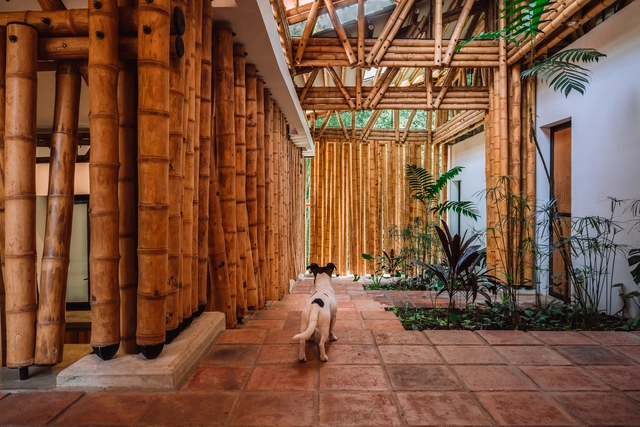
The use of local materials in architecture is becoming more and more important as there is a growing need to find new, sustainable construction methods that can help address the current climate crisis. Understanding the behavior of different materials and their key construction properties, architects and other professionals in the field are increasingly turning to bamboo, aiming to develop strategies and techniques that enable its use in both the structures of their projects and the various components of spaces.
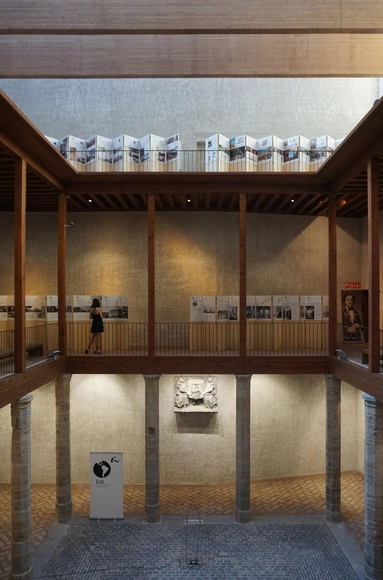
A new edition of the Latin American Architecture Biennial was inaugurated today, on September 26, in the city of Pamplona, Spain. The main program of the Biennial, featuring Ecuador as the guest country, will run until September 29 at The Condestable's House and the School of Architecture of the University of Navarra. Additionally, it will be complemented by extensions in Seville, Granada, Barcelona, and Madrid from October 2 to 5.
Throughout the annals of architectural history, timber has been a fundamental element in the evolution of building design and construction. From the ancient timber-framed structures of Japan to the medieval European cathedrals, timber's structural prowess and aesthetic appeal have left an indelible mark on human civilization. It wasn't until the Industrial Revolution's advent that a significant shift towards alternative building materials such as steel and concrete occurred, relegating the material to a secondary role in construction. As contemporary architects grapple with the consequences of climate change, however, timber has staged a remarkable comeback, offering an eco-friendly and structurally robust alternative. Internationally renowned firms are centering their designs around timber's potential, embracing its rich history while simultaneously harnessing advanced technologies to create awe-inspiring, sustainable structures that represent a harmonious blend of historical wisdom and modern innovation.
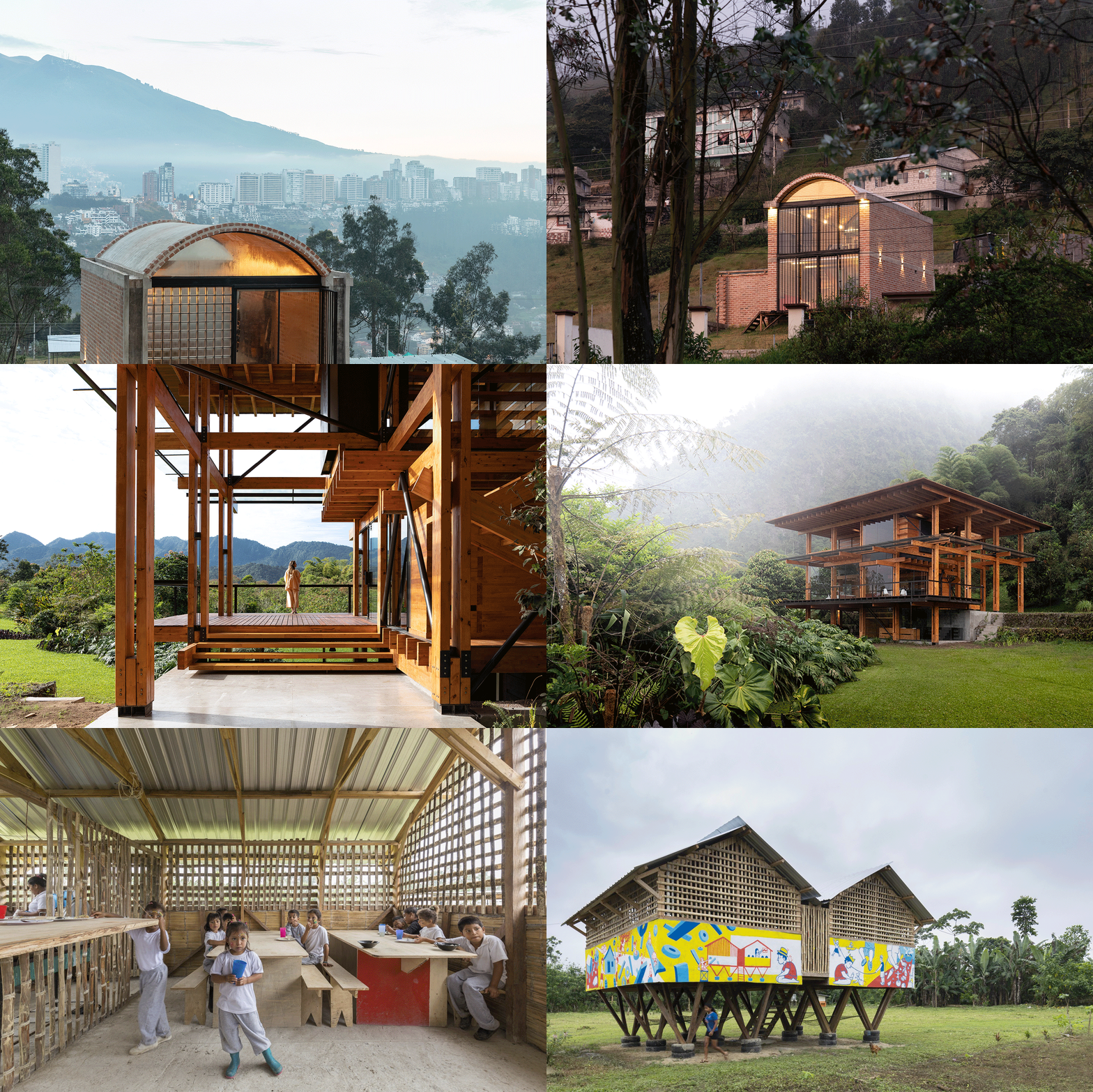
Taller General is a meeting point where Martín Real and Florencia Sobrero, among other members and collaborators, come together daily to pursue their passion: channeling their creativity through architecture while merging all the aspects that shape their lives, from activism to education.
From Ecuador, the team undergoes changes based on the project's needs, and for the most part, it expands through collaborative work that enables them to share diverse perspectives, opinions, and practices. This enriches the environment and produces outcomes that would be unimaginable from an individual standpoint.
For these reasons, Taller General was chosen by ArchDaily as one of the best new architectural practices of 2023. Next, we bring you an interview with Florencia and Martín to get a close look at their inspirations, work processes, and future projects.
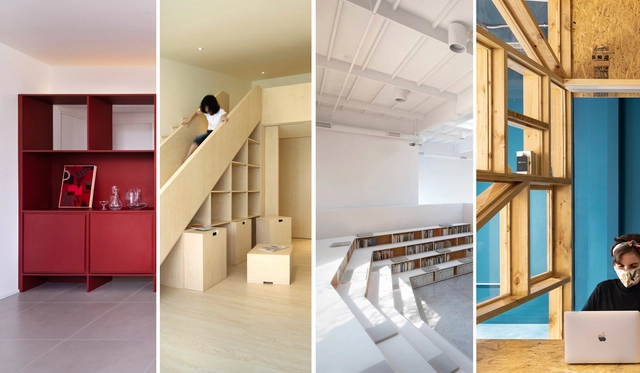
With the rise of small houses and dense cities, we were forced to sacrifice a good amount of storage space. Ironically, we did not compromise our purchasing habits, so with a few square meters to work with, architects and designers had to come up with efficient storage solutions and make the best of the limited space they have. However, if you were lucky enough to be occupying a large, unobscured space with a generous budget, your storage design possibilities are endless. In this article, we look at how architects and designers found creative ways to store their belongings in spaces with different functions, scales, and spatial constraints, ranging from completely invisible units to sculptural centerpieces.
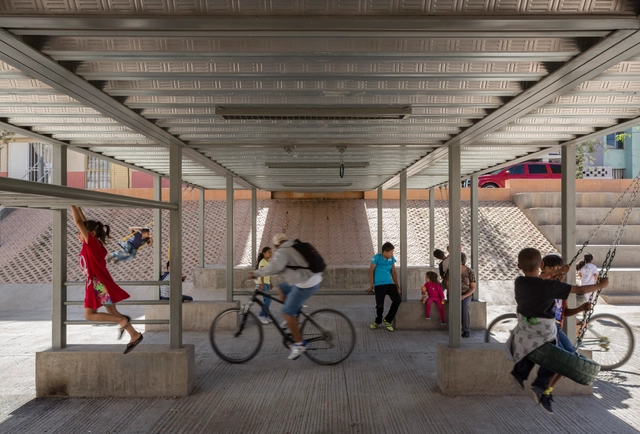
February 20th marks a new edition of the World Day of Social Justice. The theme, "Overcoming barriers and unlocking opportunities", is a perfect occasion to reflect on the importance of equity in all areas of society - and especially from architecture and urbanism. And yes: they both have a fundamental role in building accessible cities and are important tools for addressing the challenges of economic inequality and social exclusion.
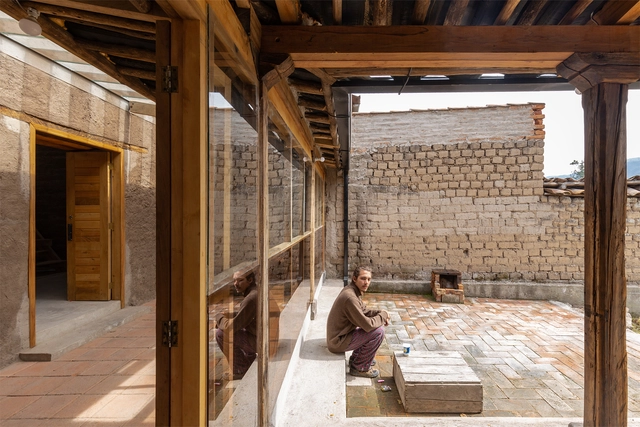
The 2023 Sharjah Architecture Triennial (SAT) will take place from November 11th, 2023 to March 10th, 2024, under the theme "The Beauty of Impermanence: An Architecture of Adaptability". Focusing on how scarcity in the Global South has led to a culture of re-use, re-appropriation, innovation, collaboration, and adaptation, the second edition of the architectural exhibition, curated by Tosin Oshinowo, aims to shift global conversations towards creating a more sustainable, resilient, and equitable future.


.jpg?1627408898&format=webp&width=230&height=230&crop=true)