

-
Architects: Enrique Mora
- Area: 830 m²
- Year: 2021
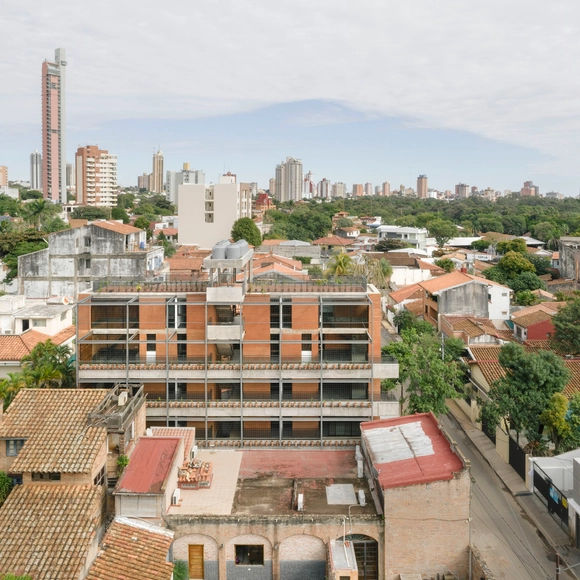
The Pan American Biennial of Architecture of Quito (BAQ2022) ended on November 18th. Organized by the Pichincha Provincial College of Architects of Ecuador (CAE-P), it has been held since 1978 with the aim of promoting dialogue, exchange, and reflection on architecture and the contemporary city. During this edition, the intention was to address the theme "Inflections: Seeing again", with the aim of providing a space for discussion and debate on architecture around the moments of inflection in history.
On the closing day, the winning projects for both the National Award and the Pan American Award were announced from among the nearly 60 selected finalists. At the same time, the winners of the Social Habitat and Sustainability Award were announced from among 8 selected finalists, as well as the two works that jointly won the Biennial Grand Prize. See all the winners below.

25 practices, sole practitioners, and startups from 5 continents and 18 countries have been chosen as part of the 2023 New Practices, the latest edition of the global annual survey by ArchDaily. Ongoing since 2020, the review detects and showcases those who are taking architecture in its new direction under unstable times and demanding challenges.
ArchDaily's New Practices has invited not only designers to apply but those practicing within the broadest definition of architecture and its exercise to share their innovative, fresh, and forward-thinking mission with us. As a result, the 2023 edition features designers, landscape architects, researchers, curators, activists, writers, and three ground-breaking startups—the modular construction U-Build, Urban Beta with their Beta Port building system, and the "Google Doc of Space Design" Rayon—thus joining previously highlighted firms: AEC-industry-oriented management software Monograph, energy transition startup Baupal, online design platform and marketplace CANOA, and 3D-printed housing company ICON.
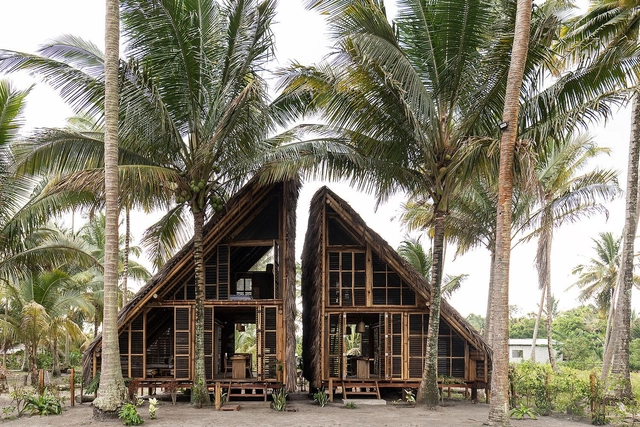
The Latin American Architecture Biennale (BAL) provides a perspective on the architectural scene—a bridge between Latin America and Spain. Currently organized by the AREA association in collaboration with the Pamplona City Council, the Basque-Navarre Association of Architects, the Government of Navarra, and the Ministry of Development, the event takes place primarily in Pamplona, with extensions in Madrid and Barcelona, alongside a traveling exhibition across the country.
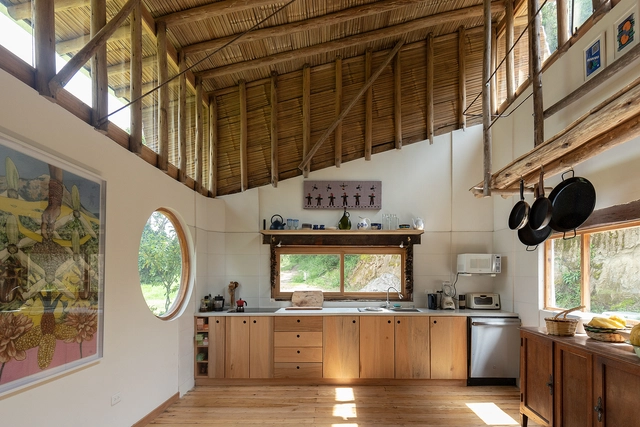
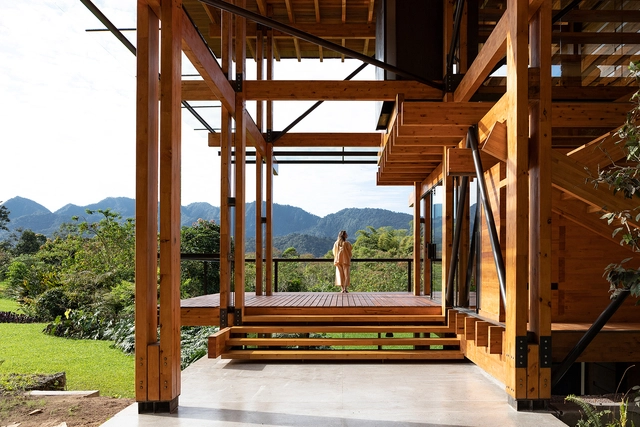
The Pan-American Architecture Biennial of Quito (BAQ2022) will take place at the Casa de la Cultura Ecuatoriana until November 18. Organized by the Colegio de Arquitectos del Ecuador, Provincial de Pichincha (CAE-P), the biennial has been held since 1978, aiming to foster dialogue, exchange, and reflection on architecture and the contemporary city. This edition's theme, "Inflexions: Looking Back," aims to provide a space for discussion and debate on architecture surrounding turning points in history.
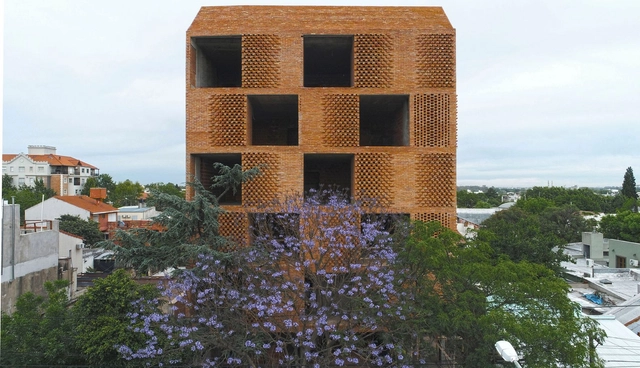
During the fourth day of the 18th Buenos Aires International Biennial of Architecture, the Biennial Awards were announced, highlighting architectural projects and works developed over the last four years both nationally and internationally. Awarded by the Biennial's Steering Committee, the categories spanned from single-family housing, multi-family housing, and interior design to landscape, urban space, and public and private facilities.
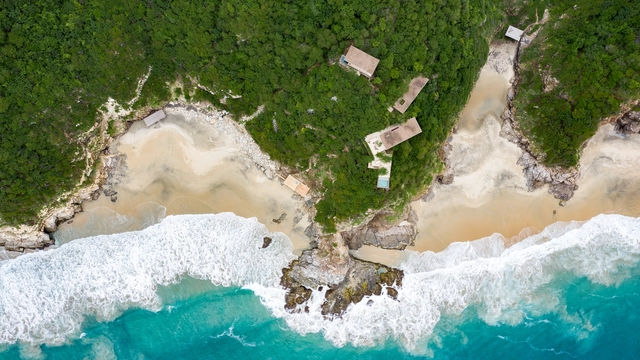
Is there only one way to inhabit the coast? The Pacific coast, the largest ocean on earth, is a vast territory with a great diversity of temperature, winds, and topography, among others. Consequently, it has a great variety of ecosystems, ranging from the freezing point near the poles, vast deserts and forests, to the hot tropical rainforest. Such majestic diversity is no stranger to architecture, responding to the different contexts in which it is placed. As a result, there is a great variety of architectural works, all of which share in framing the views of the sea.
The following list shows 30 residential projects along the Latin American Pacific coastline, revealing the diverse architectural approaches that exist along the coast.

As engines of the economy and production, cities are home to the largest masses of people and it is estimated that by 2050, they will be home to 70% of the world's population. In this context, architects are incorporating the articulation of mixed uses in their buildings on a daily basis, seeking to encourage diversification and avoid mono-functionalisation.
The end of the 19th century in the Americas is marked by a wave of historical disputes and political transformations that have as a backdrop the search for a national identity. The period records a series of conflicts and disputes for the independence of what we now know as sovereign countries and republics. In this context, the Pan-American or Spanish-American movements emerged, which, despite having different political influences, aimed at the unification of all the territories of the American continent.