
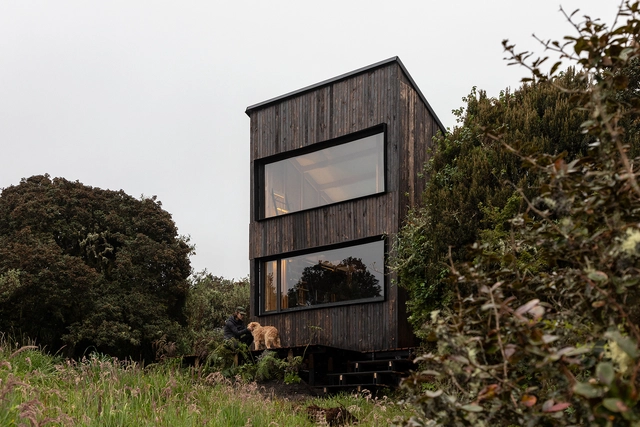
Outside Inside Pavilion / Tohmestudio


https://www.archdaily.com/980395/pabellon-outside-inside-tohmestudioAndreas Luco
Domestico / Juan Alberto Andrade + María José Vascones


-
Architects: Juan Alberto Andrade, María José Vascones
- Year: 2022
-
Manufacturers: Aglomerados Cotopaxi, Novopan, Área UIO
https://www.archdaily.com/980221/domestico-studio-juan-alberto-andrade-plus-maria-jose-vasconesPilar Caballero
Houses in the Forest: Examples That Dialogue with the Environment in Latin America
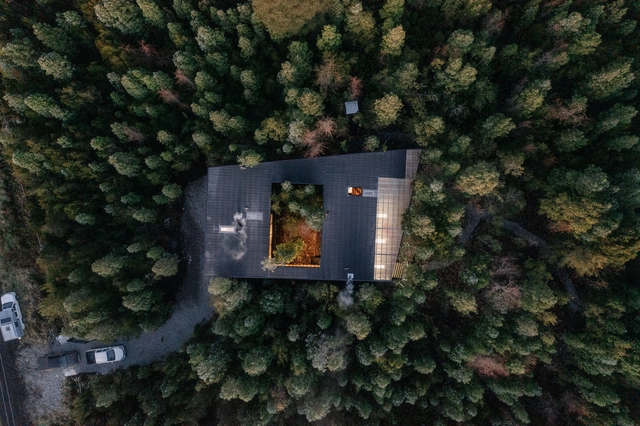
What role do forests play in our daily lives? In what ways can they be converted into living spaces? What strategies can be implemented to reduce the environmental impact of our buildings? On the International Day of Forests, which is celebrated every 21st of March, this year we propose to raise awareness of the links between forests and our daily lives. Even though deforestation continues to advance, forests represent a source of great economic, social and ecological benefits.
https://www.archdaily.com/979075/houses-in-the-forest-examples-that-dialogue-with-the-environment-in-latin-americaAgustina Iñiguez
From Representation to Reality: 19 Projects that Rethink Representation Techniques
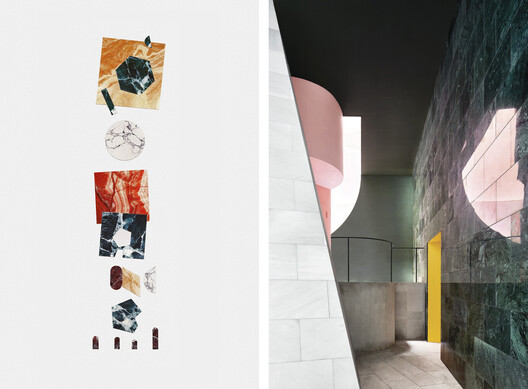
Graphics, even before language and writing, were the first means of communication and significance for humanity. Drawing is the act of replacing reality with representation, that is, replacing objects with images encoded in each of the graphic representation systems.
In architecture, graphics stimulate the imagination and are the basis of project thinking since they do not only constitute our code of communication but configure our ability to express ourselves in disciplinary terms. In fact, at first, the drawing is constructed in the mind of the architect, before it looks for support from any type of instrument.


https://www.archdaily.com/978226/from-representation-to-reality-19-projects-that-rethink-representation-techniquesAgustina Coulleri
Discover the winning projects of the 2022 Santa Cruz Architecture Biennial

Between March 25 and April 3, one of Bolivia's most important architectural events, the Santa Cruz International Architecture Biennial 2022 (VIII BASC), took place. Convened and organized by the Colegio de Arquitectos de Santa Cruz (CASCZ), this year's edition was held in a hybrid format under the theme *Reconectar* (Reconnect), referencing the global post-pandemic reconnection.
The event featured two main award categories for built works and projects—national and international—with a selection jury composed of Ivo Renato Giroto (Brazil), Martin Padrón (Venezuela), Fabián Dejtiar (Argentina/Chile), Roberto Ameneiro (Spain), and Carlos Álvarez (Costa Rica). On the final day of the event, the winners were announced; you can view them below.
https://www.archdaily.com/1132331/discover-the-winning-projects-of-the-2022-santa-cruz-architecture-biennialFabian Dejtiar
Pitaya House / Taller General + Jose María Sáez
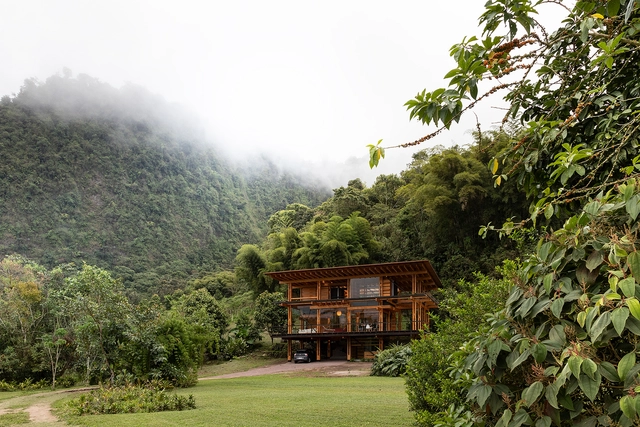


https://www.archdaily.com/979271/pitaya-house-taller-general-plus-jose-maria-saezPilar Caballero
50 Construction Terms & Concepts All Architects Should Know
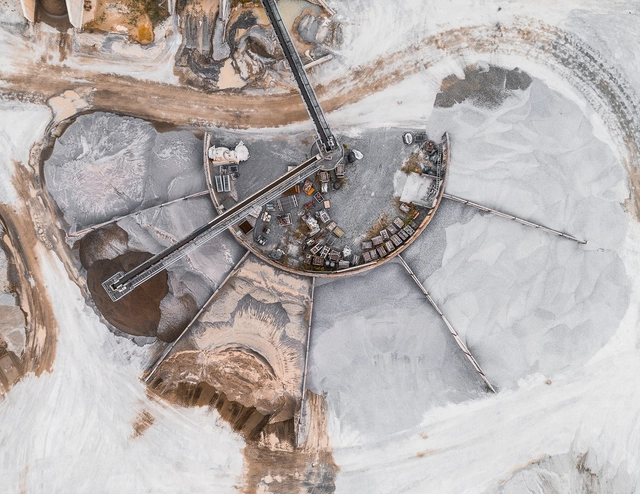
As with any industry, most skills are acquired through years of hands-on working and problem solving, and not just what's taught at school. For fresh architecture graduates, engaging with general contractors, engineers, and builders during their first site visits might feel overwhelming, especially since they are exploring the practical side of the practice.
Among the many things acquired on site are the terminologies used by construction workers that may not have been necessarily taught at school. And while an architecture dictionary might seem like the most suitable solution, carrying around a book with over 25,000 terms such as Cyril M Harris' Dictionary of Architecture and Construction wouldn't be the most convenient on a construction site. This is why we have put together list of 50 construction terms and concepts that every architect will come across at least once during their practice.


https://www.archdaily.com/898221/45-construction-terms-and-concepts-all-architects-should-knowDima Stouhi
The Mies Crown Hall Americas Prize Announces Nominated Projects and Jury for its 2022 Cycle
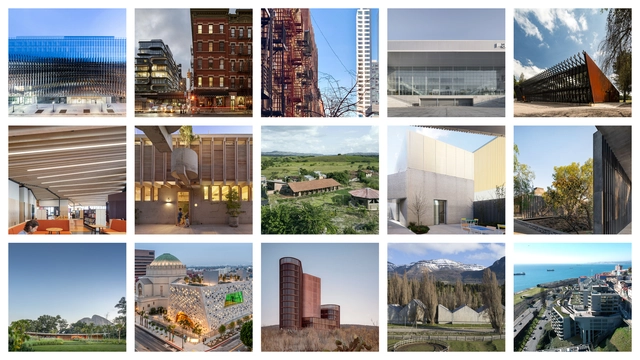
Mies Crown Hall Americas Prize announced the full list of jurors for its fourth edition, chaired by Sandra Barclay of Barclay and Crousse Architecture, and just released the nominated projects comprising 200 built works in North and South America, for MCHAP 2022 and 50 projects for MCHAP.emerge 2022.


https://www.archdaily.com/978240/the-mies-crown-hall-americas-prize-announces-nominated-projects-and-jury-for-its-2022-cycleChristele Harrouk
Installations on Show: 15 Examples of Applications in Interior Spaces of Homes
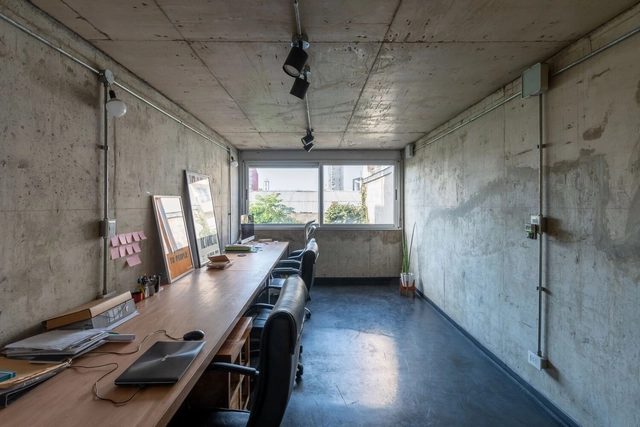
Pipes, wiring and ducts of different materials in walls, ceilings and roofs make up all the spaces we walk through and inhabit. They represent the set of networks and equipment necessary for the development of life in our buildings, providing services such as water, electricity or gas, among many others. According to the regulations in each country and the use defined in each space, the installations can be left visible, giving a certain character and aesthetic to interior spaces.
https://www.archdaily.com/978060/installations-on-show-15-examples-of-applications-in-interior-spaces-of-homesAgustina Iñiguez
2021 Prix Versailles Awards Global Winners Announced

After the announcement of the selected projects in the categories of Airports, Campus, Railway Stations and Sports, followed by the announcement of the 70 Continental Winning Projects of the Prix Versailles 2021 in the categories of Shops, Shopping Centres, Hotels and Restaurants, there turned out to be a total of 94 new projects competing in the 2021 Prix Versailles World Final.
https://www.archdaily.com/974869/2021-prix-versailles-awards-global-winners-announcedAgustina Iñiguez
10 Architectural Opinions of 2021
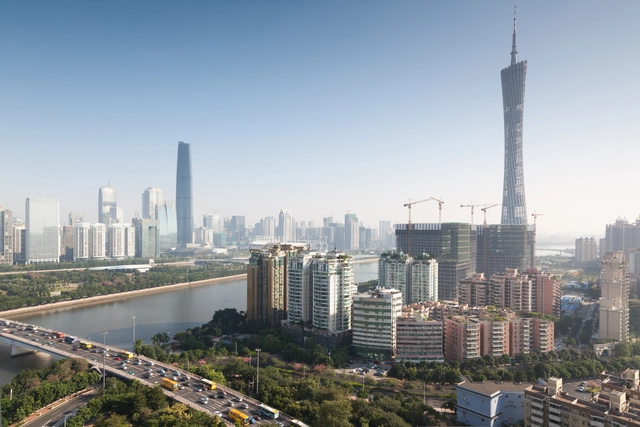
This second year of the pandemic was a tremendous opportunity to continue reflecting and debating on the most pressing issues in architecture. Along these lines, we wanted our readers to actively join in, contributing their experiences and knowledge. Throughout the whole year, each month we invited you to share your comments and opinions about the most diverse issues - from the future of cities, automation in architecture and collective design, to green architecture, adaptive reuse, migration, equity and interior wellbeing.
After reading and compiling all the messages received, both from construction professionals, as well as students and those interested in architecture, it is time to present the main points of view. Thank you very much for your opinions!
https://www.archdaily.com/974494/10-architectural-opinions-of-2021Fabian Dejtiar
La Pradería Sports Integration Center for Rural Areas / Natura Futura
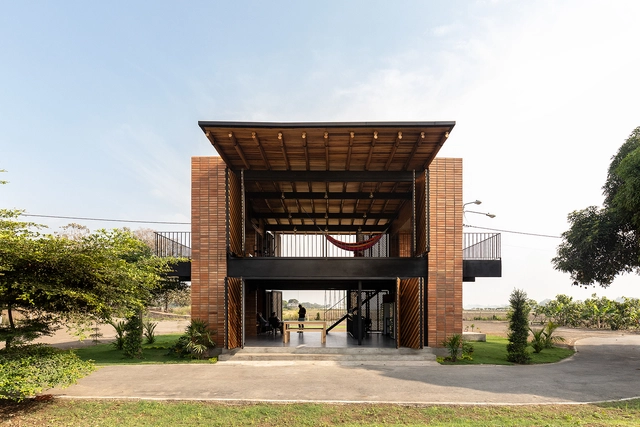


https://www.archdaily.com/974557/la-praderia-sports-integration-center-for-rural-areas-natura-futura-arquitecturaClara Ott
Architecture, a Vehicle for Those with No Part: Counter-Hegemonic Proposals in Ecuador
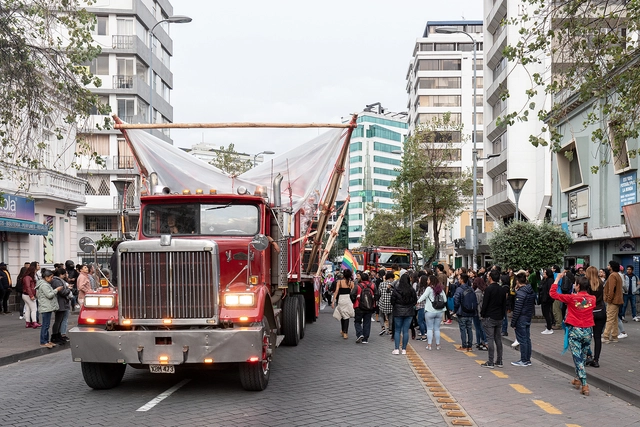
In the following article, Cuqui Rodríguez discusses the installations "La Puta Carra Loca" and the "Archivo Vivo de las Luchas Sociales" (Living Archive of Social Struggles), designed by Al Borde Arquitectos and La Cabina de la Curiosidad, presenting architecture as a vehicle of resistance against hegemony.
https://www.archdaily.com/1127808/architecture-a-vehicle-for-those-with-no-part-counter-hegemonic-proposals-in-ecuadorCuqui Rodríguez
Best Architectural Projects of 2021
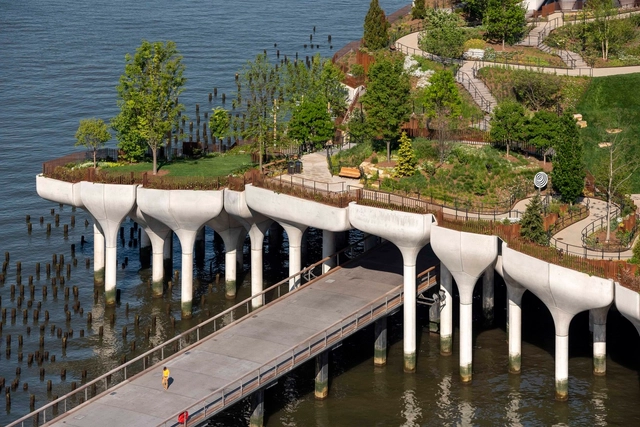


More than 5000 new projects published throughout 2021 make ArchDaily the largest online architecture library in the world. ArchDaily Curatorial Team researches, contacts offices, prepares, and delivers the built projects in the world on a daily basis, with the objective of providing inspiration, knowledge, and tools to our users who take part in the creation of better built environments.
https://www.archdaily.com/974013/best-architectural-projects-of-2021Clara Ott
Malaika House / BEarq + BUDA + DOSarq + SRO arquitectura


https://www.archdaily.com/973701/malaika-house-bearq-plus-buda-plus-dosarq-plus-sro-arquitecturaAgustina Coulleri
Best Houses of 2021
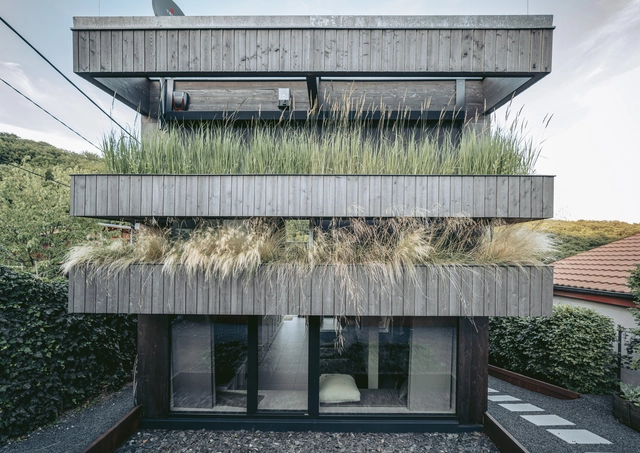


Residential architecture is one of the most popular categories among our readers. In 2021 we published more than 3,800 projects, featuring houses from different regions of the world and offering a variety of solutions, materials, contexts, environments, scales, and typologies. Providing a broad source of inspiration for those seeking references for their own residential project.
https://www.archdaily.com/973682/best-houses-of-2021Clara Ott
3D Printing, Prefabrication, and Interior Design: Construction Trends for 2022
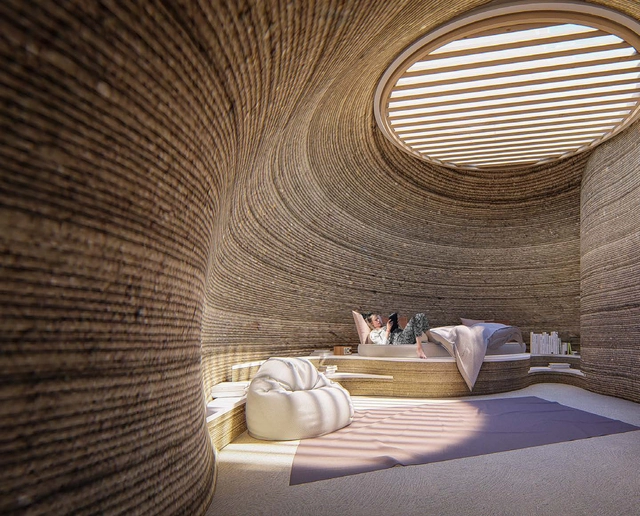
Jorge Drexler sings, in one of his songs, that “we always look at the river, contemplating the other riverbank”. Beyond understanding everything that was done, looking back at the past year can serve to get some clues about the future. This 2021, we published more than 160 articles in the Materials & Products section, covering a wide range of topics. From complex concepts such as 4D printing or very little processed materials such as hempcrete and bamboo, drawing a retrospective of the covered themes and understanding what interested our readers the most is an interesting exercise to foreshadow some trends in the future of the construction field. Looking at our most viewed articles, three large themes are evident: 3D printing, pre-fabrication, and interior renovation. Below, we present a compilation of each topic, reflecting on what we can dare to say about the trends in the construction industry that should consolidate in 2022.
https://www.archdaily.com/973281/3d-printing-prefabrication-and-interior-design-construction-trends-for-2022Materials
Arrachay 01 / Javier Mera Luna + Lesly Villagrán + María Beatriz Moncayo


-
Architects: Javier Mera Luna, Lesly Villagrán, María Beatriz Moncayo
- Area: 25 m²
- Year: 2020
https://www.archdaily.com/972812/arrachay-01-javier-mera-luna-plus-lesly-villagran-plus-maria-beatriz-moncayoValeria Silva