JAG Studio

BROWSE ALL FROM THIS PHOTOGRAPHER HERE

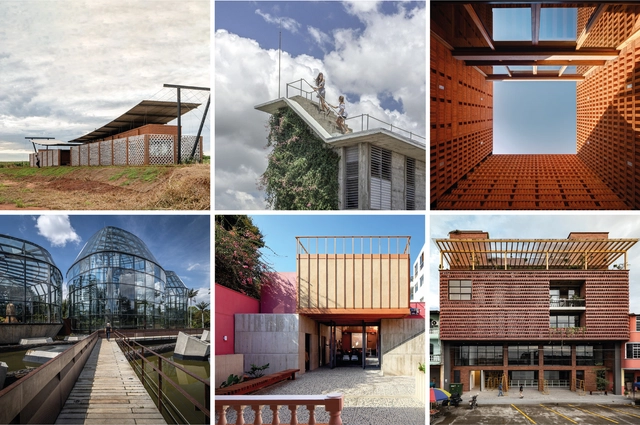
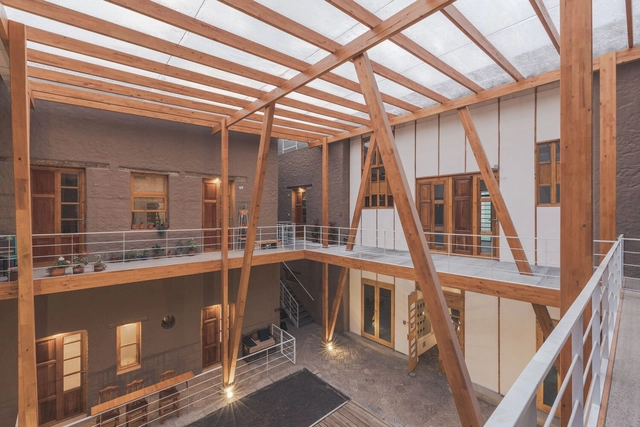
Responding to Displacement: Architectural Strategies Across Latin America

Audio available

Displacement is usually understood through movement: the moment people are forced to move from one place to another. Yet from an architectural perspective, that movement is only the beginning of what comes next. A house may need to be rebuilt, an entire community relocated, or everyday life reestablished somewhere completely new. What is lost through displacement is not always something architecture can simply replace.

This question is particularly relevant in Latin America, where displacement has shaped communities under different circumstances and at different scales. What happens afterward depends on why people were forced to move, whether they can return, and what remains of the places they inhabited. Some communities rebuild within familiar surroundings. Others must establish everyday life somewhere new. These differences shape what architecture is being asked to do.

Responding to Displacement: Architectural Strategies Across Latin America - More Images+ 16

Beyond Emergency Shelters: Modular and Vernacular Architecture in Post-Earthquake Reconstruction

Subscriber Access | 
Audio available

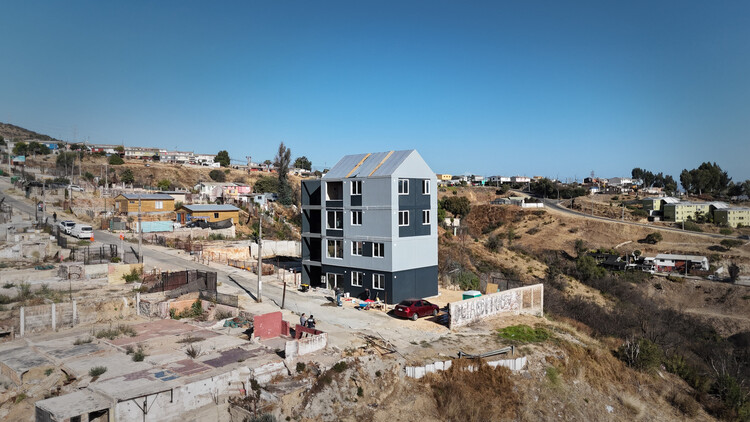
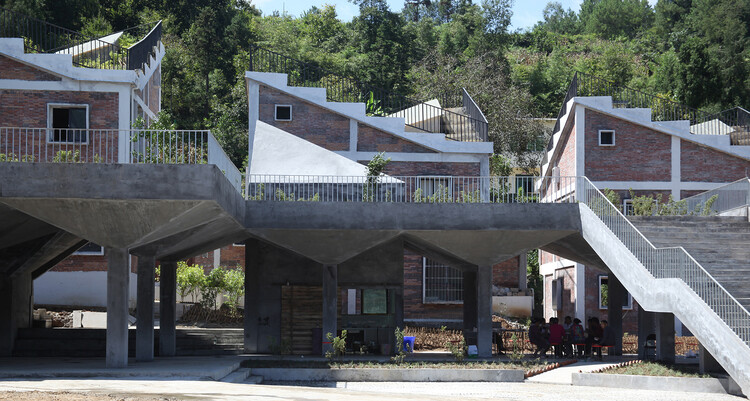
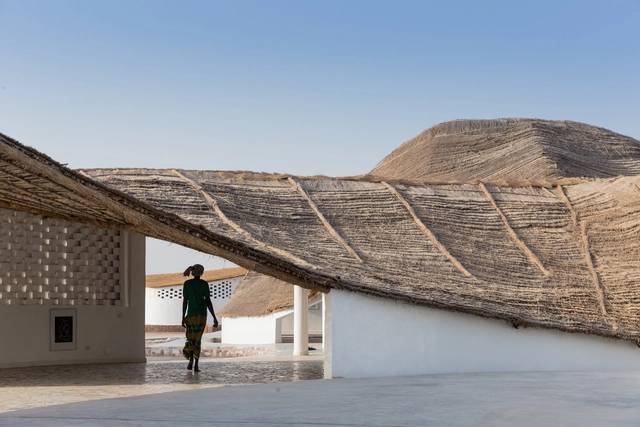
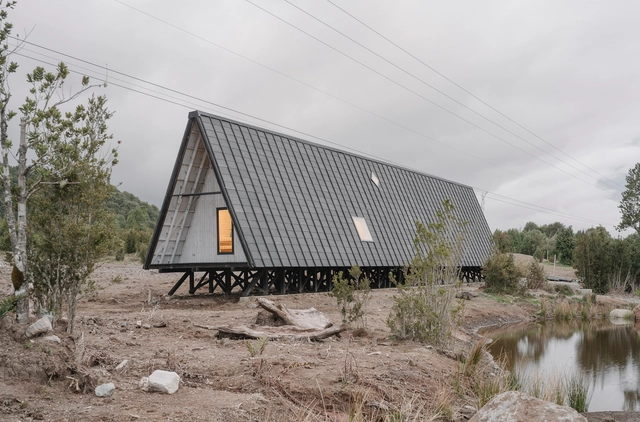
On June 24, 2026, a severe seismic event consisting of two major earthquakes with magnitudes of 7.2 and 7.5 struck north-central Venezuela just 39 seconds apart. The widespread destruction was concentrated along the country's northern coast, heavily impacting the capital city of Caracas and the neighboring state of La Guaira, where fragile urban infrastructure and vulnerable housing stock led to the collapse or severe damage of thousands of residential structures. This disaster mirrors previous devastating events observed during other major seismic events, including the 2008 Wenchuan earthquake and 2011 landslides in Sichuan, the 2014 Ludian earthquake in Yunnan, and the 2017 earthquake across central Mexico. When high-magnitude natural disasters damage entire communities, architects have the opportunity to help by proposing post-disaster architecture with strategic recovery models. Rather than relying on generic, standardized emergency shelters, conscious architectural design can deliver low-cost, rapidly deployable residential infrastructure that preserves human dignity through culturally contextual and dignified spaces.

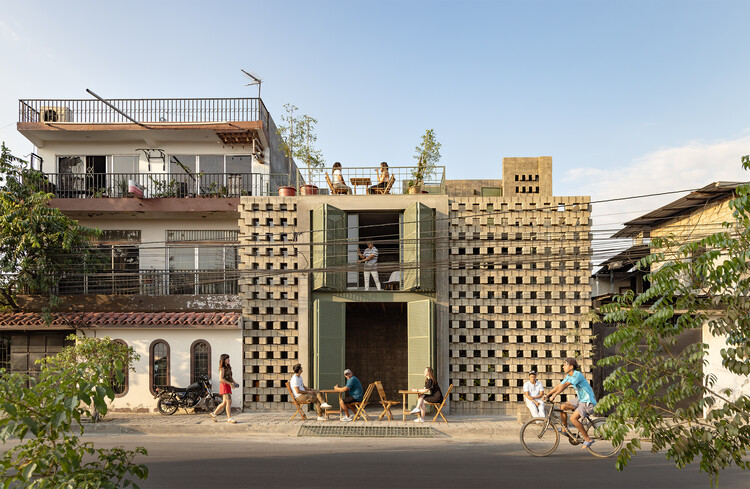
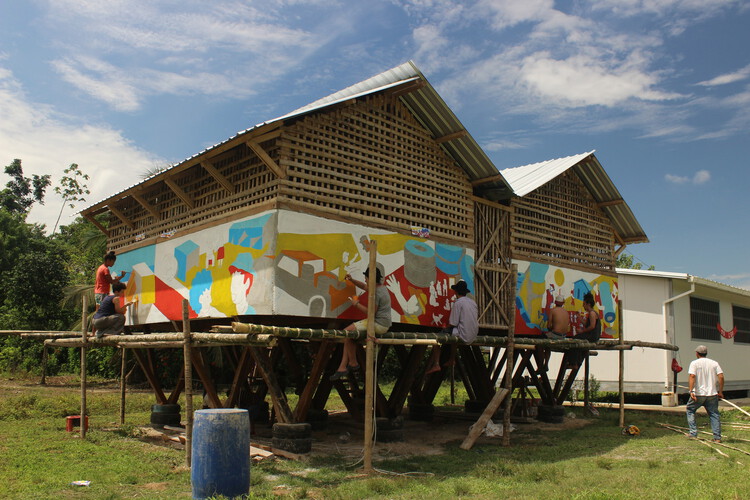
Beyond Emergency Shelters: Modular and Vernacular Architecture in Post-Earthquake Reconstruction - Imagem 1 de 4Beyond Emergency Shelters: Modular and Vernacular Architecture in Post-Earthquake Reconstruction - Imagem 2 de 4Beyond Emergency Shelters: Modular and Vernacular Architecture in Post-Earthquake Reconstruction - Imagem 3 de 4Beyond Emergency Shelters: Modular and Vernacular Architecture in Post-Earthquake Reconstruction - Imagem 4 de 4Beyond Emergency Shelters: Modular and Vernacular Architecture in Post-Earthquake Reconstruction - More Images+ 3

Architecture in the Andes: How Altitude Shapes Design Decisions

Subscriber Access | 
Audio available

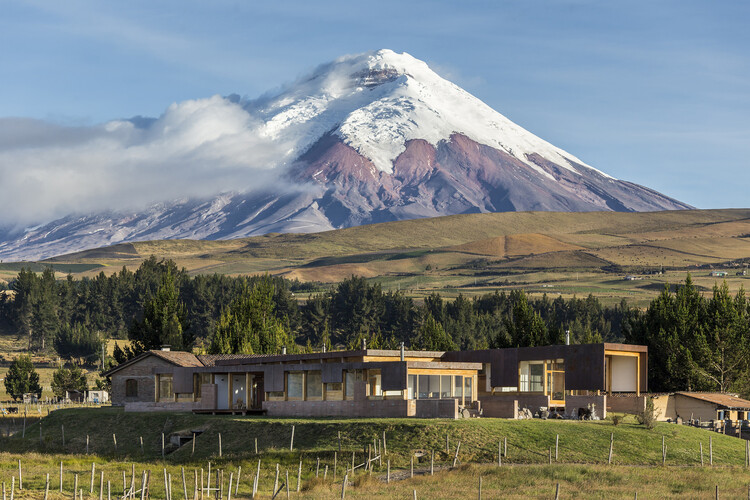
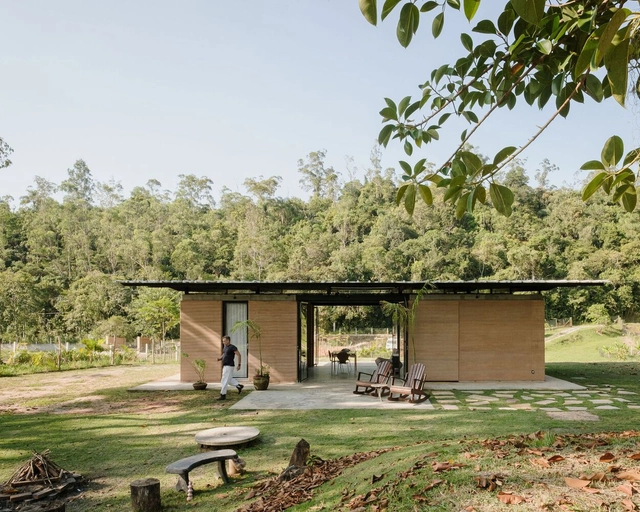
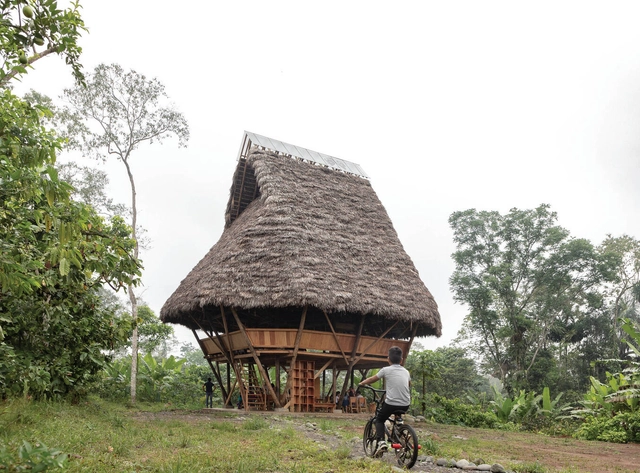
The Andes are often understood as a continuous mountain range, yet they encompass a wide range of climates and ecosystems. In Ecuador, Peru, Bolivia, Colombia, and Chile, páramos, dry highlands, temperate valleys, and snow-covered landscapes can exist within relatively short distances of one another. As elevation changes, so do temperature, solar radiation, humidity, wind, vegetation, and topography, producing environments that require different ways of building.

Unlike many mountain regions where cold is the defining environmental condition, high-altitude environments in the Andes combine several climatic conditions at once. As elevation increases, solar radiation becomes more intense. Some regions remain humid throughout the year, while others experience prolonged dry seasons. In many places, steep terrain, snow, and changing weather patterns become additional factors that influence how buildings are designed.

Architecture in the Andes: How Altitude Shapes Design Decisions - More Images+ 12

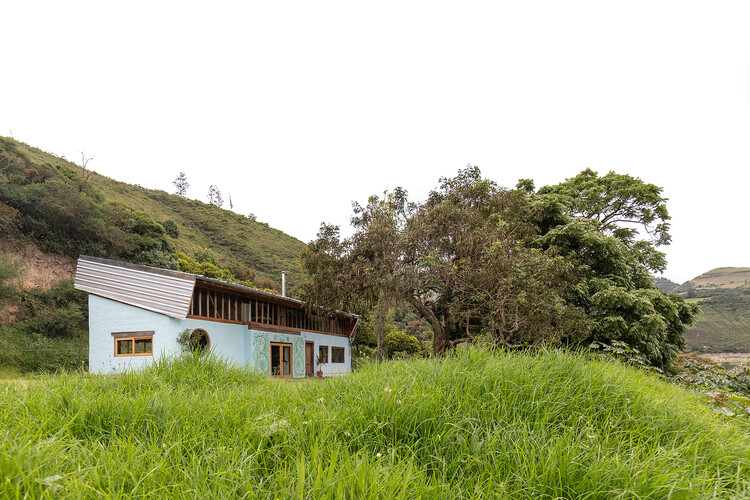
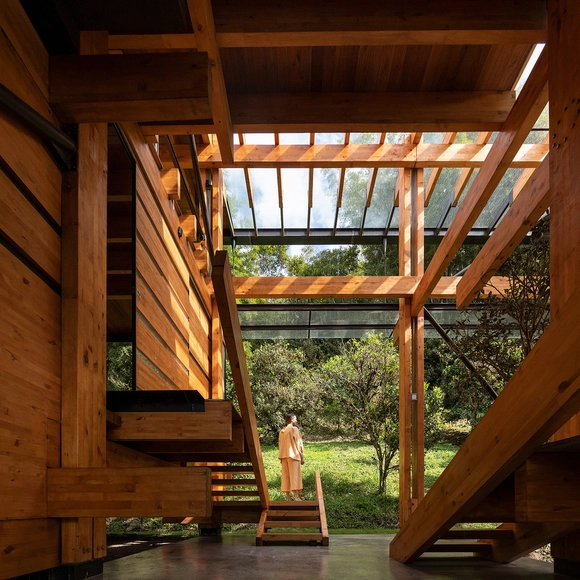
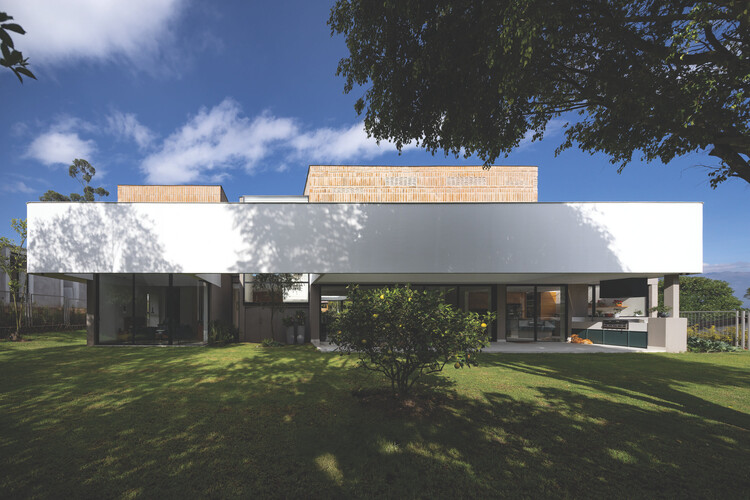
Forest House / Gabriel Rivera Arquitectos

Forest House / Gabriel Rivera Arquitectos - More Images+ 24

Quito, Ecuador

Building of the Year 2026: The award for the best architecture in the Spanish-speaking world begins

Subscriber Access | 
Audio available

The architecture of Latin America and Spain is a testament to the rich and diverse cultures, traditions, needs, and solutions that define these territories. With more than 700 completed projects in Spanish-speaking countries published on ArchDaily en Español, the time has come to explore, debate, and choose your favorites for the Obra del Año 2026 award.

Now in its seventeenth edition, Obra del Año reaffirms its position as the premier architecture award in the Spanish-speaking world, decided entirely by its community. Starting today, March 24, our readers will take on the responsibility of choosing the best architectural works of 2025.

Over the next three weeks, the collective intelligence of our community will navigate through hundreds of projects built across Spanish-speaking nations: Argentina, Bolivia, Chile, Colombia, Costa Rica, Cuba, Ecuador, El Salvador, Spain, Guatemala, Honduras, Mexico, Nicaragua, Panama, Paraguay, Peru, Puerto Rico, the Dominican Republic, Uruguay, and Venezuela.

Discover the 20 finalist projects of the 2022 Oscar Niemeyer Award for Latin American Architecture

This November, REDBAAL will mark its first decade of activity, a milestone celebrated alongside four editions of the Oscar Niemeyer Award for Latin American Architecture (ON Award). Over these years, more than 350 projects have been submitted, all of which share the distinction of having been previously recognized at the most prestigious architectural biennials across Latin America.

Discover the winning projects of the 2022 Santa Cruz Architecture Biennial

Between March 25 and April 3, one of Bolivia's most important architectural events, the Santa Cruz International Architecture Biennial 2022 (VIII BASC), took place. Convened and organized by the Colegio de Arquitectos de Santa Cruz (CASCZ), this year's edition was held in a hybrid format under the theme *Reconectar* (Reconnect), referencing the global post-pandemic reconnection.

The event featured two main award categories for built works and projects—national and international—with a selection jury composed of Ivo Renato Giroto (Brazil), Martin Padrón (Venezuela), Fabián Dejtiar (Argentina/Chile), Roberto Ameneiro (Spain), and Carlos Álvarez (Costa Rica). On the final day of the event, the winners were announced; you can view them below.

14 emerging practices selected for the Latin American Architecture Biennale (BAL 2023)

The Latin American Architecture Biennale (BAL) provides a perspective on the architectural scene—a bridge between Latin America and Spain. Currently organized by the AREA association in collaboration with the Pamplona City Council, the Basque-Navarre Association of Architects, the Government of Navarra, and the Ministry of Development, the event takes place primarily in Pamplona, with extensions in Madrid and Barcelona, alongside a traveling exhibition across the country.

The Architecture of the 2022 World Cup Countries in Qatar: Meet Groups A and B

Subscriber Access | 

The FIFA World Cup is one of the world's largest events, bringing together fans of all nationalities. Having previously been hosted across various continents, this year's tournament will take place in Qatar, a country on the Arabian Peninsula with a population of about 2.7 million people, the majority of whom are Muslim. Alongside the host nation, 31 other countries will compete for the title of world champion.

Beyond its status as a sporting event, the World Cup is also an opportunity to observe, learn about, and experience other cultures—especially for the host country. Divided into eight different groups, the first to play, from Groups A and B, will be Qatar, Ecuador, England, Iran, Senegal, the Netherlands, the United States, and Wales. Below, explore some examples of architecture from these countries. 

The Architecture of the 2022 World Cup Countries in Qatar: Meet Groups A and B - More Images+ 14

The 50 Best Houses of 2022

Subscriber Access | 

As another year comes to a close, the ArchDaily team gathers the highlights of architecture in a series of retrospectives reflecting on the content featured over the past twelve months. As part of this effort, our curation team turns its attention to one of the most popular categories among our readers, residential architecture, selecting the projects that represent the best of a vast global architectural production, as seen through the eyes of our audience.

The 50 Best Houses of 2022 - More Images+ 46

Discover the winning projects of the 18th Buenos Aires International Architecture Biennial

Subscriber Access | 

During the fourth day of the 18th Buenos Aires International Biennial of Architecture, the Biennial Awards were announced, highlighting architectural projects and works developed over the last four years both nationally and internationally. Awarded by the Biennial's Steering Committee, the categories spanned from single-family housing, multi-family housing, and interior design to landscape, urban space, and public and private facilities.

Discover the finalist projects of the Pan-American Architecture Biennial of Quito 2022 (BAQ2022)

The Pan-American Architecture Biennial of Quito (BAQ2022) will take place at the Casa de la Cultura Ecuatoriana until November 18. Organized by the Colegio de Arquitectos del Ecuador, Provincial de Pichincha (CAE-P), the biennial has been held since 1978, aiming to foster dialogue, exchange, and reflection on architecture and the contemporary city. This edition's theme, "Inflexions: Looking Back," aims to provide a space for discussion and debate on architecture surrounding turning points in history.

The 50 Best Houses of 2022

Subscriber Access | 

The 50 Best Houses of 2022 - More Images+ 50

As another year comes to a close, the ArchDaily team looks back at the year's architectural highlights, compiling a selection of projects to review the content featured in 2022. As part of this retrospective, our curation team presents one of our readers' favorite categories—residential architecture—bringing together the projects that represent the very best of a vast year of architectural production, as chosen by our audience.

At a time marked by anticipation for the future of architecture, yet also by reflection on what has been accomplished over the past year, we present the 50 most-visited houses on ArchDaily in Spanish in 2022. In doing so, we continue our ongoing mission to provide tools, inspiration, and knowledge to everyone working toward a better built environment.

San Tola Housing Complex / Taller General

San Tola Housing Complex / Taller General - More Images+ 23

A century of Ecuadorian architecture in Pamplona

Subscriber Access | 

Rafael Vélez Calisto, a leading figure in shaping Quito's contemporary image, closed the latest Latin American Architecture Biennial with his lecture "The Trajectory of a Life," while Seville-based architect Manuel Ramos had already opened the event three days prior with his presentation, "The Last Century of Architecture in Ecuador." In the interim, practices ranging from MCM + A Taller de Arquitectura, Surreal estudio, Arquitectura X, Duran & Hermida, Diez & Muller, Espinoza Carvajal, and Arquitectura Sur to the selected young firms Rama Estudio and Emilio López presented a glimpse of both the historic and recent architecture of the country—the guest country of honor for the BAL 2023 edition.

Earthen Walls in Ecuador's Contemporary Houses

Subscriber Access | 

Earthen Walls in Ecuador's Contemporary Houses - More Images+ 35

Earth is a material that has been used for building since time immemorial. Its low environmental impact and the variety of techniques available for working with it have enabled its enduring relevance in architectural projects worldwide. Whether using rammed earth, wattle and daub, earthen wall systems, or adobe structures, various contemporary projects rework and reinterpret these traditional methods to shape their spaces.

The 50 Best Houses of 2023

Subscriber Access | 

ArchDaily's curatorial team strives every day to present our readers with the most significant, inspiring, and innovative projects, while also ensuring a diverse representation of global architecture.

As part of our 2023 Year in Review retrospective on ArchDaily, we look back and reflect on what was published over the past year. Residential architecture remains one of our most visited categories of built projects, generating immense interest among our users worldwide. With this in mind, we have selected the 50 best houses published this year on ArchDaily en Español, offering a brief showcase of the form and character of residential architecture across the Spanish-speaking world.

The 50 Best Houses of 2023 - More Images+ 46

Al Borde Receives the BancaStato Swiss Architectural Award 2024

The Fondazione Teatro dell'architettura has announced the architecture firm Al Borde (Ecuador) as the winner of the 2024 BancaStato Swiss Architectural Award. Founded in Quito by Pascual Gangotena, David Barragán, Maríaluisa Borja, and Esteban Benavides, Al Borde conceives a collective approach to design and construction, paying special attention to climate variables, the involvement of local communities, traditional construction techniques, and innovation. As they state, Al Borde “inhabits the territory of questioning, where certainties about what architecture should or should not be are constantly under construction.”