

-
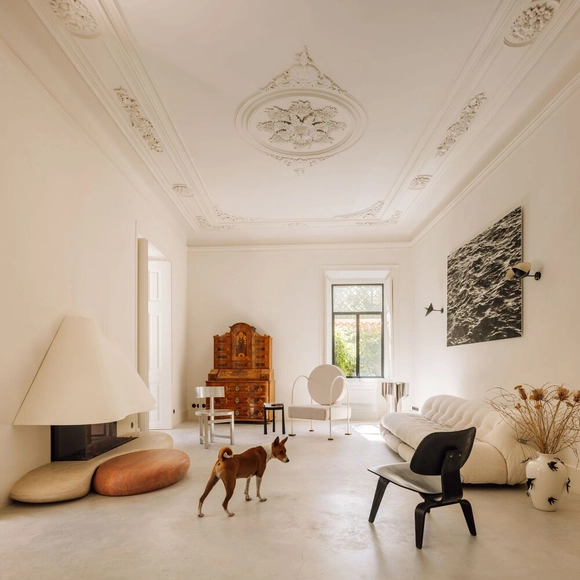
Architects: Studio Gameiro
- Year: 2023
-
Manufacturers: Viúva Lamego
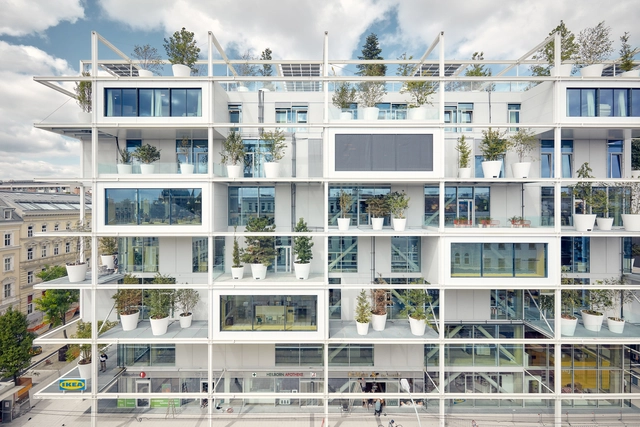
The European Commission and the Fundació Mies van der Rohe have announced the 2024 European Union Prize for Contemporary Architecture / Mies van der Rohe Awards (EUmies Awards) nominees. A total of 362 works of architecture realized over 38 different European countries have been selected, marking the first stage of the EUmies Awards’ 18th cycle. In the next stage, the jury will choose 40 outstanding projects, followed by visits to the finalists and interviews with the architects, their teams, and the project clients.
The 2024 EUmies Awards aims to recognize the best-built works in Europe completed between April 2021 and May 2023. The selection of projects reflects the current changes within the European context, with increasing attention given to environmental, social, and economic awareness expressed through architecture, landscape architecture, urban planning, and design. This year’s jury is chaired by Frédéric Druot (Paris/Bordeaux), who will be accompanied by Martin Braathen (Oslo), Pippo Ciorra (Rome), Tinatin Gurgenidze (Tbilisi/Berlin), Adriana Krnáčová (Prague), Sala Makumbundu (Luxembourg), and Hrvoje Njiric (Zagreb).
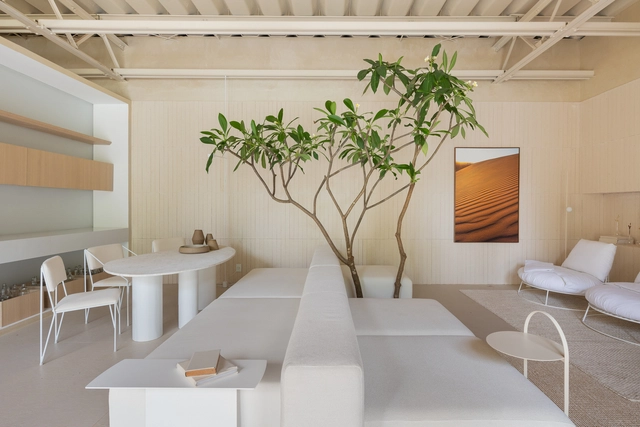
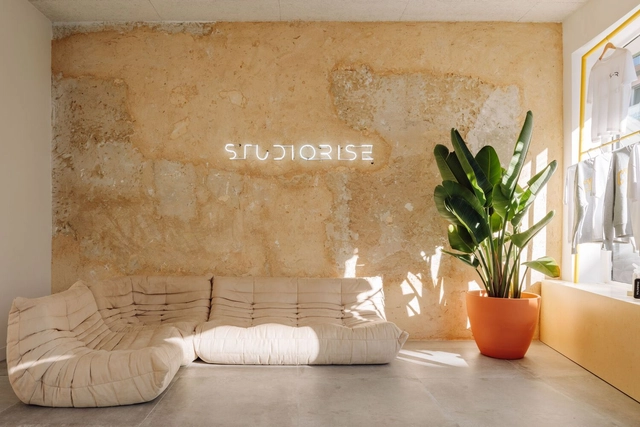
The history of 'neutral colors' is a fascinating journey through the evolution of human aesthetics and design sensibilities. Closely related to the makeup of materials organically found in nature, the color chorus of whites, grays, and earthy brown tones has played a pivotal role in artistic expression, fashion, interior design, and architecture for millenia. From the understated hues of early clay, straw, wood, or brick architectural structures to the now prevalent contemporary interior style, neutral colors have transcended cultural boundaries and continue to hold a special place in our visual landscape – offering a sophisticated elegance and versatility that has stood the test of time.
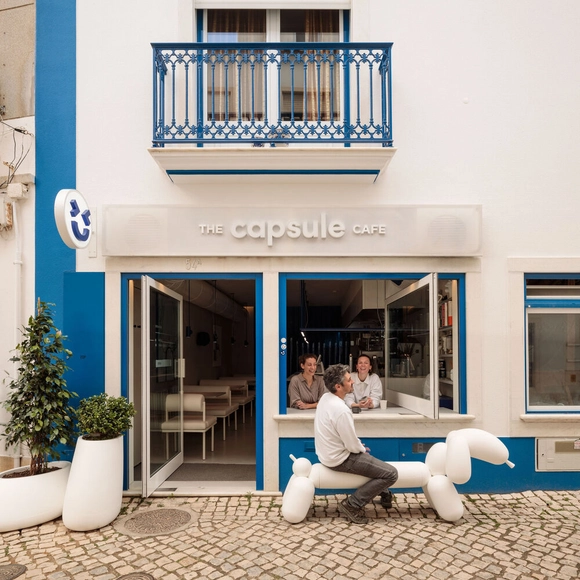
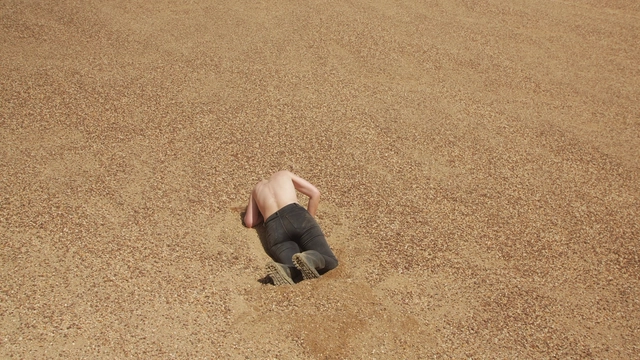
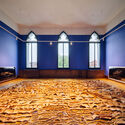
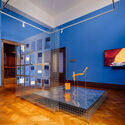
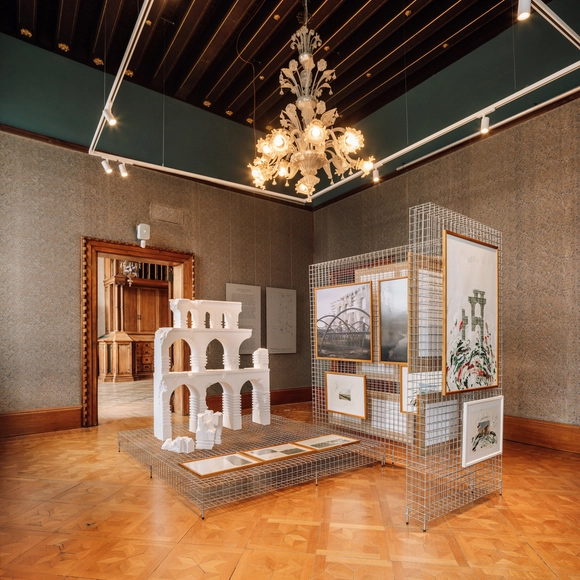
Fertile Futures is the title of Portugal's official representation at the 18th International Architecture Exhibition - La Biennale di Venezia 2023. Curated by Andreia Garcia alongside deputy curators Ana Neiva and Diogo Aguiar, the project aims to address water resource issues in seven Portuguese hydrogeographies and encourage reflection on building a sustainable, equitable, and fertile future. To this end, seven design teams — Corpo Atelier, Dulcineia Santos Studio, Guida Marques, Ilhéu Atelier, Pedrêz, Ponto Atelier, and Space Transcribers — were invited to reimagine distinct possibilities for these territories.
In an effort to expand access to the content exhibited in Venice, we present here the texts and images from the Portuguese pavilion, as well as photographs of the exhibition space. ArchDaily would like to thank the curatorial and communication team of Fertile Futures, who generously provided the material for this publication.
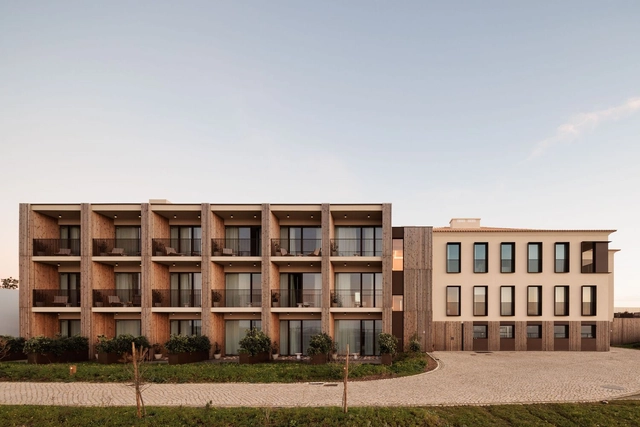
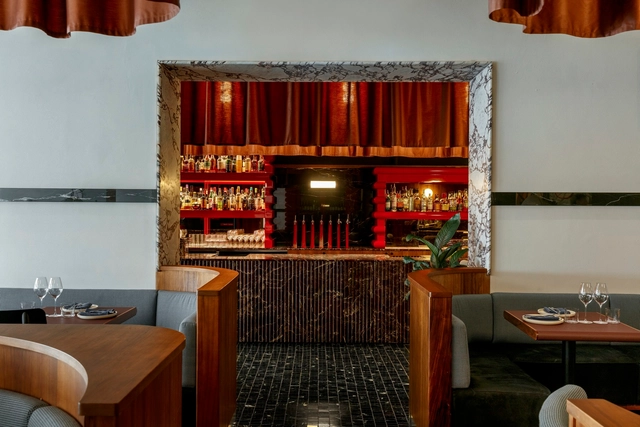
In the competitive world of restaurants – particularly at a time when influencers are gaining more and more control over the sphere of fine dining –, creating a memorable meal experience is crucial for attracting and retaining customers. While factors like food quality and service certainly play pivotal roles in making diners return to their eatery of choice, the impact that restaurant interiors can have on an establishment's longevity should not be overlooked. Among the various elements contributing to a memorable ambiance, color takes center stage. We delve into the significance of striking the right tone in restaurant design through 20 projects from our ArchDaily database.
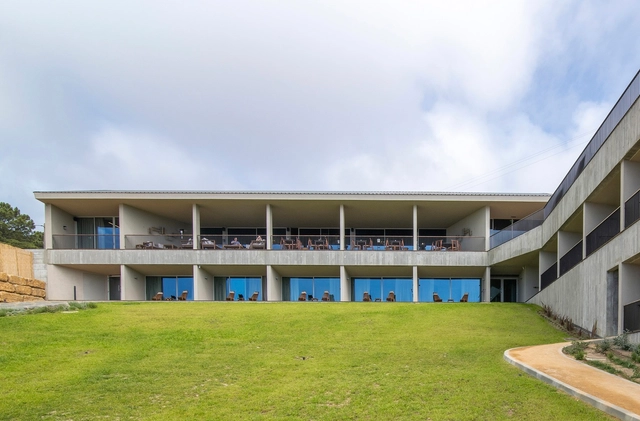
No País dos Arquitectos (In the Land of Architects) is a podcast created by Sara Nunes, who also runs the architectural film production company Building Pictures. The podcast aims to profile the professionals, projects, and stories behind leading contemporary Portuguese architecture. With just over 10 million inhabitants, Portugal is a fascinating country when it comes to this professional field, producing architectural work that far exceeds what its population and territorial scale might suggest.
In the first episode of the fifth season, Sara talks with architect Andreia Garcia about the project Fertile Futures, the Portuguese representation at the Venice Architecture Biennale 2023. Listen to the conversation and read an excerpt of the interview below.
One of Paulo Mendes da Rocha's main design gestures in the Pinacoteca renovation project was to create a new longitudinal axis for circulation, moving its entrance to the south face of the building. Metallic walkways, which cross internal courtyards covered by skylights, enable new dynamics of circulation between the rooms, transforming a neoclassical building into a museum with a contemporary program.
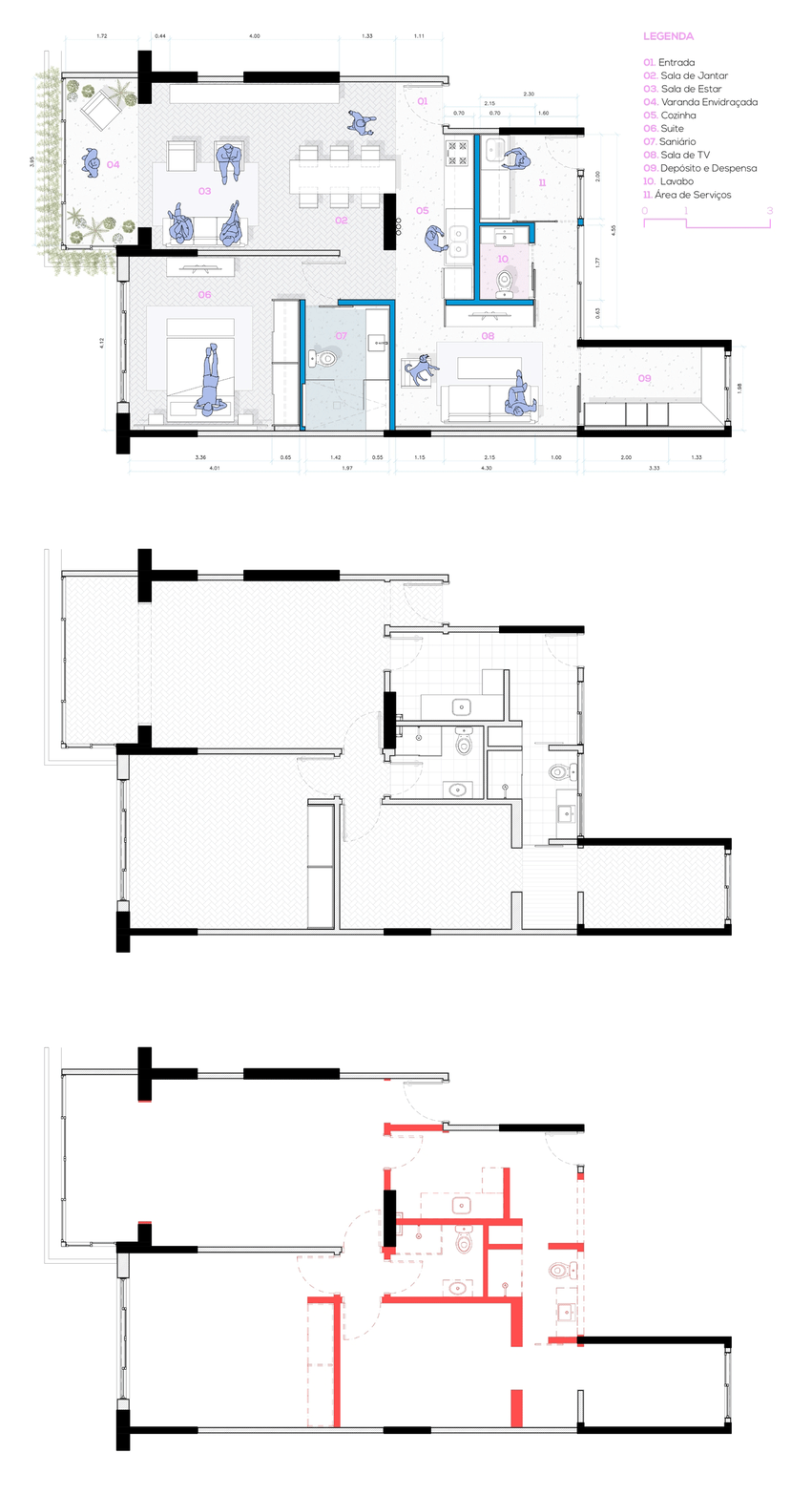
The ability to completely renovate a space by demolishing parts, making additions, altering functionality, and improving ambience is one of the most admired functions of the architect. In housing, this significance is even more apparent, since adapting housing to contemporary demands, through a well-thought-out plan, can drastically improve the quality of life of the occupants.